
On-Device vs Cloud AI Models for Agents
On-device vs cloud AI models differ in latency, privacy, capacity, cost, and reliability. Build a routing framework for agent workloads.
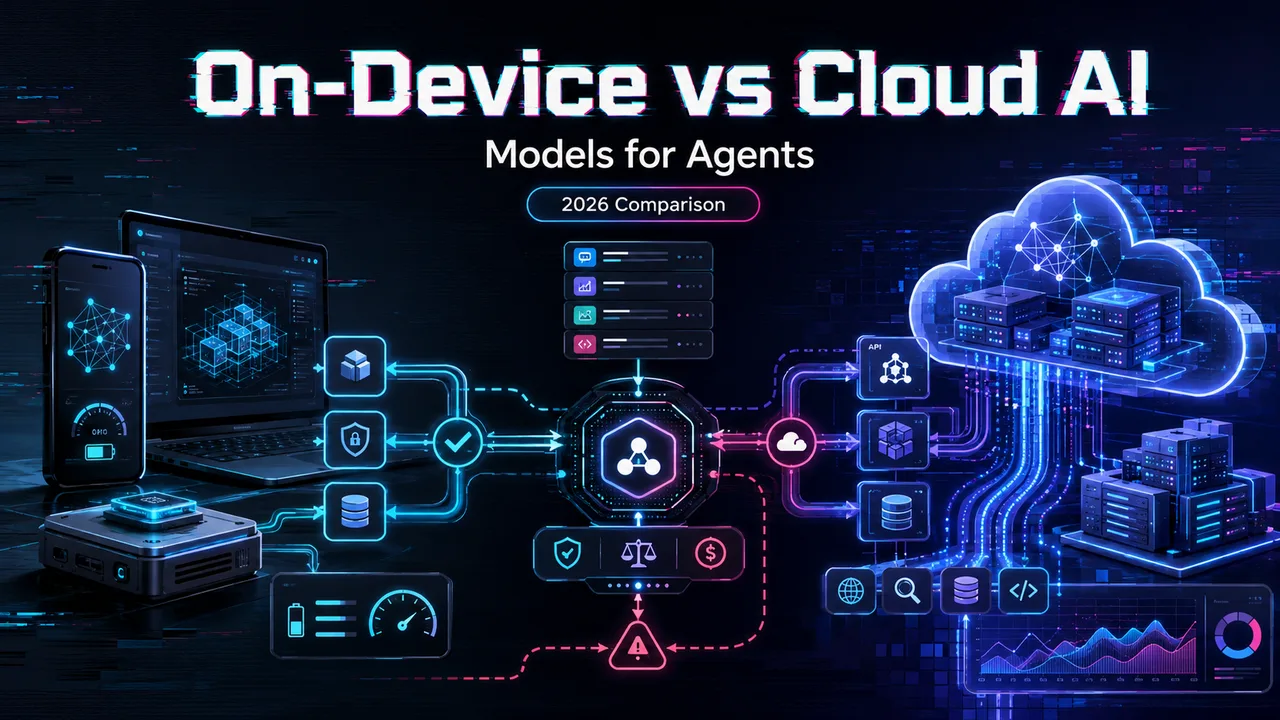
The hard question is not “which model is smarter?” It is “where should this step run?” For terminal agents, IoT devices, and multimodal apps, on-device vs cloud AI models is a routing decision first. STEPX Neo is a useful trend signal, since public launch material describes an agent-native phone built around Step AOS and device-cloud cooperation, but I would not build a generic architecture from unverified device specs.
Quick Verdict by Agent Workload
Local-first, cloud-first, and hybrid execution
| Workload | Best starting point | Escalate when |
|---|---|---|
| Wake word, short classification, small translation | On-device | Confidence drops or language/domain is unsupported |
| Camera perception, local search, private notes | On-device or hybrid | Context grows or reasoning needs multiple sources |
| Long planning, heavy multimodal reasoning | Cloud | Offline mode or sensitive data blocks transfer |
| Payments, messages, account changes | Hybrid with approval | Never execute silently |
Local-first works when the model fits the device, the task is narrow, and the user expects instant behavior. Cloud-first makes sense when the agent needs larger context, stronger reasoning, or scalable batch execution. Hybrid is the normal production answer. Demos show the ceiling. Production shows the floor.
Compare the Core Tradeoffs
Latency, connectivity, privacy, and battery use
On-device inference can reduce round trips and may keep sensitive inputs off the network, but only if the device has enough memory, accelerator support, and thermal headroom. Google’s AI Edge documentation shows why deployment depends on runtimes, hardware acceleration, and device coverage.
Cloud inference can handle larger tasks, but it depends on connectivity and service availability. Privacy is not automatically worse in the cloud; it depends on the architecture. Apple’s Private Cloud Compute guide is a useful example of how cloud AI can be designed with stateless processing, transparency, and restricted access.
Battery is the boring variable teams skip. Then the assistant drains a device during field use and everyone rediscovers physics.
Context, model capability, inference cost, and scalability
Cloud models usually have an easier path to larger context windows, heavier reasoning, and centralized updates. On-device models give tighter control over availability and data movement. Apple’s 2026 Foundation Models overview is one current example of a model family split across device and server execution.
Cost is conditional. Local inference shifts cost into hardware, battery, QA, and app size. Cloud inference shifts it into request volume, context length, retries, and observability. Cheap does not always mean cost-saving. Unusable agent actions are expensive.
Map Tasks to Execution Locations
Classification, translation, perception, planning, and tool use
Run classification, entity extraction, short summaries, and simple translation locally when quality is acceptable. Run perception locally when frames, screenshots, or sensor data should not leave the device unless needed.
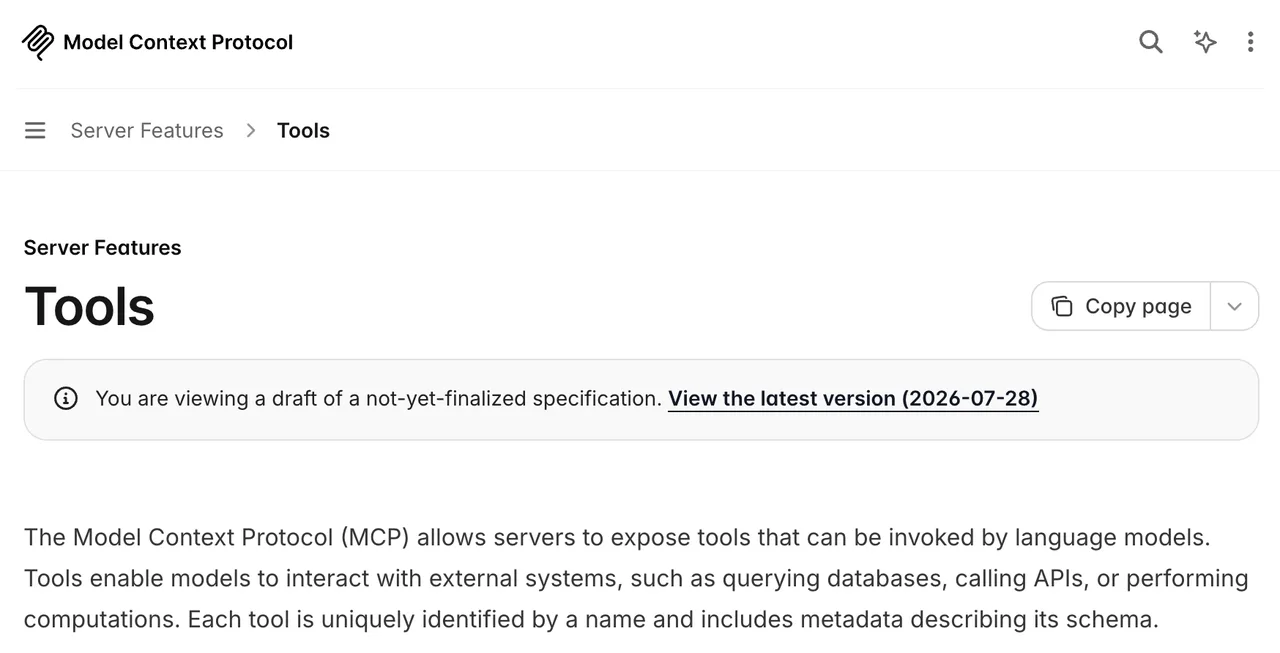
Planning is different. If the agent must compare calendars, reason over a long document, call several services, and recover from failed steps, cloud routing often becomes easier to justify. Tool use needs even more discipline. The MCP tools spec is a good reminder that model-called tools need clear schemas, visible invocation, and user control.
Sensitive inputs and high-risk actions
Sensitive inputs should default to local handling or context minimization. Send only what the cloud model needs, not the whole device state. High-risk actions need approval gates: payments, deletion, external messages, permission changes, bookings, account edits.
Prompt injection also changes the routing policy. OWASP’s LLM01 guidance treats malicious instructions as a core LLM application risk. A phone agent or IoT agent sees messages, screens, files, QR codes, and images. Any of those can carry instructions the user never meant to approve.
Build an Edge-Cloud Routing Policy
Complexity signals, escalation, fallback, and offline behavior
Start with rules the runtime can measure:
- Local route: small context, low-risk task, supported language, stable confidence.
- Cloud route: long context, multi-step planning, weak local confidence, large multimodal input.
- Approval route: tool call changes money, identity, access, communication, or records.
- Fallback route: no network, degraded local model, expired permission, failed tool call.
The real bottleneck is often the handoff, not the generation. If the device starts locally and escalates, the cloud request should receive a compact task state, not a messy transcript dump.
Context minimization and secure handoff
A secure handoff should include task intent, selected evidence, permission scope, user approval state, and rollback options. It should exclude raw private data unless the cloud step needs it.
For STEPX Neo-style devices, the pattern matters more than the brand: local assistant for fast, private, offline work; cloud model for harder reasoning; policy layer for deciding when the task crosses the boundary. That is where on-device vs cloud AI models becomes production architecture.
Validate the Hybrid System
Route accuracy, failure recovery, observability, and drift
Do not validate only model quality. Validate routing quality. Track when the router chose local, when it escalated, when the user overrode it, and when a task failed after handoff.
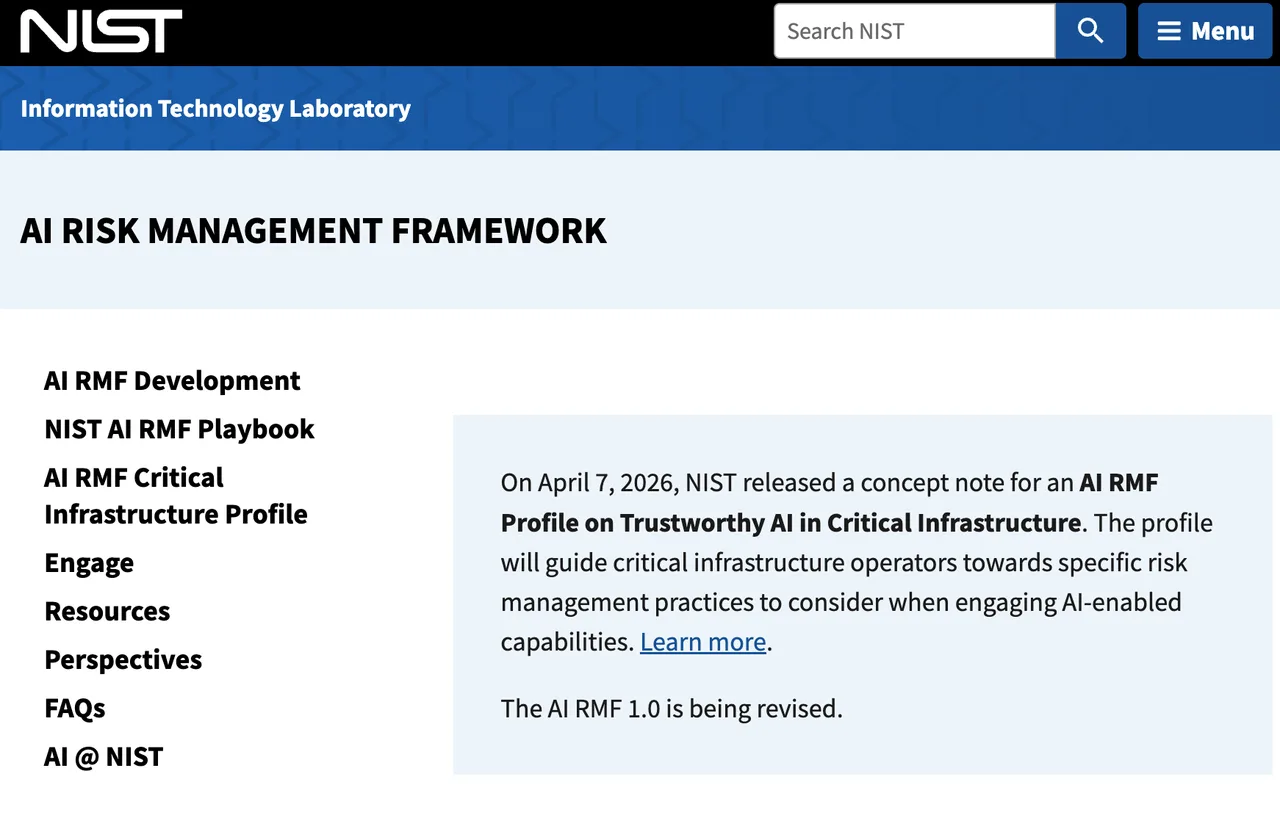
Failure recovery needs its own tests: network loss, partial tool completion, stale permissions, local model timeout, cloud refusal, and user cancellation. NIST’s AI Risk Management Framework is useful here because it treats AI risk work as continuous, not a launch checklist.
The next layer is edge inference monitoring: latency bands, thermal behavior, battery impact, local confidence drift, cloud escalation rate, and privacy-policy exceptions. This cannot be judged by feel. It needs a sample run.
FAQ
Who approves sending sensitive device data to the cloud?
The user approves in consumer flows. In enterprise or regulated environments, product, security, legal, and data owners should define the approval policy before launch. The interface should show what data is sent, why it is needed, and what action the cloud model may perform.
How should support explain where a task was executed?
Support should use plain labels: “processed on this device,” “sent to cloud reasoning,” or “split between device and cloud.” Do not say “private” unless the system can prove the exact privacy guarantee. A short execution log is better than a polished script.
What records are required after a routing-policy exception?
Keep the task type, reason for exception, data class involved, approver, execution location, model or runtime version, tool calls, outcome, and rollback status. One person can remember an exception. A team cannot.
Conclusion
The useful answer to on-device vs cloud AI models is rarely one side forever. Keep fast, narrow, sensitive, and offline work close to the device. Escalate complex reasoning, long context, and scalable workloads to the cloud. Put approvals around risky actions. Then monitor the router like a production system, because that is what it has become.
Previous posts:
Related Articles
/filters:quality(82)/media/images/1790934318687045151_6DhqzIS1.webp)
Best AI Video APIs for High-Volume Workflows in 2027
/filters:quality(82)/media/images/1790879706333726948_TmjHVhrF.webp)
Introducing AI Cinema Studio on WaveSpeedAI: Direct Cinematic AI Video Shots
/filters:quality(82)/media/images/1790934887466368319_r2GQZ8hr.webp)
LTX Studio Review 2027: Does the Video Workflow Hold Up?
/filters:quality(82)/media/images/1790935090456133598_u9CLU4dm.webp)
Segmind Review 2027: Can Its Media APIs Scale?
/filters:quality(82)/media/images/1790935248497016685_6cZjDPeF.webp)
Best Shotstack Alternatives in 2027 for Video APIs
/filters:quality(82)/media/images/1790935438012010745_IjwFOnwG.webp)