How Multimodal AI APIs Enable Next-Generation Apps
A multimodal AI API connects text, image, audio, and video workflows. Learn architecture choices, request contracts, costs, and production safeguards.
Dora here. I keep seeing teams treat a multimodal AI API as a bigger chat endpoint. That is where the design starts to wobble. Text, image, audio, video, and files do not fail the same way. They do not cost the same way. They do not need the same review path.
If you are designing an app that combines text, image, video, and audio, the API question is really an application contract question. Which inputs can enter. Which outputs can leave. Which model owns the reasoning. Which system owns storage, rights, retries, and review.
This piece is for the team building that contract. Not a model list. Not a consumer app tour. A work note on multimodal application architecture.
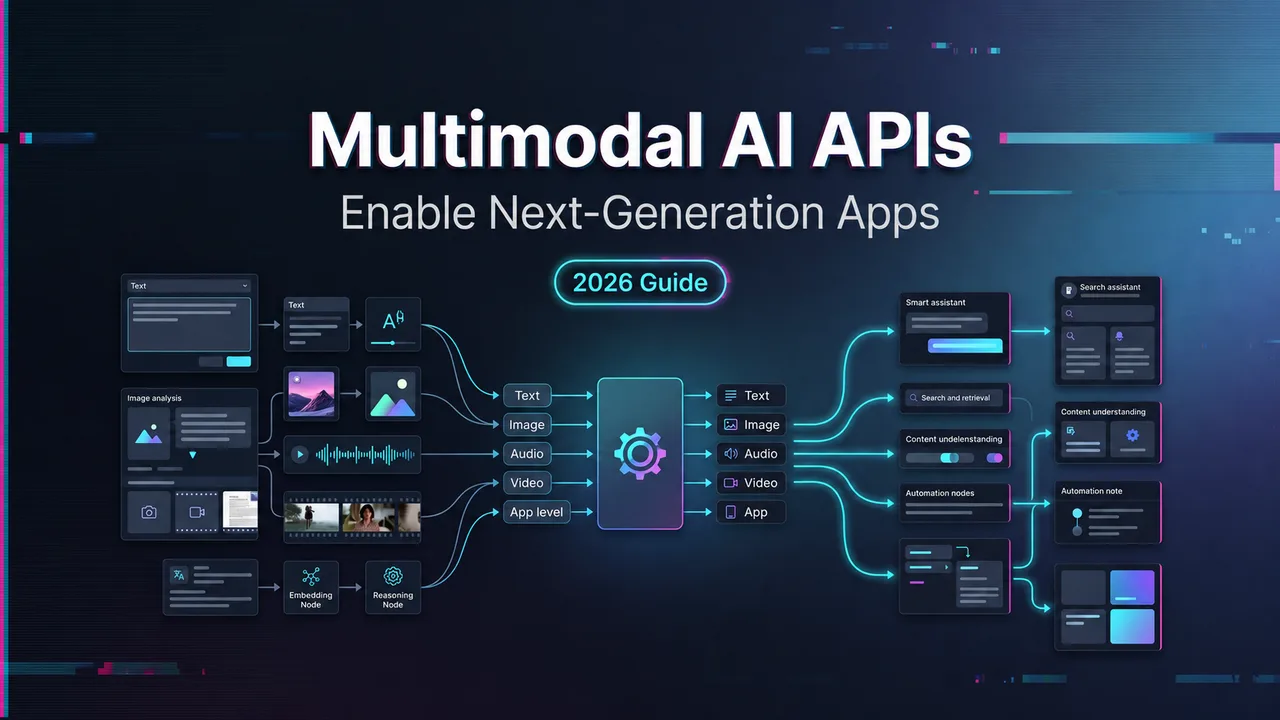
What a Multimodal AI API Connects
Inputs, Outputs, and Cross-Modal Context
A multimodal model API connects more than formats. It connects context across formats.
A support assistant might receive a screenshot, a chat transcript, and a voice note. A design tool might take a product photo, brand guidelines, and a text instruction. A training app might accept video, ask for a spoken response, then generate feedback as text and audio. The hard part is not accepting files. The hard part is preserving meaning across them.
A stable request should identify:
- modality type
- file reference or inline payload
- MIME type
- model ID
- user instruction
- consent state
- retention policy
- expected output type
- review requirement
OpenAI’s current model documentation is a useful reminder that even one provider separates general models from specialized image, realtime, speech, transcription, and other routes. Do not assume one endpoint means one capability map.
The input contract should not say “file.” It should say “image input for product inspection,” “audio input for transcription,” or “video input for asynchronous generation.” Vague inputs become vague incidents.
Native Multimodal Models Versus Composed Pipelines
There are two main ways to build.
- A native multimodal model handles several modalities inside one model context. It may reason over text and image together, or process audio in a live session. The advantage is shared context. The risk is that you may overuse one model for work a smaller specialist could do cheaper.
- A composed pipeline chains specialized models. One model transcribes audio. Another analyzes text. Another generates images. Another moderates the result. The advantage is control. The risk is glue code, latency, and handoff loss.
Neither pattern wins everywhere.
Native models work well when cross-modal reasoning matters. A composed pipeline works better when each stage has a clear job and measurable output. Product teams usually need both.
I paused here because the trap is familiar: “one model can do it” becomes “one model should do it.” Not the same sentence.
Choose the Right API Architecture
Direct Providers, Aggregation Layers, and Hybrid Access
Direct provider access gives the most specific control. You see the provider’s native schemas, files, quotas, tools, errors, and model behavior. That matters during deep evaluation.
An aggregation layer gives a common interface across providers. It is useful when you need routing, fallbacks, provider comparisons, budget caps, and one place to manage model access.
Hybrid access is often the least elegant and most practical. Direct provider calls for workloads where exact behavior matters. A unified AI API for commodity tasks, experimentation, and fallback paths.
WaveSpeed belongs in that architecture conversation as a multimodal generation layer and aggregation surface. That does not mean every model, modality, SLA, or schema is identical behind it. The contract still has to say what is actually available for each route.
The useful split is this:
| Access Pattern | Best Fit | Main Risk |
|---|---|---|
| Direct provider | Provider-specific features, strict evals | More integration work |
| Aggregation layer | Routing, fallbacks, cost control | Schema flattening |
| Hybrid access | Production systems with mixed needs | Governance complexity |
The value of a unified entry point is not that it makes providers the same. It makes differences easier to manage.
Synchronous Responses, Asynchronous Jobs, and Streaming Sessions
A text answer can often be synchronous. A long video render should not be. A live voice assistant needs a streaming session, not a request-response loop. These are different contracts.
Synchronous responses are good for short reasoning, structured extraction, classification, and small image analysis. The caller waits. The response returns. Easy to trace.
Asynchronous jobs are better for video, large image batches, long document processing, and expensive generation. The caller submits a job, stores an ID, receives status updates, and fetches the output later.
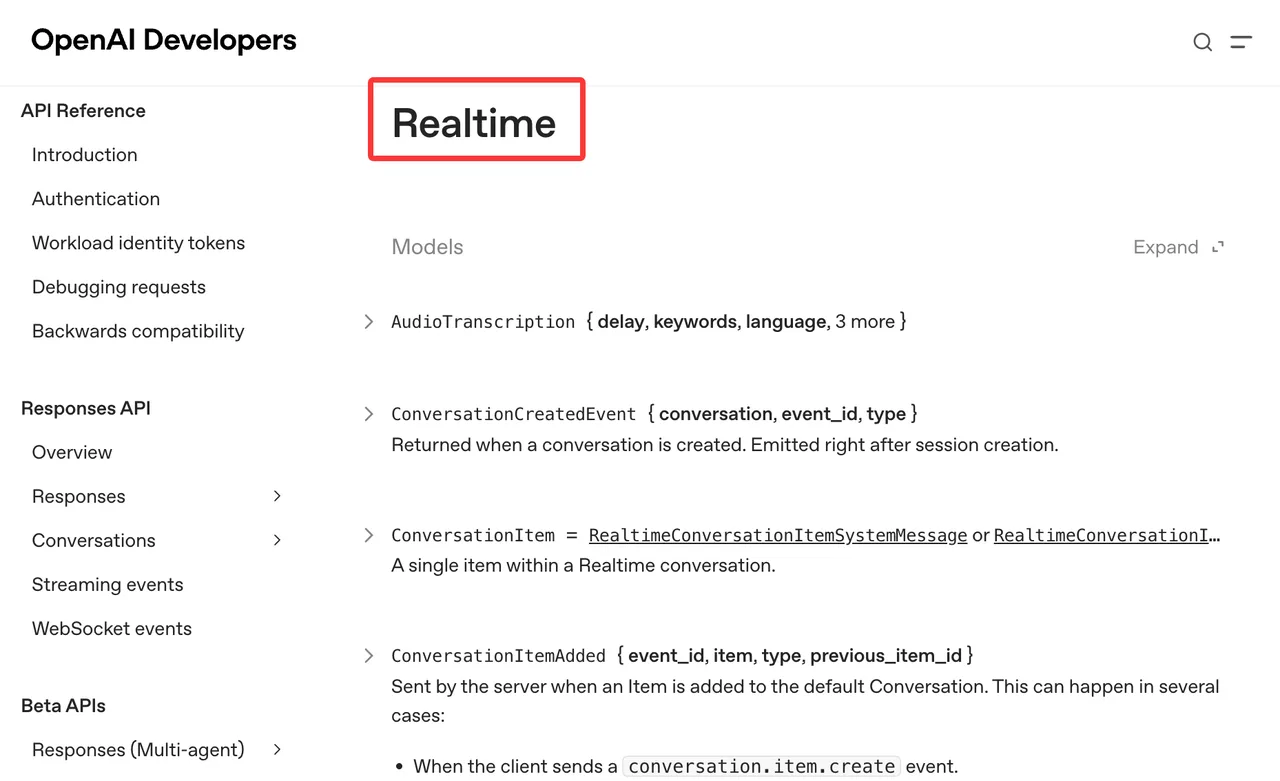
Streaming sessions are for real-time audio, voice, screen interaction, and ongoing conversations. OpenAI’s Realtime API documents low-latency interfaces such as WebRTC and WebSocket for real-time multimodal interaction. That is a different operational shape from a normal HTTP response.
Once the workflow runs end-to-end, how fast each step is matters less than whether the contract matches the job.
Design a Stable Application Contract
Normalize Schemas, Files, Model IDs, and Error States
A multimodal app should not expose provider quirks everywhere. Normalize the fields the product needs. Preserve provider-specific raw data for debugging. Both matter.
The normalized layer should include:
input_modalitiesoutput_modalitiesprovidermodel_idcapability_idfile_idsjob_idstatuserror_codeusagereview_state
Files need their own lifecycle. Upload, scan, transform, infer, store, expire, delete. Do not hide that under “prompt.”
Google’s Gemini API reference is useful here because it separates unary, streaming, and real-time APIs, and frames multimodal interaction as a first-class API concern. That is the shape application contracts need to copy: not every interaction is the same kind of call.
Error states need the same discipline. “Model failed” is not enough.
Use separate states for file rejected, unsupported modality, provider unavailable, quota exceeded, moderation blocked, timeout, partial output, output expired, and human review required.
Found the pattern on the third try: most “model issues” in production are contract issues wearing a model badge.
Separate Capability Detection from Provider Availability
Provider availability is whether the route is online and allowed. Model capability is whether that route can do the job. Do not merge them.
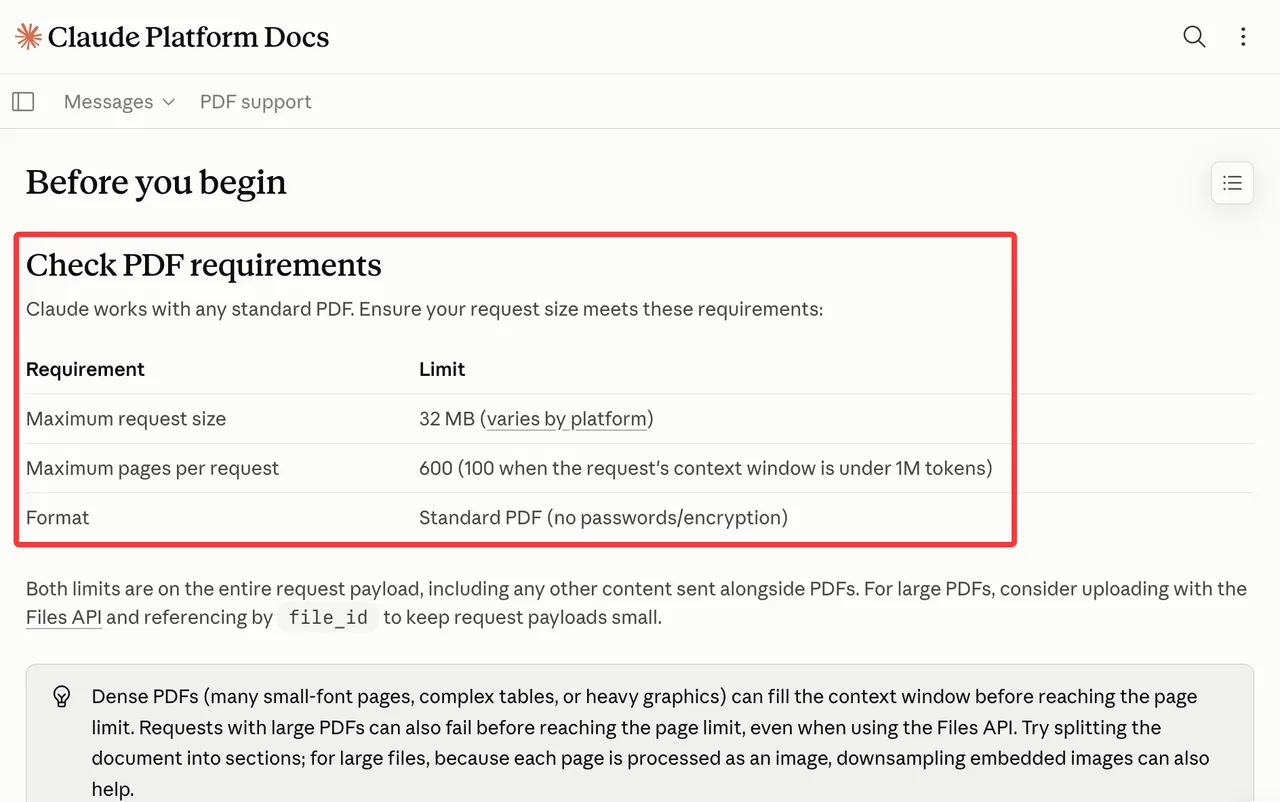
A provider may be up while video generation is degraded. A model may accept images but not audio. A route may support PDF upload through one endpoint but not another. Anthropic’s Claude PDF support shows why this matters: document handling can depend on request size, page count, visual processing mode, platform, and feature flags.
Your application should ask two questions before dispatch:
- Is this provider route available right now?
- Does this route support the requested modality, file type, output type, and review policy?
If the answer to either question is no, fail clearly or route elsewhere. Do not discover the mismatch after the user uploads a file and waits.
Build for Reliability and Cost Control
Routing, Fallbacks, Retries, and Idempotent Jobs
Routing should be explicit. Not mystical. Not “auto” unless auto has rules.
Route by modality, latency target, cost ceiling, policy constraints, and observed quality. A cheap model for image captioning may be fine. The same route may be wrong for medical intake, legal review, or brand-sensitive generation.
Fallbacks need guardrails. A fallback model must support the same required modality and output schema. If the first provider fails on audio input, do not fallback to a text-only route and pretend the task succeeded.
Retries need idempotency. This matters for asynchronous jobs. The same request should not create three billable renders because the client lost connection. Use client-provided idempotency keys for jobs where duplicate output is costly. One fewer switch. Sounds small. Adds up fast.
Cost per Accepted Output and Modality-Specific Observability
Token price is not the metric. Cost per accepted output is better.
An accepted output is one the application can actually use: approved image, successful voice response, valid transcript, generated video that passes review, structured extraction that meets schema and quality checks.
Track cost by modality:
- text tokens
- image input units
- image output units
- audio seconds
- transcription minutes
- video job duration
- file storage time
- moderation calls
- retries
- human review time
A text image audio API can look cheap in a pricing table and expensive in production because the app retries, stores media too long, or sends every request through the largest model.
Observability should answer: which provider handled it, which model ran, what modalities entered, what output passed, what failed, what was retried, and what the accepted result cost. Good enough. That is the most honest assessment I can give.
Handle Safety, Rights, and Data Boundaries
Consent, Provenance, Retention, and Moderation Controls
Multimodal systems handle more sensitive material than text-only apps.
Faces. Voices. Homes. Receipts. Product photos. Medical screenshots. Documents with signatures. Customer support recordings. The API contract needs data boundaries before launch.
OpenAI’s data controls show why endpoint-specific handling matters: files, images, video, web search, and retention controls can have different conditions. Every provider has its own version of this. Read it. Then ask legal and privacy to read it too.
This is not legal advice. It is risk identification.
The product should record consent, provenance, license state, retention class, and moderation result with the media object. Not buried in logs. Not inferred later.
Moderation should happen at multiple points:
- before upload if possible
- after upload
- before generation
- after generation
- before customer delivery
- before reuse in datasets
If that sounds heavy, good. Media systems are heavy.
Model-Specific Limits and Human Review
Model-specific limits should be visible to product code and support teams.
Examples: max file size, max pages, supported MIME types, image dimensions, audio duration, realtime session limit, batch job size, region availability, and output format.
Do not let a product manager promise “upload any file” unless the contract actually supports it.
Human review should be tied to risk, not just model confidence. Use review for identity-sensitive media, regulated categories, brand claims, licensed characters, customer-submitted assets, and anything that could create rights or safety exposure.
This conclusion has an expiration date. Models update fast. Policies update faster.
FAQ
How should teams version prompts shared across different modalities?
Version prompts with modality metadata. A text-only prompt, image-edit prompt, and audio response prompt may share intent but should not share one version blindly.
Store prompt ID, modality, provider, model ID, schema version, eval set, and approval owner.
What support documentation helps explain temporary modality outages?
Support needs a modality status map.
Document which inputs and outputs are affected, which providers are degraded, whether uploads still work, whether existing jobs continue, whether outputs are delayed, and what fallback behavior users should expect.
Who approves new modalities before they reach production users?
Product, platform, privacy, and content safety should all sign off.
The owner depends on risk. Voice cloning, face generation, and user-uploaded video need a different approval path than text summarization.
Who approves customer communications during unresolved provider billing disputes?
Finance and customer operations should approve the message. Platform should provide the facts.
Do not let engineering improvise customer language during a billing dispute. Say what usage was affected, what is still under review, and what customers should expect next.
Should evaluation datasets separate licensed and synthetic media?
Yes. Licensed, user-submitted, public-domain, and synthetic media should be separated. Mixing them makes rights review harder and can hide performance differences between clean synthetic tests and real customer assets.
Conclusion
A multimodal AI API is not just a way to send more file types to a model. It is a contract for how an application handles media, reasoning, storage, routing, review, and cost.
The practical architecture is usually mixed. Native multimodal models where shared context matters. Composed pipelines where control matters. Aggregation where routing and provider management matter.
The next-generation app is not the one with the longest modality list. It is the one where every modality has a clear contract. That is the work. More to come.
Previous posts: