
pxpipe as a Local LLM Proxy for API Teams
Local LLM proxy guide for API teams using pxpipe-style context compression, request rewriting, logging, and fallback controls.
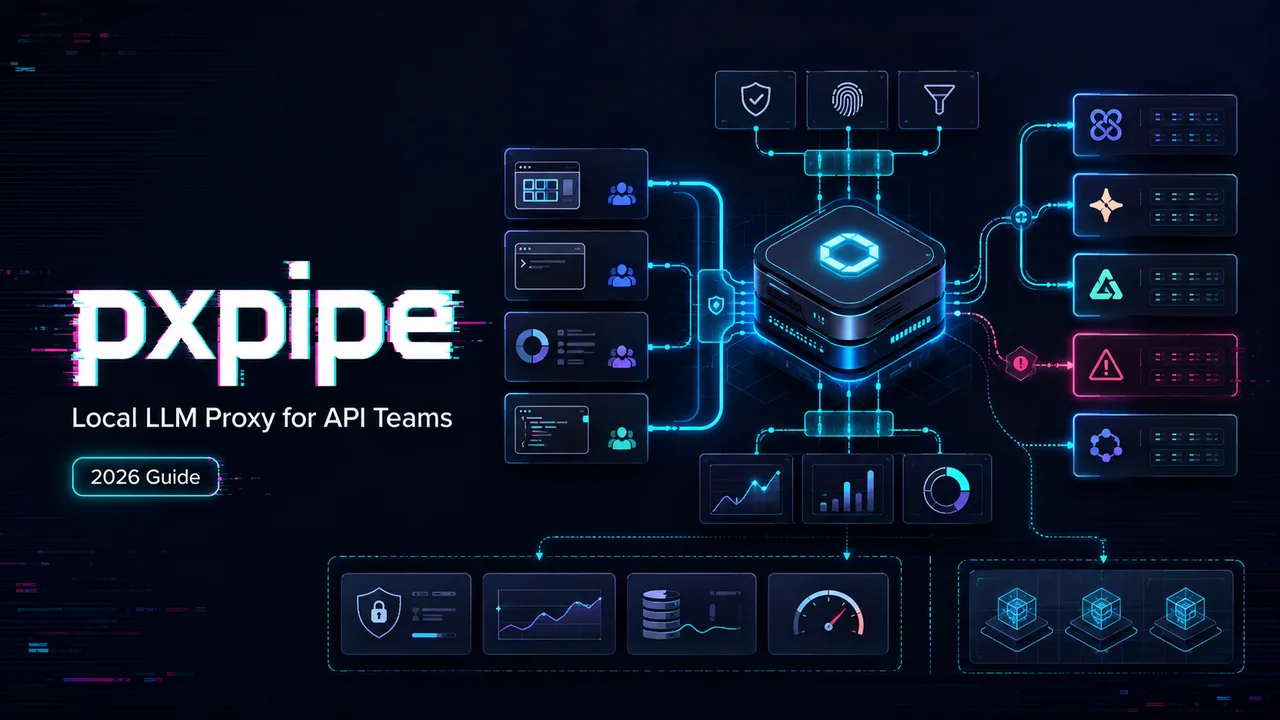
I’m John. The first time I see a team add a local LLM proxy, I do not ask whether it saves tokens. I ask what it changes before the request leaves the machine. That is where the real risk sits. A proxy can reduce waste, rewrite context, estimate cost, and give teams a dashboard. It can also hide the thing that later breaks the agent.
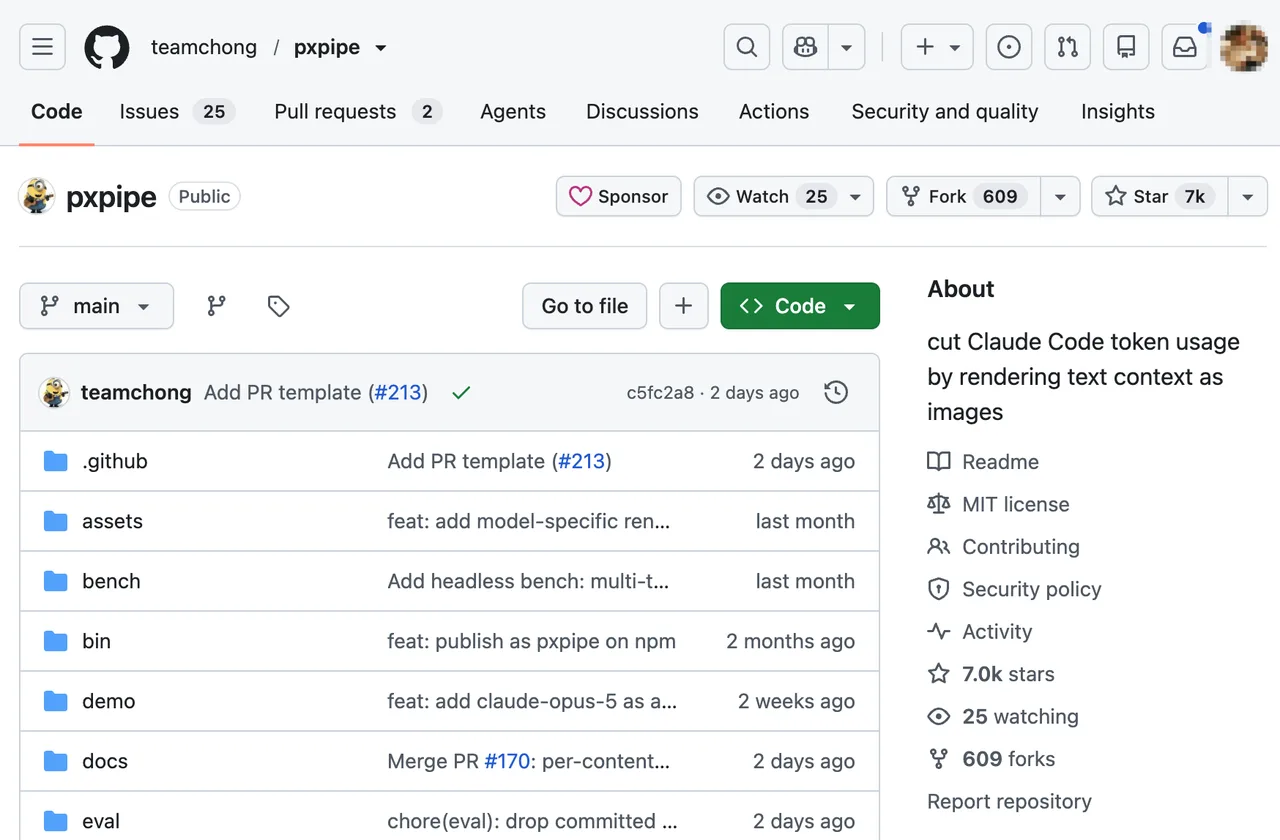
pxpipe is a useful case because the public pxpipe GitHub repository documents a specific pattern: render bulky text context as PNG images before forwarding the request. The project is closely tied to Claude Code and Anthropic-style request flows, but this article is not a pxpipe feature checklist. It is a production architecture review for API teams deciding where a context optimization layer should sit.
Why Local LLM Proxies Matter
Context rewriting before requests reach model providers
Most API teams already have some kind of gateway thinking. They route traffic. They attach auth. They log requests. They rate-limit bad behavior. LLM traffic adds a more awkward problem: the request body itself becomes part of the production surface.
A coding agent may send system prompts, tool definitions, file reads, command output, and conversation history. Some of that context is useful. Some of it is stale. Some of it is expensive because the client keeps resending it. One person can ignore the waste. A team cannot.
A local proxy sits before the model provider and rewrites the request. In pxpipe’s case, the documented approach is not “summarize text.” It renders eligible bulky context into images and forwards those image blocks with the request. Anthropic’s Claude vision documentation matters here because image inputs have their own format, limits, and token-cost behavior. That is the mechanism pxpipe-style compression depends on.
This is also the point where I get cautious. Context rewriting is not neutral. If a proxy changes text into an image, the model no longer receives byte-exact text. That may be acceptable for logs, long tool output, or old history. It is not acceptable for IDs, hashes, secrets, exact error strings, or anything the agent must copy without guessing.
Where pxpipe-style compression fits the gateway pattern
The clean way to view pxpipe is as a request rewrite layer inside a broader API gateway pattern. It should not own every policy. It should do one job: decide whether a block of context can be rewritten safely and profitably.
A standard gateway controls access and routing. A compression proxy controls representation. Those are different jobs.
| Layer | Job | Failure to watch |
|---|---|---|
| Client | Sends model request | Resends too much context |
| Local proxy | Rewrites eligible context | Loses exact strings or hides state |
| API gateway | Controls routing, auth, logs, fallback | Logs too much private data |
| Model provider | Runs inference | Provider-specific behavior changes |
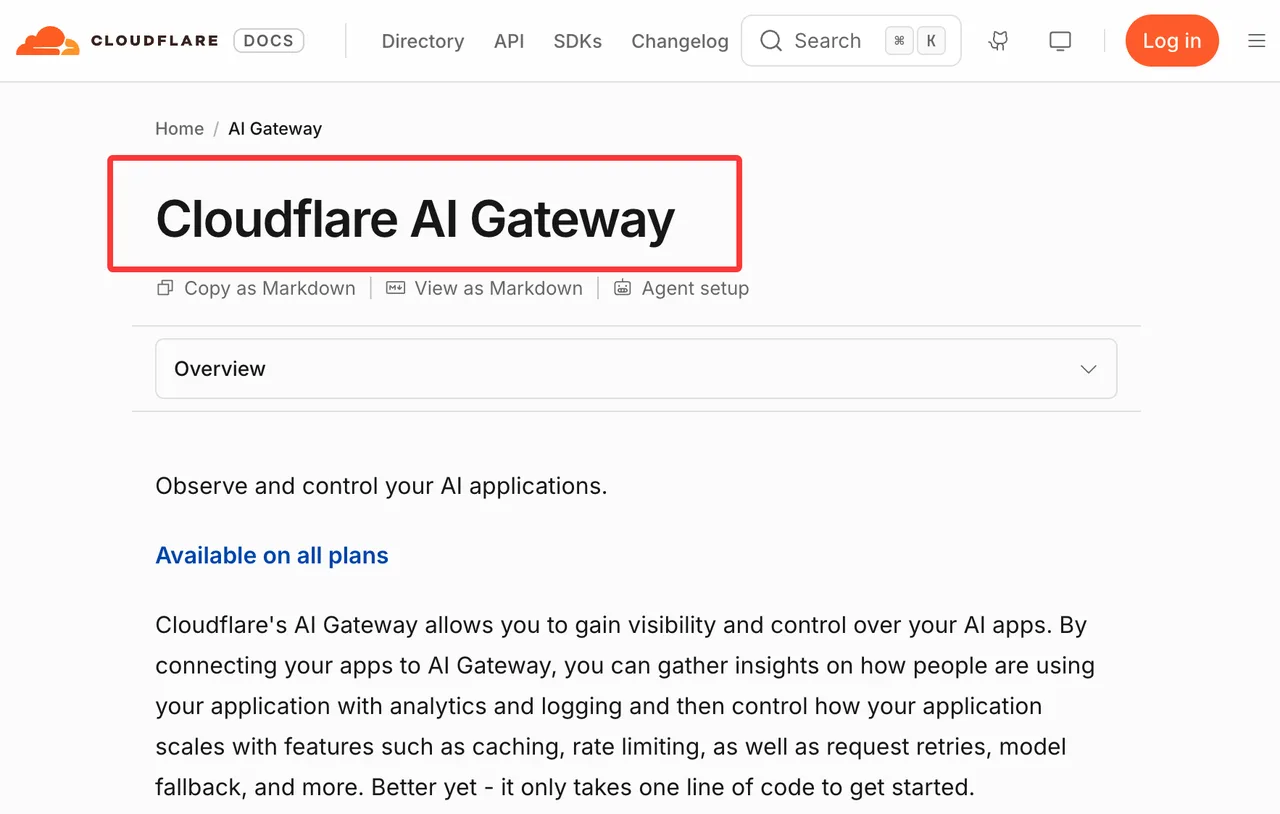
Cloudflare’s AI Gateway overview is useful as a reference point because it frames gateway features around analytics, logging, caching, rate limiting, retries, and model fallback. pxpipe-style compression belongs before or beside that control plane, not as a replacement for it.
Architecture Pattern for API Teams
Request rewrite layer, model allowlist, and dashboard
I would split the architecture into three parts.
First, the request rewrite layer. It should parse provider-native requests, detect eligible blocks, rewrite only those blocks, and forward everything else unchanged. pxpipe’s README says it compresses the request only and does not touch the model output. That boundary matters. If the proxy starts rewriting responses too, debugging gets much worse.
Second, the model allowlist. Compression quality is model-specific. A model that can read rendered code well may still fail on dense identifiers. pxpipe documents model-scoped behavior and includes controls like PXPIPE_MODELS=off for disabling imaging. Do not treat compatibility with one Claude Code path as proof that every provider, model, or agent harness is ready.
Third, the dashboard. For a pilot, the dashboard should answer three questions quickly:
- Was the request rewritten?
- Which blocks were changed?
- How do I bypass this layer right now?
The pxpipe README documents a local dashboard showing token savings, text-to-image conversions, a kill switch, and model chips. Good. That is the minimum shape I would want before letting another teammate route work through it.
Logs, privacy boundaries, and per-request estimation
Logs are where teams often make the proxy useful and dangerous at the same time. A dashboard that captures request context can help debugging. It can also become a new place where source code, secrets, customer text, or production traces sit unreviewed.
Cloudflare’s AI Gateway logging docs list common gateway log fields such as prompt, response, provider, timestamp, status, token usage, cost, duration, and user agent. That is a useful checklist, but I would not copy it blindly for a local proxy. For sensitive code or customer data, store less by default.
For per-request estimation, record enough to reproduce the decision:
- request ID
- model ID
- route name
- rewrite applied or skipped
- original token estimate
- rewritten token estimate
- reason for skipping
- bypass or kill-switch state
- provider status
- latency added by the proxy
Anthropic’s Token Count API gives teams a provider-side way to count tokens for a message without generating a response. pxpipe documents a counterfactual measurement approach in its own materials. The production rule is simple: do not claim savings from a proxy unless the denominator includes requests it skipped, cache behavior, and output tokens it cannot compress.
Cheap does not always mean cost-saving. Bad context compression just moves the cost into rework.
Production Controls

Kill switch, fallback route, and bypass mode
A local LLM proxy needs an exit ramp before it enters production. Not after the first incident. Before.
The kill switch should disable rewriting globally while preserving normal request forwarding. The fallback route should send traffic directly to the provider or to the regular API gateway. Bypass mode should be available per session, per model, and ideally per request class.
For Claude Code, the official Claude Code environment variables confirm that ANTHROPIC_BASE_URL can route requests through a proxy or gateway. That makes local proxy testing easy. It also makes accidental routing easy. I would keep proxy configuration visible in shell startup files, team settings, and CI images. Silent endpoint changes are not clever. They are future incident notes.
The safest rollout path is boring:
- Run the proxy locally for one developer.
- Compare proxied and direct runs on repeatable tasks.
- Keep byte-exact work out of compression.
- Enable a small model allowlist.
- Review logs and failures.
- Only then widen the pilot.
This step cannot be skipped. If you skip it, you pay it back later.
Testing proxy behavior before enabling it for users
Testing should not only ask whether the final answer looks right. It should ask whether the proxy changed the task in a way the team can explain.
I would test four task types:
- large tool outputs where exact wording is not critical
- codebase navigation where the agent re-reads files before editing
- debugging sessions with exact stack traces and IDs
- long chat history where names, numbers, and prior decisions matter
The third and fourth tests are where lossy compression shows its teeth. pxpipe’s own README is direct about this: exact strings in dense imaged content can fail silently, and byte-exact values should stay as text. That honesty is good. It also sets the operating boundary.
A good single output does not mean the production workflow is ready. Run paired tasks with proxy on and off. Save the original request, rewritten request, response, and final task result. If the team cannot replay the failure, it cannot safely tune the proxy.
Limits and Failure Modes
Debugging compressed context and provider-specific behavior
The first debugging problem is visibility. When a model makes a bad call, you need to know whether the error came from the original context, the rewrite rule, the rendered image, the provider’s image handling, or the agent’s planning.
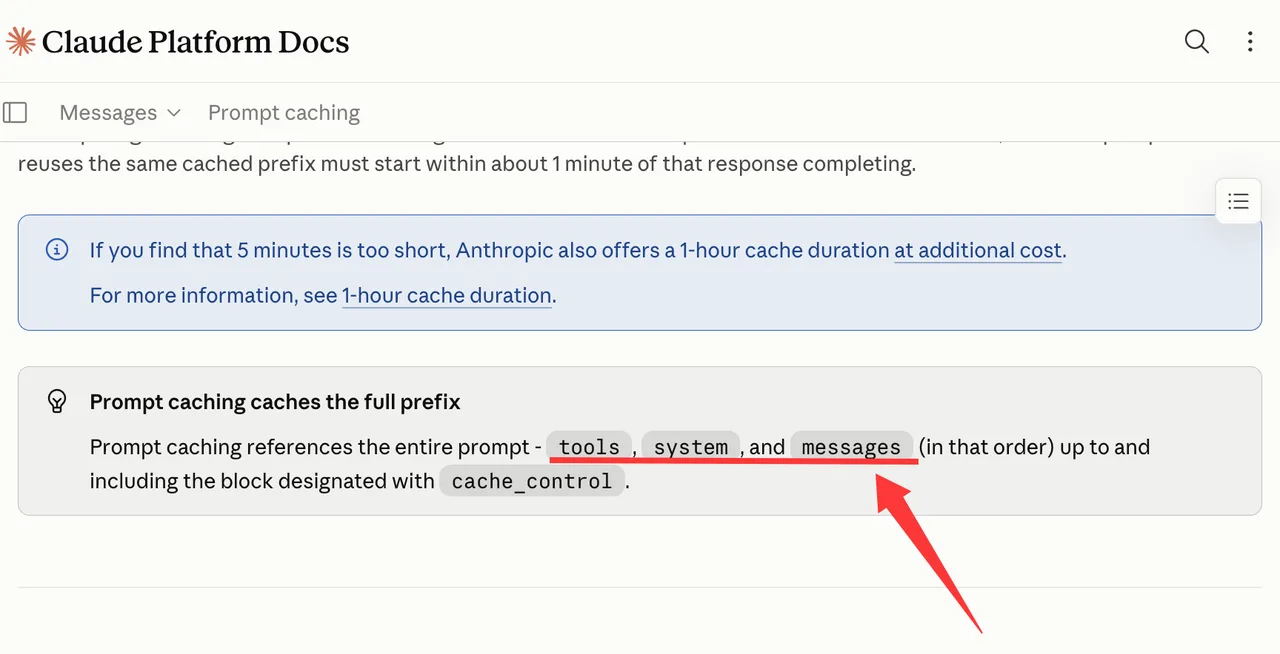
The second problem is provider-specific behavior. Anthropic prompt caching, for example, references tools, system, and messages in order up to the cache breakpoint, according to the prompt caching docs. If a proxy changes where blocks sit, or changes which blocks remain text, it can affect cache behavior. That does not mean “do not compress.” It means test the cache boundary instead of assuming it survived.
The third problem is exact recall. If the model needs to copy an identifier, use a fallback path. Keep precision-critical tokens as text. Make recent turns stay live. Re-read source files before editing. The real bottleneck is often the handoff, not the generation.
When a proxy adds more risk than value
I would not put this pattern in front of every workload.
A proxy adds more risk than value when the workflow depends on verbatim recall, regulated data, hidden customer content, forensic auditability, or provider support boundaries that the team cannot inspect. It may also be a poor fit when prompts are already short, sparse, and cache-friendly. pxpipe itself documents that sparse prose may not be profitable.
There is also an ownership problem. A proxy looks like developer tooling until it affects billing, privacy, incident response, and production behavior. Then it becomes infrastructure. If nobody owns the config, nobody owns the failure.
Use a proxy when the request shape is repetitive, bulky, and measurable. Avoid it when the team only wants a cheaper bill and has no appetite for testing. The longer the rework path, the worse the cost looks.
FAQ
Who owns proxy configuration changes in production?
The platform or API infrastructure owner should own production proxy configuration. Developer experience can propose defaults, and security should review privacy boundaries, but one team must approve model allowlists, rewrite rules, dashboard exposure, and bypass policy. An Anthropic proxy used by Claude Code is still production routing once other people depend on it.
What incident should force bypassing the proxy layer?
Bypass immediately if the model silently misreads compressed context, exact identifiers are lost, provider errors rise after rewriting, the dashboard exposes sensitive data, latency breaks normal workflows, or the proxy changes tool behavior. Do not wait for a perfect root cause. Preserve delivery first, then debug.
How should proxy logs be reviewed without exposing data?
Review metadata first: model, route, rewrite status, token estimate, latency, provider status, and bypass state. Only open raw request context when there is a specific incident reason and an approved reviewer. If logs include code, customer text, or secrets, treat them like production data, not developer convenience.
Conclusion
A local LLM proxy is useful when it makes request context cheaper, smaller, or easier to inspect without breaking the task. pxpipe shows one aggressive version of that pattern: convert bulky text context into images before provider execution. For API teams, the decision is not whether that trick is interesting. It is whether the rewrite layer has an allowlist, dashboard, kill switch, fallback route, privacy boundary, and test record.
Start with one workflow. Keep byte-exact content out of compression. Measure skipped requests too. Then pressure-test the failure modes before users depend on it. A tool that enters production must first avoid creating new problems.
Previous posts:
Related Articles
/filters:quality(82)/media/images/1790934318687045151_6DhqzIS1.webp)
Best AI Video APIs for High-Volume Workflows in 2027
/filters:quality(82)/media/images/1790879706333726948_TmjHVhrF.webp)
Introducing AI Cinema Studio on WaveSpeedAI: Direct Cinematic AI Video Shots
/filters:quality(82)/media/images/1790934887466368319_r2GQZ8hr.webp)
LTX Studio Review 2027: Does the Video Workflow Hold Up?
/filters:quality(82)/media/images/1790935090456133598_u9CLU4dm.webp)
Segmind Review 2027: Can Its Media APIs Scale?
/filters:quality(82)/media/images/1790935248497016685_6cZjDPeF.webp)
Best Shotstack Alternatives in 2027 for Video APIs
/filters:quality(82)/media/images/1790935438012010745_IjwFOnwG.webp)