
Grok Imagine Video 1.5 Review for Image-to-Video
Review Grok Imagine Video 1.5 on one image-to-video task across motion, audio alignment, speed, and usable-output rate.
Hello, guys. Dora here. You know, video demos make me suspicious just before somebody asks for an API budget. For this Grok Imagine Video 1.5 review, I narrowed the question to one consent-cleared still and one six-second shot. I lacked authenticated xAI API access, so I did not generate clips or observe failures. I paused here. What follows is a reproducible evaluation, not disguised hands-on evidence.
Quick Verdict for Image-to-Video
The model looks useful for fast concept loops. Its API accepts a starting image, motion prompt, duration, aspect ratio, and resolution. I2V reaches 1080p, with clips from 1 to 15 seconds. xAI also claims better motion, physics, synchronized audio, and speech.
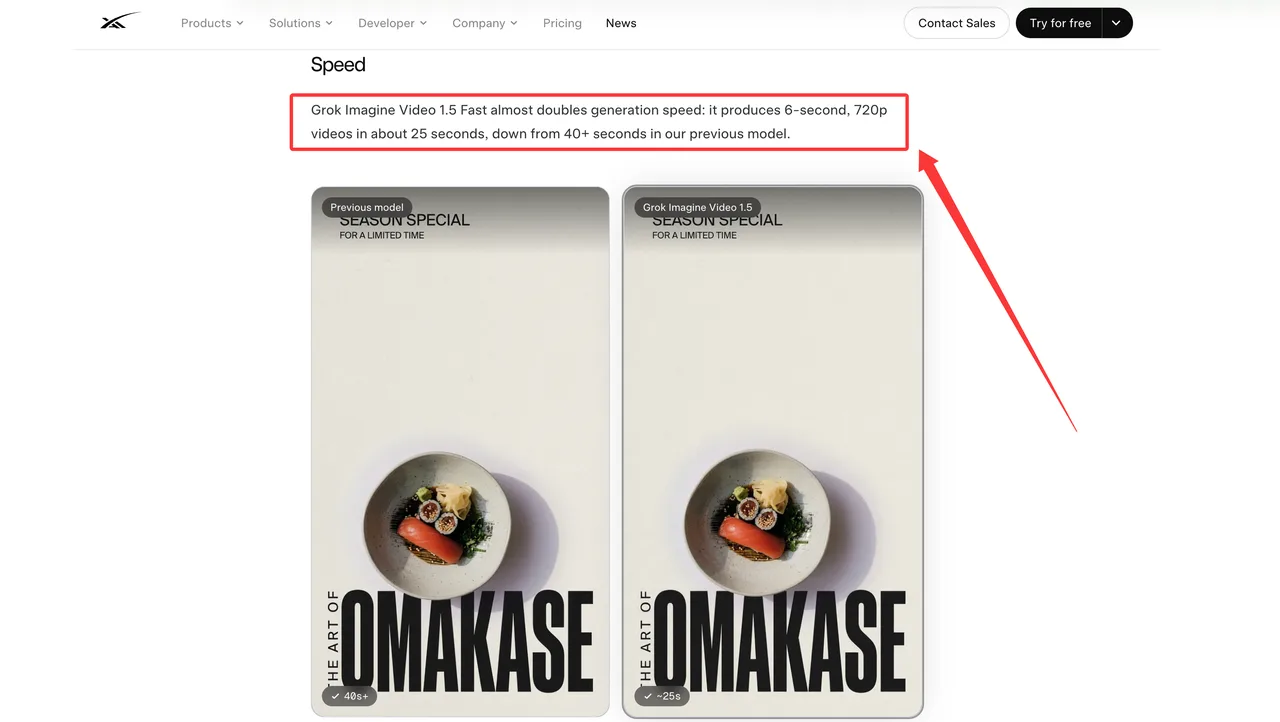
In its Video 1.5 launch post, xAI says the Fast route creates a six-second 720p clip in about 25 seconds, down from more than 40 seconds. The announcement places Fast in Grok products and grok-imagine-video-1.5 in the API. I would not transfer that latency to every API request without a matched run.
Where Video 1.5 fits a fast creative loop
The clearest fit is previsualization: animate a product still, portrait, storyboard frame, or campaign image, review it, then regenerate. Native audio puts dialogue, ambience, and effects into the rough clip.
The image-to-video documentation accepts a public URL, base64 data URI, or Files API ID. That supports a working asset pipeline. It does not prove identity stability or approval quality.
Where another workflow may be safer
Use motion graphics or 3D when exact logos, product geometry, frame timing, or camera paths are contractual. Real people also require consent, likeness approval, and frame-by-frame review. A generated clip can be the draft without becoming the master.
Test One Source Image
Use one owned 16:9 image of a barista pouring milk beside a chrome espresso machine. Keep her face, hands, branded apron, reflective cup, steam, and signage visible. One frame now tests identity, object permanence, fluid motion, reflections, and audio timing.
Lock the prompt, duration, and resolution
Run ten generations with grok-imagine-video-1.5, six seconds, 720p, 16:9, and audio enabled. Keep this prompt unchanged:
“Slow camera push-in. The barista pours one continuous milk stream, steam drifts right, then she says ‘Order twelve is ready.’ Keep her face, hands, apron logo, cup, counter, and sign unchanged. Add cafe ambience and one synchronized cup clink. No cuts.”
The schema documents no seed. Reproducibility means frozen inputs plus request IDs, timestamps, and returned model metadata, not identical pixels.
Measure motion, physics, audio, and identity stability

Grade each clip before seeing latency: 0 fails, 1 needs editing, 2 works as delivered.
| Check | Failure sample to retain |
|---|---|
| Motion | Camera jump, limb warp, unrequested cut |
| Physics | Broken pour, floating cup, impossible reflection |
| Identity | Face drift, extra fingers, changed logo |
| Audio | Missed clink, poor lip sync, distorted speech |
| Technical | Failed, expired, truncated, silent response |
Save every failed clip, first bad timestamp, prompt, request ID, and reviewer note. My observed-failure count is unknown because I could not execute the run. This is where my data ends.
Evaluate Production Fit
Latency, retries, and usable-output rate
Measure submit-to-done time. The xAI video API workflow is asynchronous: jobs become pending, done, expired, or failed, and completed videos use temporary URLs. Download accepted and failed outputs promptly.
Track median, P95, timeout rate, technical failures, and usable clips divided by paid attempts. Set the gate beforehand, perhaps eight usable clips from ten attempts. Report every retry. Grok Imagine speed matters only after review and regeneration time are counted.
API access and review workflow
Production needs polling, bounded retries, durable storage, moderation handling, and human approval. Store the source license, prompt, output, model metadata, and decision together.
Generated audio is enabled by default. generate_audio=false requests a silent video rather than disabling speech alone.
Limits and Trade-Offs
xAI claims require matched validation
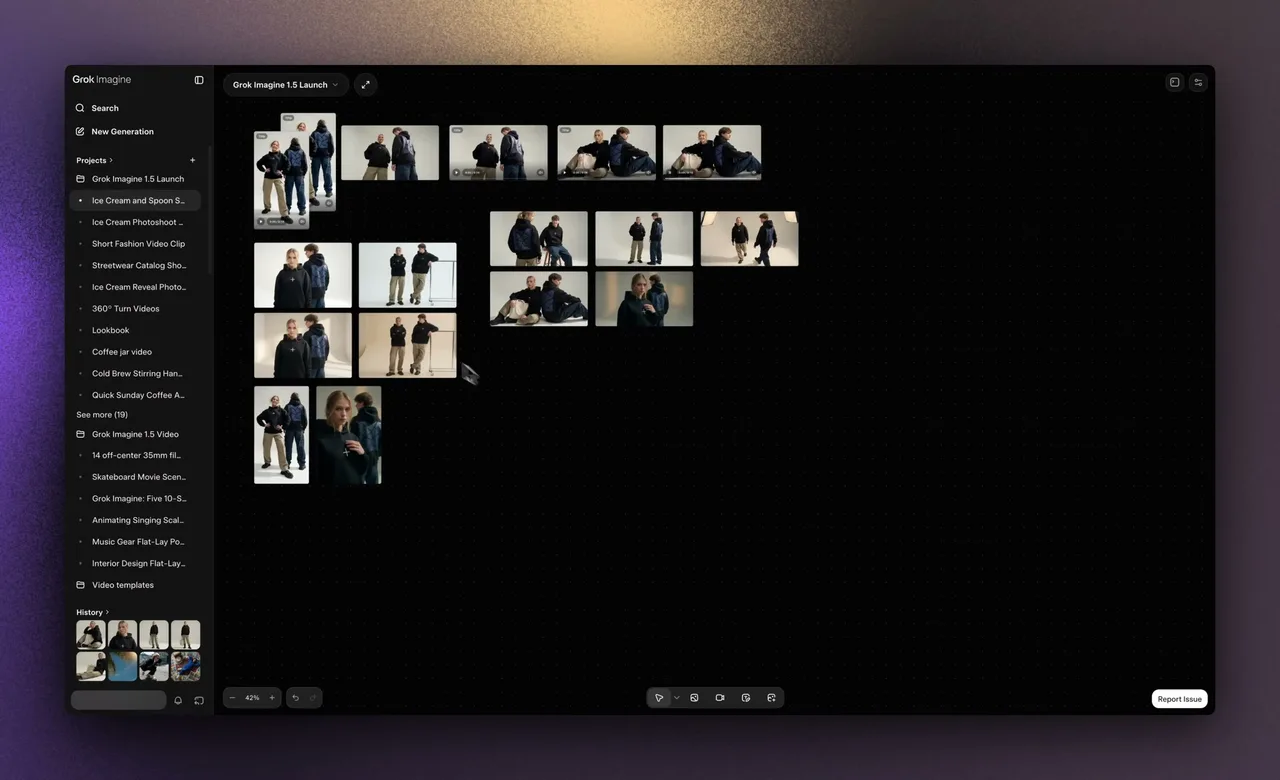
“Better motion,” “better physics,” and “better audio” compare Video 1.5 with xAI’s previous model. Validate with the same image, prompt, duration, resolution, route, and rubric. Comparing a Fast product demo with a 1080p API job proves little.
No independent matched result was available for this task. Launch examples belong in the test queue, not the acceptance record.
Short tests do not prove long-sequence consistency
A six-second pass says little about stitched scenes. Faces, props, lighting, and space can drift between clips even when each clip works alone. Test shot-to-shot continuity separately before approving this image-to-video model for narrative production.
FAQ
Can Video 1.5 generate from text without an image?
Yes. xAI’s release notes list text-to-video, image-to-video, and reference-to-video. T2V runs text-to-image and then I2V internally. T2V and I2V reach 1080p; reference-to-video stops at 720p.
Which audio input formats are supported?
No general upload formats are publicly listed. reference_audios accepts up to three preset voice_id values. Custom voice files are limited to trusted partners on request, with formats and limits undisclosed.
Can users disable generated speech?
Users can request silence with generate_audio=false. I found no documented control that removes speech while retaining ambience and effects. Omit dialogue or separate audio in post, then verify the output.
Are output videos visibly watermarked?
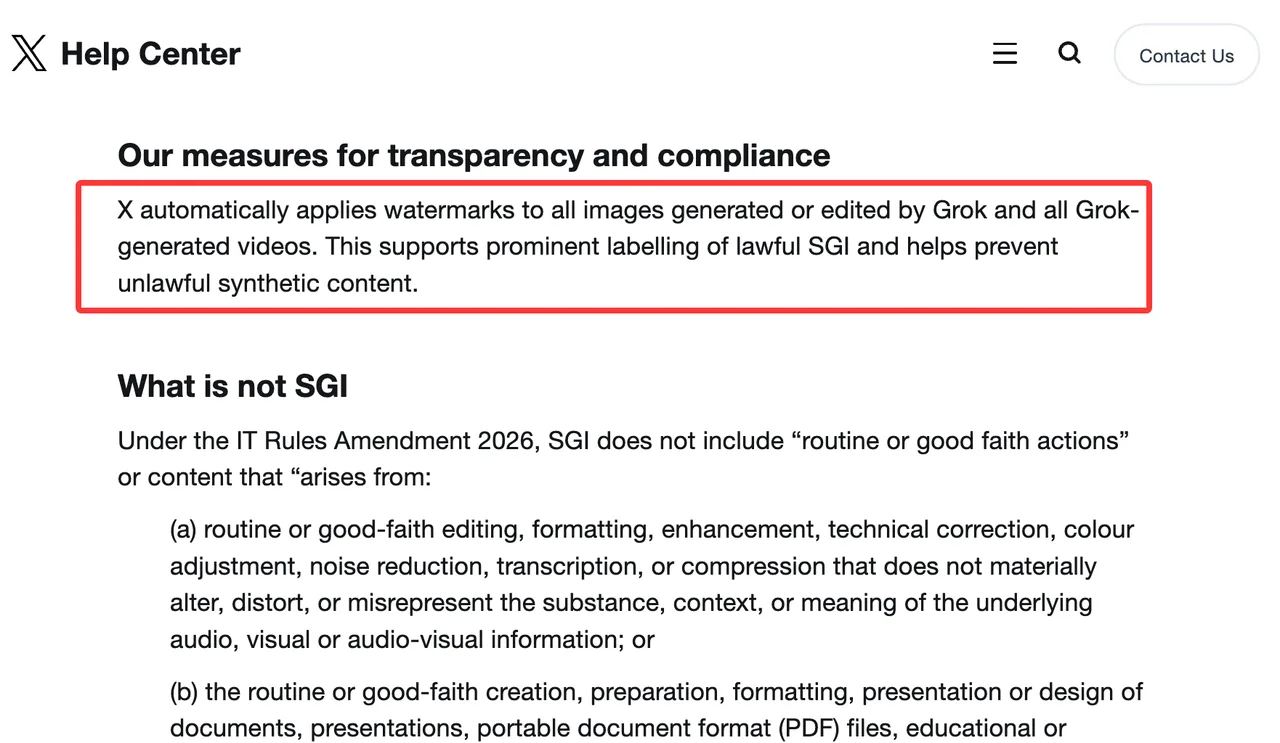
The API docs promise neither a visible watermark nor a clean MP4. X’s India synthetic-content policy says Grok-generated videos receive watermarks in that context, but it does not define raw Imagine API output. Inspect a production file and contract terms before publishing.
Does xAI publish model revision dates?
Partly. The model page exposes the dated alias grok-imagine-video-1.5-2026-05-30, and release notes date feature changes. xAI does not say every backend revision gets a public entry. Store the resolved model, fingerprint or version, date, and schema version.
Conclusion
This Grok Imagine Video 1.5 review supports a conditional yes for rapid I2V iteration. The API surface is clear, audio can reduce rough-cut work, and short clips fit a fast creative loop. Production approval still needs a matched ten-run test, retained failures, and usable-output rate after review. Fast generation is pleasant. Predictable acceptance pays the bill.
Previous posts:
/filters:quality(82)/media/images/660b4b48-6351-40cd-ba00-51322b7455f4.webp)
/filters:quality(82)/media/images/273bf240-30e3-4e6c-8ae4-e3346b487bc7.webp)
/filters:quality(82)/media/images/bb7ec772-f694-45f4-9a9a-c0e5fd2e7d60.webp)
/filters:quality(82)/media/images/444431ee-1387-4a40-81ad-866e095a7c75.webp)
/filters:quality(82)/media/images/81212eb5-4b43-4cc4-92f4-38a0c439d258.webp)
/filters:quality(82)/media/images/5f15570a-6a68-432e-a6f1-1dcbf799ba81.webp)