Kling 4.0 Pricing: What Does One Usable Clip Cost?
Kling 4.0 pricing for creator teams: check current plan or credit terms and estimate the cost of one approved product clip after retries.
A product team can approve one clip and reject the next two, even when all three generations complete. That is where a creator budget starts to drift. For Kling 4.0 pricing, the useful question is how much the team spends before it has a clip it can deliver.
Kling’s public policies explain how memberships and credits work. They do not publish one universal credit charge for every Kling 4.0 setup. The team needs to check its account’s current plan and generation screen, then count the drafts that survive review.
Which Kling 4.0 Purchase Route Fits a Creator Team?
A solo operator can compare a personal membership with purchased credits; a team whose members need separate accounts should examine Team Membership. Kling’s paid-service terms say team plans are charged per seat, per month. Sharing one personal login is a poor substitute for an accountable production workflow and may conflict with the account terms.
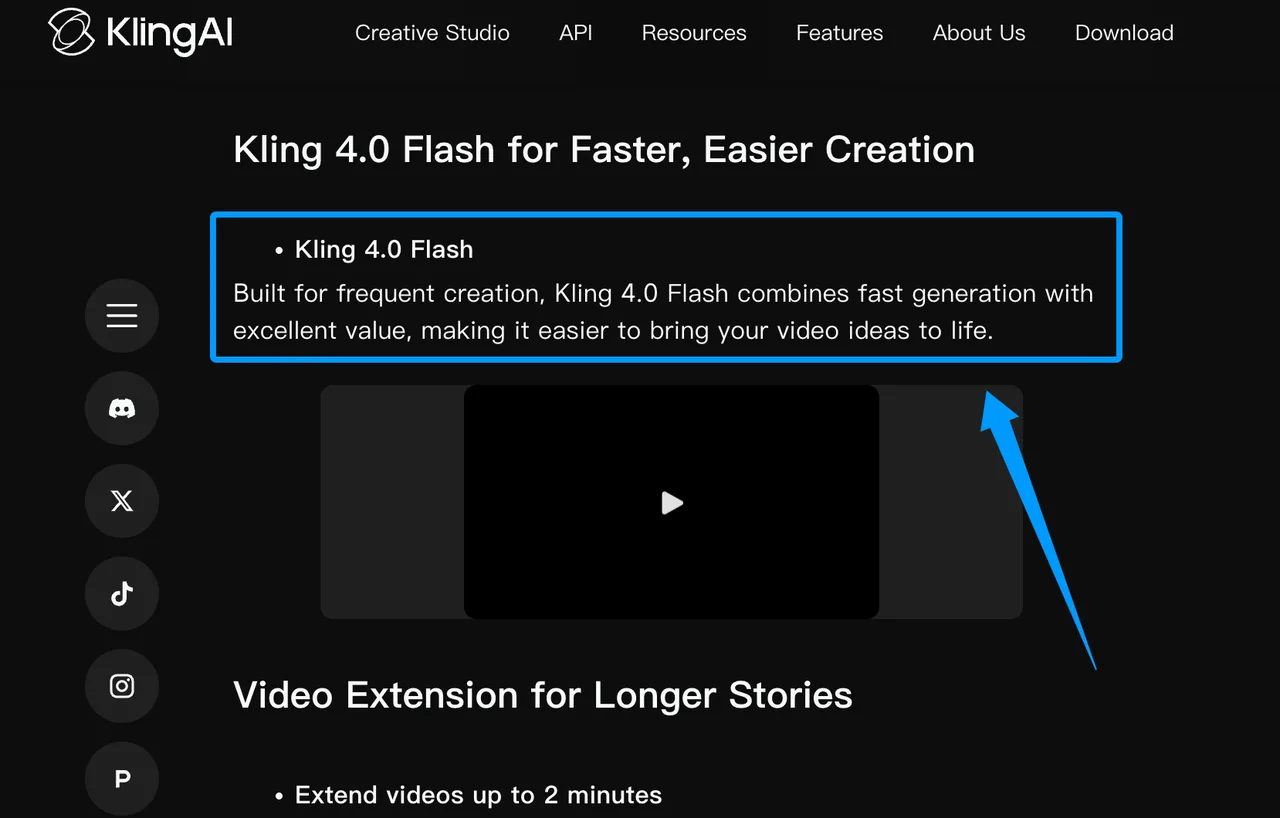
Check model access before comparing plan prices. Kling’s 4.0 announcement describes Flash as a lighter option, but that does not establish access for every account.
Open the purchase screen in the region and account the team will use. Confirm 4.0 and Flash availability, included credits, seats, currency, renewal price, taxes, and any payment handling fee.
As of October 23, 2026, the official public pages reviewed did not provide a complete, account-independent Kling 4.0 subscription cost and 4.0/Flash credit schedule.
How Are Credits or Charges Applied to One Clip?
Kling’s Credits Policy says credits are deducted when a generation starts, with the charge governed by the amount shown in the interface. If the generation fails, those credits are returned. A completed clip that fails your product review is different: the published failure rule does not promise a refund for a result you cannot use.
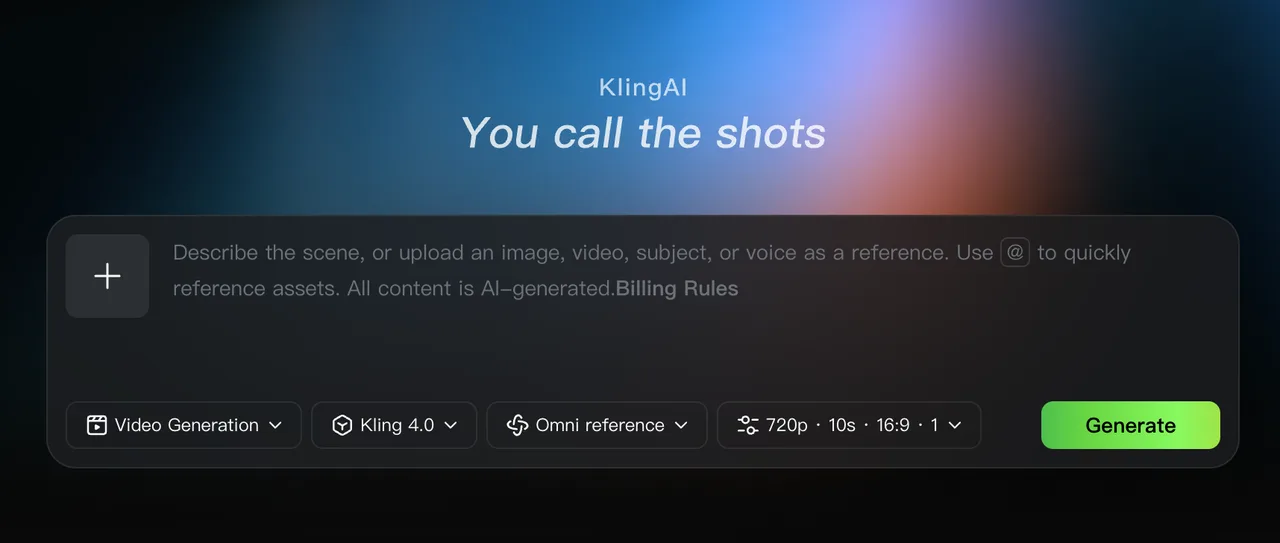
The policy gives a standard purchase reference of US$1 for 66 credits, while promotions and the payment screen can change the amount received. That ratio does not reveal the cost of a Kling 4.0 clip. Record the displayed charge for the exact model, duration, resolution, and selected options before submitting. Do the same for Flash; do not assume its charge from its name.
Estimate the Cost of a Usable Product Clip
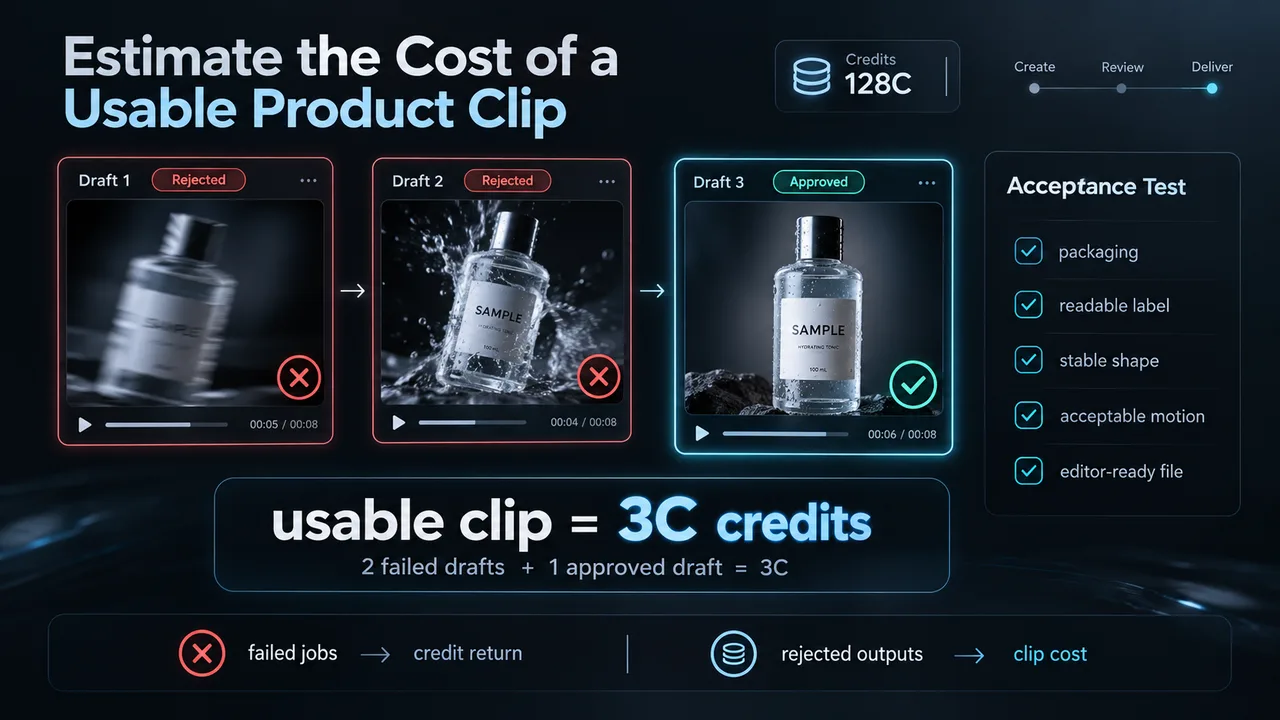
First Draft and Expected Retries
Set the acceptance test before generating: correct packaging, readable label, stable product shape, acceptable motion, and a file the editor can use. Otherwise, the team keeps paying for drafts against a moving brief.
Let C be the displayed credit charge for one fixed setup. If two completed drafts fail review and the third passes, that usable clip costs 3C credits. This is an arithmetic example, not a published Kling rate or predicted success rate. For mixed settings, add the actual credits deducted from completed attempts and divide by approved clips.
Track failed jobs separately from rejected outputs. The first should receive a credit return under Kling’s policy; the second belongs in the Kling 4.0 clip cost. Cheap does not always mean cost-saving. Unusable generations are expensive.
Plan Limits and Unused Balance
Keep two figures on the budget sheet: credits consumed per approved clip and cash paid during the billing period. The latter includes the membership, top-ups, and any checkout fees or tax. Show the remaining credit balance beside it. Dividing a month’s entire payment by that month’s approvals can make a quiet month look costly when purchased credits remain available.
Expiry changes the calculation. Kling says regular monthly membership credits last one month from distribution, while purchased credits last two years; credits with the shortest remaining validity are used first. Check promotional credits separately. One person can remember the expiry dates. A team cannot.
What Should the Team Check Before Paying?
Confirm the purchase in the intended account. The current membership purchase page and checkout should answer questions a public headline cannot: which model the plan unlocks, what a configured generation costs, and what the team will actually be charged.
Save a dated record of the plan and seat count; 4.0 and Flash access; displayed generation charges; checkout currency, tax, and fees; renewal and auto-recharge settings; and credit expiry. Then run a small sample against one agreed product-clip acceptance rule. Record completed attempts, failed jobs, returned credits, approved clips, and reviewer time. That gives the next Kling 4.0 creator budget an actual denominator.
FAQ
Can multiple team members share one Kling 4.0 creator plan?
Do not assume a personal account may be shared. Kling offers Team Membership seats, and its Terms of Paid Service explain team credit allocation and account restrictions. Confirm the required seats and permissions before purchase.
Can a creator team obtain an invoice for Kling 4.0 credit purchases?
The official terms identify a purchase-records area, but the public pages reviewed do not clearly promise a downloadable tax invoice for every credit purchase. Ask Kling support about the required invoice format before procurement approves payment.
Is the cost shown before Kling 4.0 creator app generation?
Kling makes the credit deduction subject to the amount displayed in the interface. Check that figure with the final settings selected, and capture it for the job record; the public policy does not supply a fixed charge for every 4.0 setup.
Are failed creator app jobs refunded under the current terms?
Kling says credits deducted for a failed generation are returned. It does not say that a completed but unusable clip receives the same treatment, or that a credit return refunds the original cash purchase.
Does commercial use change the applicable Kling 4.0 plan?
Kling describes commercial-use rights as a membership benefit, with stated limits. Verify the current plan terms and obtain permission for client images, packaging, logos, and other source material. This is general information, not legal advice.
For the next product brief, lock the shot requirements and record the displayed charge before the first draft. Judge Kling 4.0 pricing by approved clips and expiring balance, not by the cheapest-looking first generation.
Previous posts: