Kling 4.0 vs Hailuo 2.3 for Image-to-Video Ads
Kling 4.0 vs Hailuo 2.3 for one image-to-video product ad: compare the same brief, output checks, and cost per usable clip.
A product clip can have graceful motion and still be unusable: the label changes halfway through, or the final crop leaves no room for a caption. That is the test behind this Kling 4.0 vs Hailuo 2.3 comparison.
The two routes here are Kling 4.0 image-to-video and Hailuo 2.3 I2V Standard. I have checked their listed settings and prices as of October 23, 2026, but have no same-input output set. This is a way to run the comparison, not a verdict on which model looks better.
Which Model Fits a Single Product Image-to-Video Ad?
Neither model can be chosen on specifications alone. Kling’s selected route offers more shot controls and duration choices; Hailuo Standard lists a lower price for a six-second attempt. The better fit is the one that produces more clips the team can actually approve from the same product brief.
Use one authorized portrait packshot, one motion instruction, and one six-second target. That keeps the question narrow enough to answer.
Compare Both Models on the Same Product Brief
The brief: a front-facing bottle stays upright while the camera slowly moves closer. Light crosses the package, and the shot ends with its approved label visible. No new product angle, invented claim, or scene change is needed.
Submit the same source image and motion description to both routes. Keep prompt expansion off where that control is available, or record that it was on; otherwise, the two jobs may not receive equivalent instructions.
Accepted Inputs and Shot Length
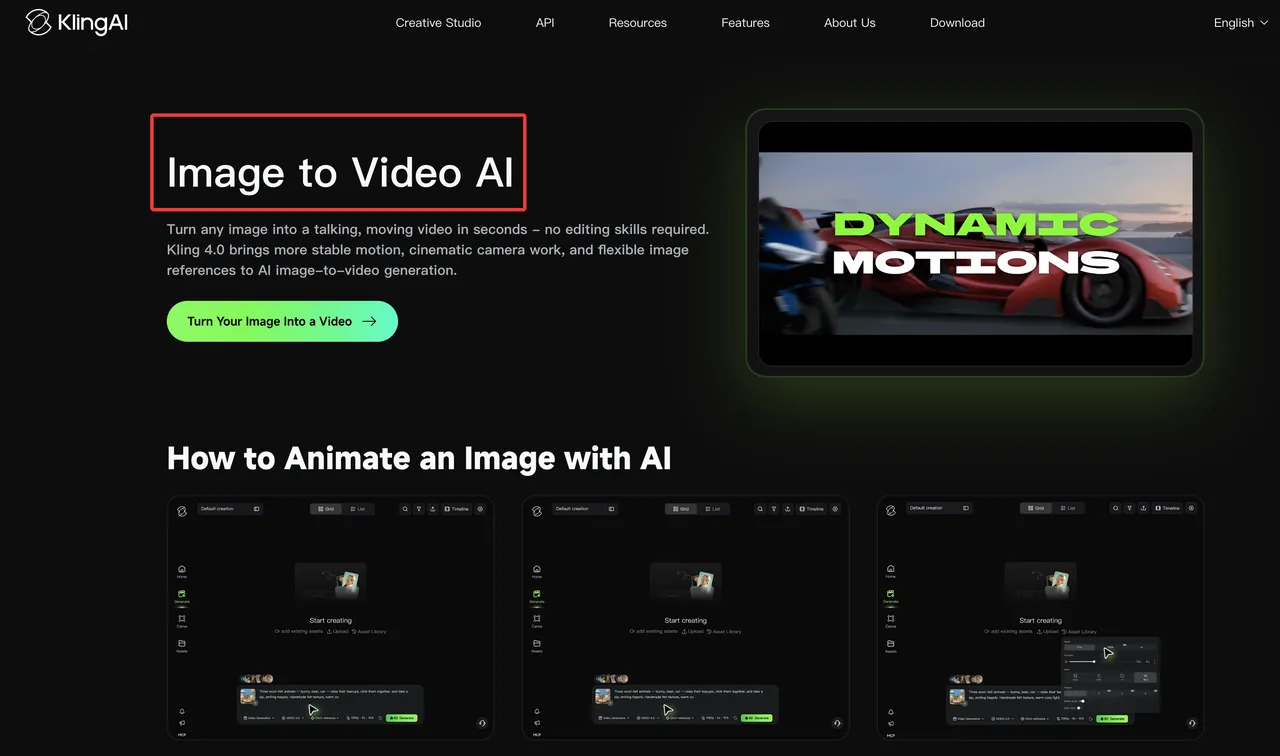
Kling’s selected route accepts JPG or PNG as its first frame, with an optional last frame and intermediate keyframes. It lists 3–30 seconds at 720p or 1080p. Its 9:16 setting is explicit. The broader Kling 4.0 guide describes additional platform capabilities, which should not be assumed available on this route.
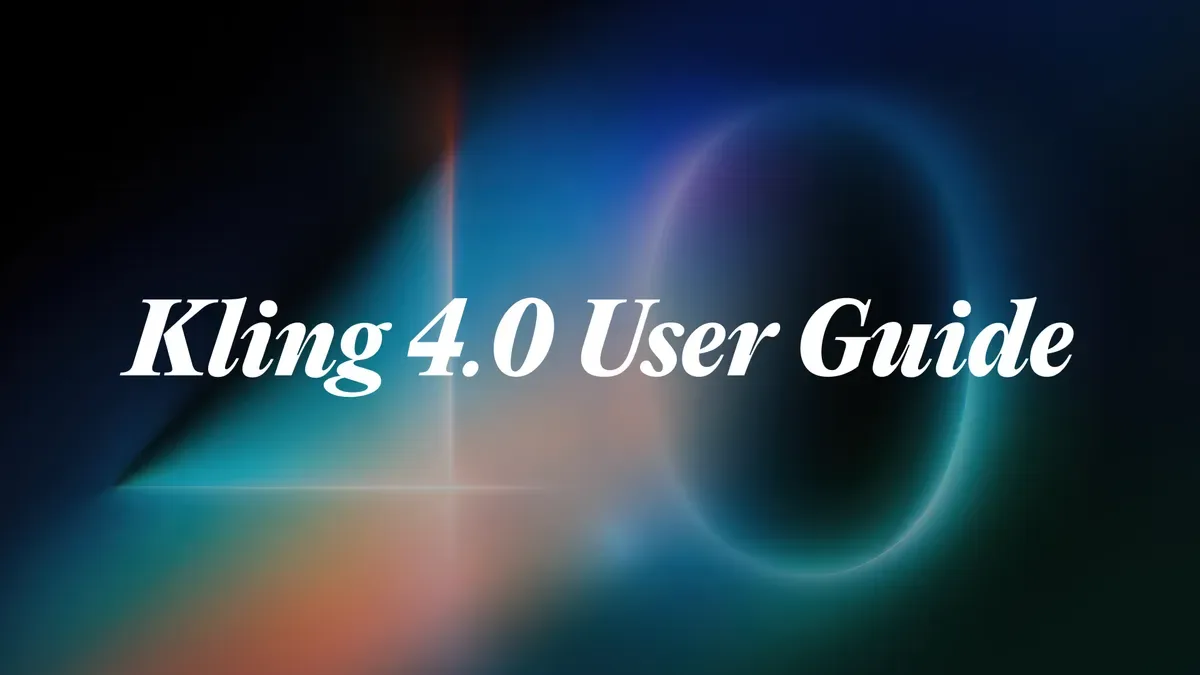
Hailuo 2.3 I2V Standard takes one JPEG or PNG and an optional motion prompt. Its listed choices are six or ten seconds at 768p. MiniMax’s Hailuo 2.3 API documentation describes configurations beyond this selected route; those options do not change the Standard route’s published controls.
Six seconds is the shared test length. Resolution cannot be matched exactly: the closest listed settings are Kling at 720p and Hailuo Standard at 768p. Record that difference beside the outputs.
Product Fidelity in a Usable Output
Review each clip against the approved packshot at the opening, midpoint, and end, then watch it without pausing. Does the cap retain its shape? Does the label stay legible through the light change? Is the bottle still centered when the camera finishes moving? Reject a clip if it invents package details or changes a claim.
MiniMax describes improved response to object-motion instructions in its Hailuo 2.3 announcement. That is a provider claim, not evidence that this bottle will survive the test. The same rule applies to Kling’s published consistency claims. Save the clips and review decisions before drawing a quality conclusion.
Cost per Accepted Clip
The selected listings showed $0.942 for a six-second Kling attempt at 720p ($0.157 per generated second) and $0.28 for a six-second Hailuo Standard attempt at 768p. Check the live charge before submitting; these figures can change.
The useful figure comes later: total generation spend divided by approved clips. For example, four Hailuo attempts at the listed price cost $1.12. If only one passes while one Kling attempt passes at $0.942, Kling costs less for that approved shot despite its higher attempt price. That is arithmetic, not an observed pass rate. Include review and editing time if the team is choosing a production route.
Where Does Each Model Need a Fallback?
Kling needs a fallback when extra control and higher spend still fail to keep the pack accurate. A last frame can guide an ending, but the exported ending must still be checked. Hailuo Standard needs a fallback when the single reference cannot hold the product or when its exported crop misses the ad format.
For exact labels, prices, and claims, a controlled animation of the approved photograph or a filmed insert may be faster than another generation. Put ad copy in the edit, where someone can proofread it. A beautiful clip does not earn an exception for a wrong package.
Choose a Model for This One Ad Workflow
Choose after reviewing matched attempts. Kling is the more practical first trial if this shot requires an explicit vertical setting, a guided end frame, or a length outside Hailuo Standard’s six- and ten-second choices. Hailuo Standard is a reasonable first trial for a simple six-second movement when the lower attempt price matters and its export passes the required crop check.
Neither condition predicts the approval rate. Keep the input, settings, job ID, charge, output, and rejection reason for every attempt. That record turns a model preference into a decision the next campaign can reuse.
FAQ
Do both selected routes offer safety controls for branded product assets?
Both route interfaces show a safety-check control. Hailuo Standard also describes a safety check activated with prompt expansion. The published information does not establish identical checks across the two routes. Content screening does not verify ownership of a photograph, logo, or package design.
Do both routes support a vertical ad output at the chosen settings?
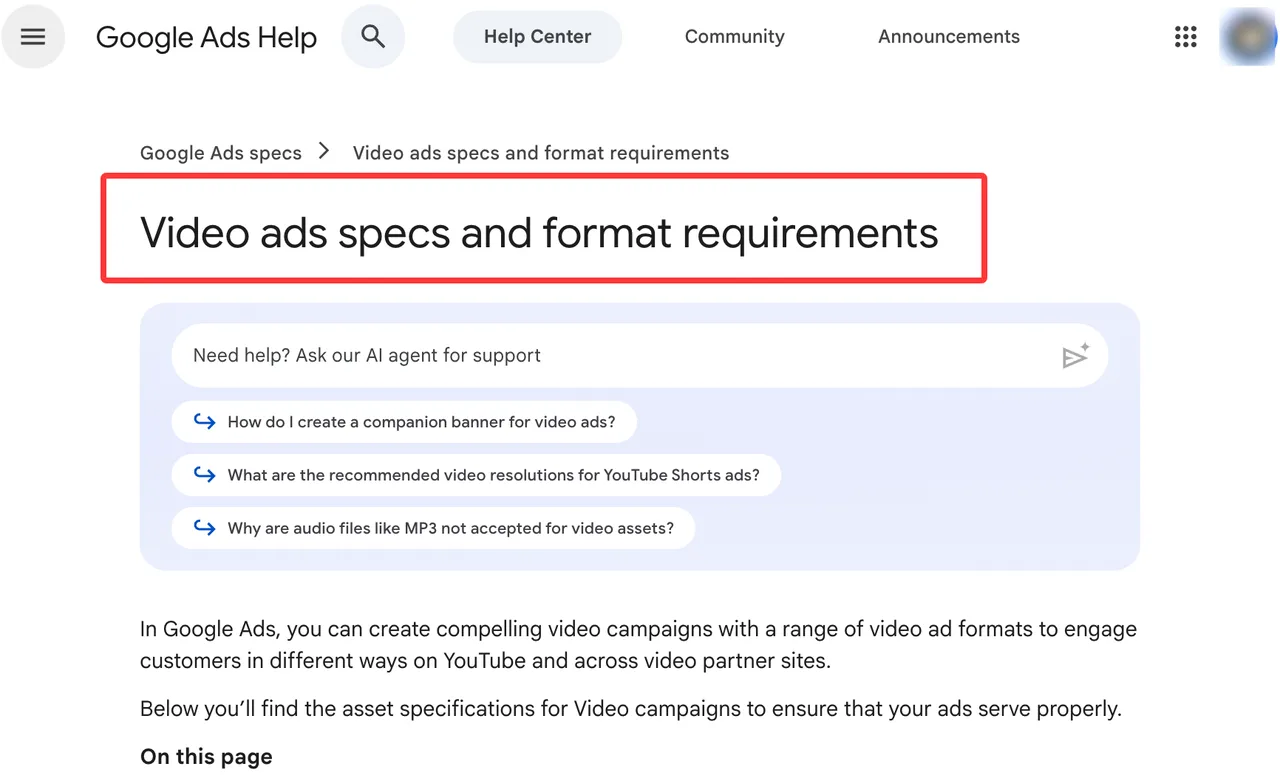
Kling’s selected route lists 9:16. The Hailuo Standard listing does not disclose an aspect-ratio control or guarantee a vertical export from a portrait input. Inspect its actual output before counting it as an accepted vertical ad. Google’s video ad specifications show why the delivery format needs its own check.
Can both routes return job-status details for an automated approval queue?
Yes. Both documented request flows return a job ID and allow status checks through completion or failure. Neither status means “creative approved.” The team must add its own review decision after retrieving the video.
Are native audio options identical on the two selected routes?
No identical option is documented. Kling’s route describes generated stereo audio, consistent with its official model specifications. The Hailuo Standard listing does not specify an equivalent audio control. Review the downloaded files and plan the final ad mix separately.
Can one API credential call both selected routes?
Yes. Both selected route examples use the same account’s bearer credential. Each job still has its own model settings, charge, status, and output; a shared credential does not make those parts interchangeable.
Previous posts: