
Kling 4.0 Release Date: What Can You Access Now?
Kling 4.0 release date and access status: separate Flash early access from the planned wider launch, and see what video teams can verify now.
The Kling homepage displays Kling 4.0, but the complete model is not generally available. As of October 1, 2026, Kling’s official LinkedIn update says Flash is live for Ultra Yearly subscribers, while the full model and API are expected in October. That is a target window, not a guaranteed launch date.
For a production team, the practical Kling 4.0 release date is when the required model, controls, credits, and delivery route appear in its account. I have not run an authorized matched test, so this is an evidence review, not a hands-on verdict.
When Is Kling 4.0 Expected to Reach More Users?
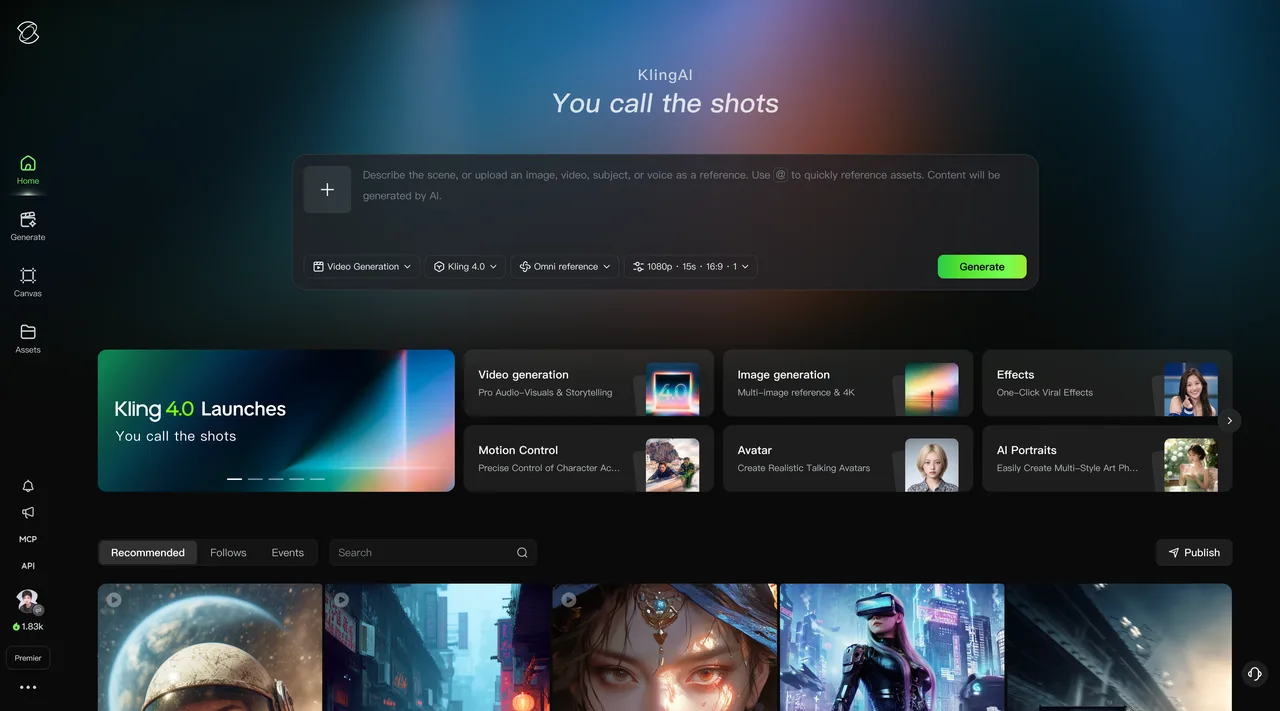
October 2026 is the stated window for wider access, but Kling has not published a guaranteed day. The Kling AI 4.0 release is staged: Flash early access began September 28, while the full model and API remain pending.
Kling’s public 4.0 materials make the Flash/full-model distinction explicit. The earlier Kling 3.0 announcement also moved from subscriber early access toward wider availability. That is a useful pattern, not evidence that 4.0 will copy 3.0 timing, limits, inputs, plans, or API behavior.
What Can You Access Before the Wider Release?
You can access only what your account exposes. A homepage card or third-party listing does not prove production availability.
Kling 4.0 Flash Early Access
Flash is confirmed for Ultra Yearly subscribers. The release record lists text-to-video, image-to-video, and Omni Reference support, with 3-to-20-second, 720p, 8-bit SDR output. Check eligibility, credit charges, queue behavior, and generation controls in the interface.
What is Kling 4.0 here? It is the announced full system; Flash is a limited variant, not proof that every capability is available. A separate Flash test should use one fixed scene and record inputs, settings, time, reruns, failures, and approved-output rate.
The Full Kling 4.0 Model and API
The full model and official API are not confirmed as broadly available. Developer material presents 4.0 as a preview, while the announcement gives only an October window. I could not verify a public v4 schema or Kling 4.0 endpoint in WaveSpeed’s model directory on October 1.
Do not build against guessed model IDs, parameters, callbacks, or prices. API setup belongs in a separate guide once official documentation exists.
Which Announced Changes Matter to Video Teams?
The announced changes could reduce stitching and handoffs, but specifications do not guarantee usable footage. Kling’s official 4.0 overview describes generation up to 30 seconds, 10 keyframes, up to 15 reference assets, stereo audio, more precise lip synchronization, multilingual on-screen text, and 4K and 21:9 options. Availability may vary during rollout, and 10-bit HDR at 1080p or 4K is marked as coming soon.
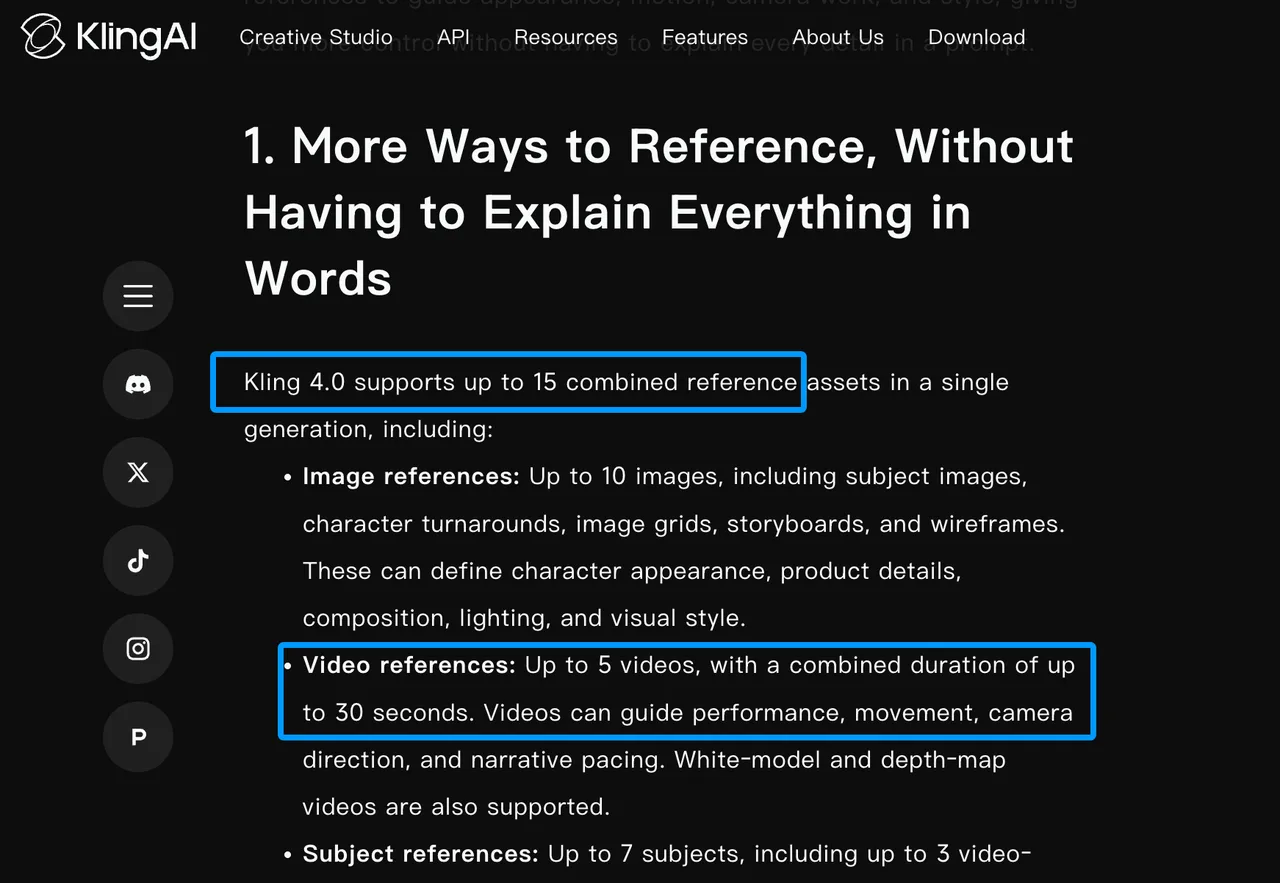
Teams researching Kling AI 4.0 release date features should separate announced capabilities from Flash controls. Longer clips and more references may simplify storyboards, but create more places for identity, motion, dialogue, and continuity to drift. A good output does not mean the workflow is ready.
Do not switch models yet. Look at the workflow first. Compare Kling AI 4.0 with 3.0 only when both are selectable for the same authorized brief. Hold prompt, references, duration, and acceptance criteria constant; record usable clips, reruns, review time, generation time, and cost per approved clip. Without those records, neither version has won.
How Should Builders Prepare for the Rollout?
Prepare a versioned test pack, but wait for documented access before changing production. Save one prompt, licensed references, target duration, audio requirements, and pass/fail criteria. Record the date, account tier, model name, settings, credit charge, output metadata, failures, and reruns.
My release gate is simple: the model must appear in the intended account, its cost must be visible, and one matched sample must pass the team’s acceptance check. If any item is missing, keep 3.0, record the blocker, and review the rollout again after the next official update notice.
For API work, require an official model ID, schema, rate limits, pricing, webhook behavior, retention rules, and migration policy. The Kling 4.0 AI rollout may reach web, mobile, official API, and third-party platforms on different schedules.
Commercial use needs a release-day check. Kling’s User Policy says users retain applicable rights in content, but also includes commercial-use restrictions without written permission, labeling obligations, and input-rights responsibilities. Confirm the terms attached to your plan and early-access interface. This is general information, not legal advice.
FAQ
Will Kling Video 3.0 remain selectable after the 4.0 rollout?
It is not confirmed. I did not find a published 3.0 retirement date in the official materials reviewed, and current availability does not guarantee model pinning. Save model identifiers and watch official release records.
Can existing Kling credits be used for 4.0 generations?
The current Credits Policy does not specify 4.0 credit eligibility for wider release. Check the interface’s credit quote before a batch; do not infer 4.0 billing from 3.0.
Will 4.0 launch in the web and mobile apps at the same time?
The October statement does not give a web or mobile channel schedule, so verify each required client independently.
Does Kling publish a versioned changelog for 4.0 updates?
Not in the form production teams need. Kling has release records, but I could not verify a granular, versioned API changelog for every 4.0 update.
Are early-access outputs covered by the same commercial-use terms as general-release outputs?
That is not explicitly confirmed. I found no separate Flash commercial-use policy, but that does not prove identical rights. Recheck the policy, paid-service terms, plan conditions, and in-product notices; obtain legal advice for material use.
Conclusion
The defensible Kling 4.0 release date remains an October 2026 target, not a promised day. Flash gives eligible Ultra Yearly users a limited path now; the full model and API require confirmation in each production channel. Prepare the matched test, but migrate only from documented access and usable-output evidence.
Update statement: The full Kling 4.0 model is still awaiting broader release as of October 1, 2026. Access conditions, specifications, pricing, credits, and API availability may change.
Previous posts:
/filters:quality(82)/media/images/1790849370111158730_PwWhA3tW.webp)
/filters:quality(82)/media/images/1790848844523023001_D5foyHQZ.webp)
/filters:quality(82)/media/images/1790849835318146022_z3cmuCLV.webp)
/filters:quality(82)/media/images/1790849168142985030_sITbxScI.webp)
/filters:quality(82)/media/images/1790757954084144412_1AJT2bku.webp)
/filters:quality(82)/media/images/1790757509548436753_yzIR19zJ.webp)