
Kling 4.0 Flash: Who Can Access Early Testing?
Kling 4.0 Flash early access is limited. Check account eligibility, a focused video test, and what its results cannot yet prove for production.

If this landed on my production desk, I would stop the migration discussion. One operator seeing a Flash banner does not mean the rest of the team can use the model.
I’m John. I have not run a verified Flash batch, so there is no speed result or quality winner here. The job at this stage is to confirm the access boundary and define a repeatable test. A good single output does not mean the production workflow is ready.
Who Can Access Kling 4.0 Flash Now?
The published answer is Ultra annual subscribers. The operating answer is stricter: the account must show the model.
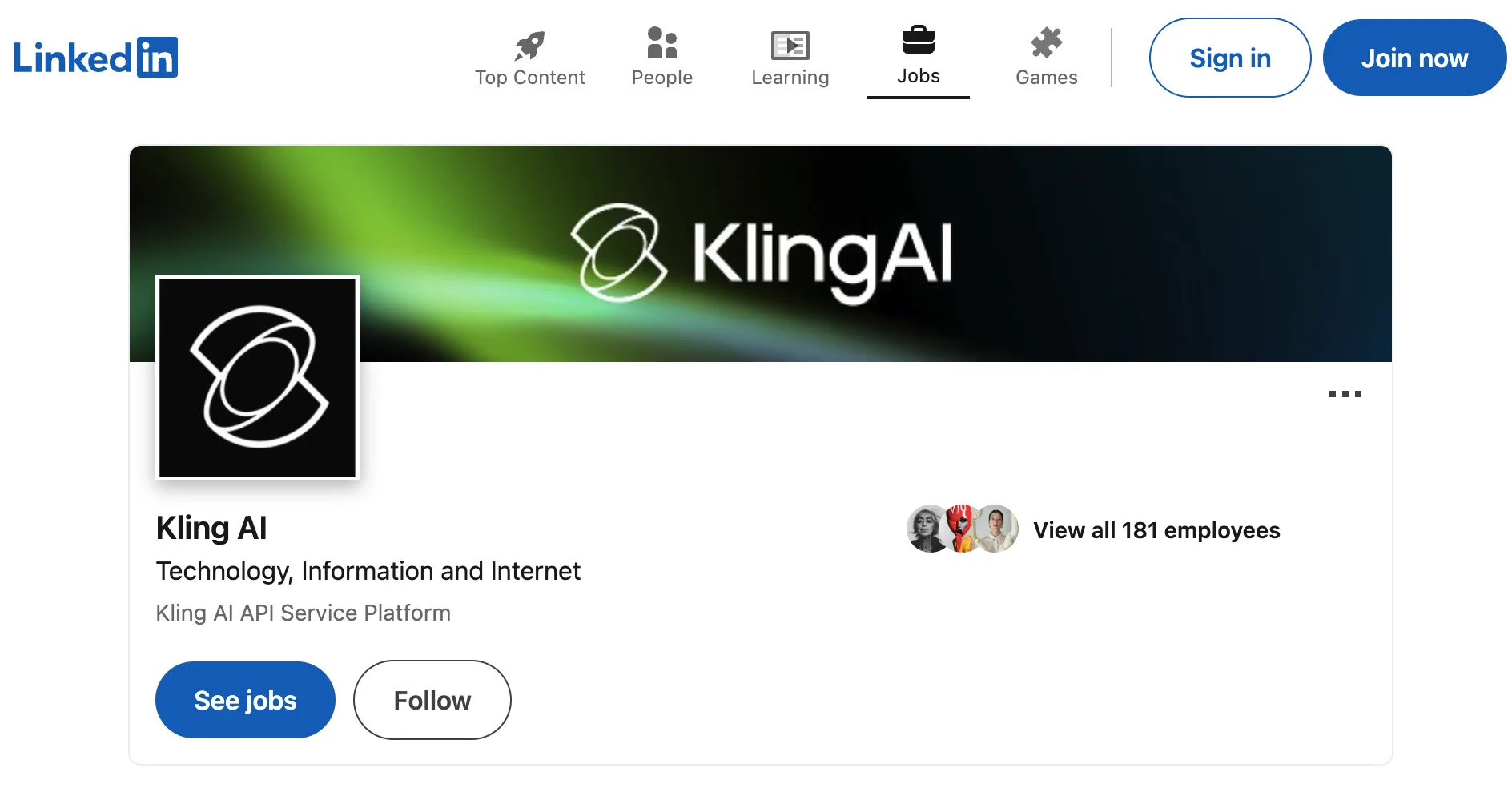
Kling’s official LinkedIn update says Flash is live for Ultra Yearly subscribers. The creation-page banner shown in the account screenshot uses the same condition.
The official Kling 4.0 release note says early access began on September 28 for “a limited group of users.” I read that as a staged rollout. The subscription makes an account eligible; seeing Flash in the selector confirms access.
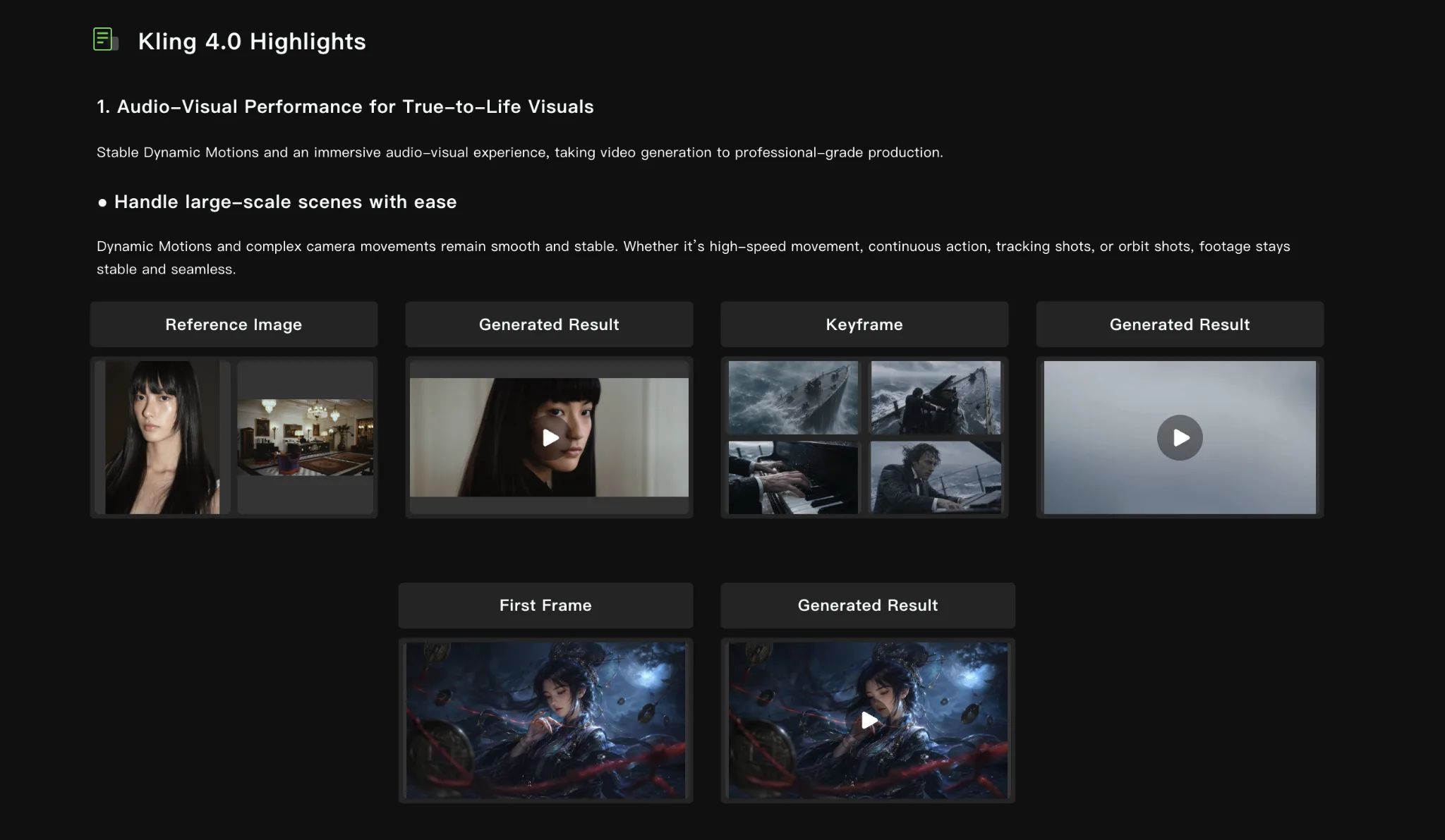
What is Kling 4.0 Flash? Kling positions it as the faster, value-oriented member of the 4.0 lineup. Its table lists text-to-video, image-to-video, Omni Reference, 3–20-second clips, 720p output, and 8-bit SDR.
For anyone checking the Kling 4.0 Flash release date, September 28 is the early-access date. The full model and API access are due in October, but Kling has not published an exact day.
How Can You Check Whether Flash Appears in Your Account?
Open the account and check four items:
- The subscription page says Ultra annual.
- The early-access banner is present.
- Flash appears in the video model selector.
- The page shows its settings and credit charge.
Save a dated screenshot. “It was there yesterday” is not a production record.
I separate access into three surfaces: Kling’s web app, Kling’s official API, and WaveSpeed’s API. Availability on one proves nothing about the other two.
The current WaveSpeed model directory lists Kling 3.0 and Kling O3 endpoints, but no Flash endpoint. Until an endpoint has a schema and callable URL, treat Flash as a web-only early-access option.
What Should a First Flash Video Test Measure?
Do not switch models yet. Look at the workflow first.
I would use one repeatable scene: a five-second, 16:9, 720p shot of a red ceramic mug on a wooden table. One hand enters from the right, lifts the mug once, and the camera makes a slow push-in.

Lock the prompt, input image if used, duration, aspect ratio, and output count. Do not begin with client footage or a full batch. This needs a sample run.
Prompt Adherence on One Repeatable Scene
Score each clip against six checks: correct mug color, correct table, hand enters from the right, one lift, slow push-in, and no extra subject.
“Looks good” is not useful feedback. Record the failed instruction so another operator can understand the problem.
A Kling 4.0 Flash vs Kling 3.0 comparison should use identical inputs and matched controls. If a setting cannot be matched, mark that row incomparable. Changing one prompt creates two different tests.
Generation Time and Usable-Output Rate
Measure from submission to completed output. Record queue time separately when visible.
Usable-output rate is the number of clips passing every locked check divided by completed clips. Failed jobs, refunded credits, reruns, and review time belong in separate fields.
Speed matters, but stable speed matters more. I want to know whether repeated runs finish within a workable range and survive review. One fast generation does not answer that question.
What Can Early Access Not Establish Yet?
I can confirm the published eligibility and specifications. Early access cannot establish long-run uptime, concurrent team use, stable pricing, final credit consumption, or production API behavior. Without matched outputs, it cannot establish that Flash beats 3.0.
Do not copy full 4.0 specifications onto Flash. Flash currently lists 720p, 8-bit SDR, and a 20-second maximum. The full model’s 4K, 10-bit HDR, and 30-second specifications do not apply to Flash.
Commercial use is another boundary. The current Kling AI Terms of Service include written-permission language for commercial use and output-labeling requirements. Confirm the applicable terms and authorization before client delivery. This is not legal advice.
When Should a Team Wait for Wider Access?
Wait if delivery depends on API automation, several operators, 1080p or 4K output, confirmed commercial rights, predictable costs, or recoverable settings.
Waiting also makes sense when Kling 3.0 already delivers reliably. Migration means retesting prompts, review rules, costs, and approval samples. A better generation can still produce a more expensive workflow.
My threshold is simple: the model must shorten the production path. If a sample cannot show a higher usable-output rate, shorter turnaround, or less rework, keep the existing workflow and test Flash separately.
FAQ
Can a Flash early-access user invite a teammate to view the same project?
Not automatically. Personal and Team Spaces are separate, and benefits or credits do not transfer between them. Verify the project location and teammate access before review.
Are Flash outputs subject to separate commercial-use terms?
No Flash-only terms were found in the early-access materials as of September 29. The general Kling terms still apply. Recheck them before paid delivery.
Would any Flash-specific credits carry over to the full 4.0 release?
This is unconfirmed. The Kling Credits Policy assigns different validity periods to purchased, subscription, and promotional credits. It does not promise Flash-specific carryover.
Can Flash clips be reopened with the original generation settings?
This is unconfirmed. Kling does not guarantee that every original parameter will remain editable. Save the prompt, inputs, settings, and date outside the project.
Does Kling provide provenance metadata with Flash video exports?
Kling says generated media contains invisible watermarking and metadata, but no Flash-specific export schema is published. Inspect the file before relying on that metadata.
Early-access eligibility, pricing, credits, settings, and Kling 4.0 Flash specifications may change. Recheck the account, release note, API status, and terms before committing production work. The access stage is confirmed. The workflow still needs pressure-testing.
Previous posts:
/filters:quality(82)/media/images/1790673203845090867_ZwbkuCLU.webp)
/filters:quality(82)/media/images/1790674052777090724_VkQ0airA.webp)
/filters:quality(82)/media/images/1790673621210536798_7KpzHQZ8.webp)
/filters:quality(82)/media/images/1790674802528777336_lzVsEXlH.webp)
/filters:quality(82)/media/images/1790675047405706000_iR5fnwFP.webp)
/filters:quality(82)/media/images/1790589731632080935_0wwFPY8h.webp)