
TrueForge vs Claude Managed Agents: Runtime Choice
TrueForge vs Claude Managed Agents compared for runtime control, operations, session design, sandbox ownership, and model portability.
A long-task agent can spend forty minutes joining CRM records, project issues, and internal documents, then fail on its final tool call. Model quality is no longer the first question. Ownership is. In TrueForge vs Claude Managed Agents, the decision is whether your team wants to operate the runtime or pay Anthropic to carry most of that burden.
This comparison uses one workload: an asynchronous internal-operations agent that calls three MCP systems and produces an auditable report. The decision comes down to operations, session and sandbox design, and portability.
Quick Verdict by Runtime Ownership
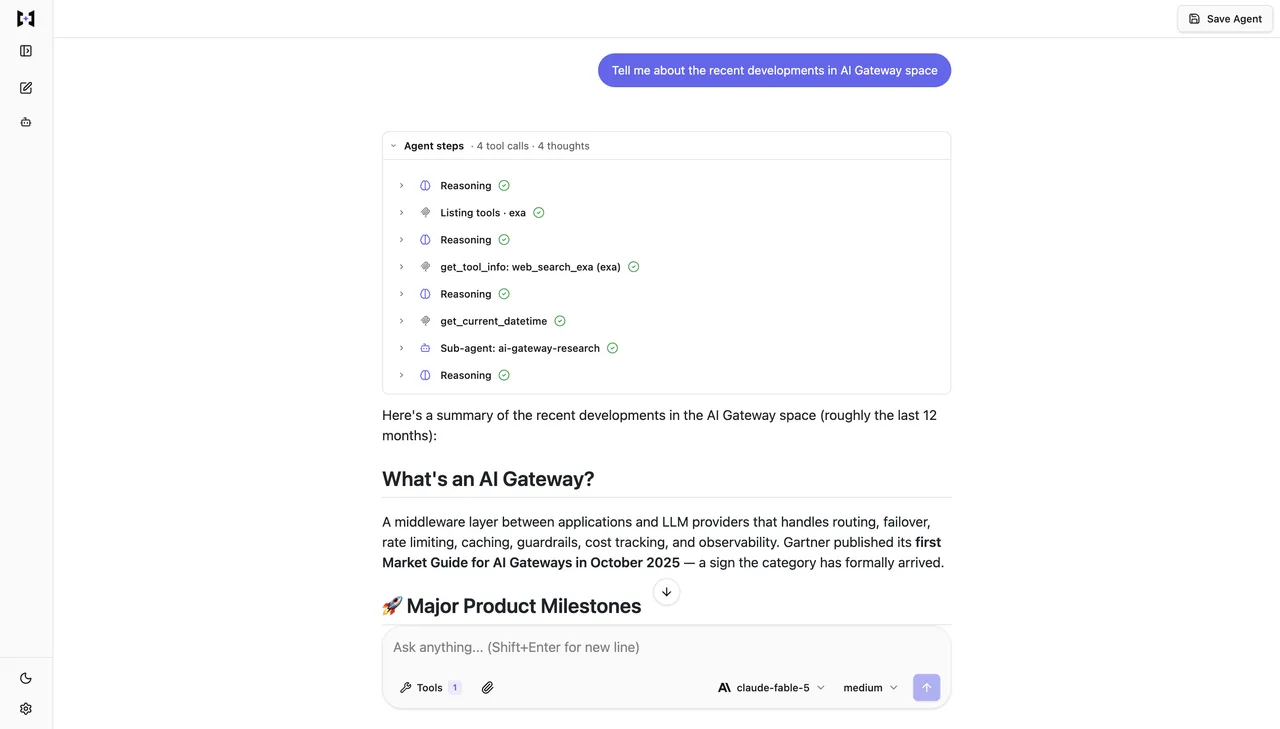
Choose TrueForge when infrastructure control and model choice justify owning the agent loop, databases, authentication, upgrades, and incidents. This MIT-licensed open agent harness runs locally with SQLite or as a shared Postgres-and-Redis deployment through Docker Compose or Kubernetes.
Choose Claude Managed Agents when Anthropic should operate the stateful control plane, orchestration, and managed sandbox service. It is currently a beta managed agent runtime. Self-hosted sandboxes are available, but the control plane and supported models remain tied to Claude.
Neither option removes platform work. They move it.
Compare Control and Operating Burden
Self-Hosted Harness Versus Hosted Runtime Service
TrueForge keeps the runtime and service data in infrastructure you select. That helps with network placement and internal policy, but your team still owns identity, secret rotation, backups, sandbox governance, monitoring, and capacity.
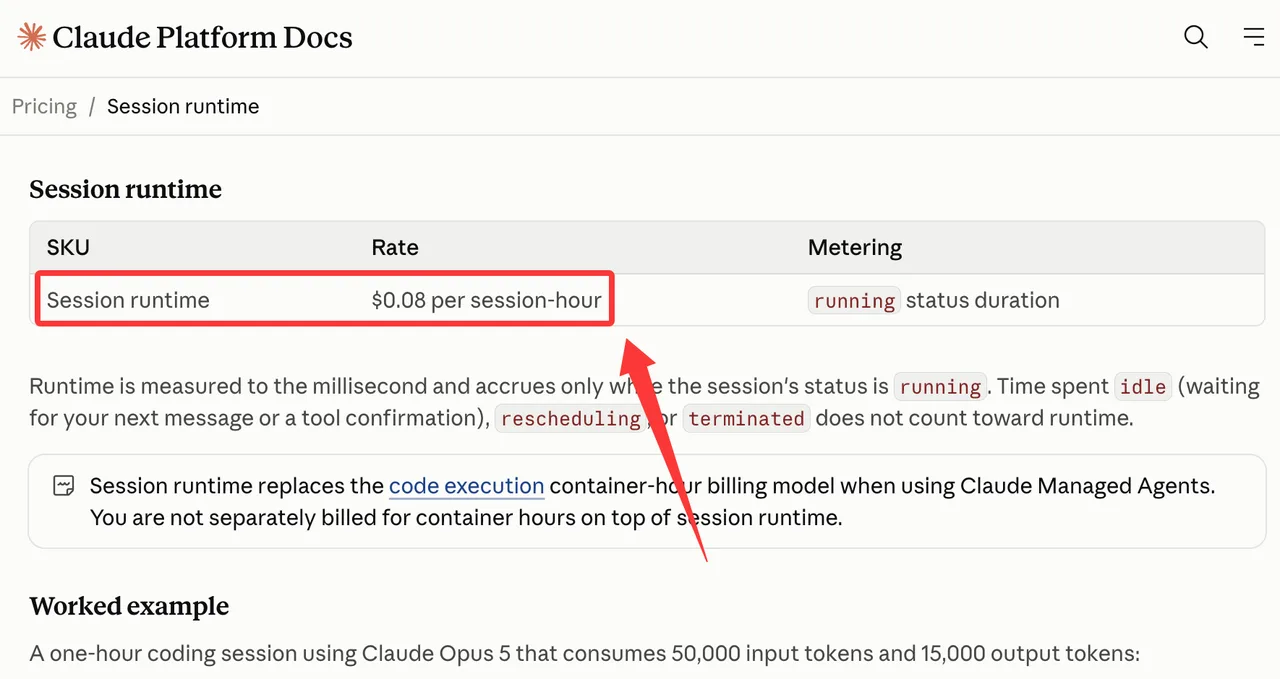
Claude Managed Agents supplies versioned agent resources, durable sessions, event streaming, credential vaults, and execution environments. Current billing combines model tokens with session runtime, listed at $0.08 per running session-hour on September 8, 2026. Idle time is not billed as runtime.
Upgrades, Scaling, and Incident Responsibility
With TrueForge, your team validates releases and migrations, scales Postgres and Redis, pins images, and rolls back failures. Multi-replica support is a capability, not an uptime commitment. Local defaults also need hardening before internet exposure.
Anthropic owns service scheduling, control-plane scaling, and its platform incidents. You still own agent configuration, external MCP availability, permissions, and harmful tool actions. With a self-hosted sandbox, image hardening, egress, service keys, local logs, and worker cleanup return to your side.
The TrueForge benchmark is useful but narrow. TrueFoundry ran 14 DevRev Enterprise-Bench L1-L2 tasks across three trials with fresh sessions, common prompts and MCP tools, Opus 4.8, and a blind all-or-nothing judge. Both runtimes averaged 10.7 solved tasks. TrueForge reported lower token-derived list-price cost, but that does not prove lower total cost. Its calculation covers token usage, not infrastructure, sandbox services, engineering labor, or support.
Compare Sessions, Sandboxes, and Portability
Durable Context and Execution Environment Design
TrueForge persists sessions in SQLite or Postgres. It supports compaction, subagents, and offloading large tool results into an on-demand sandbox; Daytona is the currently documented sandbox provider. Your team sets retention, backup, and deletion policy.
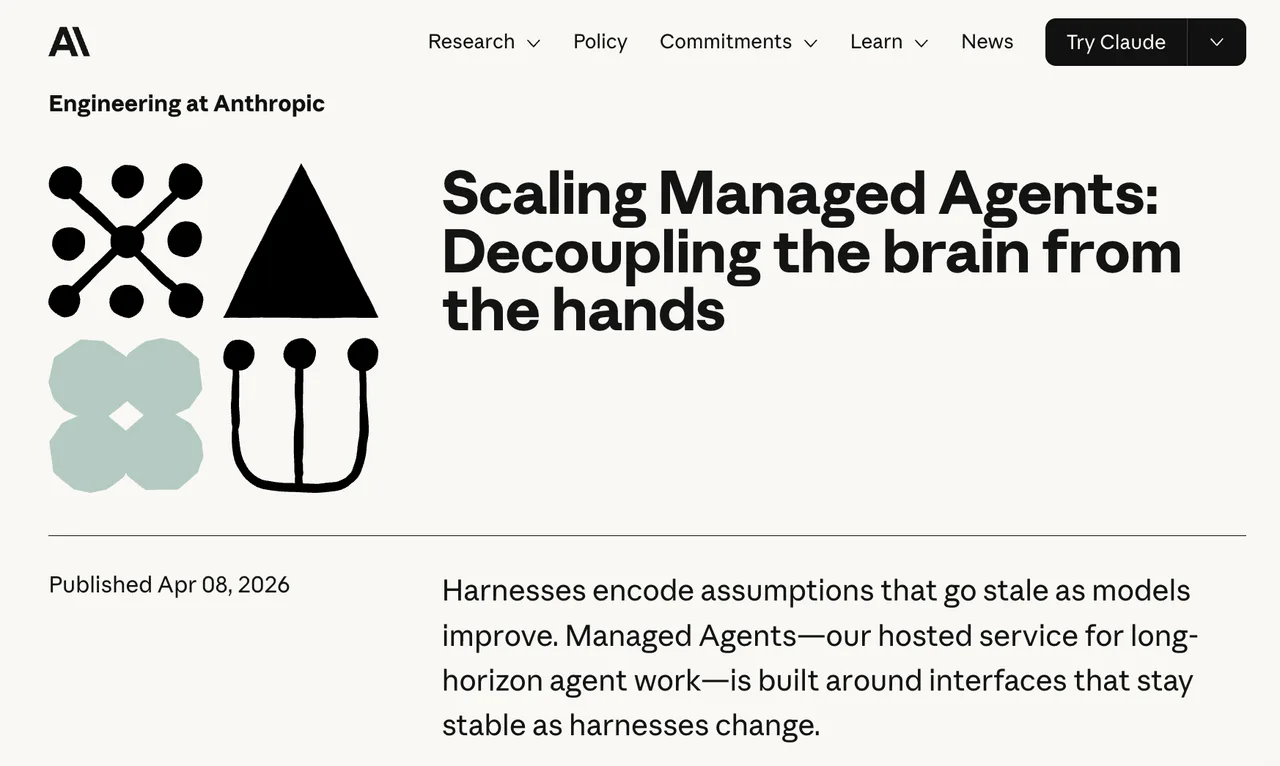
Anthropic’s managed-agent design separates the durable event log, harness, and execution environment. The session stays outside the model context, while sandboxes connect when execution is required.
Anthropic’s retention documentation says Managed Agents transcripts persist until the customer deletes the session. Managed Agents is not currently eligible for Zero Data Retention or HIPAA BAA coverage. Deleting a session removes its events and associated sandbox, but separately uploaded files and independent resources need separate deletion.
Model, Tool, and Infrastructure Choice
TrueForge supports several named providers plus OpenAI-compatible endpoints. It accepts remote MCP servers and git-backed skills from repositories your team controls. This is the stronger fit when model substitution is a requirement.
Claude Managed Agents supports custom tools, MCP servers, uploaded or repository-based skills in cloud sandboxes, and cloud or self-hosted sandboxes. MCP keeps part of the tool layer portable. The model layer is not portable: the managed harness runs supported Claude models.
Choose the Better Runtime for One Agent Workload
When Open Control Justifies the Operations Work
Choose TrueForge when the reporting agent must stay inside your network, your team already operates self-hosted agents, Kubernetes, and databases, or models must change without replacing the harness. Test restart recovery, expired credentials, MCP outages, database restoration, and sandbox cleanup. A good single output does not mean the production workflow is ready.
When Managed Execution Reduces Platform Burden
Choose Claude Managed Agents when faster deployment and a smaller runtime on-call surface matter more than model independence. Accepting beta APIs, Anthropic-hosted session state, retention limits, and metered runtime is part of that choice. Confirm support, region, and compliance terms before production.
FAQ
Can TrueForge sessions be exported into Claude Managed Agents?
No direct migration is documented. Export messages, tool results, files, and metadata into a neutral schema, then create a new session. IDs, approval state, compaction records, and sandbox snapshots will not map automatically.
Which option supports private registries for skills and MCP servers?
Neither documents a generic private-registry protocol. TrueForge supports custom catalogs, internal MCP URLs, and GitHub or GitLab skill sources, though private-repository authentication should be verified. Claude supports workspace skills, private GitHub resources, and configured MCP servers, but its control-plane resources, including agents, environments, vaults, and uploaded workspace skills, remain Anthropic-managed.
How do their audit logs integrate with a SIEM?
TrueForge leaves events and database records in your environment, so forwarding is your responsibility. Managed Agents provides event history and JSON export; Anthropic also offers separate compliance APIs for eligible customers. Verify event coverage before committing to a SIEM design.
Which service offers contractual support for regulated incident response?
The TrueForge MIT license includes no support contract, though a separate commercial agreement may. Anthropic offers a managed-vendor route, but beta status and current ZDR and HIPAA exclusions remain. Either option needs explicit contractual coverage.
Can the same evaluation suite be replayed on both options?
Yes. TrueForge publishes adapters for both runtimes, shared prompts, MCP-backed tasks, retry logic, and a blind judge. Replace the dataset with your workload and record infrastructure and labor separately. That replay is the cleanest decision test for TrueForge vs Claude Managed Agents.
Previous posts:
/filters:quality(82)/media/images/660b4b48-6351-40cd-ba00-51322b7455f4.webp)
/filters:quality(82)/media/images/273bf240-30e3-4e6c-8ae4-e3346b487bc7.webp)
/filters:quality(82)/media/images/bb7ec772-f694-45f4-9a9a-c0e5fd2e7d60.webp)
/filters:quality(82)/media/images/444431ee-1387-4a40-81ad-866e095a7c75.webp)
/filters:quality(82)/media/images/81212eb5-4b43-4cc4-92f4-38a0c439d258.webp)
/filters:quality(82)/media/images/5f15570a-6a68-432e-a6f1-1dcbf799ba81.webp)