
TrueForge Review: Open Agent Harness Readiness
TrueForge review for teams evaluating a self-hosted agent harness, with attention to setup, context, sandboxing, approvals, and operating burden.
A self-hosted agent service usually fails first in quiet places: login, session recovery, tool approval, secret handling, and backups. This TrueForge review asks one question for a platform engineer: does the control gained from an open agent harness justify the deployment work your team now owns?
This is an official-evidence review checked on September 2, 2026. I’m John. I did not run a long-lived internal service here, so I will not turn project claims into production proof.
Verdict for Teams Considering an Open Agent Harness
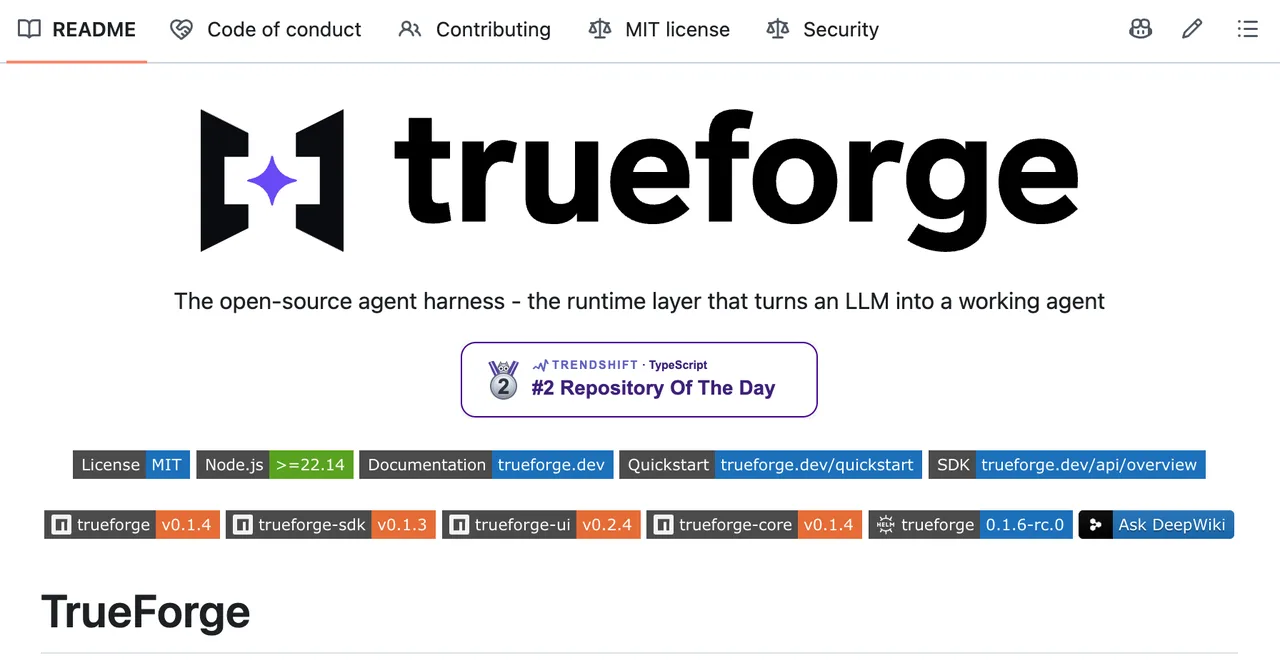
TrueForge is worth a pilot when your team wants to own the agent runtime layer instead of renting a managed service tied to one model provider. The TrueForge repository describes model calls, MCP tools, skills, sandboxing, approvals, context management, session state, a chat UI, an HTTP API, a TypeScript SDK, and an embeddable UI SDK.
That is the right surface for platform teams building self-hosted agents. It is not readiness by itself. A team still needs an identity model, network policy, backup plan, sandbox provider, release process, and incident owner.
Review TrueForge for One Self-Hosted Agent Service
Model Calls, Tools, Skills, and Session Execution
For the target service, test one internal agent that can read project data, call two approved MCP tools, run a short code task in a sandbox, and pause before any write action.
The useful part of the TrueForge agent harness is that it makes the loop explicit. Models can come from OpenAI, Anthropic, Gemini, other catalog providers, or OpenAI-compatible endpoints. MCP tools can use header auth or OAuth. Skills are git-backed SKILL.md instruction packs. The loop around the model is the service.
Local, Docker, and Kubernetes Operating Paths
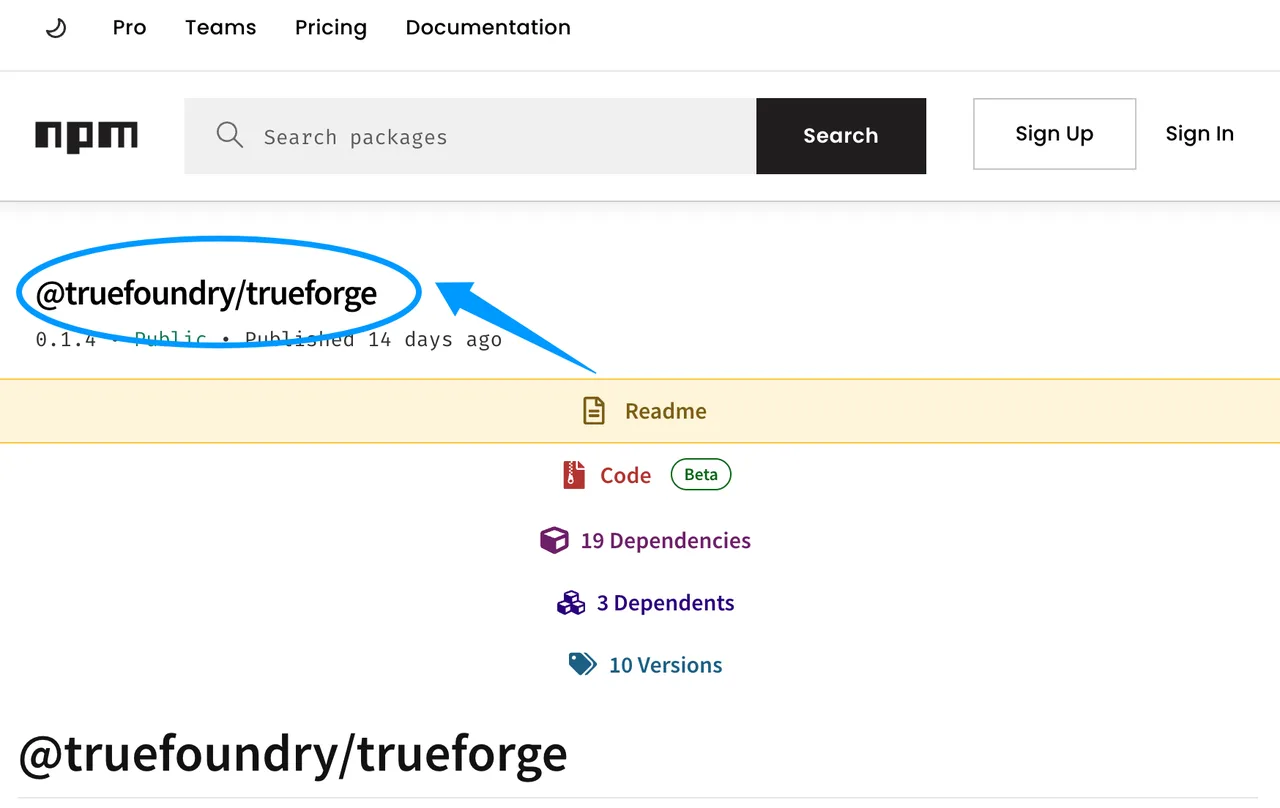
Local mode is for trial work: one process, SQLite, and npx @truefoundry/trueforge. Current npm package metadata points to the 0.1.x stable line with Node.js 22+ — verify against the current npm package page before publication.
For teams, the stronger signal is hosted mode with Postgres, Redis, Docker Compose, or Helm. The Helm chart README says the chart runs distributed mode, but bare defaults are not production-safe: OIDC is off, the bundled Postgres password is known, and Redis auth is disabled.
Evaluate Safety and Context Management
Sandboxes, Human Approval, and Secret Boundaries
TrueForge separates the harness from execution. The repo describes sandbox provisioning as a tool, with Daytona listed today and more providers planned. It also says secrets stay in the harness. That is a useful boundary for an agent sandbox, because generated code should not need direct access to model keys or connector tokens.
For shared deployment, treat login as mandatory even if local mode makes the first run easy. Use OIDC, restrict network exposure, move Postgres and Redis credentials into managed secrets, and decide which MCP servers can receive user context.
Persistence, Compaction, and Long-Running Sessions
The readiness signal is stronger on context management than on organization governance. TrueForge documents session persistence, subagents, deferred tool loading, Code Mode, large-result offloading, and compaction.
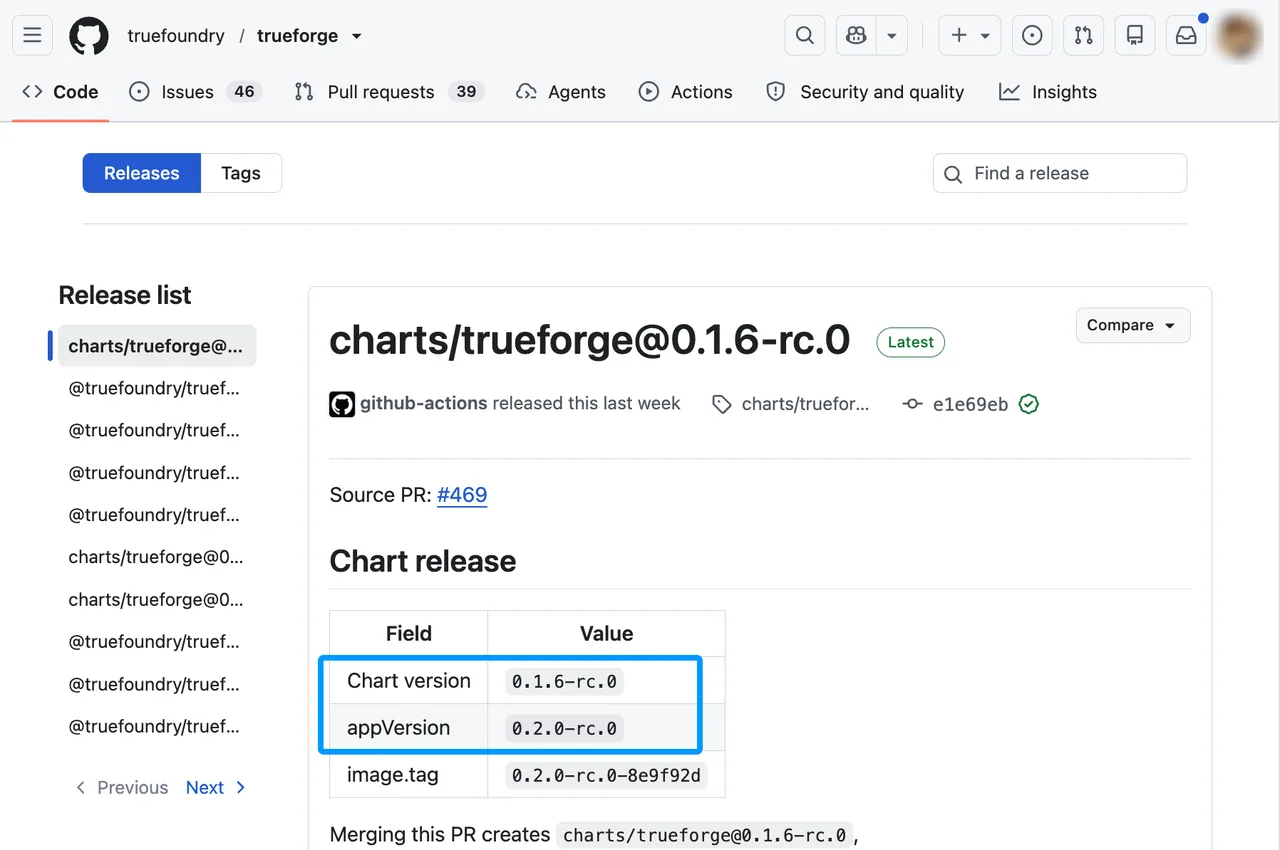
Check the GitHub releases before each pilot run. As of the public release list checked here, stable 0.1.x packages and 0.2.0 release candidates coexist. Do not mix RC packages and stable Helm charts just because the names look close.
Understand the Readiness Trade-Offs
Control and Portability for Platform Teams
The control story is real. You can bring your model provider, route tools through an MCP harness, mount skills, own storage, and expose an API instead of asking every team to rebuild an agent loop.
That matters when several teams start copying the same scaffold. One person can remember parameters. A team cannot. A shared open-source agent runtime gives platform engineering a place to standardize approval rules, model catalogs, skill versions, and session handling.
Operational Work That a Managed Service Would Absorb
The trade-off is simple: once you self-host, the harness is your service. You own upgrades, migrations, secrets, SSO, network isolation, Redis behavior, Postgres durability, sandbox cost, model-provider outages, and support tickets.
The benchmark claims should stay in their lane. The repo includes benchmark material, but it is project-published and should be reproduced inside your own task set before adoption. “We run it in production” is useful project context, not independent proof for your environment.
FAQ

Can TrueForge enforce organization-wide agent templates across separate teams?
Partly. TrueForge supports catalogs, skills, agents, and hosted login, but I did not find a public TrueForge-only control that enforces organization-wide templates across isolated teams. Treat this as platform policy you must design.
Does TrueForge support air-gapped or offline deployments for regulated teams?
I did not find a TrueForge-specific air-gapped support matrix. Verify npm mirroring, container access, model endpoints, MCP servers, sandbox provider behavior, and telemetry before making an offline claim.
How are TrueForge schema migrations handled across upgrades?
The contributing docs say migrations run on server startup. Postgres migrations can also be run without starting HTTP through pnpm --filter @truefoundry/trueforge migrate; SQLite migrations happen on standalone boot.
What telemetry leaves a self-hosted TrueForge deployment by default?
I did not find a clear public telemetry-default statement for the standalone harness. The security policy gives vulnerability reporting and response expectations, not telemetry guarantees. Assume model calls, MCP calls, package pulls, and sandbox-provider traffic can leave unless blocked or replaced.
Which license obligations apply to embedded commercial products?
TrueForge uses the MIT License. For commercial embedding, preserve the copyright and permission notice in copies or substantial portions of the software. This is general information, not legal advice.
Conclusion
The practical TrueForge review verdict is: pilot it if your team wants control over the agent runtime and is ready to operate the stack. Do not pilot it only because open source sounds cheaper. Build one self-hosted service, force OIDC on, pin versions, rehearse migration, and test failure recovery before calling the workflow ready.
Previous posts:
/filters:quality(82)/media/images/b73c2438-6bdd-4b80-a229-8d71d8f819cf.webp)
/filters:quality(82)/media/images/427fd9f2-347d-4f86-a2d5-aee110cda01d.webp)
/filters:quality(82)/media/images/1773962750383987480_n3hqzHRZ.webp)
/filters:quality(82)/media/images/43fa0e7f-a0db-48d7-9bab-921d1225db30.webp)
/filters:quality(82)/media/images/5799ff56-3a73-40ca-a666-e4965d878496.webp)
/filters:quality(82)/media/images/7a8850fc-caf6-482f-ac4d-5ddbe64ec47c.webp)