
Codex App Server for Embedded Coding Agents
Codex App Server exposes the Codex harness to client applications. Learn the session flow, integration boundary, and stability checks.
Dora here. I know the exact moment this question shows up. The agent works in a terminal. Then someone wants the same agent inside an IDE sidebar, a desktop tool, or an internal review console. Suddenly the hard part is not “can it write code?” It is: who owns the thread, who renders the turn, who asks for approval, and what happens when the client disconnects.
That is where Codex App Server fits. It is not a hosted model API. It is a client-facing protocol layer for embedding a coding agent experience around the Codex harness.
Where Codex App Server Fits
OpenAI’s Codex platform post describes the harness as the surrounding agent loop: context, tools, sandbox boundaries, approvals, streamed execution, failure handling, and work carried across turns. The useful product question is smaller than “can we build a coding agent?” It is “which part of that loop belongs in our client?”
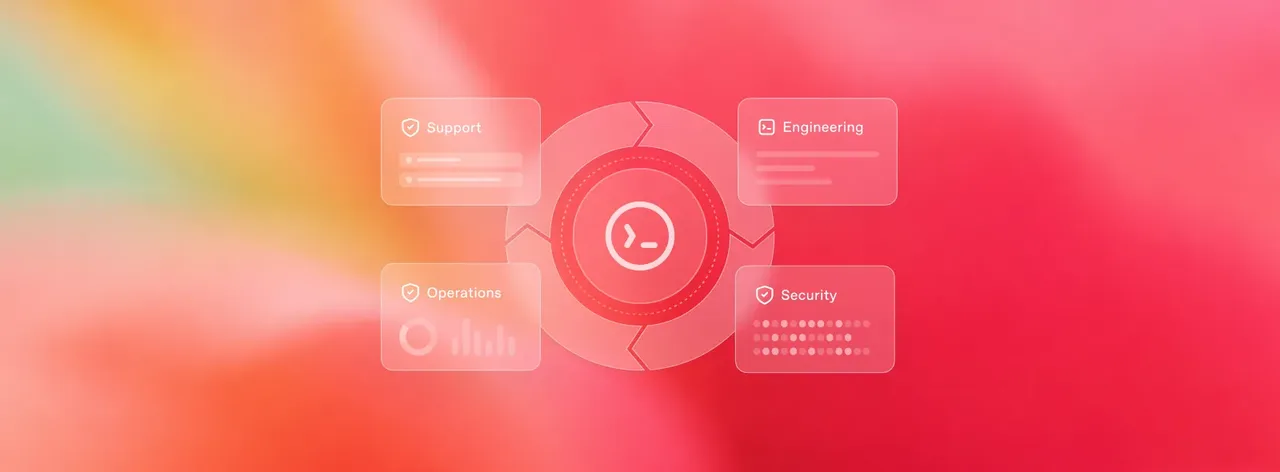
A Client Boundary for the Codex Harness
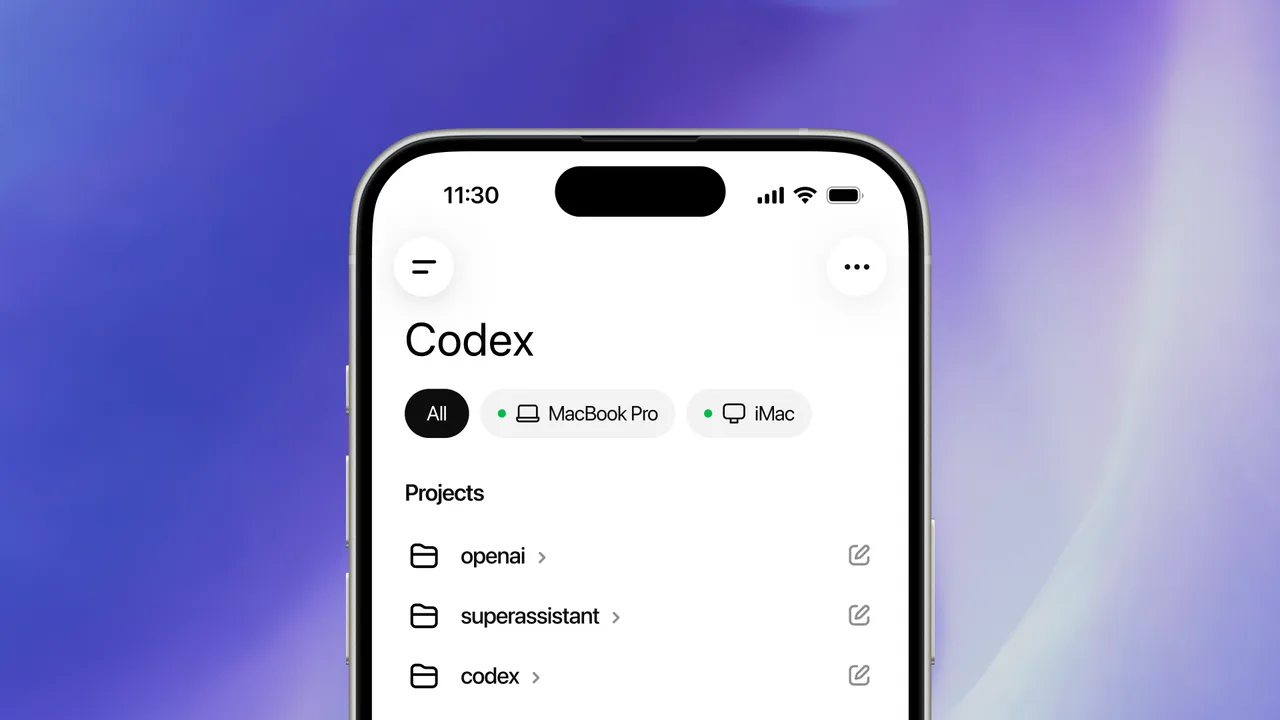
The App Server docs describe app-server as the interface behind rich Codex clients, including the VS Code extension pattern. It exposes authentication, conversation history, approvals, and streamed agent events to an application client.
For an embedded coding agent, that means the host product can own the visible interface: file tree, task pane, approval dialog, diff viewer, status bar, notification surface. The app-server process owns the agent session protocol.
The basic split looks like this:
| Layer | Owner |
|---|---|
| Product UI | IDE, desktop app, internal tool |
| Session lifecycle | App-server thread and turn APIs |
| Event rendering | Client subscribes and updates UI |
| Approvals | Client presents, user decides |
| Model execution | Codex and upstream model service |
| Business context | Host app and optional MCP tools |
This is a good boundary when the agent is part of the product experience, not just a background script.
What App Server Does Not Replace
App-server does not replace the OpenAI model service. It does not make model access local. It does not turn billing into a repository concern. It also does not remove the need to design approval UX carefully. That last one is where teams usually lose a day.
It also does not replace a simple CLI run or SDK job. If the task is “run this coding workflow in CI and return output,” app-server is probably too much surface area. A rich client needs thread state, event streams, and human approval. A batch job mostly needs execution and a result.
Follow One Embedded Session
The protocol is Codex JSON-RPC, using JSON-RPC 2.0 style messages with the jsonrpc header omitted on the wire. Supported transports currently include stdio as newline-delimited JSON, WebSocket, Unix socket, and off. WebSocket is explicitly marked experimental and unsupported. I paused here. That one line changes the production conversation.
Initialize, Start a Thread, and Start a Turn
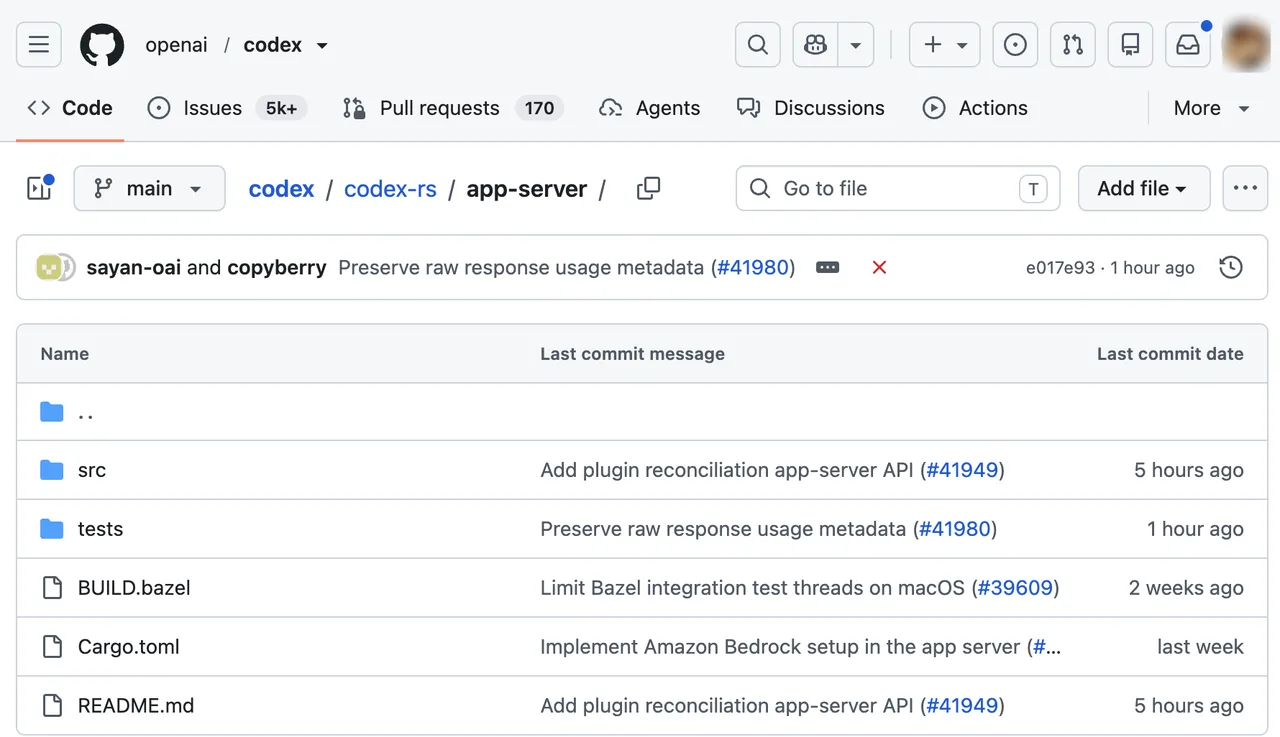
The current app-server README gives the session shape clearly enough for planning:
- Open the transport connection.
- Send
initializewithclientInfo. - Send the
initializednotification. - Call
thread/start, orthread/resumefor existing history. - Call
turn/startwiththreadIdand user input. - Keep reading notifications until
turn/completed.
Initialization is per connection. Requests before it are rejected. Repeated initialization on the same connection is also rejected. That is not trivia. A reconnecting desktop app needs to rebuild connection state before it tries to touch an old thread.
The protocol also lets clients generate TypeScript schema or JSON Schema from the installed CLI version. That is the sane way to pin a Codex client integration. Store the generated schema beside the client build. Do not treat main branch docs as your runtime contract.
Handle Events, Approvals, and Client State
The client does not receive “one final answer” and call it done. It receives events.
A normal turn includes turn/started, item lifecycle events, deltas, tool progress, possible errors, approval requests, and turn/completed. The per-item lifecycle is the part I would build the UI around: item/started, zero or more deltas, then item/completed.
Approvals are server-initiated requests. Command execution, file changes, permission requests, MCP elicitations, and side-effecting app calls can all need a response. The request shape depends on the request type. Command, file-change, and permission approvals include threadId, turnId, and itemId; MCP elicitations include threadId and an optional turnId. Respond using that request type’s schema—for example, command and file approvals can include acceptForSession, permission requests return the granted permission subset, and MCP elicitations use accept, decline, or cancel actions.
Do not infer success from an approval click. Wait for serverRequest/resolved, then the final item state. The docs call the final item authoritative. Found the pattern on the third try: approval is a decision, not the result.
Choose the Right Integration Boundary
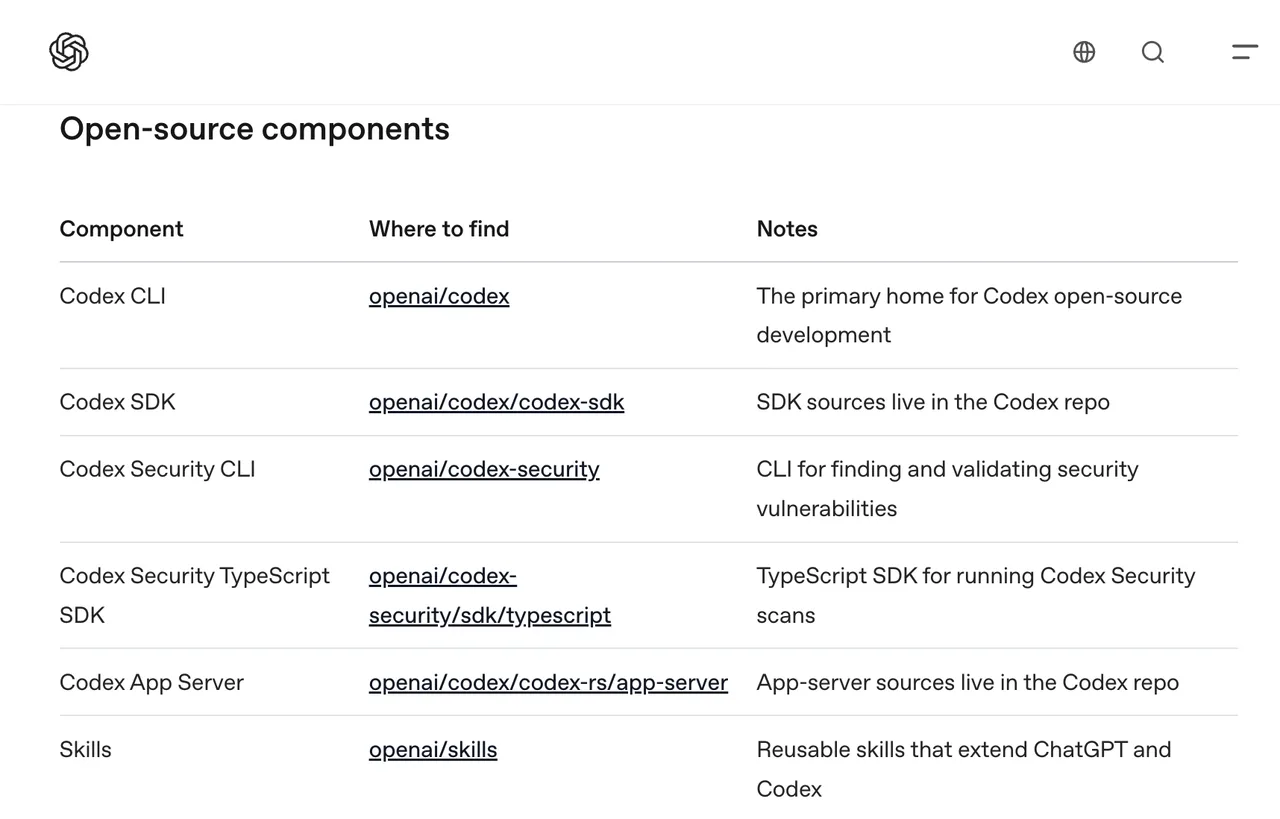
The open-source components guide separates open harness components from managed services. That boundary matters when the product plan says “embed Codex.” It may mean protocol integration. It may mean SDK. It may mean CLI. It rarely means “we own the whole model stack now.”
App Server, MCP Server, and CLI Trade-Offs
Use app-server when the product needs persistent conversations, streamed events, user-facing approvals, and a controlled client experience.
Use an MCP server when the product needs to expose tools, resources, or actions to an agent. OpenAI’s MCP docs are about tool and context extension, not owning the Codex client lifecycle.
Use CLI or non-interactive execution when the workflow is command-shaped: run, wait, collect output, exit.
| Boundary | Good fit | Weak fit |
|---|---|---|
| App Server | IDE or desktop agent UI | Simple CI automation |
| MCP Server | Expose app tools/data | Manage thread UI |
| CLI | Local human workflow | Embedded product state |
| SDK | Programmatic agent jobs | Full custom client UX |
So that is where the bottleneck is. App-server is for the client shell around the agent, not every automation task with Codex in the name.
Compatibility, Failure Isolation, and Upgrade Risk
Compatibility needs version discipline. Generate schema from the CLI version in use. Record the Codex version, transport, enabled capabilities, and whether experimentalApi is set.
Experimental fields must stay behind a flag in the client code. The docs say experimental methods and fields are rejected unless the client opts in with capabilities.experimentalApi: true. That is useful. It gives product teams a visible line between stable surface and “we knowingly stepped onto thin ice.”
Failure isolation also belongs in the client design. Handle overloaded server errors with retry and jitter. Treat turn/completed with failed status as a first-class UI state. Keep approval dialogs recoverable after disconnect. Store local client state separately from protocol state.
FAQ
Does App Server support multiple simultaneous client connections?
The protocol is per connection, and the README discusses subscribers, initialized clients, and clients attaching later. That suggests multi-client behavior exists in the design. I would not turn that into a capacity guarantee. Test subscriber fanout, approval routing, and thread unload behavior against the exact Codex version.
How are pending approvals recovered after client disconnection?
Do not rely on client memory. Reconnect, initialize again, resume or read the thread, and rebuild UI state from authoritative items and pending server requests where available. The README notes that pending requests can be resolved or cleared during lifecycle cleanup. Treat reconnect recovery as a required product test.
Can App Server clients pin a specific protocol schema?
Yes. Clients can generate TypeScript or JSON Schema from the CLI version they run. The generated artifacts match that Codex version. Pin the CLI version and store the schema with the client release.
Conclusion
Codex App Server is the right thing to study when a team wants Codex inside its own client, with thread history, turn streaming, approval handling, and UI-owned state. It is the wrong thing to treat as a generic hosted model API.
The clean test is simple: build one embedded session end to end. Initialize. Start a thread. Start a turn. Render events. Handle one command approval and one file-change approval. Disconnect the client. Recover. Upgrade the schema. Run it again.
That will tell more than any architecture slide.
Previous posts:
/filters:quality(82)/media/images/b73c2438-6bdd-4b80-a229-8d71d8f819cf.webp)
/filters:quality(82)/media/images/427fd9f2-347d-4f86-a2d5-aee110cda01d.webp)
/filters:quality(82)/media/images/1773962750383987480_n3hqzHRZ.webp)
/filters:quality(82)/media/images/43fa0e7f-a0db-48d7-9bab-921d1225db30.webp)
/filters:quality(82)/media/images/5799ff56-3a73-40ca-a666-e4965d878496.webp)
/filters:quality(82)/media/images/7a8850fc-caf6-482f-ac4d-5ddbe64ec47c.webp)