
Fable 5.1 Claude Code for Large Repositories
Fable 5.1 Claude Code guidance for one large-repository workflow, with a focused test plan for context use, verification, and rollback.
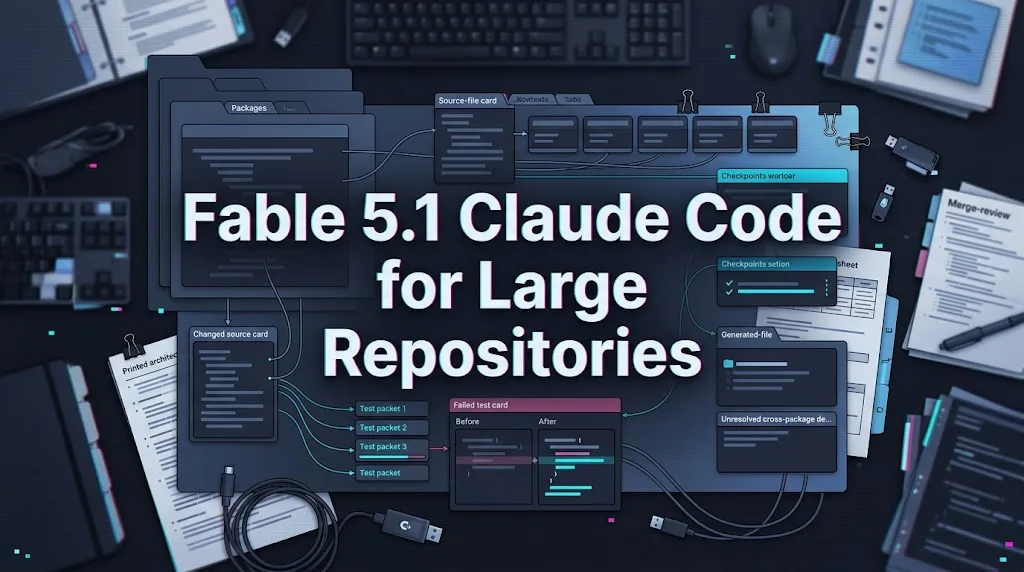
Dora is coming~ I distrust model upgrades most when the repository is large enough that “find the call site” becomes its own afternoon. A better model is not useful if it reads the wrong package, burns context on generated files, or leaves a patch that passes one test and breaks the next workspace. This Fable 5.1 Claude Code note is for teams already running Claude Code in real repos. I did not run a private production monorepo test for this piece. This is an evaluation workflow, not a benchmark wearing a nicer jacket.
Where Fable 5.1 Changes a Large-Repository Workflow
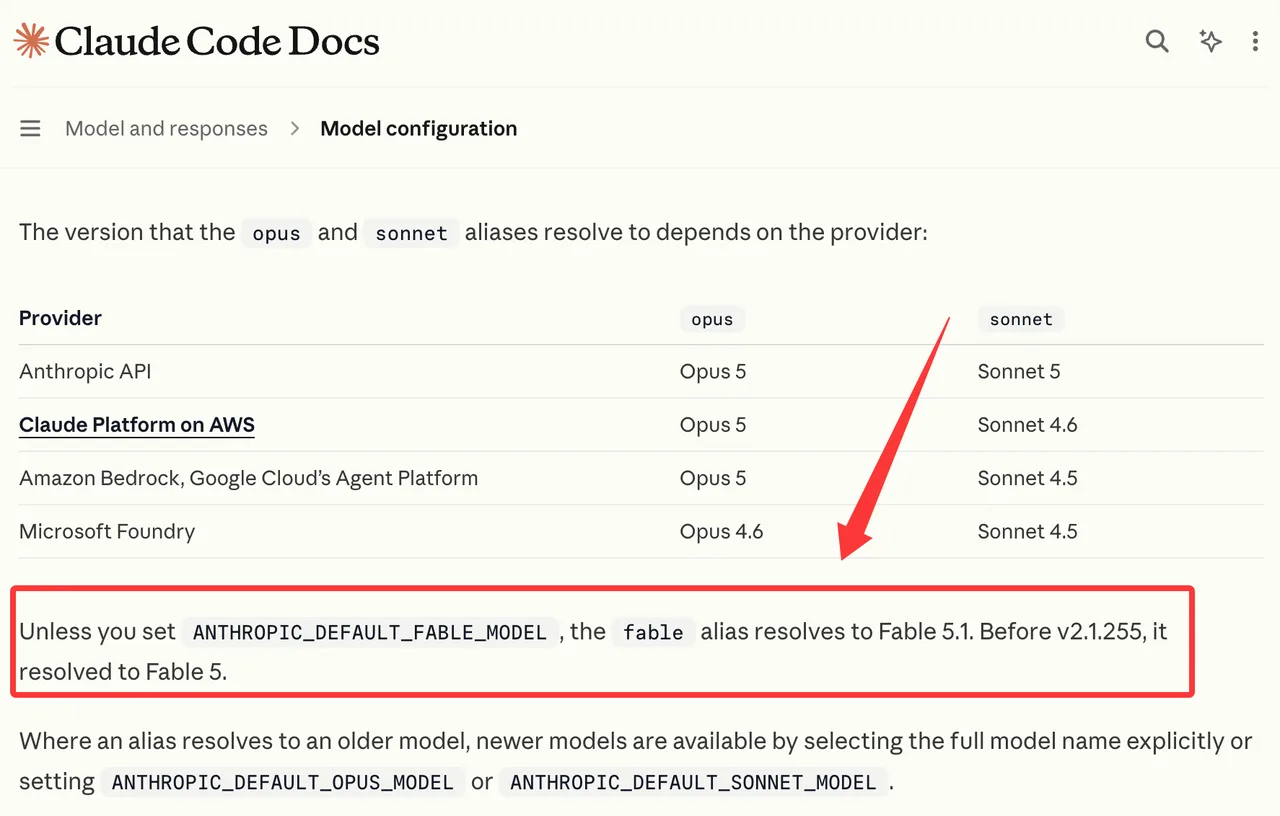
The official Claude Code model configuration now says the fable alias resolves to Fable 5.1 unless ANTHROPIC_DEFAULT_FABLE_MODEL pins another Fable model, and that Fable 5.1 needs Claude Code v2.1.255 or later. It also says Fable models are not the account-type default models on any plan or provider. That matters. A team has to select the route deliberately.
The decision point is large repository coding, not general code quality. Anthropic’s large-codebase setup guide frames the actual problem: big repos fill context with irrelevant instructions, file reads, generated output, and package conventions from places the task never touches. Fable 5.1 may help with long autonomous sessions and cross-file reasoning, but it does not remove the need to scope the job.
My test shape would be one repo-level task: change a shared API contract, update two call sites, adjust tests, and leave a reviewable diff. Not “modernize the codebase.” That phrase is how a day disappears.
Configure One Repository-Level Task
Scope the Task and Context
I would start from the package directory that owns the change, not the repository root, unless the root is truly needed. The prompt would name the target files if known, the acceptance tests, the directories not to touch, and the rollback expectation. I would also include the repo’s own conventions from CLAUDE.md, but keep stale architecture essays out of the first run.
The clean prompt is outcome-first:
“Update the billing plan rename from
pro_plustoteam_premiumacross API validation, shared TypeScript types, and the web settings page. Do not change generated files. Run the targeted test files first. Stop before broad refactors.”
That is enough shape for an agentic coding workflow. It still leaves the model room to inspect before editing. I paused here. Over-instructing a coding agent can be as damaging as under-instructing it, especially when the repo already has rules.
Choose Effort and Tool Permissions
Claude Code model selection is now part of the test, not admin decoration. For Fable 5.1, I would run claude --version, update if needed, then start with claude --model fable. If the picker does not show Fable but the account has access, typing /model fable can still be the direct check. If that fails, the migration evaluation stops. No clever workaround makes an unavailable model available.
For effort, I would begin at high. Move to xhigh only if the first plan misses cross-package dependencies. Use max only for one hard diagnosis, not every task. The docs are plain about the trade-off: higher effort spends more tokens, and deepest reasoning can overthink. That is not a moral failure. It is a budget line.
Permissions stay boring: allow reads, search, git diff, targeted tests, and package-manager test commands. File edits can be allowed after the plan. Dependency installs, network calls, and destructive shell commands stay manual. If hooks already run formatters or per-directory linters, keep them. If not, I would not design a hook system during the first Fable trial. New model, new hooks, new policy, all at once. Hard pass.
Verify the Result Before Merging
Tests, Diffs, and Visual Checks
A good Claude Code run ends with evidence, not a confident summary. I would inspect the diff first, then run the smallest relevant tests, then the workspace-level command that normally gates the package. For UI changes, I would add a screenshot or visual check from the existing review process. For backend changes, I would want the migration, fixture, or contract test in the diff.
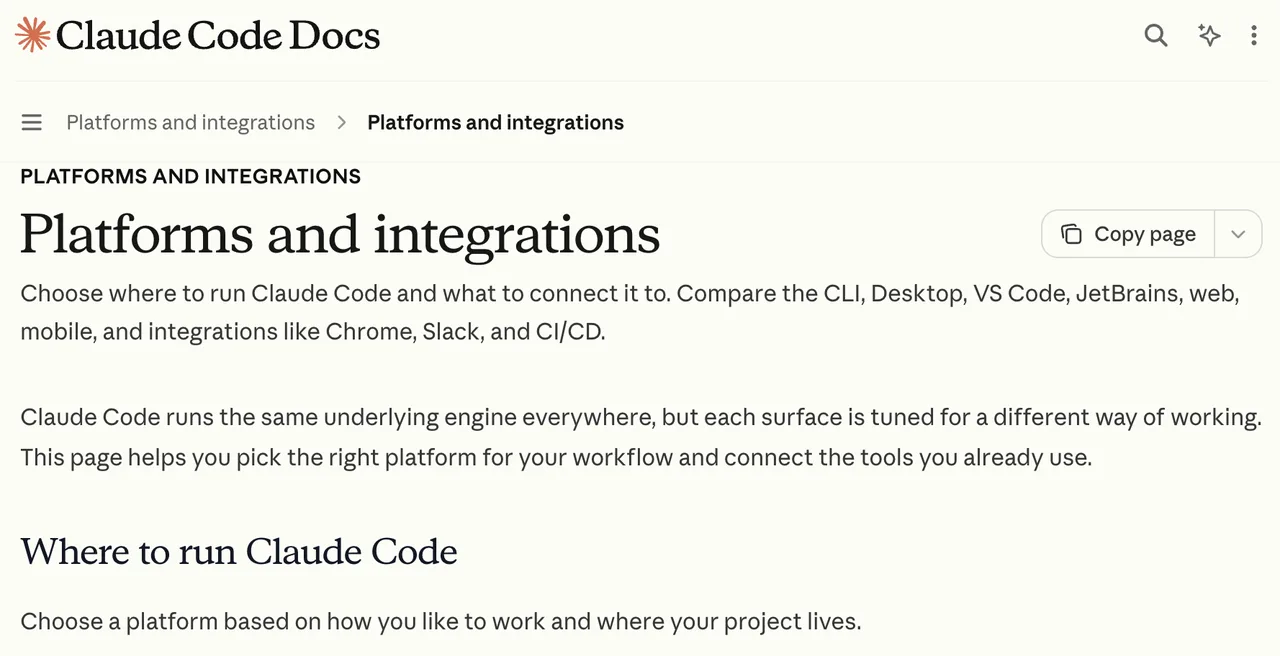
The merge gate remains human-owned. Claude can propose a patch and run checks, but protected branches, code owners, and CI still decide whether it enters the trunk. This is where the Claude Code platforms matrix matters: terminal, IDE, desktop, web, and mobile surfaces do not have identical affordances. Visual diff review in an IDE is not the same as a scripted terminal run.
Cost and Failure Logging
For this evaluation, I would log model, effort, task size, elapsed wall time, token estimate, cache behavior, fallback events, test failures, and human repair time. The Claude Code cost guide separates session estimates from authoritative billing and notes that cost varies with model, codebase size, and usage pattern. Good. That is exactly the trap.
One successful patch is not enough. I would compare it against the existing route on the same task shape. If Fable saves two review cycles but costs more tokens, it may still win. If it writes a larger diff that takes longer to audit, it may lose. The bill is not only tokens. It is also the reviewer’s attention.
When to Keep the Existing Model
Keep the existing model when the work is local, repetitive, latency-sensitive, or already handled well by the current route. A rename inside one package does not need Fable. A flaky test investigation across six services might.
I would also keep the current route if the team cannot read fallback notices, cannot attribute cost by model, or cannot reproduce the same prompt across developers. That is not conservatism. That is keeping the experiment measurable.
FAQ
Which Claude Code versions recognize the 5.1 model ID?
Claude Code v2.1.255 or later is the official floor for Fable 5.1. I would verify with claude --version, then run claude update if the installed version is older. The practical check is /model fable inside the session, because account and organization availability still matter.
Can administrators set Fable 5.1 as an organization default?
Yes, on supported Enterprise setups, admins can set a Claude Code organization default model for the whole org or per custom role. The model setting is a starting point unless the organization also uses restriction controls. Override behavior has availability limits, so this belongs in an admin rollout note, not a developer rumor.
Does usage appear under Claude Code or API billing?
It depends on authentication and provider. Console/API users see token-based usage tied to Claude Code workspaces and Console reporting. Pro, Max, Team, and Enterprise seats may use plan allowance or usage credits. Bedrock, Google Cloud, and Foundry deployments bill through the cloud provider. /usage is a working estimate, not the invoice.
Are terminal and IDE sessions supported identically?
No. The local surfaces share the same underlying Claude Code engine and project configuration, but the CLI has scripting and Agent SDK paths that IDE surfaces do not fully mirror. IDE sessions add editor context, selections, and diff review. Same model route, different operating surface.
Does Claude Code support Fable 5.1 in remote development containers?
The safe answer is conditional. A remote container can run Claude Code if the environment supports the toolchain, network access, credentials, and version floor. The broader Dev Containers specification only standardizes the development environment pattern; it does not grant Fable access. I would test from inside the container with claude --version, /model fable, and one read-only repo inspection before allowing edits.
Conclusion
Fable 5.1 Claude Code is most interesting for repository-level tasks that usually break because the model loses the thread: cross-package changes, root-cause debugging, and long review loops. I would not move all coding traffic there. I would run one bounded migration evaluation, log the cost and failures, and compare the review effort against the existing model. If it reduces repair work, it earns a premium route. If it only feels stronger, it does not.
Previous posts:
/filters:quality(82)/media/images/660b4b48-6351-40cd-ba00-51322b7455f4.webp)
/filters:quality(82)/media/images/273bf240-30e3-4e6c-8ae4-e3346b487bc7.webp)
/filters:quality(82)/media/images/bb7ec772-f694-45f4-9a9a-c0e5fd2e7d60.webp)
/filters:quality(82)/media/images/444431ee-1387-4a40-81ad-866e095a7c75.webp)
/filters:quality(82)/media/images/81212eb5-4b43-4cc4-92f4-38a0c439d258.webp)
/filters:quality(82)/media/images/5f15570a-6a68-432e-a6f1-1dcbf799ba81.webp)