
Lyria 3.5 Review for Full-Length AI Music
Review Lyria 3.5 on one full-length music brief across structure, vocals, prompt adherence, editing needs, and production access.
“Full-length” made me stop. Google’s product page says up to three minutes; its API guide says a couple of minutes, controlled by the prompt. That gap can break an edit schedule. This Lyria 3.5 review follows one 150-second song brief and asks whether the result could enter a production queue.
Dora here. I lacked authenticated Lyria access, so I did not hear outputs or measure failures. I paused here. This is a reproducible evaluation, not a listening claim.
Quick Verdict for Music Builders
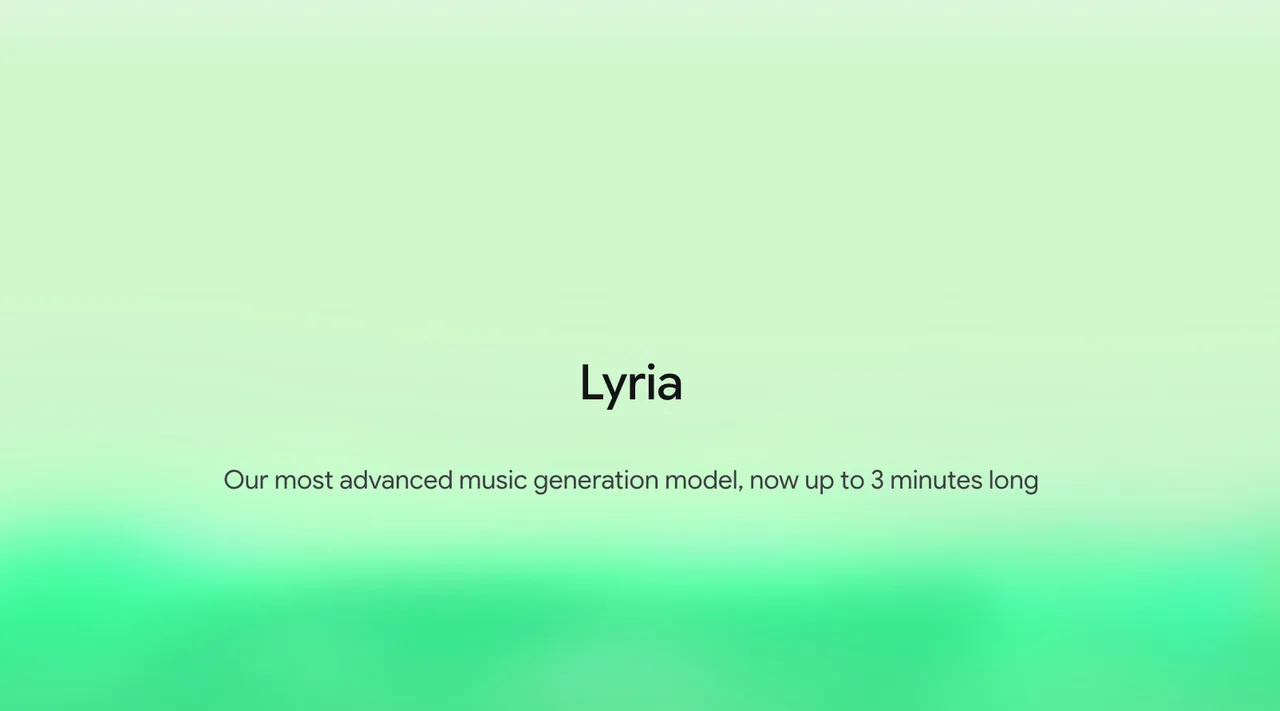
Google Lyria 3.5 looks relevant to teams needing a composed demo rather than a loop. Google positions it for verses, choruses, bridges, vocals, timed lyrics, and complete arrangements. The Lyria product page advertises tracks up to three minutes and image-to-music creation.
That makes it a shortlist candidate. It does not prove release-ready vocals, accurate lyrics, or easy editing.
Where Lyria 3.5 fits a full-song workflow
The strongest fit is song prototyping. Freeze a brief, generate several arrangements, and send only the best to a producer. It may also suit temporary soundtrack beds, campaign concepts, or testing whether a chorus survives a full structure.
Google says Lyria vocals, musicality, lyrics, and audio fidelity improved. Its Lyria 3.5 model card attributes better fidelity and lyric-prompt adherence to Google’s human and automated evaluations against models including Lyria 2. No raw evaluation set or score table is published.
Where another music route may fit better
Keep a DAW-first route for editable MIDI, isolated stems, exact melodic control, session recall, or repeatable revisions. Commissioned vocals remain safer when pronunciation and emotional phrasing require client approval.
The current API is single-turn. It cannot refine only the bridge through a follow-up prompt; regeneration may change sections that already worked.
Test One Music Brief
Use one original English synth-pop brief: 150 seconds, 104 BPM, A minor, female alto, live-style bass, dry drums, clean guitar, and restrained analog synths. The subject is the last train leaving a hometown. Supply an owned 140-word lyric sheet with a fixed chorus hook.

Lock genre, structure, vocals, and duration
Keep the prompt identical across five generations:
- 0:00–0:12: instrumental intro
- 0:12–0:42: verse one
- 0:42–0:58: pre-chorus
- 0:58–1:25: chorus
- 1:25–1:52: verse two
- 1:52–2:08: drum-free bridge
- 2:08–2:30: final chorus and clean ending
Request lyria-3.5, WAV, and the same lyrics. The Gemini API music guide documents 44.1 kHz stereo, MP3 by default, optional WAV for Lyria 3.5, text or image inputs, and non-deterministic results.
Compare prompt adherence and usable output
Blind-review the five songs.
| Measure | Acceptance threshold |
|---|---|
| Duration | 145–155 seconds |
| Structure | Every named section present |
| Lyrics | At least 95% correct words |
| Vocal | Intelligible lead without obvious identity shift |
| Arrangement | Requested instruments and drum-free bridge |
| Audio | No clipping, gaps, or persistent artifacts |
| Editing | Usable demo within 30 DAW minutes |
Retain failed files and mark the first bad timestamp. Count blocked prompts, missing audio, wrong structures, lyric substitutions, and broken endings. Since I could not run the model, failures and usable-output rate remain unknown. This is where my data ends.
Evaluate Production Fit
Audio fidelity, lyrics, and editing effort
Format is not fidelity. A 44.1 kHz WAV can still have smeared transients, harsh sibilance, unstable bass, phase trouble, or synthetic phrasing. Listen to monitors, headphones, and a phone speaker. Compare supplied lyrics with a manual transcript, not returned text alone.
Record producer minutes spent trimming, separating, repairing, and rebuilding. Full-length AI songs lose their speed advantage when each chorus needs vocal isolation and destructive edits.
Gemini, Flow, and API access routes
Google exposes Lyria across several surfaces. Three relevant here are Gemini, Google Flow Music, and the Gemini API. Gemini offers direct creation with visual context. Google Flow Music is the creator workspace. The Gemini API exposes preview model lyria-3.5 for text and up to ten images through generation or Interactions routes.
Controls, quotas, retention, and exports may differ. Test the production route itself. A consumer Gemini result does not validate an API integration.
Limits and Trade-Offs
Google evaluations are not independent tests
Google calls Lyria 3.5 its most capable music model and reports gains over Lyria 2. Google also ran the evaluation covering quality, vocals, fidelity, and prompt adherence. No independent matched result was available for this brief.
Use those claims to design tests. Five outputs are a pilot, not proof across languages, genres, or release volumes.
Music rights require current product terms
Google’s Terms of Service say it does not claim ownership over original generated content. That is not a warranty that output is copyrightable, unique, cleared, or free from third-party claims.
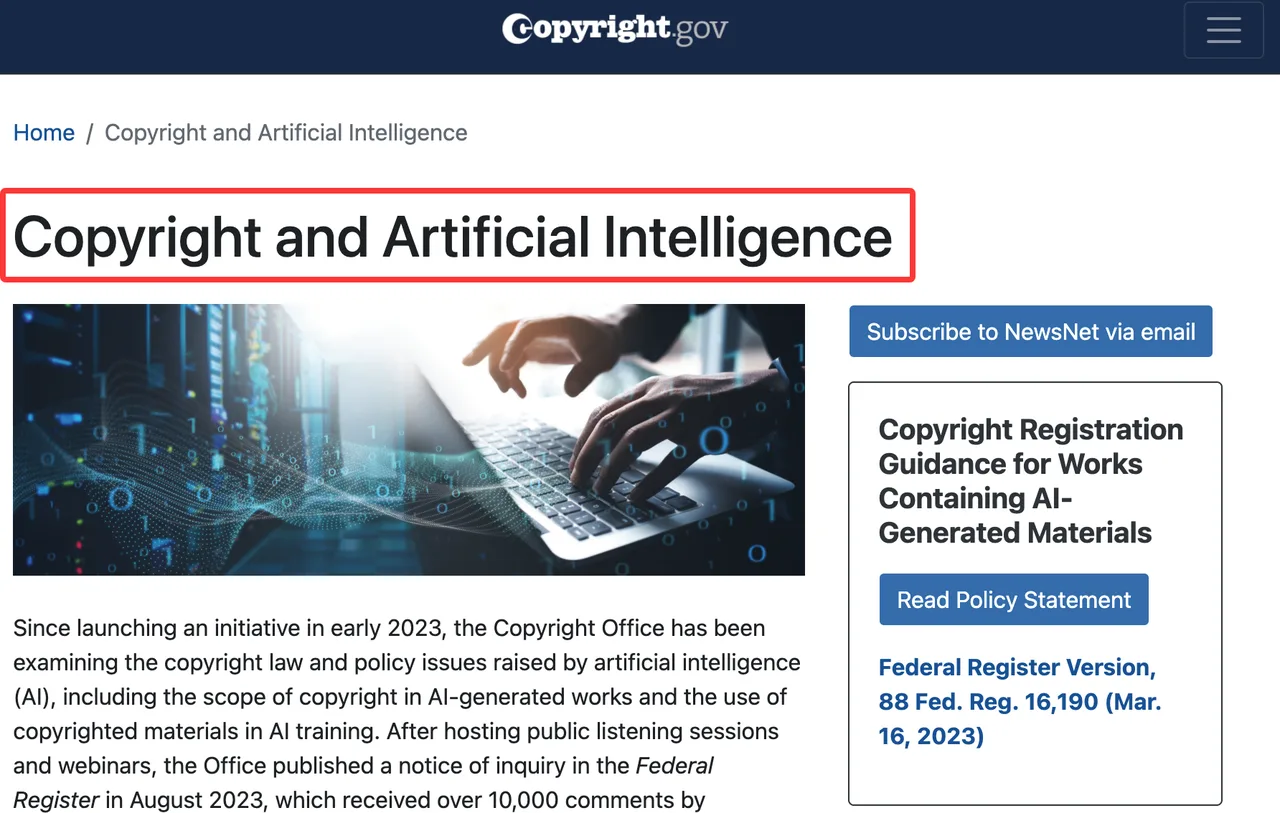
Record the surface, account type, terms date, prompts, lyrics, and image rights. Copyright treatment varies by jurisdiction; the U.S. Copyright Office’s AI materials provide context, not project-specific advice.
FAQ
Can Lyria 3.5 generate instrumental-only tracks?
Yes. Prompt for “instrumental only” or “no vocals.” Vocals and lyrics otherwise appear by default. Verify compliance because prompt following remains probabilistic.
Which languages are supported for lyrics?
Google publishes no closed list. Lyrics follow the prompt language or another requested language. Official examples include French, Spanish, and Hindi. Use native reviewers for pronunciation.
Can users upload a melody as input?
Not through the documented API schema. Lyria 3.5 accepts text and images, not audio or MIDI melody files. Visual context is not melodic conditioning.
Are outputs marked with SynthID?
Yes. Google says all generated Lyria audio carries an imperceptible SynthID watermark. It identifies AI-generated or edited audio; it does not prove ownership or clearance.
Can projects export stems separately?
No public schema documents stem export. The API returns a mixed MP3 or WAV plus lyrics or structural text. Separate vocals and instruments require external processing or another route.
Conclusion
This Lyria 3.5 review supports a conditional trial for full-song demos. Structured prompting, vocals, variable duration, and image inputs suit early creative selection. Production fit depends on lyric accuracy, usable-output rate, repair time, and rights review on the exact surface. A complete song is convenient. An editable, approved song is the actual product.
Previous posts:
Related Articles
/filters:quality(82)/media/images/1773962750383987480_n3hqzHRZ.webp)
Seedance 2.5 vs WAN 3.0 vs Kling 4.0: Specs, References and Price Compared
/filters:quality(82)/media/images/660b4b48-6351-40cd-ba00-51322b7455f4.webp)
How to Use Kling 4.0 Keyframes for a Product Reveal
/filters:quality(82)/media/images/273bf240-30e3-4e6c-8ae4-e3346b487bc7.webp)
Kling 4.0 Pricing: What Does One Usable Clip Cost?
/filters:quality(82)/media/images/bb7ec772-f694-45f4-9a9a-c0e5fd2e7d60.webp)
Kling 4.0 Reference-to-Video: Keep a Product Consistent
/filters:quality(82)/media/images/444431ee-1387-4a40-81ad-866e095a7c75.webp)
Kling 4.0 Review: Can It Handle Product Video Ads?
/filters:quality(82)/media/images/81212eb5-4b43-4cc4-92f4-38a0c439d258.webp)