
Is Seedance 2.5 Free? Access, Trials, and Pricing
Is Seedance 2.5 free? Compare current trial routes, credit limits, subscriptions, and published pricing before choosing where to test the model.
A Seedance 2.5 free trial can tell you whether one prompt turns into one usable clip. It cannot tell you whether the model is affordable after retries, review changes, reference tests, and failed outputs. That is where the cost usually shows up. Not in the first generation. In the fourth rerun.
BytePlus now says Dreamina Seedance 2.5 is available through ModelArk in supported markets, while BytePlus is not available in the United States. This page covers free access, trial limits, and pricing.
Check Whether Seedance 2.5 Is Free
Official Free Access Routes
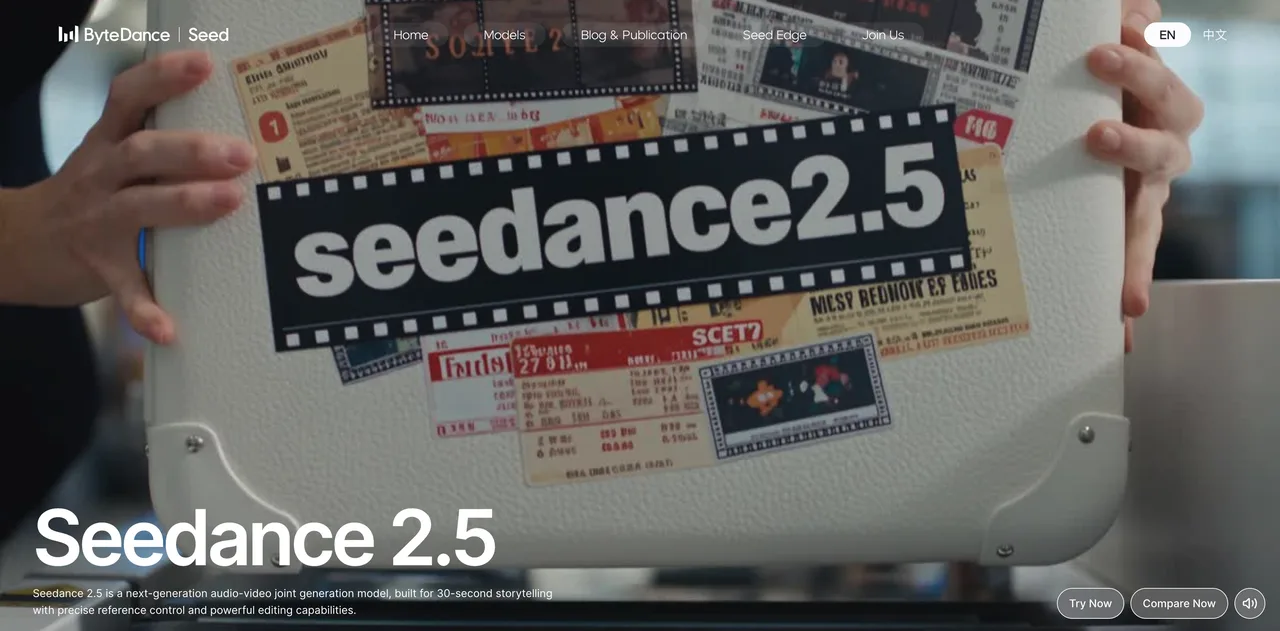
The official release route starts with ByteDance Seed. The ByteDance Seed launch post says Seedance 2.5 rolled out on Jimeng AI, Doubao Pro, and other platforms. It also gives the practical path: Jimeng Web > Video Generation > select Seedance 2.5, or Doubao Pro > Video Generation > select Seedance 2.5.
That answers Seedance 2.5 access at the entry level. It does not prove a permanent free plan.
A better way to read “free” is this: can you run enough controlled samples to decide whether paid testing is worth it? If the free route gives only one or two short clips, it is a smell test. Useful, but thin.
Free Credits, Trial Limits, and Paid Usage
Free credits are not evaluation capacity until you know their limits. The important fields are duration, resolution, watermark, export rights, expiry, retry rules, and whether the exact Seedance 2.5 model is selectable.
For a first pass, record this before you generate:
| Trial field | Why it matters |
|---|---|
| Free credits or free generations | Sets the real sample size |
| Max clip length | Seedance 2.5 can support longer clips, but plans may cap output |
| Resolution | 480p, 720p, 1080p, and 4K are not the same cost class |
| Watermark | A watermarked test may not work for client review |
| Commercial terms | Trial output does not always mean cleared campaign output |
| Expiry | Credits that expire before review are not production budget |
This step cannot be skipped. If you skip it, you pay it back later.
Compare Current Pricing Options
Jimeng AI, Doubao Pro, and Dreamina
Jimeng AI and Doubao Pro are the official consumer access routes named by ByteDance Seed. I would treat their in-app pricing and membership screens as the live source of truth, because public price cards can lag behind model rollout.
Dreamina is also a major studio-style access route for Seedance 2.5. Its public pages have promoted Seedance 2.5 access, free trials, subscriptions, and per-second comparisons. Attribute those claims to Dreamina, not to ByteDance Seed as a universal price. The same model can sit behind different product rules.
If the task is “where can I use Seedance 2.5,” these routes are enough to start. If the task is “what will the evaluation cost,” you need more than a plan name.
Studio Subscriptions, Credit Packs, and Published Rates
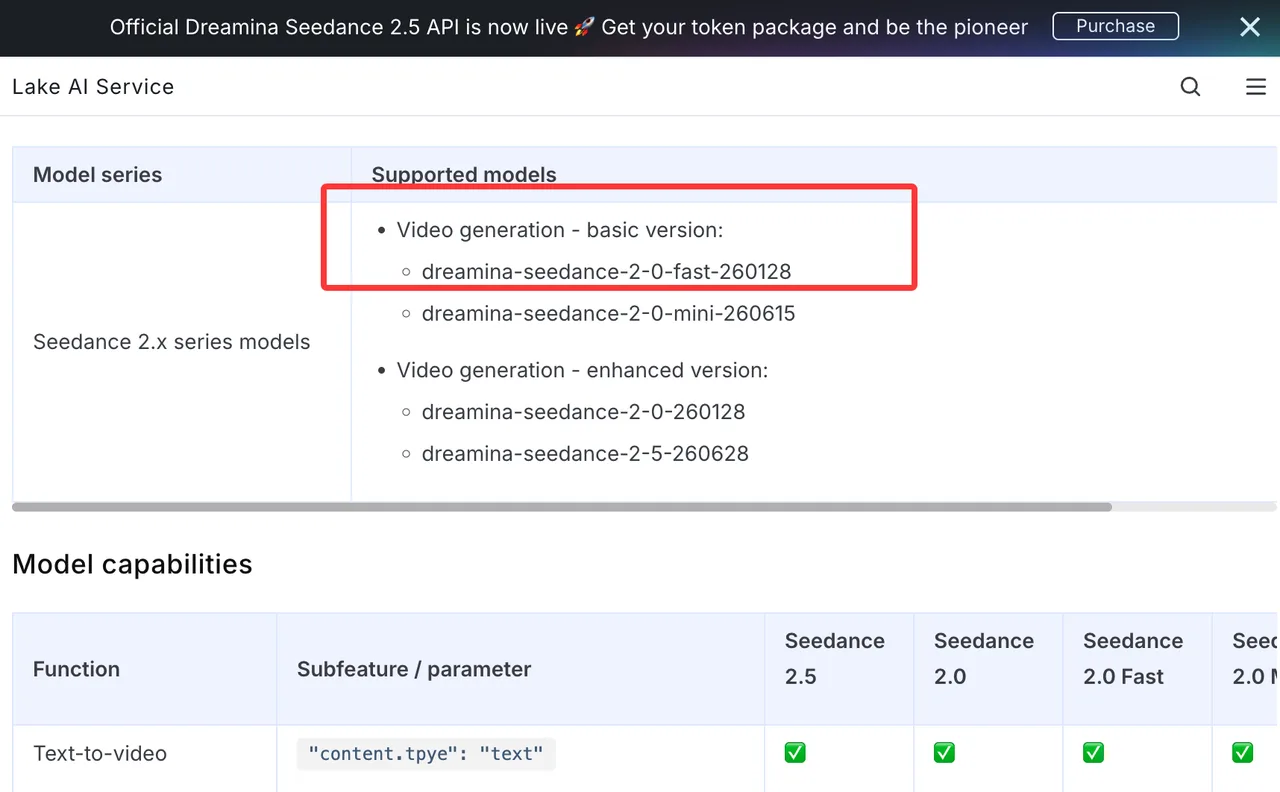
BytePlus gives the clearest published metered structure I found. The BytePlus video generation docs list the model ID dreamina-Seedance-2-5-260628, supported region ap-southeast-1, 4-30 second duration, and a pay-as-you-go billing formula based on video duration and conversion factors.
The same docs price Seedance 2.5 under the enhanced version at a base unit price of $0.303 per second, then apply resolution and input-video factors. That means the real charge depends on output duration, resolution, and whether input video is counted.
Estimate the Real Cost of Evaluation
Generated Seconds, Retries, and Usable Outputs
The real Seedance 2.5 cost is generated seconds multiplied by retries. A 30-second approved clip may require 120 or 180 generated seconds if the first attempts miss the action, timing, or reference binding.
For a small evaluation, I would not start with a full campaign. I would run:
| Test | Minimum sample |
|---|---|
| Simple text prompt | 2 short clips |
| Image reference | 2 short clips |
| Video or audio reference | 2 clips |
| Long clip | 1-2 clips at 20-30 seconds |
| Retry test | 2 reruns with one variable changed |
Cheap does not always mean cost-saving. Unusable generations are expensive.
Subscription Pricing Versus Usage-Based Billing
Subscriptions make sense when your team will test weekly and needs a predictable workspace. Usage-based billing makes sense when you are comparing one model for one project. Credit packs can work, but only if expiry and refund rules fit your review cycle.
If your team needs shared review, clean exports, and more than a few retries, paid access is usually the more honest evaluation. A free trial may stop right when the useful test begins.
Choose Between Trial and Paid Access
When a Free Trial Is Enough
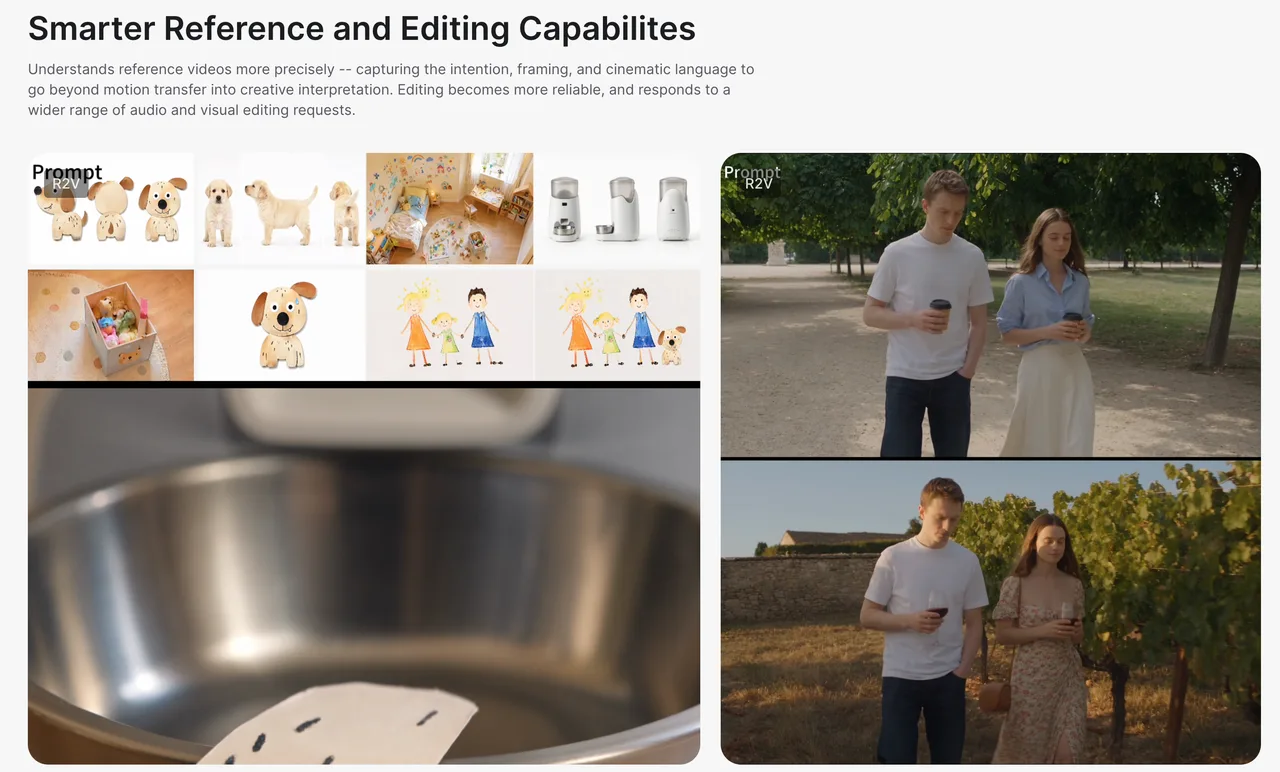
A free trial is enough when the question is narrow: can Seedance 2.5 follow your prompt, accept your reference type, generate the required aspect ratio, and produce motion that is worth deeper testing?
Use the smallest task that still resembles production. One product shot. One character. One motion instruction. One review note.
When Paid Access Provides a Better Evaluation
Paid access is better when you need 30-second clips, multiple references, non-watermarked exports, team review, or repeated attempts. This is also the point where access route matters. A studio surface and an API-style workflow answer different operational questions, so I would compare them separately in Seedance Studio vs API.
One person can remember parameters. A team cannot.
Limits and Trade-Offs
Free Offers and Pricing Can Change Quickly
Free offers can expire faster than the evaluation cycle. Annual-plan pricing, limited campaigns, regional access, and model availability may change without the model itself changing.
Date your cost notes. Screenshot the model selector. Record the checkout page before you buy.
Provider Plans May Expose Different Limits
Different platforms may expose different limits for duration, resolution, reference inputs, watermarks, retention, and collaboration. A provider saying “Seedance 2.5 available” does not mean every Seedance 2.5 capability is available in every plan.
That distinction matters when the team is comparing outputs across platforms. Otherwise, the model gets blamed for a plan limit.
FAQ
Do free Seedance 2.5 outputs permit commercial use?
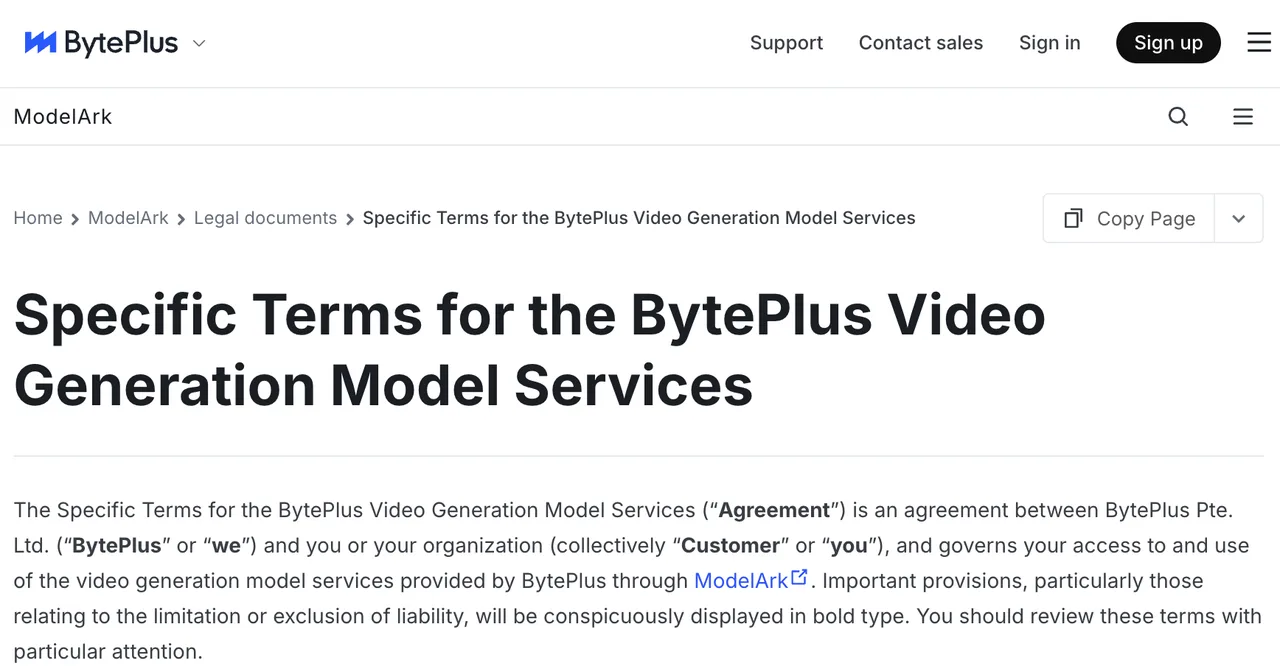
Not automatically. Commercial use depends on the provider terms, the specific plan, and the rights attached to your inputs. The BytePlus video generation terms put responsibility on the user for rights, legality, and suitability. Check the access platform before using trial outputs in client work.
Are Seedance 2.5 trial uploads retained after project deletion?
I did not find a clear public Jimeng, Doubao, or Dreamina answer for this exact deletion case. BytePlus documentation says task IDs are retained for 7 days and generated video URLs are valid for 24 hours, but that is not the same as a consumer project deletion policy.
Can trial users invite collaborators into a Seedance 2.5 project?
Not reliably disclosed across all access routes. Treat collaboration as a provider-plan feature, not a Seedance 2.5 model feature. Test this before starting team review.
Can Seedance 2.5 projects migrate between different access platforms?
I found no public guarantee for cross-platform project migration. Exported videos can move. Prompt history, reference bindings, edits, and billing records usually stay inside the platform that created them.
Do billing records identify the exact Seedance 2.5 model version?
BytePlus-style task records can expose a model field, and dreamina-Seedance-2-5-260628 is the documented model ID. Consumer billing records may not show that level of detail. For serious evaluation, screenshot the model name before each paid batch.
Conclusion
So, is Seedance 2.5 free? Partly. Free access can confirm first contact with the model. It cannot confirm real evaluation cost unless the trial gives enough runs to test references, retries, duration, export quality, and review flow.
For selection, lock five fields before spending: provider, model version, duration, resolution, and retry count. The conclusion is valid only at that scale.
Previous posts:
/filters:quality(82)/media/images/b73c2438-6bdd-4b80-a229-8d71d8f819cf.webp)
/filters:quality(82)/media/images/427fd9f2-347d-4f86-a2d5-aee110cda01d.webp)
/filters:quality(82)/media/images/1773962750383987480_n3hqzHRZ.webp)
/filters:quality(82)/media/images/43fa0e7f-a0db-48d7-9bab-921d1225db30.webp)
/filters:quality(82)/media/images/5799ff56-3a73-40ca-a666-e4965d878496.webp)
/filters:quality(82)/media/images/7a8850fc-caf6-482f-ac4d-5ddbe64ec47c.webp)