
DeepMotion Review 2027: Is Video Mocap Production-Ready?
DeepMotion review for animation teams: assess capture cleanup, retargeting, export fit, and cost before adding video mocap to a pipeline.
A motion file can look fine in a web preview and still cost an animator an afternoon. The useful question for this DeepMotion review is how much work remains between a source video and an animation that another team can import, edit, and ship.
DeepMotion Animate 3D turns video into skeletal motion for custom characters. Production readiness depends on foot contact, hidden limbs, retargeting, and export.
Can DeepMotion Turn Source Video Into Useful Motion?
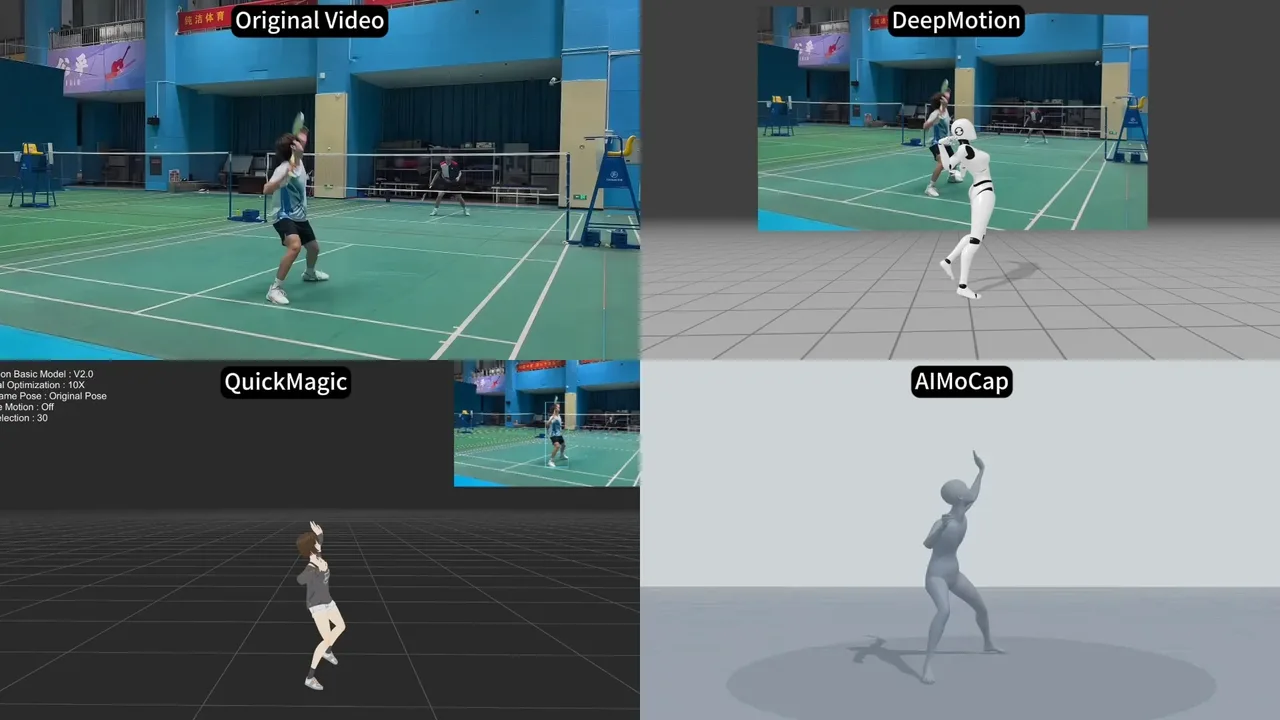
Choose a Controlled Performance Clip
Start with one licensed performer, one continuous action, visible feet, and a fixed camera. Record resolution, frame rate, camera placement, and processing settings. Without those, failures are hard to reproduce.
DeepMotion’s capture guidelines recommend a stationary camera, visible joints, neutral lighting, and contrast between the performer and background. They also advise avoiding loose clothing and body occlusion. The guide includes older plan limits that differ from the current pricing table, so use it for capture technique, not purchasing limits.
For a fair video to motion capture assessment, walk three steps, turn, plant a foot, reach across the body, and return. The walk reveals sliding; the reach tests occlusion. Keep difficult clips separate so they do not hide repair costs.
Inspect Foot Contact, Occlusion, and Jitter
At each planted step, check for sole drift and heel pops. Watch the pelvis and wrists through the turn. A joint snapping behind the torso may need more than smoothing.
DeepMotion documents foot locking modes: Auto for general motion, Always for stubborn sliding, Never for airborne movement, and Grounding when sliding is intentional. Access to some modes depends on plan. Treat each rerun as a separate candidate, then compare contact quality and the amount of manual repair it would create. A stronger lock can remove a slide and introduce an unnatural stop.
The API documents a pose filter that reduces jitter but may lose accuracy. A smooth mistake remains a mistake.
How Much Cleanup Does Retargeting Need?
Move From Captured Motion to a Target Character
Use the target rig early. Its proportions, shoulders, and feet may differ from DeepMotion’s preview character.
The official custom character requirements call for a rigged humanoid FBX or GLB, a T-pose, one root joint, unique joint names, and the feet on the origin plane. The character should face positive Z, with arms along X. An import failure here says little about the capture model; it may be a rig preparation problem.
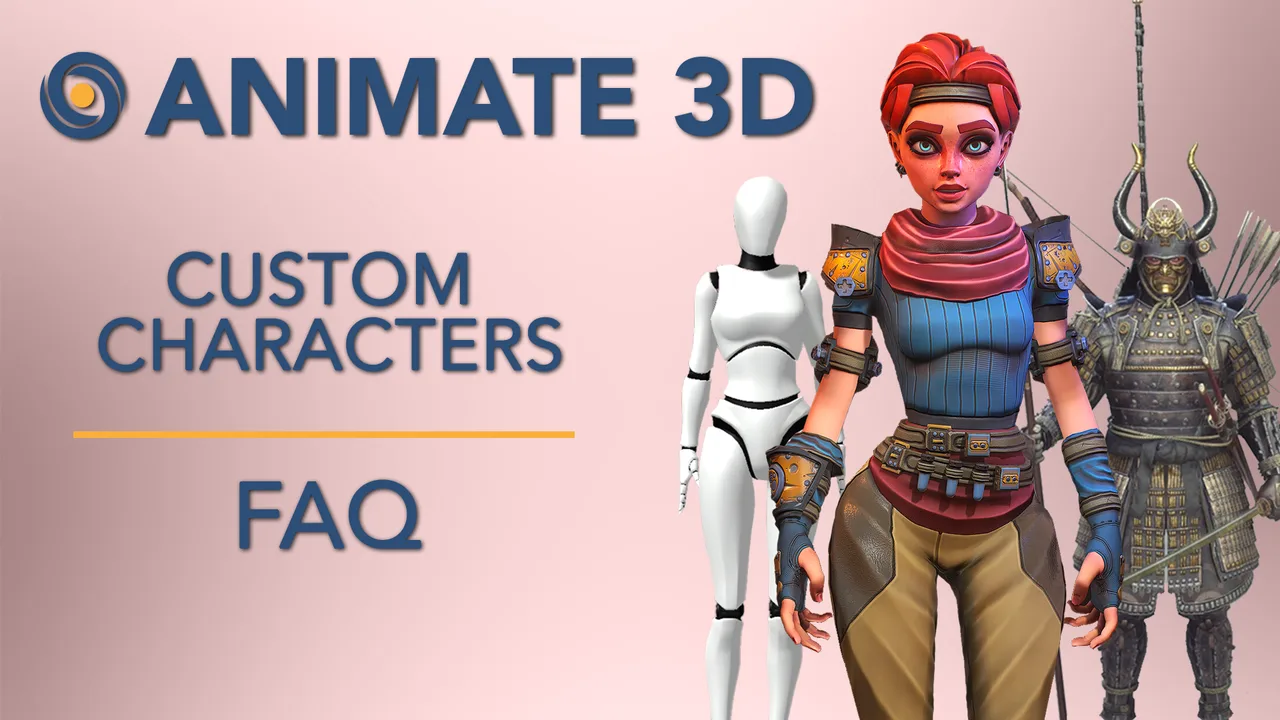
Check shoulder offsets, wrists, knees, hip height, and foot penetration. Test an idle-to-motion transition. A standalone clip may fail when blended into a game state machine.
Record Animator Corrections Before Delivery
DeepMotion provides a Rotoscope Pose Editor for frame-level joint correction. Record how long an animator spends correcting contact, hidden limbs, root motion, and the target rig. Separate edits made inside DeepMotion from edits made later in Blender, Maya, Unity, or Unreal. That split shows where the pipeline actually pays its repair bill.
Log each take as accepted, repairable, or rejected. Record corrected frames and hands-on minutes. Have another animator review the destination scene. No universal cleanup-time figure is credible without a specific clip and rig.
Does the Export Survive a Real Production Round Trip?
Check Root Motion, Frame Rate, Scale, and Axis Conversion
The extra acceptance step is to compare four things: source video, DeepMotion preview, exported animation, and the file reimported into the destination application. DeepMotion supports FBX, BVH, and, for custom characters, GLB. Those formats are useful, but a successful download does not establish that the scene can use the motion.
Check animation length, frame rate, character scale, facing direction, root trajectory, and where the feet touch the floor. Decide whether the game needs in-place motion or a moving root before export. If the target engine changes axes or units on import, the asset can acquire a new error after the web preview looked correct.
Reimport the FBX or BVH Before Calling the Capture Finished
Reimport the file into the application that will receive it, with the actual target skeleton and import preset. Play it beside the source video. Then save an acceptance note containing source clip ID, capture settings, exported format, target rig version, corrections, and remaining defects.
If another animator cannot reproduce the result from those files and notes, the capture remains a draft. A clean reimport is evidence of handoff.
What Does the Motion Pipeline Cost?
Include Failed Captures and Repair Time

DeepMotion cost is partly subscription credits and mostly the work around them. DeepMotion currently lists Starter at $9 per month billed annually with 180 monthly credits; higher tiers add credits, longer clips, reruns, and priority. The live pricing table and an older FAQ disagree on the free allowance, so confirm the account dashboard and checkout before budgeting.
The published base is one credit per second of body animation per performer. Hand and face tracking each add 0.5 credit per second. Ten seconds of body capture for one performer therefore starts at ten credits; enabling both extras doubles that to twenty. Multi-person jobs multiply the body seconds by the number of tracked performers.
Divide subscription cost, paid reruns, filming, and repair labor by accepted motions. Count rejected takes too. If ten clips consume work but six pass reimport, the cost belongs to six assets.
Separate Creative Cloud Use From API or SDK Access
The web subscription is not an API price list. DeepMotion lists Animate 3D API and real-time SDK access separately, with commercial terms supplied on request. Its official REST API repository documents upload, processing, status checks, downloads, reruns, experimental webhooks, and Python and JavaScript SDKs. It does not publish a blanket batch allowance or concurrency entitlement.
Library processing also needs job tracking, retries, storage, validation, and source-video IDs. Automation cannot approve a bad knee bend.
Which Teams Should Use DeepMotion?
Game and Video Character Prototypes
The strongest fit is controlled filming with a humanoid target rig and animator review. Locomotion variants, blocking passes, and NPC gestures have clear acceptance criteria.
Paid plans carry commercial rights, while Freemium output is for non-commercial use. The DeepMotion terms also restrict distributing or selling the motion as a stand-alone asset, including a retargeted animation. That distinction matters for client delivery: embedding motion in a shipped game or video and handing over a resellable FBX library are different uses. Obtain written clarification for any asset-only handoff.
Limits for High-Fidelity Final Animation
Close interaction, precise hand work, subtle weight shifts, and repeated contact with props raise the repair burden. Multi-person tracking exists, but DeepMotion’s multi-person capture guide advises spacing performers apart and avoiding crossings or close contact. Those constraints may conflict with the scene the director actually needs.
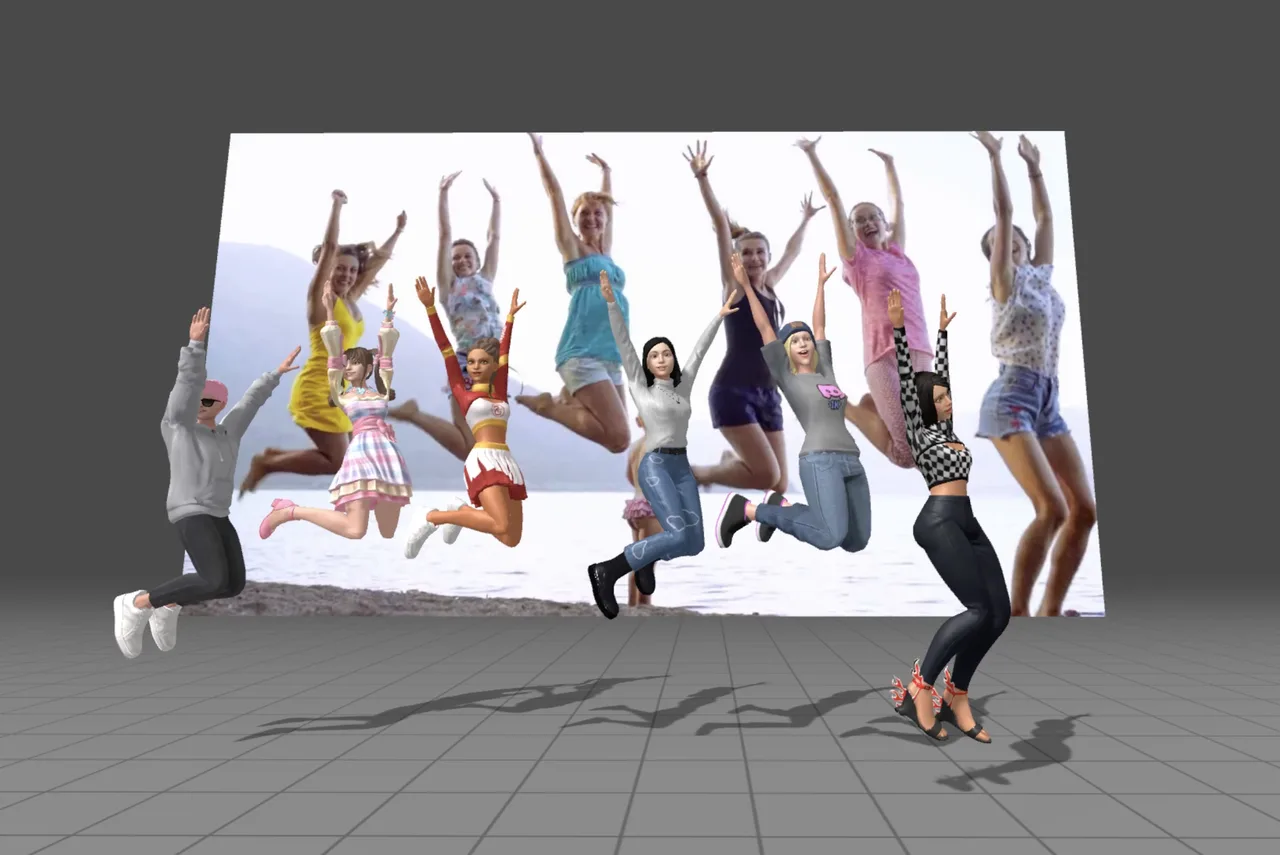
The verdict is conditional. DeepMotion can supply useful motion data; the public documentation cannot establish a final-animation pass rate. A team that needs exact performance fidelity should evaluate a licensed sample against its own rig and delivery standard before promising finished assets.
FAQ
Can DeepMotion track two performers in one source clip?
Yes. DeepMotion Animate 3D currently lists multi-person tracking even on Freemium, with plan-dependent limits. Two people can be tracked in one clip. Keep both bodies visible and separated; crossings and overlapping limbs increase the chance of identity swaps or bad joints. Multi-person API support is documented as experimental, so confirm the intended integration path separately.
Does DeepMotion capture individual finger movement?
Yes, optional hand tracking includes separate thumb and finger joints in the 3D animation export. Its hand tracking FAQ specifies joint segments and notes that visible, unobstructed hands work best. It does not promise reliable fine manipulation: fingers touching the face or each other are documented weak cases. Hand tracking adds 0.5 credit per second.
When does DeepMotion delete uploaded performance videos?
No fixed deletion period for uploaded performance videos is stated in the public privacy policy. It says private profile information may remain for a commercially reasonable period after account termination, which is not a video-retention schedule. Ask DeepMotion for written terms covering source files, backups, deletion requests, and any enterprise exception before uploading restricted footage.
Can DeepMotion jobs be submitted in batches through its API?
The DeepMotion API documents programmatic submission of individual jobs and status lookup for multiple request IDs. That permits an application to orchestrate a queue. A dedicated bulk-submit endpoint, public concurrency limit, and batch pricing are not disclosed in the cited API documentation. Confirm those terms before designing a high-volume worker.
What consent is needed for client-provided performer footage?
The uploader needs rights to submit the video and permission from identifiable performers for the intended processing and use. DeepMotion’s terms place that responsibility on the uploader. A client delivery should also specify who may upload, retain, edit, and receive the resulting motion. Requirements vary by location and contract; this is general information, not legal advice.
Conclusion
This DeepMotion review has a narrow answer: Animate 3D can create a useful starting asset from controlled footage, but production readiness is decided after correction, retargeting, and reimport. The next useful number is not generation speed. It is animator minutes and total cost per motion that passes the destination team’s acceptance check.
Previous posts:
/filters:quality(82)/media/images/1ecd59e5-56e4-434d-ae06-c414860b29b8.webp)
/filters:quality(82)/media/images/c347367a-a007-4466-b8f7-d37f5fb52819.webp)
/filters:quality(82)/media/images/cd4db796-7728-45fb-8267-6813ed28e173.webp)
/filters:quality(82)/media/images/1791535252286714222_v4jvJT2a.webp)
/filters:quality(82)/media/images/1791451065663755033_qNqAKS1a.webp)
/filters:quality(82)/media/images/1791359984291066138_tW5eOX6f.webp)