
FLUX 3 Video Early Access: What AI Builders Need to Know
FLUX 3 Video is in early access. Learn what Black Forest Labs has confirmed, what access includes, and how builders should evaluate it before production.

Hey, it’s Dora. I would not treat FLUX 3 Video as “just another video model launch.” The interesting part is the boundary. Black Forest Labs is putting video, image, and audio under one model story, while the access path is still changing fast. That is exactly where builders make bad assumptions.
This is a readiness note for video API builders and creative infrastructure teams. It is not a hands-on quality verdict. I did not run private test outputs here. I’m reading the public evidence, the current docs, and the parts that still need verification before anyone builds a production dependency around it.
What FLUX 3 Video Early Access Includes
Text, Image, Video, and Audio in One Model
Black Forest Labs describes FLUX 3 as a multimodal video model trained across image, video, and audio. The FLUX 3 launch post says the model jointly learns from those modalities instead of treating them as separate generators.
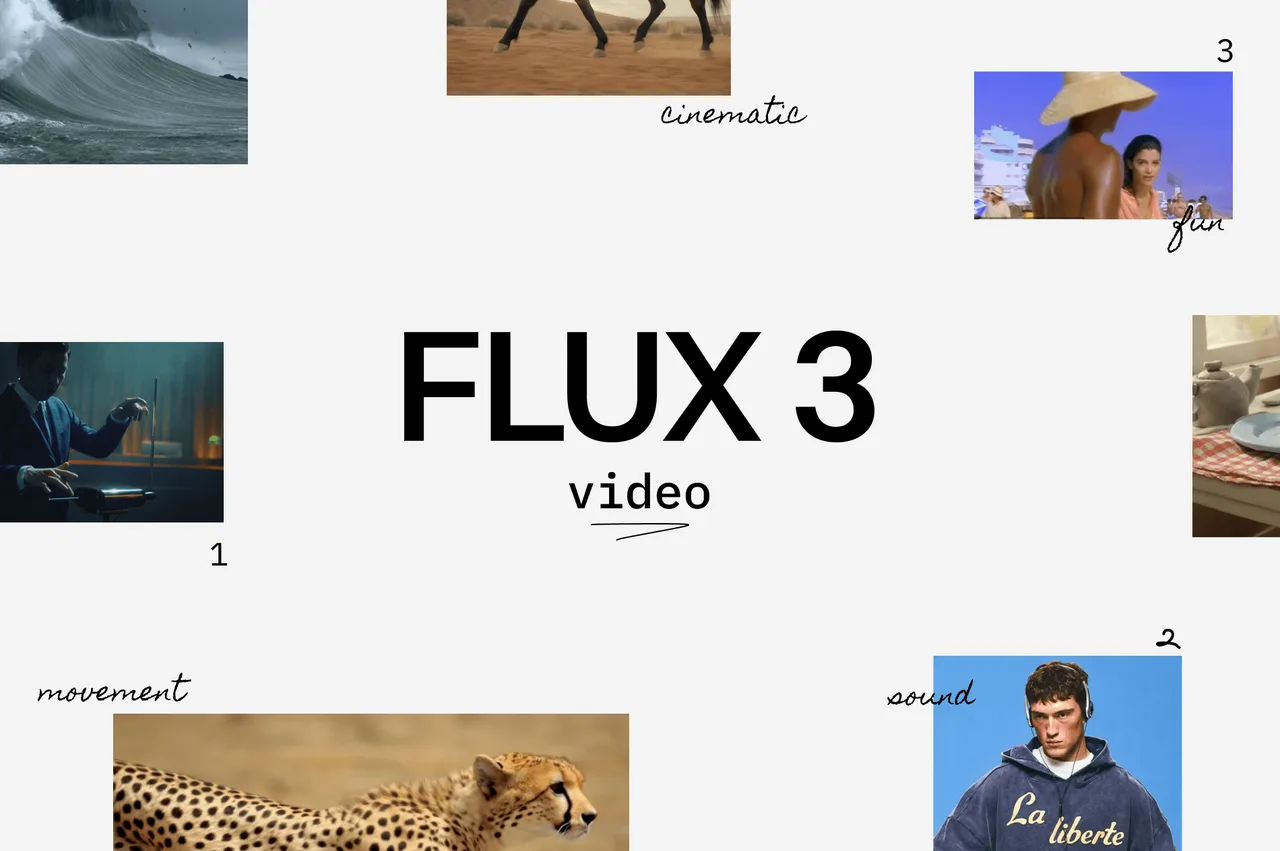
For builders, the practical claim is this: video and audio generation is not bolted on as a separate post-process in the story BFL is telling. The model is positioned around synchronized motion, sound, speech, and visual continuity.
Confirmed Video Generation and Editing Capabilities
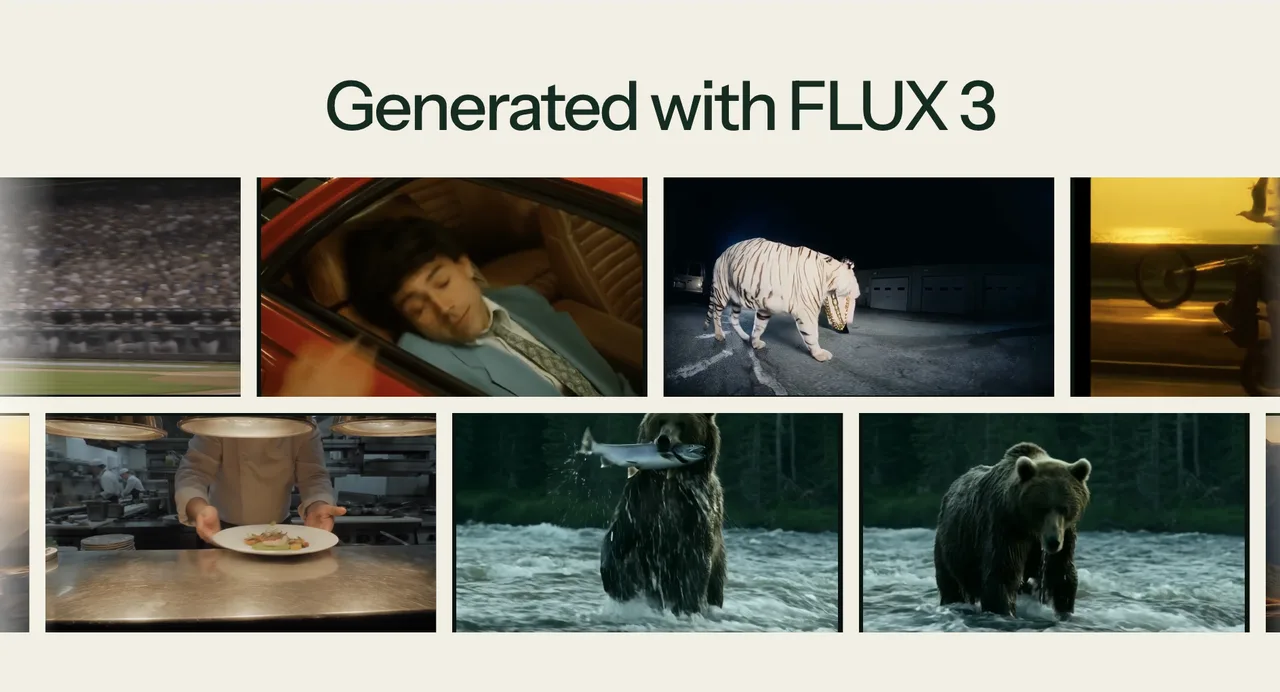
The public capability list includes text-to-video, image-to-video, video-to-video, video continuation, keyframe-to-video, multilingual dialogue, native audio, typography, multiple styles, and longer sequences built by chaining clips.
Current FLUX 3 docs list t2v, i2v, and v2v modes on the same FLUX 3 overview, with up to 20 seconds at FHD, 24 fps, and synchronized audio. The docs also say FLUX 3 is a preview model and that video editing and Omni Reference with images and videos are still marked as coming soon.
That split matters. Some workflows are documented. Some are launch-plan language. Don’t blur them.
Understand the Current Access Boundary
Early Access Today and the Planned API Path
The original FLUX 3 early access framing was cautious: access first, rollout later, API and private weight paths after early access. Current documentation has moved further. BFL’s release notes list FLUX 3 Video as available as a preview, with endpoint POST /v1/flux-3-video.
The FLUX 3 API reference shows prompt, mode, aspect_ratio, duration, resolution, version, generate_audio, safety_tolerance, and draft. It also shows async responses with id, polling_url, and cost metadata.
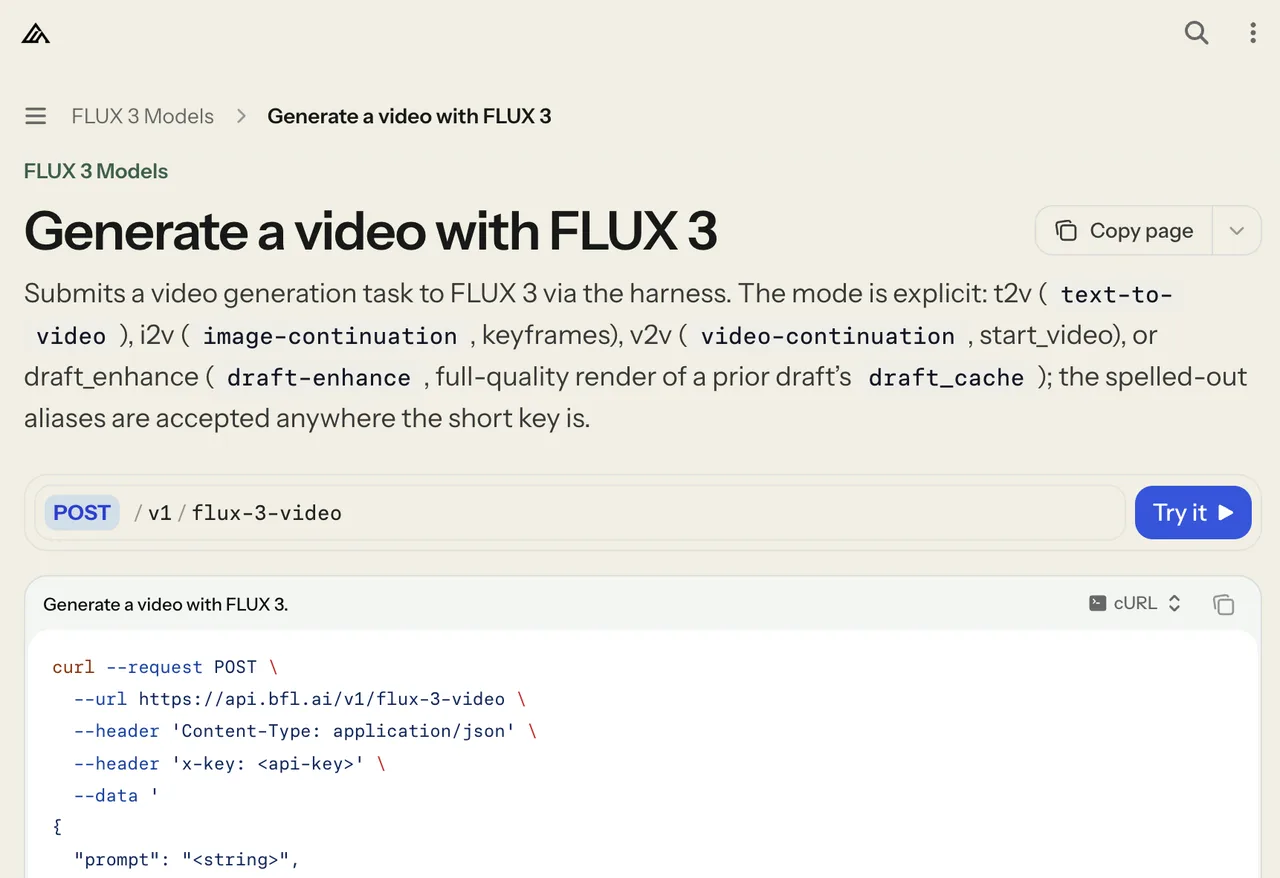
So the current boundary is not “no API evidence.” It is “preview API evidence, still not a mature long-term production contract.” This conclusion has an expiration date. Models update fast.
Private Weights, Open Weights, and Unreleased Details
Do not write that weights are openly available for this system unless the specific weight artifact, license, and model ID are public.
The launch plan separates FLUX 3 Video, FLUX 3 Image, FLUX 3 Action, and FLUX 3 Dev. BFL says private weight access and open-weight access are part of the rollout, but the open-weight FLUX 3 Dev backbone is described as coming soon. That is not the same as released.
If a procurement note needs weight access, it should record the exact source, license text, allowed deployment, redistribution terms, and commercial restrictions on the day of review. Better than making something up.
Read the Early Evaluation Evidence Carefully
What Black Forest Labs Tested and Reported
BFL says its preliminary video analysis used 10-second text-to-video clips in 720p with audio. It reports preference wins against several named systems, including up to 69% over Grok Imagine Video, 77% over Runway Gen-4.5, and 93% over Luma Ray 3.2 in its own early evaluation.
That is useful launch evidence. It is not an independent benchmark.
The wording matters because preference studies can shift with prompts, raters, sampling, duration, output selection, safety filtering, and whether audio is judged separately or as part of the whole clip.
Why Preliminary Preference Results Need Independent Validation
A builder should not adopt a Black Forest Labs video model because a vendor table looks strong. The right interpretation is narrower: BFL has reported early preference evidence that justifies testing.
An internal evaluation should separate visual quality, audio alignment, prompt following, identity consistency, motion stability, text rendering, editability, and failure recovery. Aggregate preference hides too much. I paused here because this is where launch posts get over-read.
Build a FLUX 3 Video Evaluation Plan
Freeze Prompts, References, Duration, Audio, and Review Criteria
Use the same method I’d use in a video model evaluation checklist: freeze the tasks before seeing outputs.
Keep a locked set of prompts across product ads, explainers, character scenes, typography shots, product motion, multilingual dialogue, and reference-driven clips. Store reference images and videos with hashes. Fix duration, aspect ratio, audio on/off, draft/full render, and retry rules.
Reviewers should score the output against a rubric, not vibes. Include motion coherence, identity hold, audio-event sync, lip sync, text accuracy, brand safety, edit usefulness, and whether the clip needs manual repair.
Measure Quality, Latency, Cost, Failure Rate, and Review Burden
Quality is not the only number.
Track submission latency, time to ready, failed jobs, moderation blocks, retry rate, cost per approved clip, cost per rejected clip, review minutes, and manual editing time. For teams building AI video infrastructure, the rejected-output cost often hurts more than the successful-output cost.
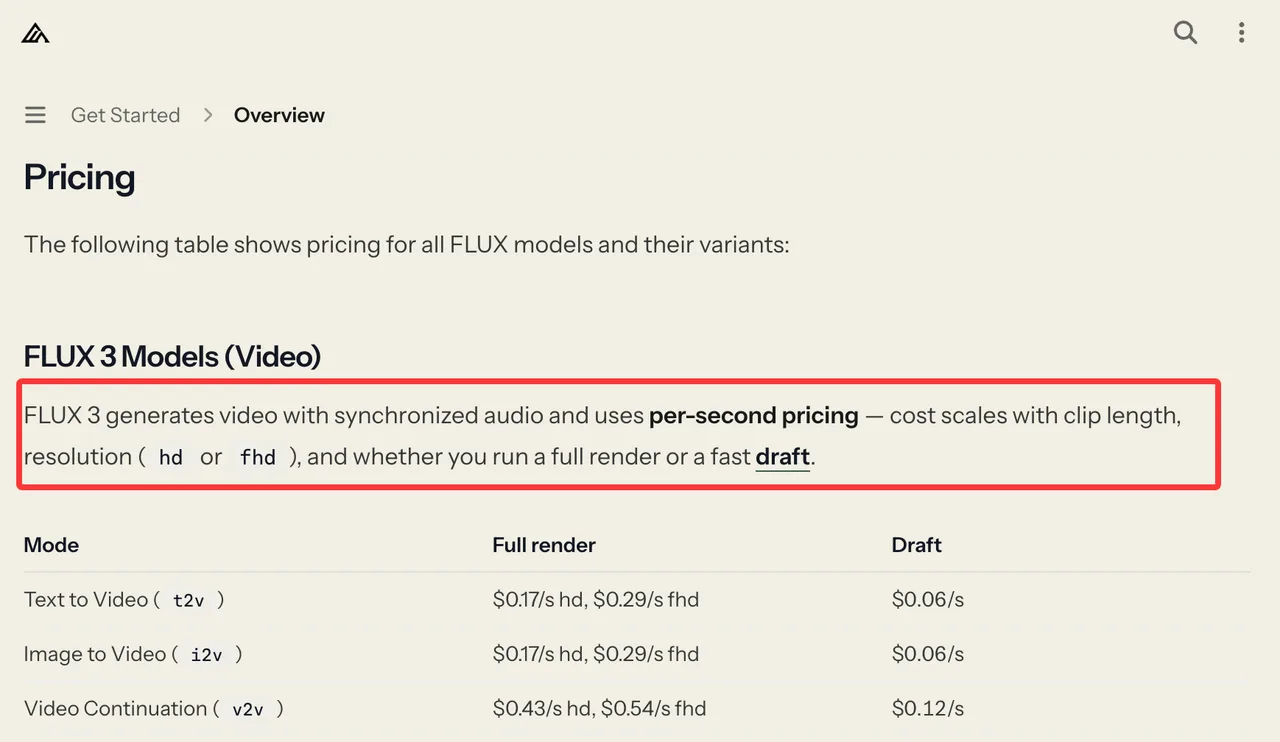
BFL’s pricing overview lists per-second FLUX 3 rates by mode, resolution, and draft/full render. Treat those numbers as current, not permanent. Pricing pages move.
Decide Whether Early Access Fits Your Product
Prototype Value Versus Availability and Integration Risk
Early access is useful when the upside is learning. It is risky when the business treats it like stable supply.
A prototype can test prompt shape, audio behavior, shot planning, storyboard workflow, review policy, and cost envelope. A production launch needs stronger evidence: version pinning, rate limits, uptime expectations, safety behavior, data handling, support path, and rollback options.
Draft mode is interesting for iteration because it lets teams explore before committing to full quality. Still, draft approval is not final approval. The enhanced render needs its own review.
Existing Video Models, Fallbacks, and Exit Criteria
Keep existing video providers in the test plan. Not because FLUX 3 is weak. Because early-access systems change.
Define exit criteria before the trial: maximum failure rate, maximum cost per accepted clip, maximum manual edit time, and minimum approval rate. Also define fallback paths for key workflows. If text-heavy ads fail, route those elsewhere. If multilingual dialogue is the reason to test FLUX 3 API, isolate that workload and measure it directly.
Prepare for Production Readiness
API Contracts, Versioning, Safety, Rights, and Data Handling
Production readiness starts with contracts. Pin request fields, response fields, result URL handling, timeout rules, retry logic, and cost logging.
The BFL API currently uses x-key authentication and asynchronous polling. Result URLs and draft caches need prompt download and storage rules. Do not serve vendor delivery URLs directly to customers unless the docs support that workflow.
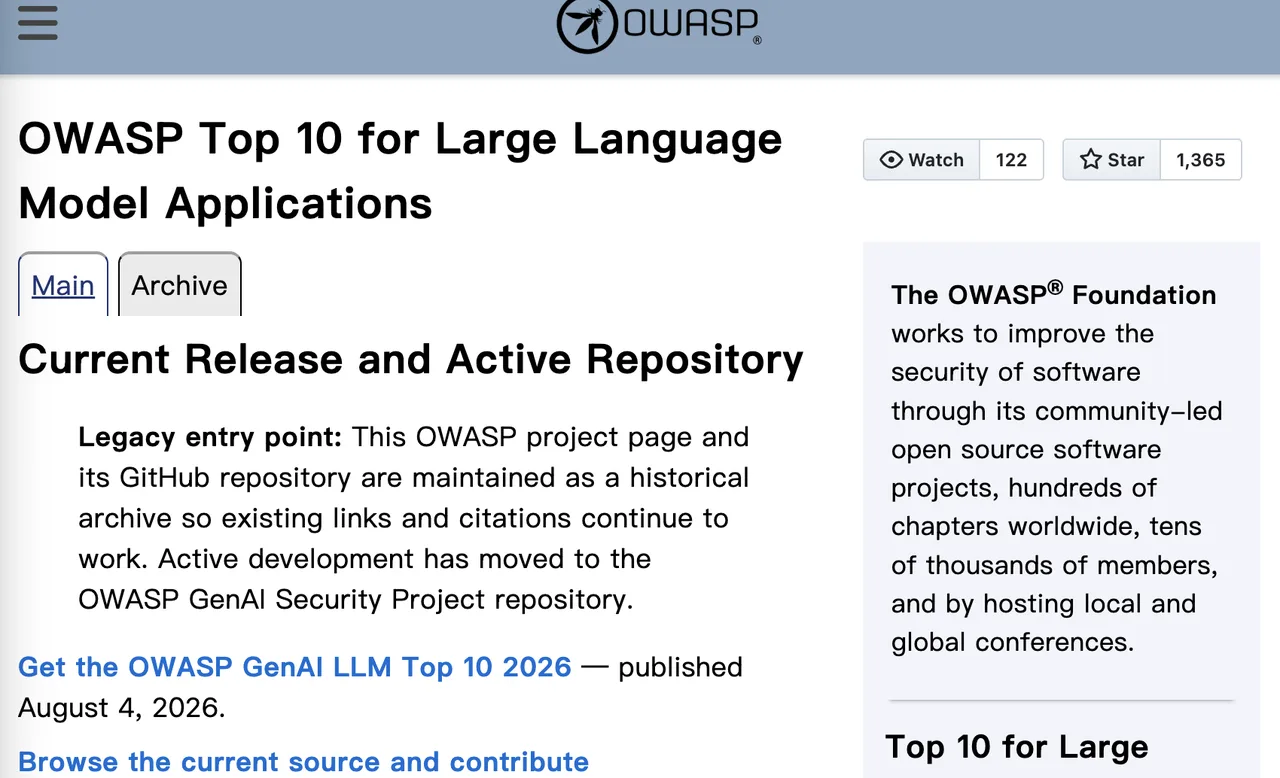
Safety and rights need separate review. BFL’s Usage Policy covers prohibited uses, provenance interference, misleading realistic content, IP issues, and human review responsibility. For risk governance, OWASP’s LLM application risks are a useful checklist, even though this is a media model workflow rather than a chat app.
Observability, Capacity, Rollback, and Retest Triggers
Log prompt version, references, mode, duration, resolution, audio setting, safety setting, cost, result status, reviewer decision, and publication decision.
Retest when BFL changes a model version, endpoint behavior, pricing, moderation policy, reference handling, or output format. Retest when your product changes the prompt template or customer segment. A launch eval gets stale quickly.
Have a rollback path. If an early-access endpoint changes during a campaign, the owner should know whether to pause generation, route to another model, or switch to manual review.
FAQ
Who can approve early-access outputs for customer demonstrations?
Use a named reviewer, not “the team.” For demos, approval should usually sit with the product owner plus brand or legal review when real people, logos, voice, likeness, or customer material appears.
Can teams publish evaluation results without vendor approval?
They can publish their own results only if contracts, platform terms, confidentiality terms, and benchmark policies allow it. Early-access agreements often limit public disclosure. Check the signed terms before posting numbers.
Who owns incident handling when an early-access endpoint changes?
The product team owns customer impact. The platform team owns routing, observability, and rollback. The vendor may support the endpoint, but it does not own your release process.
How should procurement evaluate access without public pricing?
If pricing is not public for a specific access tier, procurement should request written pricing, volume terms, support scope, data terms, and exit rights. No public price means “needs quote,” not “free” or “blocked.”
Who answers takedown requests for an early-access video?
The publisher or application operator needs a takedown process. BFL’s IP policy may define vendor-side reporting, but customer-facing removal, records, and escalation still need an owner inside the product team.
Conclusion
FLUX 3 Video is worth watching because the model story is broader than clip generation: video, image, and audio are being pushed into one preview system with an API path. That is the opportunity.
The boundary is just as important. Some API details and pricing are now documented. Some rollout pieces, including open weights and certain editing paths, remain separate or unfinished. Treat it as early access until your own evaluation proves the workflow, cost, review load, and rollback plan. That’s the most honest assessment I can give.
Previous posts:
Related Articles
/filters:quality(82)/media/images/1791535252286714222_v4jvJT2a.webp)
ModelsLab Review 2027: One API for Media Models?
/filters:quality(82)/media/images/1791451065663755033_qNqAKS1a.webp)
Best AI Video Background Removal Tools in 2027
/filters:quality(82)/media/images/1791359984291066138_tW5eOX6f.webp)
Best Comfy Cloud Alternatives in 2027
/filters:quality(82)/media/images/1773962750383987480_n3hqzHRZ.webp)
Qwen Image 2.1 vs Qwen Image 3.0: What Changes and When to Upgrade
What's Next for Wan Video Generation, and What It Means for Creators
/filters:quality(82)/media/images/1791271002496939282_TBLU3cmv.webp)