
Run FLUX.2 klein Locally: Hardware and Workflow
Flux Klein local deployment starts with choosing the right 4B or 9B artifact. Set up a reproducible workflow, measure memory, and plan fallback options.
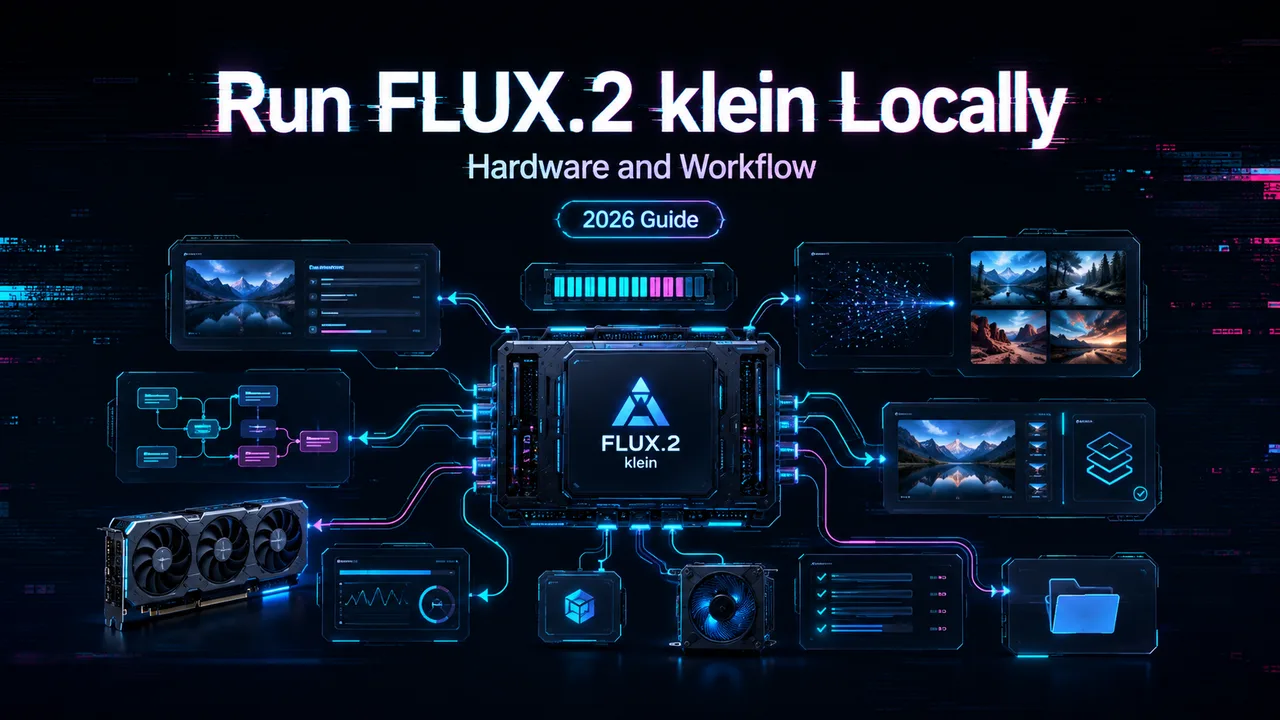
It’s John here. I would not start a Flux Klein local deployment by asking, “Will this fit on my GPU?” That question is too vague. Fit depends on the exact artifact, precision, resolution, steps, batch size, offloading, driver stack, and whether someone quietly swapped in a community quantization.
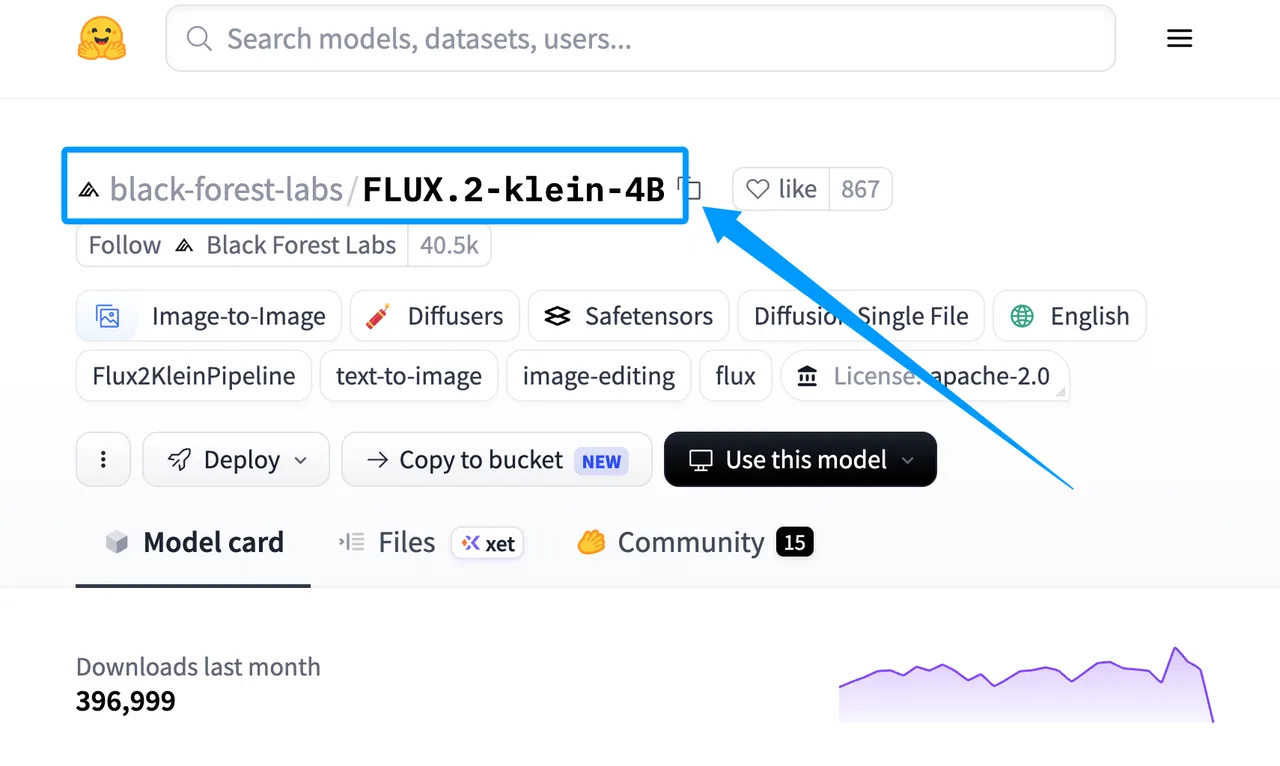
The two core Hugging Face artifacts are not the same operational decision. The FLUX.2-klein-4B model card lists Apache 2.0, BF16 safetensors, text-to-image, image editing, and multi-reference support. The FLUX.2-klein-9B model card is gated, uses the FLUX Non-Commercial License, and requires users to accept access conditions before files are available. Do not download first and ask legal later. That is how local experiments become asset cleanup work.
Choose the Right FLUX.2 klein Artifact
4B, 9B, Base, Distilled, and Quantized Options
Start with the artifact, not the marketing name. “FLUX.2 klein” covers more than one checkpoint.
| Artifact type | Best evaluation use | License check |
|---|---|---|
| FLUX.2 klein 4B distilled | Fast local image model deployment, interactive previews, product prototypes | Apache 2.0 on official model card |
| FLUX.2 klein 9B distilled | Higher-quality research or non-commercial evaluation | Gated, FLUX Non-Commercial License |
| 4B / 9B Base | Fine-tuning, LoRA work, more flexible experiments | Match each base checkpoint license |
| Quantized builds | Hardware-constrained tests | Treat as third-party unless published by BFL |
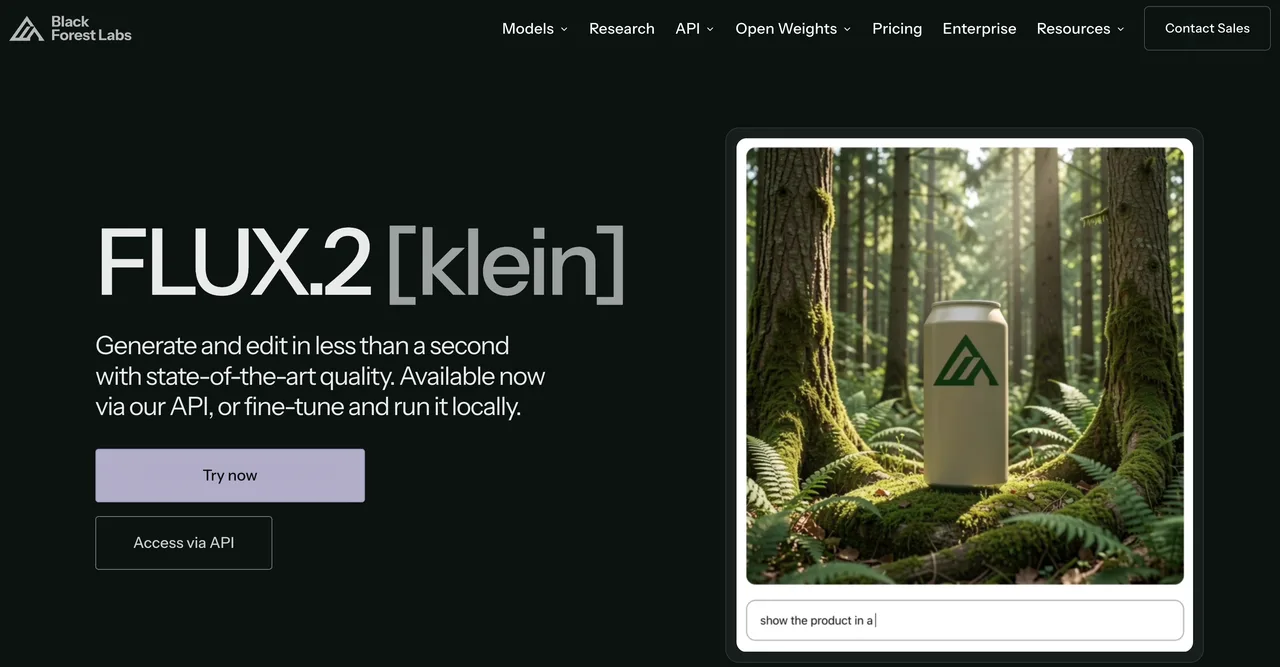
The official FLUX.2 klein page lists four variants: 4B, 4B Base, 9B, and 9B Base, with separate license and VRAM columns. I would use that page to understand the family, then use the exact Hugging Face repo to lock the artifact.
Quantized options need a separate line in the test sheet. Hugging Face shows community quantizations under model trees, but that does not make them official BFL releases. If you test one, record the author, source repo, quantization method, base commit, tensor format, and any license inherited from the original model.
License and Access Checks Before Download
For FLUX.2 klein 4B, Apache 2.0 makes commercial evaluation simpler, though trademark, safety, and output policy still need review. For FLUX.2 klein 9B, the gated flow and non-commercial license change the deployment boundary.
The FLUX non-commercial license defines non-commercial use and separates outputs from model derivatives. I would still send this to legal before any business-facing use. The phrase “local” does not override license terms.
Prepare the Local Environment
Drivers, Framework Versions, and Model Caching
A reproducible local run needs more than pip install. Record GPU model, VRAM, CPU, RAM, OS, NVIDIA driver, CUDA version, Python version, PyTorch version, Diffusers commit, model revision, precision, and cache path.
The official FLUX.2 repo says its inference code was tested with CUDA 12.9 and Python 3.12 on GB200. That is not a minimum spec for your workstation. It is a reference point.
For GPU image generation, I would make one environment per artifact family. Mixing old PyTorch wheels, new Diffusers code, and cached model files is how “it worked yesterday” turns into a two-hour archaeology session.
Isolated Dependencies and Reproducible Configuration
Use a clean virtual environment or container. Pin the package versions. Pin the model revision. Put settings in a checked-in config file, not in a Slack message.
At minimum, store:
- model repo and commit
- pipeline class
- dtype
- device map
- CPU offload setting
- height and width
- inference steps
- guidance scale
- seed
- prompt
- input references
- output file hash
One person can remember parameters. A team cannot.
Run the First Reproducible Generation
Load the Model and Verify the Pipeline
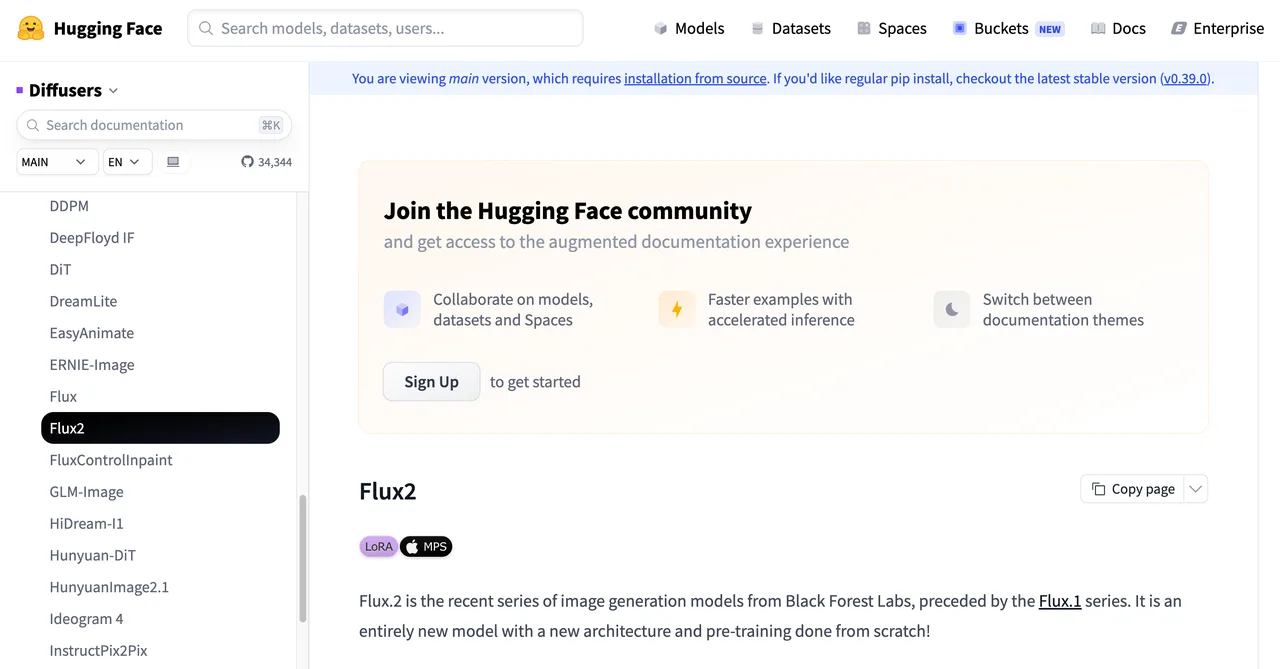
For Diffusers, the relevant class is Flux2KleinPipeline. The Hugging Face Flux2 pipeline docs describe Flux2KleinPipeline and the KV-cached variant for reference-image conditioning.
For a diffusers FLUX Klein test, I would not start with a complicated prompt. Use one simple text-to-image prompt, then one single-reference edit, then one multi-reference edit. Save the output and the logs every time.
This cannot be judged by feel. It needs a sample run.
Capture Inputs, Settings, Outputs, and Logs
The first successful image is not the milestone. The first reproducible image is.
I would capture:
- command or script path
- full dependency lock
- model revision
- hardware snapshot
- seed
- prompt
- output hash
- generation time
- peak GPU memory
- warnings and errors
- whether safety or watermark settings were active
If the same command cannot reproduce the same class of result after a clean restart, the local workflow is not ready.
Measure Hardware Fit on Your Own System
Peak Memory, Latency, and Output Stability
Official sources give useful numbers, but they do not replace your benchmark. The 4B Hugging Face card mentions one VRAM figure, while the BFL model page reports another measurement context. That is normal. It is also the reason I do not write “minimum GPU” claims without a test matrix.
Run three passes:
- cold load plus first image
- warm generation with same settings
- batch or queued generation under expected use
Track peak VRAM, system RAM, load time, generation time, OOM failures, retry behavior, and whether outputs remain stable at the target resolution.
Precision, Offloading, and Quantization Trade-Offs
BF16 is the clean first test if your GPU supports it. CPU offload can reduce GPU pressure, but it may add latency. Quantization can help local deployment fit smaller hardware, but it can also change output quality, compatibility, and failure modes.
Do not compare official BF16 4B against a third-party quantized 9B and call it a model comparison. That is a runtime comparison. Label it that way.
Harden the Local Workflow
Queues, Error Handling, and Output Storage
Once the first run works, add boring production controls: a queue, per-job timeout, structured logs, output storage, cleanup policy, and a failed-job folder with the input config attached.
Local image model deployment fails in plain ways: OOM, corrupted cache, incompatible wheel, missing access token, disk full, driver mismatch, or a model revision that moved. Each failure should produce an error category, not just a stack trace pasted into a ticket.
Remote API Fallback and Recovery Criteria
A remote fallback is not a moral failure. It is a recovery path.
Use a hosted API only when the local queue is down, the user needs faster turnaround, or the hardware cannot handle the requested settings. But keep model IDs separate. Do not tell customers they received FLUX.2 klein locally if the job actually ran through a remote provider.
A platform or unified API layer can help here only if it returns the exact model ID, cost, output policy, and request trace. If that evidence is missing, the fallback is not audit-ready.
FAQ
Can local model files live in a private registry?
Yes, if the license allows redistribution inside your organization and access is controlled. Store the original source, revision, checksum, license file, and approval record beside the artifact.
How should teams document third-party quantization provenance?
Record the source repo, author, base checkpoint, quantization method, calibration notes if provided, file hashes, license inheritance, and test date. Do not label it as an official Black Forest Labs artifact unless BFL publishes it.
What happens to cached weights after access is revoked?
Cached files do not become compliant just because they remain on disk. If access or license rights change, treat local caches as governed assets. Freeze use, review the license state, then delete or quarantine files according to policy.
Can shared GPUs serve unrelated tenant workloads safely?
Only with isolation controls: separate users, containers, storage paths, network policy, logs, and cache boundaries. Shared GPU memory and shared model caches can create operational and data-governance risk.
Who approves commercial use of locally hosted outputs?
Legal should approve license fit. Security should approve hosting. Product should approve customer-facing behavior. The model owner should approve the exact artifact and revision. For FLUX.2 klein 9B, commercial use needs extra care because the official model card marks it non-commercial.
Conclusion
A Flux klein local deployment is ready only when the artifact, license, environment, generation settings, hardware measurements, logs, and fallback rules are all written down. FLUX.2 klein 4B is the simpler starting point for commercial local testing because of Apache 2.0. FLUX.2 klein 9B may be valuable for research, but its gated access and non-commercial license make it a different workflow.
My next step would be a 10-image canary on the exact workstation, with peak memory and output hashes captured. The conclusion is valid at this scale.
Previous posts:
Related Articles
/filters:quality(82)/media/images/1791535252286714222_v4jvJT2a.webp)
ModelsLab Review 2027: One API for Media Models?
/filters:quality(82)/media/images/1791451065663755033_qNqAKS1a.webp)
Best AI Video Background Removal Tools in 2027
/filters:quality(82)/media/images/1791359984291066138_tW5eOX6f.webp)
Best Comfy Cloud Alternatives in 2027
/filters:quality(82)/media/images/1773962750383987480_n3hqzHRZ.webp)
Qwen Image 2.1 vs Qwen Image 3.0: What Changes and When to Upgrade
What's Next for Wan Video Generation, and What It Means for Creators
/filters:quality(82)/media/images/1791271002496939282_TBLU3cmv.webp)