
Image Generation API Implementation Guide 2026
Image generation API implementation helps teams define requests, responses, validation, rollout, and maintenance before launch.
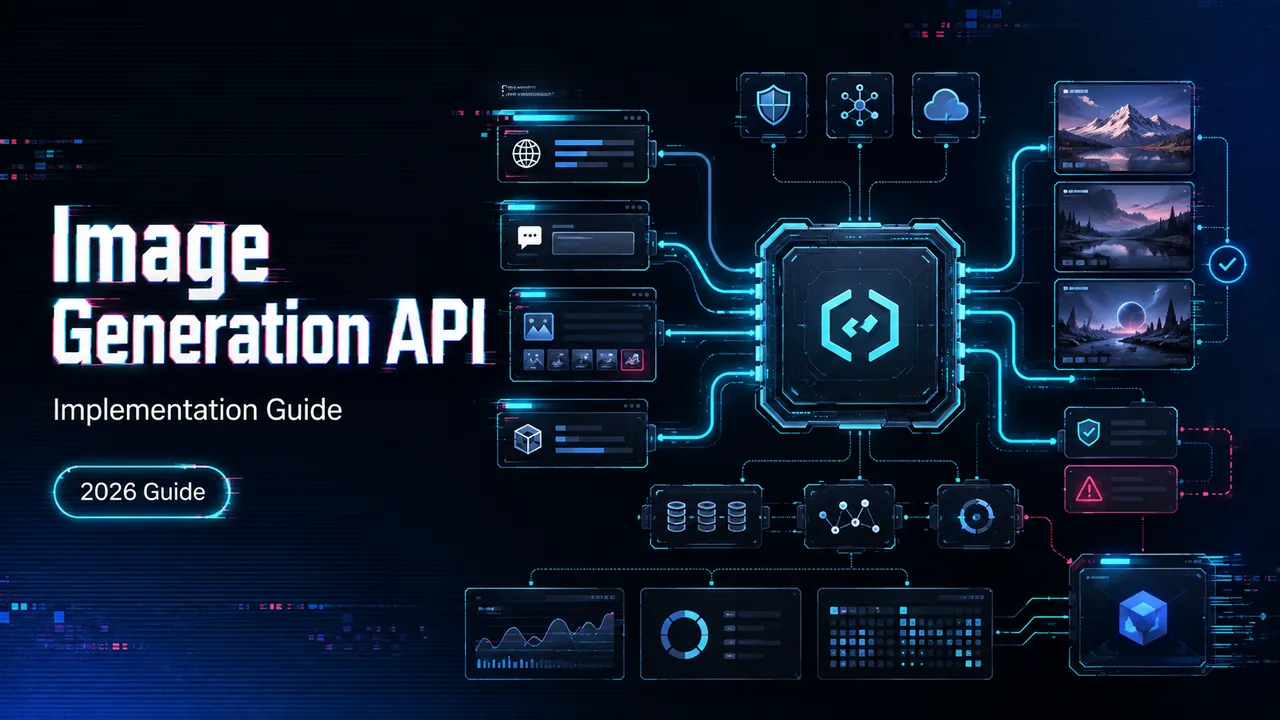
An image generation api integration is not ready when the first prompt returns a clean picture. That is the demo line. Production starts after that: authentication, request schema, job states, failure codes, review labels, rollback, version pins, and evidence that the provider still supports the model, region, rate limit, data policy, and output rules you built around.
It’s John. I have seen teams move too fast here. One good test output turns into a roadmap item, then nobody knows whether blocked outputs are logged, whether edit requests have a different schema, or who owns changelog checks.
This guide is for AI product teams, backend engineers, and platform teams building the implementation contract. This article starts after selection, when the API has to survive release.
Define the API Contract
Authentication, Request Schema, and Required Inputs
Start with the contract, not the SDK snippet. A snippet proves one call worked. A contract tells the next engineer what must keep working after models, p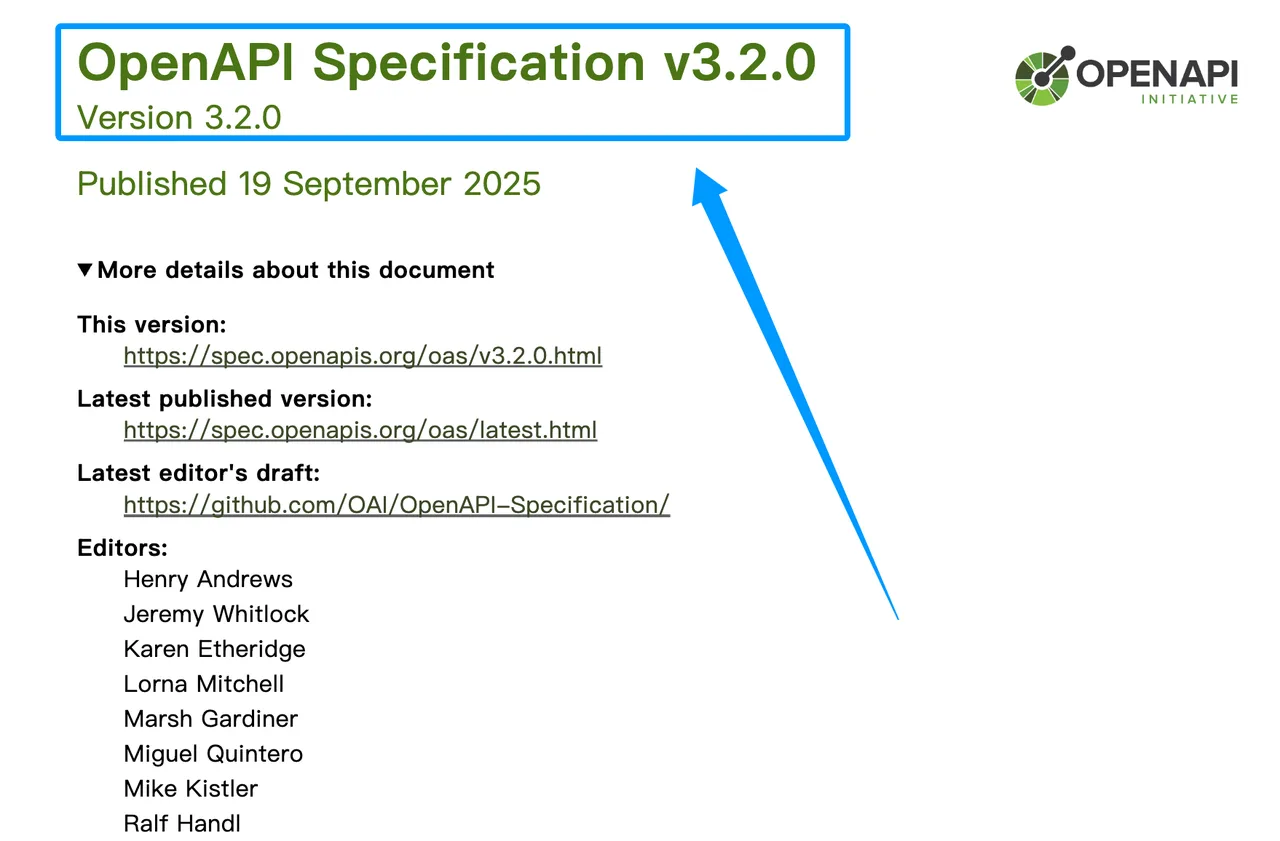 roviders, and product surfaces change.
Use the OpenAPI Specification or an internal schema standard to define the product-owned interface. Do not expose provider-specific fields directly unless the product accepts that dependency. Your contract should say which fields are required, which are optional, which are provider-mapped, and which are not allowed.
For a text to image API, the minimum contract usually includes authentication context, tenant or workspace ID, provider route, model reference, prompt, size or aspect ratio, output format, safety settings, callback URL, and request metadata. For an image editing API, add input image IDs, source image rights, mask handling, edit instruction, and rules for which image receives the mask when several inputs are present.
The official OpenAI image generation docs are a useful reminder that generation and editing can be exposed through different API patterns, and that supported output customization depends on the API and model path. That is exactly why the product contract should sit above any single provider.
A practical request schema should also include evidence fields outside runtime code: official API docs URL, model catalog URL, region support page, rate limit page, commercial terms, data retention page, output policy, and changelog URL. Store the reviewer and date. The team should not have to reconstruct this from chat history.
| Contract Area | Fields to Define |
|---|---|
| Request | auth_context, tenant_id, model_ref, prompt, image_inputs, size, output_format, safety_settings, callback_url, metadata |
| Response | request_id, provider_job_id, status, assets, usage, safety_result, error, created_at, completed_at |
| Evidence | API docs, model catalog, region support, rate limits, terms, data retention, output policy, changelog |
Output Objects, Status Values, and Failure Codes
Keep the response object boring. Boring is reliable.
The normalized response should include your internal request ID, the provider job ID, a stable status, asset references, MIME type, width, height, expiration time, usage or billing units, safety result, error object, and timestamps. If the provider returns base64, URLs, file IDs, or storage paths, map those into one internal asset object.
Status values should be small: accepted, processing, completed, failed, cancelled, and expired are usually enough. If a provider exposes more detailed states, keep them as provider metadata. Do not let every image model API invent a new user-facing state machine.
Failure codes need the same discipline. Use product-owned categories such as auth_failed, invalid_request, unsupported_model, unsupported_region, rate_limited, policy_blocked_input, policy_blocked_output, provider_timeout, asset_unavailable, and unknown_provider_error. Raw provider errors are useful for support. They should not be your product language.
Handle Responses and Job State
Immediate Responses, Pending Jobs, and Completed Assets
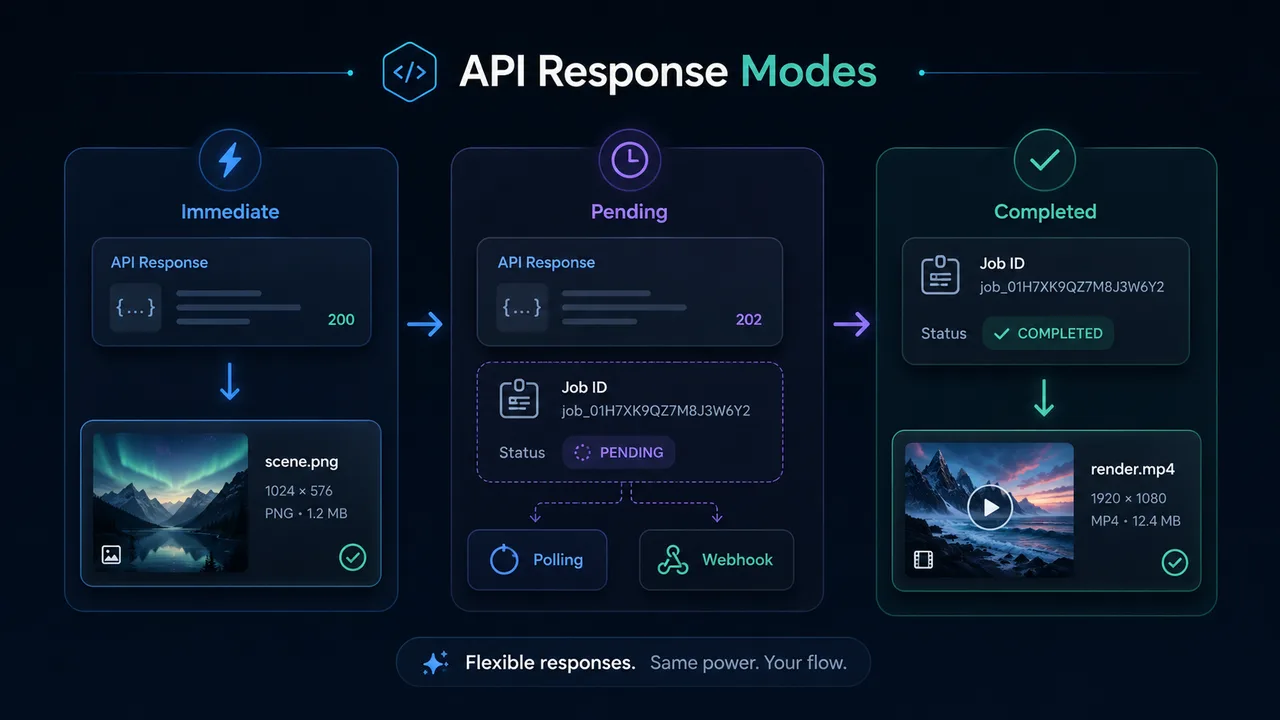
Some providers return an asset immediately. Others return a job ID, then require polling or webhooks. Your product should support both behind one internal job model.
The flow is simple enough: accept the request, store a job record, move it through processing, validate the completed asset, then release or reject it. If the asset URL expires, mark it as expired instead of pretending the job failed. If a webhook arrives after timeout, the handler should still reconcile the final provider state.
This is also where region and quota evidence belongs. AWS documents service endpoints and quotas in the official Amazon Bedrock endpoints and quotas reference, and the important lesson is broader than AWS: region and quota are runtime constraints, not procurement footnotes.
Error Categories That Product Teams Should Track
Track errors by product consequence.
Request errors mean the user or product sent something invalid: missing prompt, unsupported format, bad mask, wrong aspect ratio. Capacity errors mean the provider or account cannot handle the call: rate limit, quota, timeout, overloaded region. Policy errors mean the input or output was blocked. Asset errors mean generation succeeded but delivery failed: corrupt file, expired URL, MIME mismatch, wrong dimensions. Review errors mean the asset exists but cannot ship.
Do not label all of this “generation failed.” That helps nobody.
For an AI image API, product teams should watch policy-blocked input and policy-blocked output separately. If the input is blocked, the user needs to revise the prompt or upload. If the output is blocked, the generated asset failed a safety check. Same user experience? Maybe. Same incident category? No.
Validate Generated Images Before Release
Acceptance Criteria for Visual Quality and Policy Fit
A good single output does not mean the production workflow is ready. The release gate should check visual quality, prompt fit, brand fit, policy fit, technical format, and legal readiness.
Acceptance criteria should be written before launch. The reviewer should know what “approved” means without guessing. Does the subject match the prompt? Are there obvious artifacts? Is the image safe for the target audience? Does it meet size, format, and compression requirements? Does it need disclosure? Are uploaded reference assets allowed for this use?
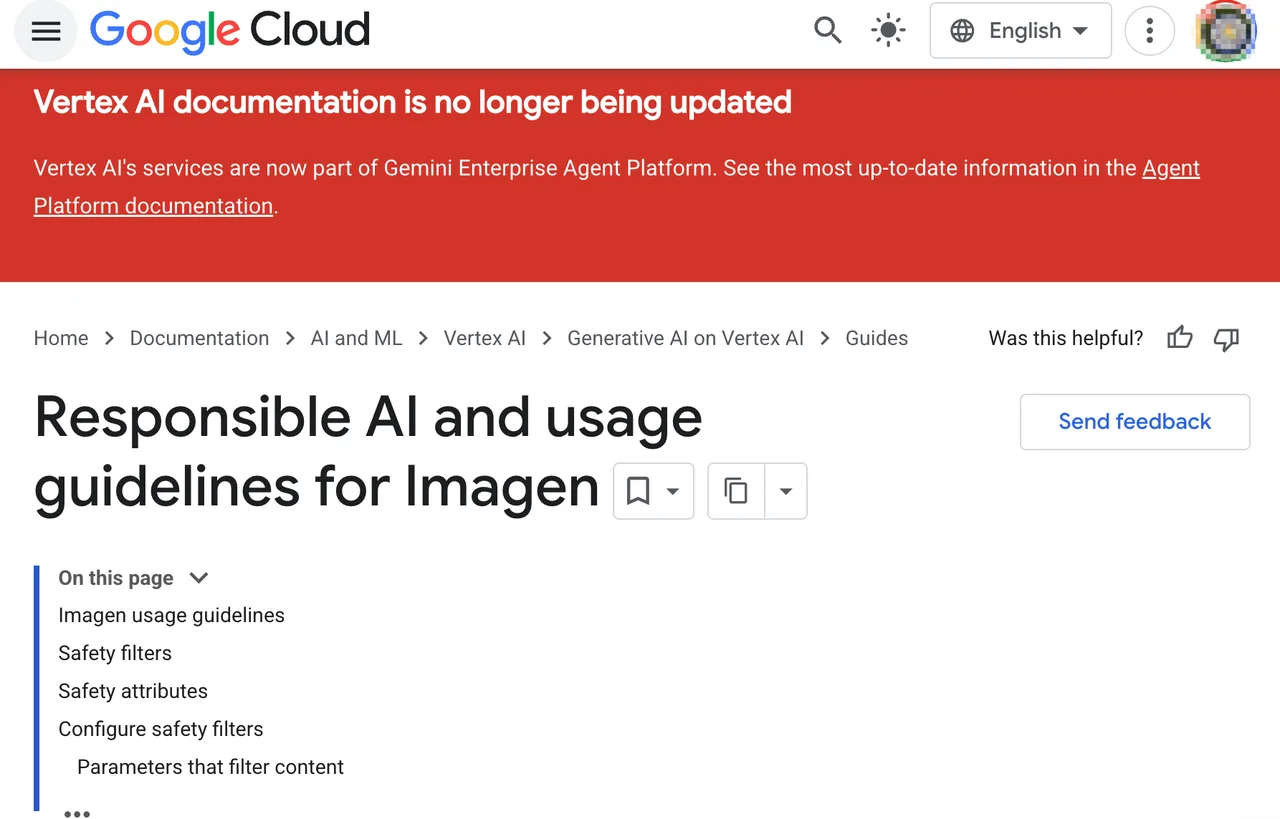
Google’s Responsible AI guidelines for Imagen show how image products can involve safety filters, person-related restrictions, watermarking, and output rules. Your internal checklist should treat those provider policies as inputs, then add your own product and customer requirements on top.
Human Review Labels and Rejection Reasons
Human review should not be a comment box. Comments are useful, but labels make operations measurable.
Use a compact review model: approved, approved_with_edits, needs_regeneration, policy_hold, legal_hold, customer_hold, and rejected. Then record rejection reasons separately: prompt_mismatch, brand_mismatch, identity_drift, bad_text_rendering, visual_artifact, unsafe_or_sensitive, copyright_or_trademark_question, wrong_format, and missing_disclosure.
For an image editing API, add source-specific reasons: bad_source_image, mask_mismatch, edit_instruction_unclear, and reference_rights_unclear. This matters because rerunning the same edit prompt will not fix a bad input image. The longer the rework path, the worse the cost looks.
Data handling belongs in the validation gate too. OpenAI’s data controls show that retention and data-use behavior can depend on endpoint and configuration. Do not turn a general provider statement into a product promise without checking the exact API path.
Launch and Maintain the Integration
Sandbox Tests, Rollback Plans, and Version Pinning
Sandbox testing should cover more than the happy path. Test valid generation, invalid schema, missing auth, unsupported model, blocked prompt, blocked output, timeout, rate limit, webhook failure, expired asset URL, wrong MIME type, and provider outage behavior.
Before launch, define rollback. Can the provider route be disabled by feature flag? Is there a fallback model route? Can publishing be paused while generation continues? Can customer-facing release be blocked without taking down internal testing? If not, the integration is still too exposed.
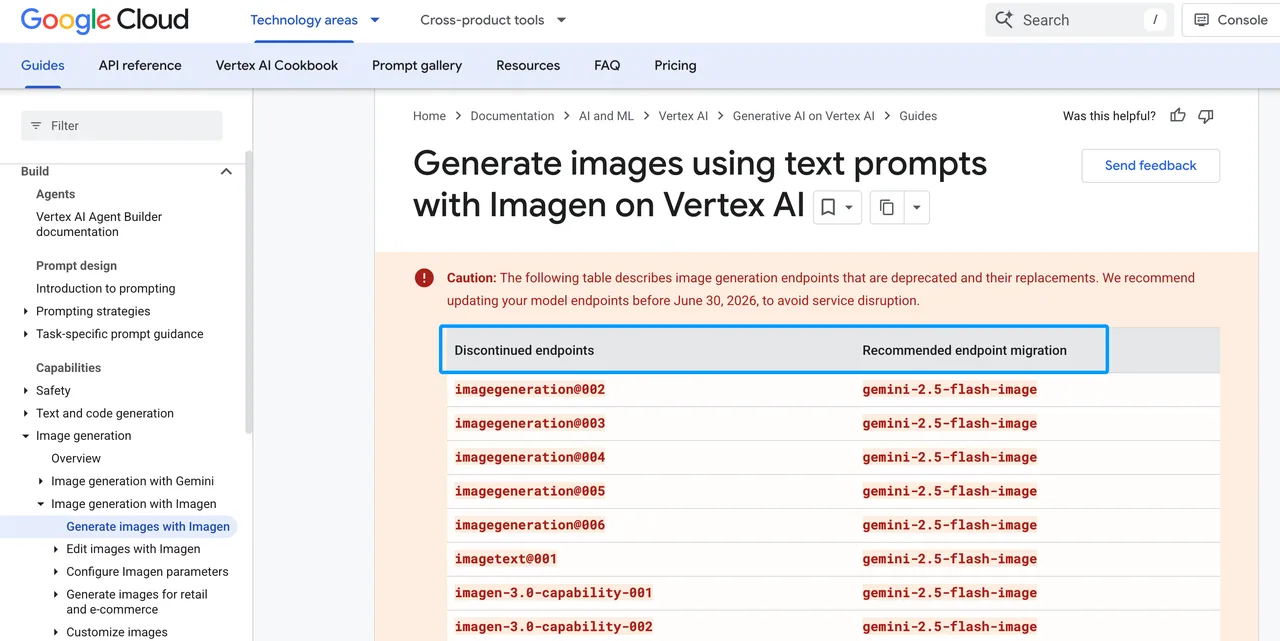
Version pinning should include provider, model reference, API version, region, request schema version, output format, safety settings, and evidence date. Avoid latest unless the product explicitly accepts behavior drift. Google’s Imagen documentation includes migration and endpoint deprecation notices in its image generation guide, which is exactly the kind of change a pinned integration has to catch before it breaks production.
Observability Fields and Provider Changelog Checks
Observability is not just latency. It is the evidence trail for every generated asset.
Log trace_id, tenant_id, user_id_hash, product_surface, provider, model_ref, api_version, region, request_schema_version, status, failure_code, provider_error_code, latency_ms, queue_ms, retry_count, asset_count, asset_expiry, cost_units, safety_result, review_label, review_reason, and changelog_evidence_url.
Changelog ownership needs a named person or team. They should check official docs on a set rhythm and whenever errors spike. The check should cover API behavior, model catalog, region support, rate limits, commercial terms, data retention, content policy, output policy, and deprecation notices.
This step cannot be skipped. If you skip it, you pay it back later.
FAQ
Who signs off on an image API contract?
Engineering signs the technical schema and failure model. Product signs user-facing behavior. Trust and safety signs policy handling. Legal signs commercial use, rights routing, retention, and disclosure rules. Platform or infrastructure signs operational readiness. One person can coordinate, but one person should not own every risk.
How should teams store provider changelog evidence?
Store the official URL, capture date, provider, model reference, region, affected field, reviewer, and linked launch ticket. Add screenshots or archived copies for major changes. The record should explain what changed and whether the product contract, customer messaging, or rollout plan needs action.
How should legal questions about generated assets be routed?
Route them with the prompt, source inputs, generated output, provider, model reference, intended use, territory, customer context, and release deadline. OpenAI’s current Terms of Use are one example of why inputs, outputs, responsibility, and disclosure need exact review. Legal decides legal use. Provider support explains provider behavior.
Who owns customer-facing disclosure for generated assets?
Product owns placement and timing. Legal and trust teams define the rule. Design and frontend implement it. Support needs the explanation. Disclosure should follow current provider policy, applicable law, customer contracts, and the product’s own quality rules.
How should teams handle provider support escalations?
Send the provider job ID, internal trace ID, timestamp, region, model reference, status, failure code, redacted request shape, asset behavior, and business impact. Do not send unnecessary user data. A clean escalation packet shortens the support path and protects the team during incidents.
Conclusion
An image generation api is production-ready when the team can explain the request, trace the job, classify the failure, review the asset, block release, roll back safely, and prove which official docs were checked.
The implementation contract is the work. The model is only one part of it. Lock the schema, normalize the response, label the review path, test rollback, pin versions, and assign changelog ownership before customers depend on the output. This workflow can stay.
Previous posts:
Related Articles
/filters:quality(82)/media/images/1791535252286714222_v4jvJT2a.webp)
ModelsLab Review 2027: One API for Media Models?
/filters:quality(82)/media/images/1791451065663755033_qNqAKS1a.webp)
Best AI Video Background Removal Tools in 2027
/filters:quality(82)/media/images/1791359984291066138_tW5eOX6f.webp)
Best Comfy Cloud Alternatives in 2027
/filters:quality(82)/media/images/1773962750383987480_n3hqzHRZ.webp)
Qwen Image 2.1 vs Qwen Image 3.0: What Changes and When to Upgrade
What's Next for Wan Video Generation, and What It Means for Creators
/filters:quality(82)/media/images/1791271002496939282_TBLU3cmv.webp)