
Free Image Generation API Limits and Pricing 2026
Free image generation API options need checks on quotas, pricing changes, rights, rate limits, and upgrade costs before production use.
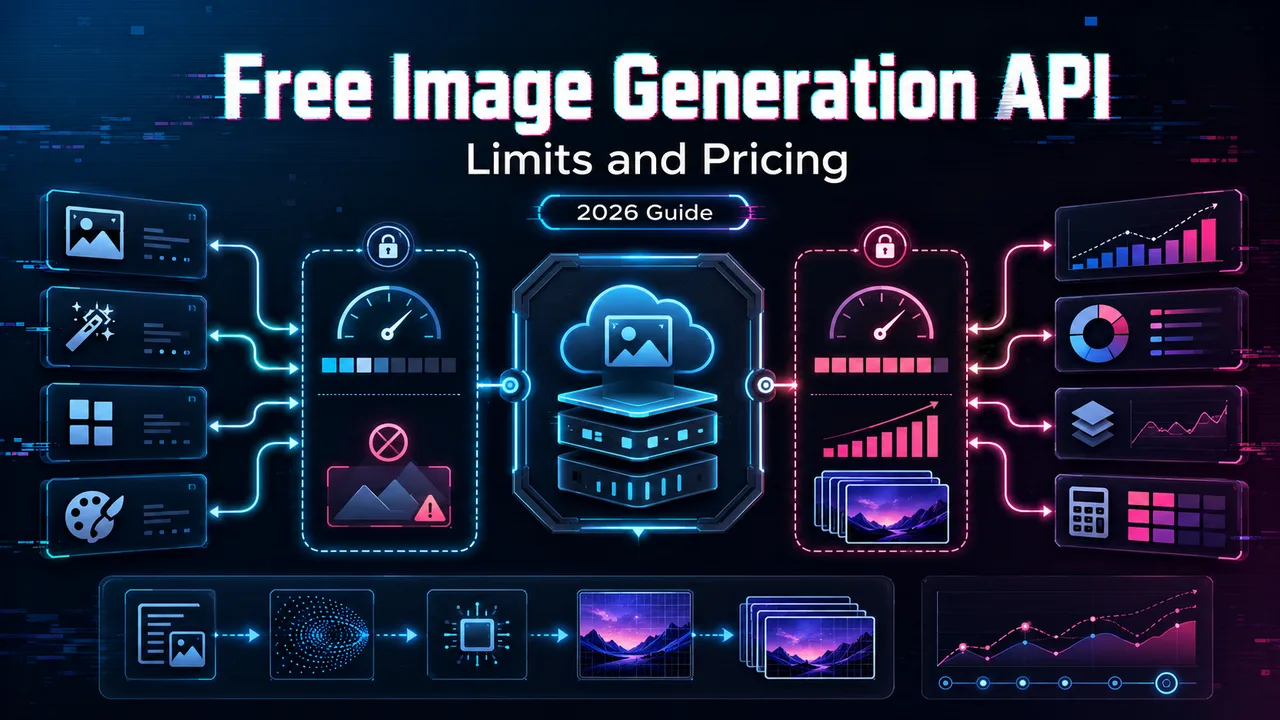
A free image generation API is useful for validation. It is not a production plan. Most teams do not get stuck because the first test image fails. They get stuck because trial credits expire, rate limits block live traffic, output rights are unclear, or nobody checked whether free outputs can be used in a customer-facing workflow.
I treat free access as sandbox budget. It should help a team decide what deserves funding, not become a hidden dependency.
This is not a free tools list. It is a production risk review for developers, AI product managers, and FinOps teams testing an image API free tier, trial credits, or demo access.
What Free Image Generation API Usually Means
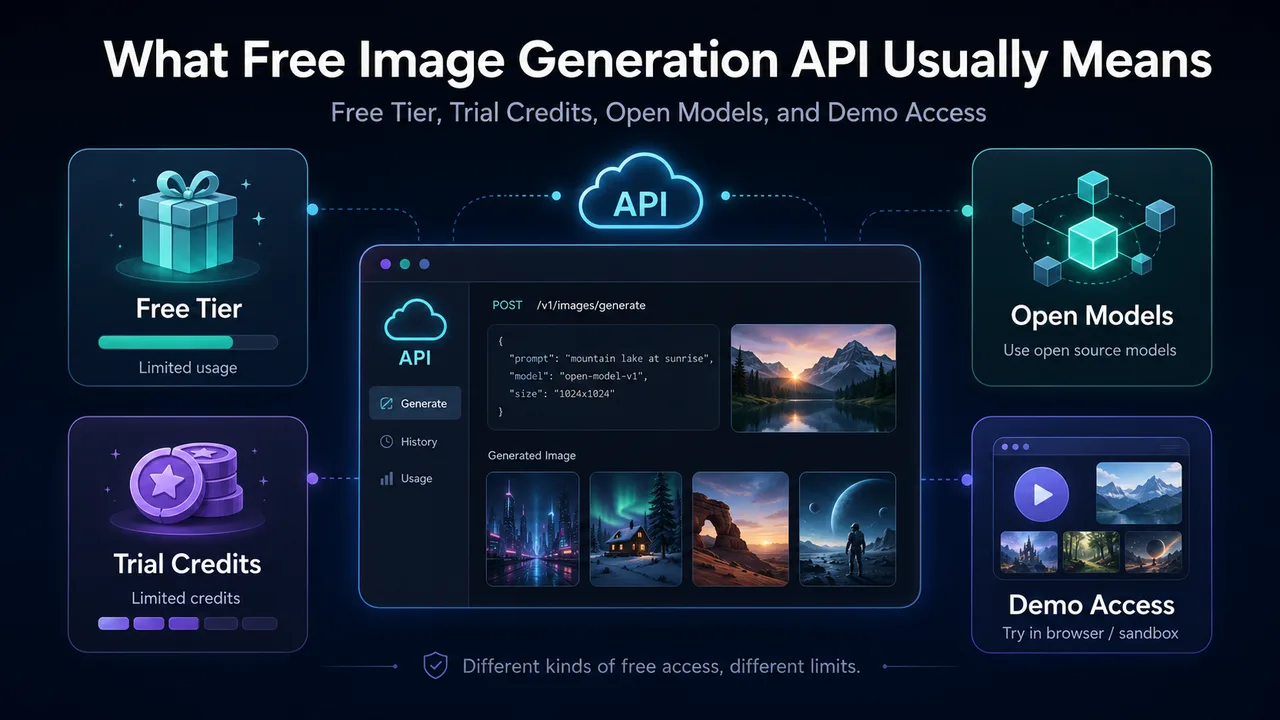
Free Tier, Trial Credits, Open Models, and Demo Access
“Free” can mean several different things.
A free tier usually means limited API access under a capped account. Trial credits give a new user a small budget to test models and parameters. Open models may reduce model access cost, but your team still owns hosting, inference, scaling, safety checks, and license review. Demo access may show output quality, but it may not prove API reliability, commercial availability, or production rights.
That is the first mistake: treating every free AI image API as the same category.
Before building, write down what the free access is allowed to prove. Can it use customer assets? Can outputs enter commercial campaigns? Does it include the same models as the paid plan? Does it support API calls, or only a web demo?
Why Free Access Rarely Equals Production Access
A demo proves that an image can be generated. Production asks whether the workflow can survive real users.
Free access often comes with weaker quota, fewer models, limited support, watermark requirements, short asset retention, or unclear upgrade behavior. Sometimes the free plan is fine for internal testing but not suitable for customer-facing use. Sometimes it is technically usable, but legal, privacy, and FinOps still need to approve the path.
Do not switch models yet. Look at the workflow first. The question is not “how many images can we get for free?” The better question is: “What risk remains if this becomes customer-facing?”
Check the Real Limits Before Building
Quotas, Rate Limits, Watermarks, and Output Restrictions
The important part of a free plan is not the gift amount. It is the restriction surface.
Check request limits, image limits, concurrency, model access, region availability, output size, file format, watermark behavior, asset URL expiry, and support level. Also check whether failed requests consume credits. That one detail can change the cost model quickly.
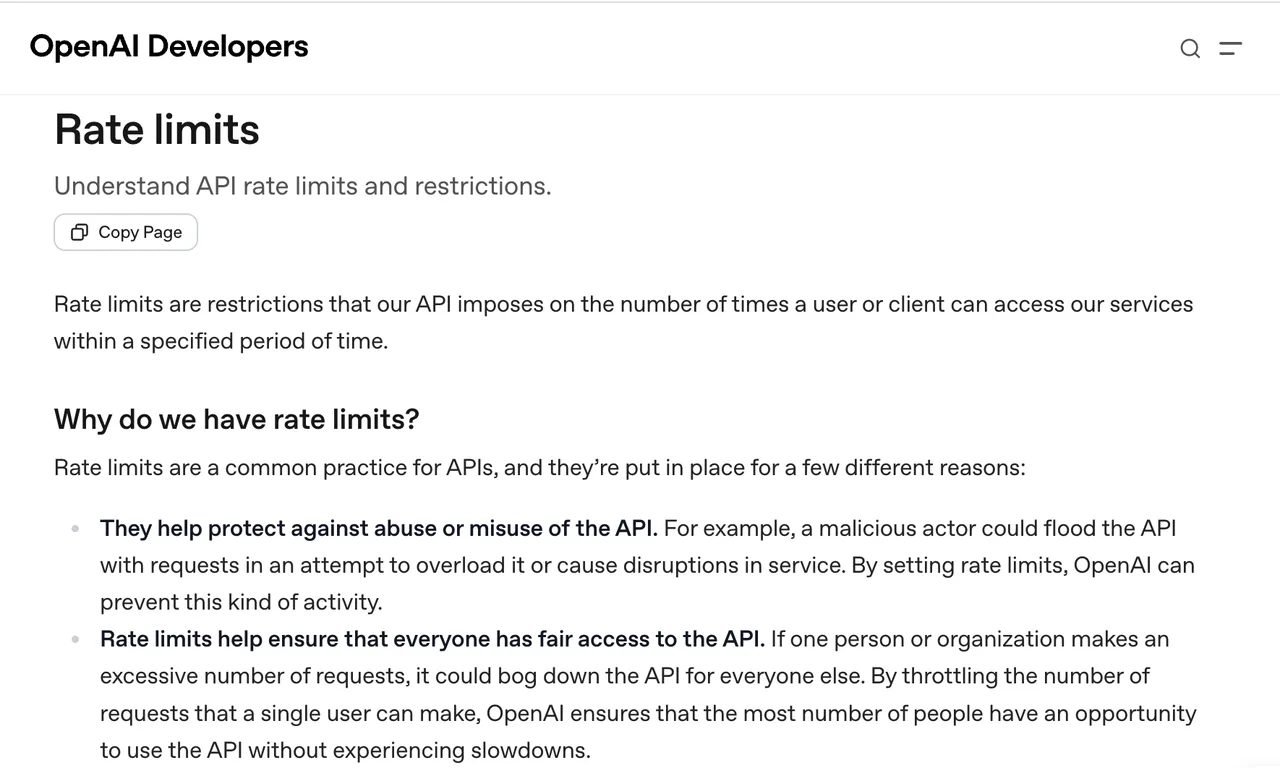 OpenAI’s rate limit documentation shows that limits can vary by organization, project, model, and usage dimension. That is the kind of evidence you want in the launch ticket: official source, account tier, model, checked date, and reviewer.
Watermarks need separate review. Some providers add them by default. Some make them configurable. Some tie them to model, interface, or plan. A watermark that is harmless in an internal test can block a customer campaign later.
Data Retention, Review Policies, and Commercial Terms
Free image API limits are only half the review. The other half is data and rights.
Image generation requests often include prompts, references, product images, human faces, brand assets, or customer-provided material. Before using free access, confirm how the provider handles inputs, outputs, metadata, retention, abuse monitoring, human review, and third-party model processing.
OpenAI’s data controls are a useful reminder that retention can depend on endpoint and model behavior. Do not turn “data is not used for training by default” into “nothing is stored and nobody can review anything.” Those are different claims.
Commercial terms need separate review. Stability AI’s terms of service discuss inputs, outputs, ownership, user responsibility, and service restrictions. Other providers have their own policies. Do not turn a short FAQ answer into a customer promise unless legal has reviewed the exact use case.
Expect Free Tier and Pricing Changes
Trial Expiration, Plan Changes, and Provider Discretion
Trial access is not a stable procurement model.
Credits may expire. Promotional terms may change. A provider may restrict which models trial accounts can use. A free tier may be reduced, removed, or placed behind additional account requirements. That is normal. It just means production should not be designed around free access.
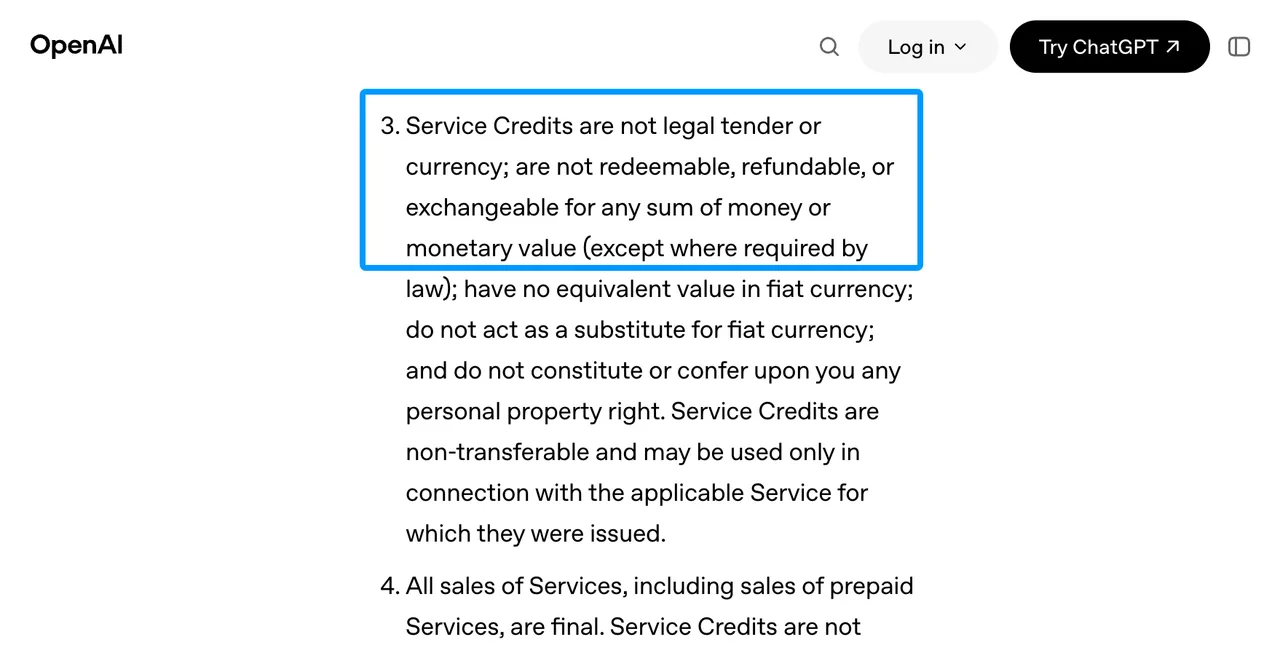
OpenAI’s service credit terms explain that service credits are not cash, are generally non-refundable, and may expire unless otherwise specified. Other providers use different systems, but the production lesson is the same: trial credits are validation budget, not operating budget.
Every image generation trial should have an owner, permitted use, expiration check, pricing source, and decision date. If the team cannot name who owns the trial, the trial is already too loose.
Paid Upgrade Triggers for Customer-Facing Use
The upgrade trigger should be risk, not panic.
Move from free access to a paid plan when generated images become customer-facing, uploaded inputs include sensitive or proprietary assets, concurrency must be predictable, watermark removal matters, commercial use needs clear approval, support response time matters, or finance needs reliable unit economics.
AI image API pricing should be reviewed before the customer workflow launches, not after the first usage spike. FinOps needs the billing unit, expected acceptance rate, retry behavior, and monthly volume estimate.
The free tier should feed the production contract, not bypass it.
Estimate the Upgrade Path
Cost per Accepted Image
Cost per generated image is not enough. Production should track cost per accepted image:
cost per accepted image = total generation cost / approved asset count
The hard part is defining “accepted.” Many generated images are technically successful but commercially useless. Some miss the prompt. Some fail brand review. Some contain artifacts. Some have bad text rendering. Some raise rights or policy questions. Those images still consume review time and often trigger reruns.
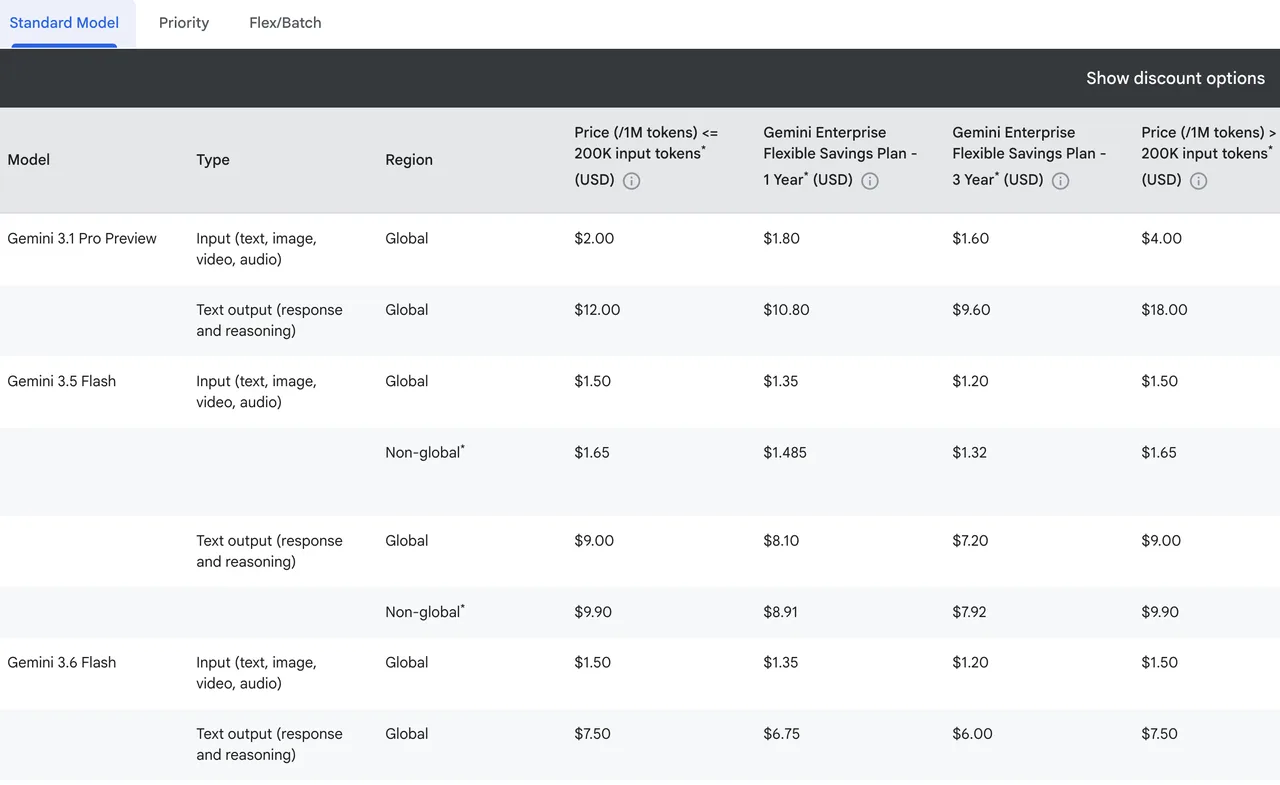
Google’s generative AI pricing is a good reminder that billing units can vary by model, modality, region, and processing mode. A free trial should help test the cost model, not hide it.
Cheap does not always mean cost-saving. Unusable generations are expensive. A free image generation API can hide this because early experiments feel costless. Once the workflow moves to paid traffic, every rejected output becomes part of the cost structure.
Batch Jobs, Retries, and Failed Output Waste
This article is not a batch architecture guide, but batch waste still needs to be measured during the trial.
When five images fail, a reviewer can sort through them. When eighty images fail in the same pattern, the workflow has scaled the mistake. That may come from vague prompts, unsupported aspect ratios, weak references, unsafe input material, or a mismatch between model and task.
Track rejection reasons during free testing: prompt mismatch, brand mismatch, wrong format, visual artifact, bad text rendering, policy block, rights uncertainty, expired asset URL, and customer rejection. Do not label everything “bad output.” That gives engineering nothing to fix.
Batch generation is not single generation repeated many times. It is a different workflow.
FAQ
Who records approval to use trial credits?
Product records the business use. Engineering records the technical scope. FinOps records credit source, expiration, and budget impact. If customer data, commercial assets, or sensitive inputs are involved, legal or security should also leave an approval record.
Which contract terms need legal review first?
Start with commercial use, output ownership, input rights, data retention, human review, content policy, disclosure, indemnity, termination, and provider relationship. For an image generation trial, legal should also check whether free or promotional access restricts customer-facing use.
How should teams preserve quota evidence?
Save the official URL, screenshot, checked date, account tier, model, region, quota description, and reviewer. Store it in the launch ticket or vendor evidence folder. Free image API limits should be treated as configuration evidence, not memory.
Who notifies customers when provider terms change?
Product owns the notification process. Legal approves language. Support prepares the FAQ. Engineering confirms product impact. If the change affects retention, commercial rights, watermarking, availability, or disclosure, customers should be notified before they encounter it in production.
How should teams archive rejected free-tier providers?
Create a short rejection record: provider, model, tested date, rejection reason, evidence links, risk category, and whether it can be revisited. Do not leave rejected providers buried in chat threads. They tend to return later as a fresh demo.
Conclusion
A free image generation API is a test lane, not a production lane. Use it to validate request shape, output behavior, review cost, rejection reasons, and upgrade triggers. Do not use it to promise unlimited access, commercial rights, no watermark, stable pricing, or long-term availability.
Free access is valuable when it tells the team what to fund, what to reject, and what to check before customers touch the feature. This is enough for this round.
Previous posts:
Related Articles
/filters:quality(82)/media/images/1791535252286714222_v4jvJT2a.webp)
ModelsLab Review 2027: One API for Media Models?
/filters:quality(82)/media/images/1791451065663755033_qNqAKS1a.webp)
Best AI Video Background Removal Tools in 2027
/filters:quality(82)/media/images/1791359984291066138_tW5eOX6f.webp)
Best Comfy Cloud Alternatives in 2027
/filters:quality(82)/media/images/1773962750383987480_n3hqzHRZ.webp)
Qwen Image 2.1 vs Qwen Image 3.0: What Changes and When to Upgrade
What's Next for Wan Video Generation, and What It Means for Creators
/filters:quality(82)/media/images/1791271002496939282_TBLU3cmv.webp)