
Wan 3.0 vs LTX 2.5 for Hosted and Local Video
Compare Wan 3.0 vs LTX 2.5 for hosted and local video workflows, focusing on access, control, operating cost, and production constraints.
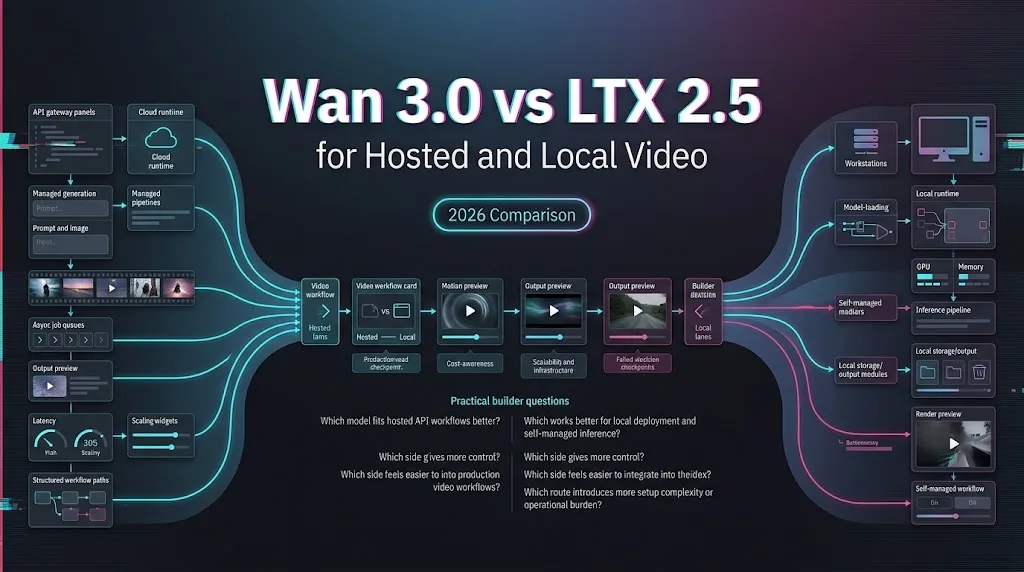
I would not frame Wan 3.0 vs LTX video as “which model is better.” That question gets vague fast. Hosted and local systems fail in different places.
This note is for AI builders choosing between a hosted latest-model path and an open local video stack. The useful comparison is narrower: same video task, same inputs where possible, same scoring sheet, different operating model.
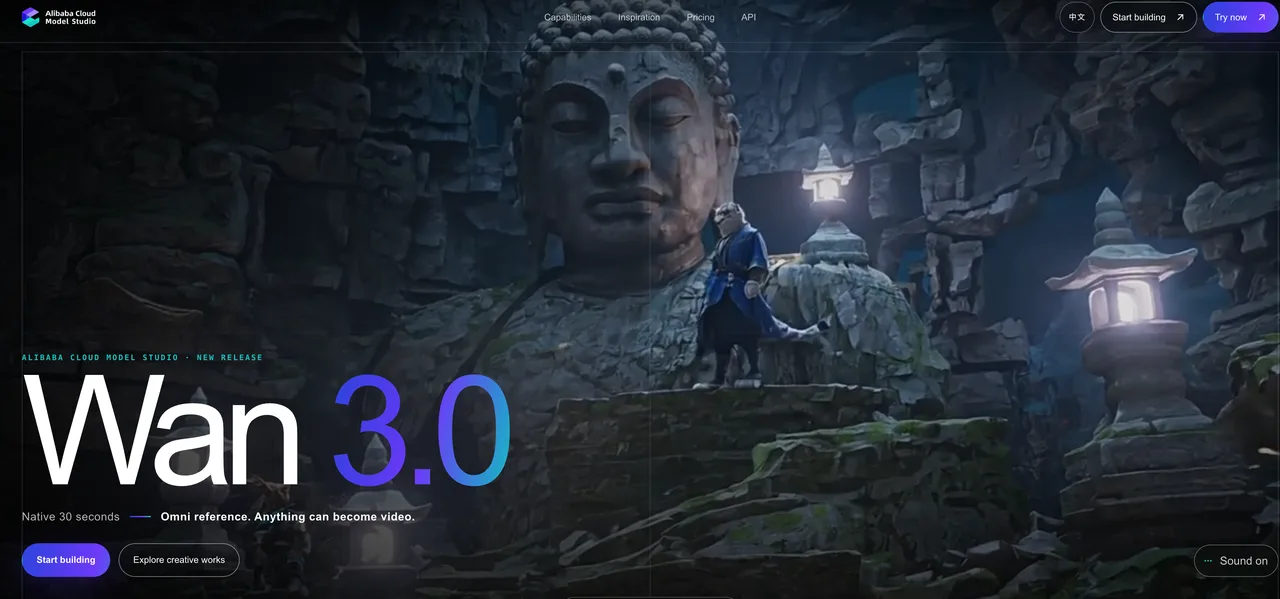
Alibaba Cloud’s official Wan 3.0 materials describe native 30-second video, omni-reference input, and audio-visual generation. Lightricks’ LTX 2.5 model card positions LTX 2.5 as an open-weight model for local execution and fine-tuning, with video and audio generation from text, image, and video inputs.
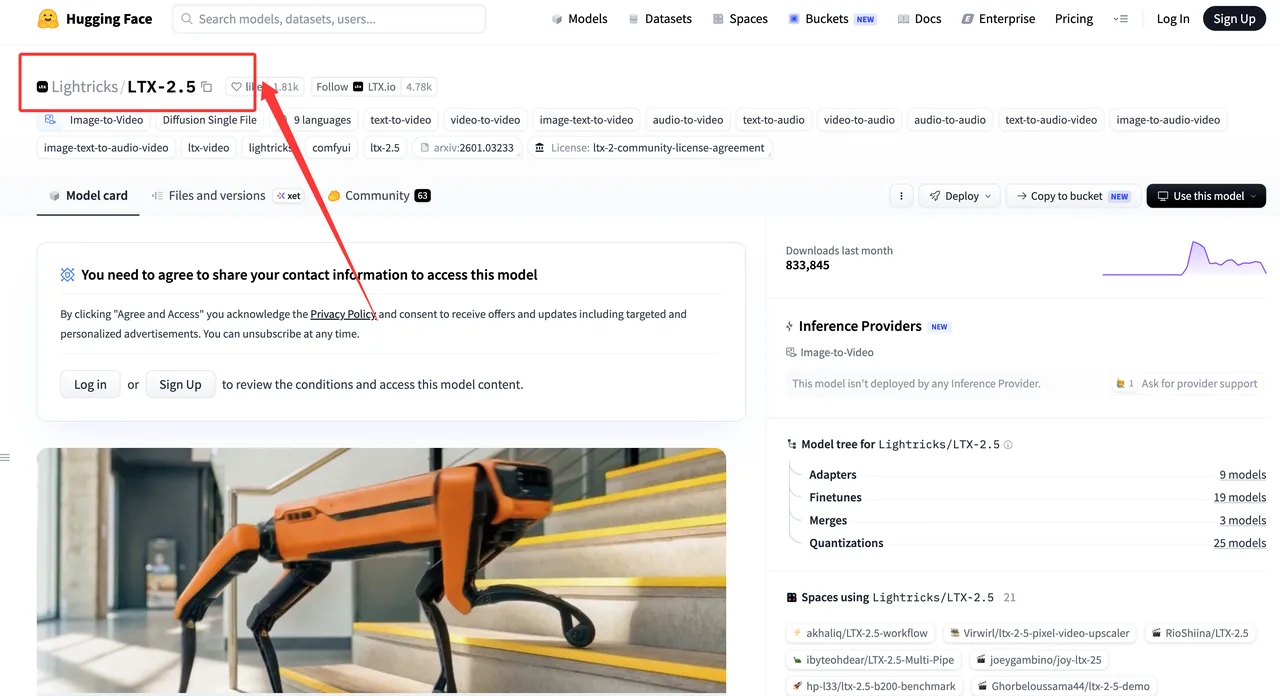
So the quick answer is simple. Wan 3.0 fits when the constraint is hosted access and lower provider management. LTX 2.5 fits when the constraint is local control and infrastructure ownership. That is not a ranking. It is a workflow split.
Quick Verdict by Workflow
Wan 3.0 for hosted multimodal generation
For hosted work, I care about setup time, current model access, request fields, queue behavior, failed output cost, and provider policy. Wan 3.0 enters the comparison as a managed endpoint. The team does not own the weights. It owns the request, the review process, and the retry budget.
That works when the production job is “generate this clip reliably enough through an API.” It works less well when the job is “change the model internals, run offline, or tune the stack around private infrastructure.”
LTX 2.5 for open local control
LTX 2.5 enters from the opposite side. The model card says self-hosting is the point. The official LTX-2 repo shows split checkpoint loading, local pipelines, ComfyUI paths, audio components, and training tools.
The upside is control. The cost is ownership. Drivers. CUDA. Model files. VRAM. Storage. Queue design. Monitoring. Someone has to care. Usually the person who said “local will be cheaper.” I paused here.
Define the Matched Test
Limit the comparison to shared video tasks
A fair LTX 2.5 vs Wan 3.0 test starts by cutting away asymmetric features.
I would not score Wan 3.0 higher because it exposes a hosted omni-reference surface. I would not score LTX 2.5 higher because local weights can be modified. Those are deployment choices, not shared task performance.
The matched test should use tasks both can reasonably attempt:
| Task | Why It Works |
|---|---|
| Text-to-video | Both can generate from a written scene |
| Image-to-video | Both can condition motion on visual input |
| Audio-video review | Both sit in audio-visual generation territory |
| Prompt repeatability | Both can be tested with fixed instructions |
| Failure logging | Both need production evidence |
That keeps the open video model comparison from turning into a product brochure with extra steps.
Lock inputs, prompts, duration, and scoring rules
The test brief needs a fixed prompt, fixed seed where supported, fixed visual input, fixed duration target, fixed aspect ratio target, and a pass/fail sheet.
I score five things: prompt adherence, motion continuity, subject consistency, audio-video timing if audio is used, and recovery path after failure.
I also keep failed generations. A broken output is not trash during evaluation. It is the part that tells the team what production will cost.
Compare Access and Deployment
Hosted API setup and provider management
Wan 3.0’s hosted path reduces model setup. The work shifts to API authentication, endpoint selection, request validation, polling, output storage, retries, and provider terms.
The checked WaveSpeed Wan 3.0 schemas separate T2V, I2V, and R2V. The Wan 3.0 R2V schema lists reference images, reference videos, reference audio, resolution, aspect ratio, duration, thinking mode, audio enablement, seed, task status, outputs, error fields, and timing data.
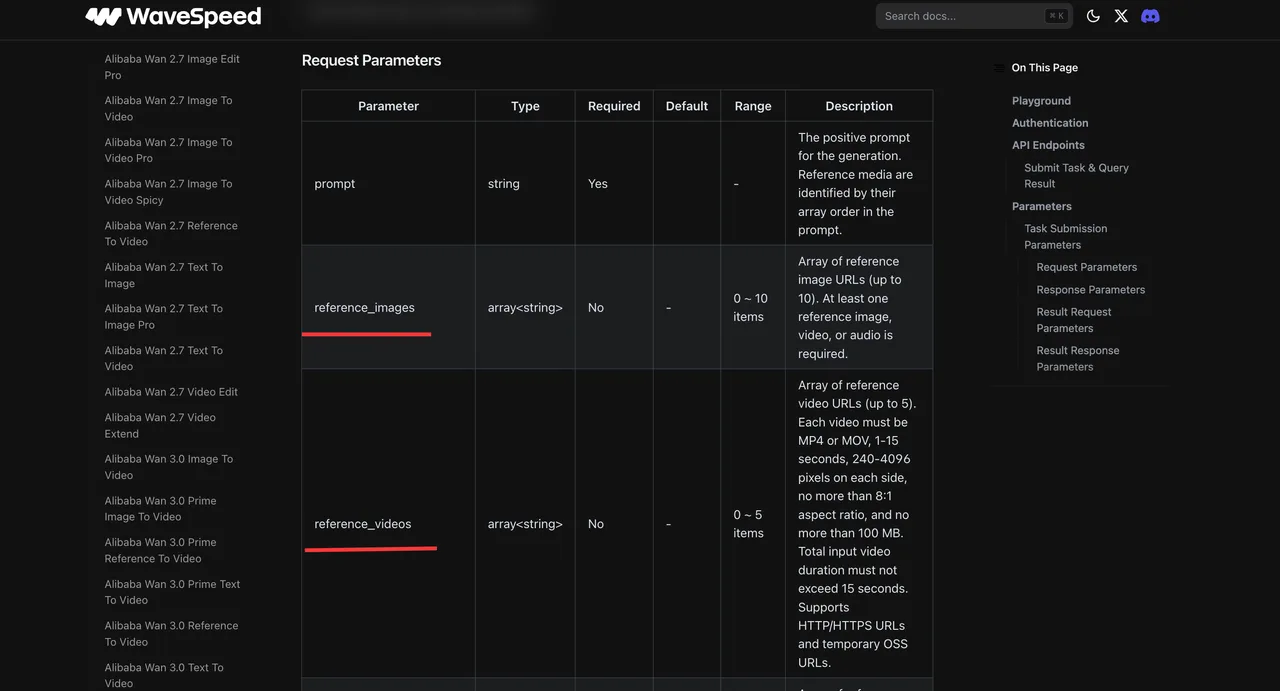
That is enough for a production test sheet. It is not enough for model ownership. Hosted means someone else runs the stack. That is the point.
Local checkpoints, runtimes, and hardware ownership
LTX 2.5 requires a local runtime decision. Python pipeline. ComfyUI. Diffusers-compatible packaging. Full checkpoint. Distilled checkpoint. Audio VAE. Video VAE. Upscaler.
The official LTX 2.5 changelog locks the August 11, 2026 support update: Gemma 4 text encoders, diffusion video VAE decoding, automatic duration prediction, prompt-enhancement Gemma support, NVFP4 options, DFRPipeline, split checkpoints, and HDR output.
Good. Also not free, just differently paid for.
Compare Video Controls and Outputs
Input modes, timing, audio, and references
For Wan 3 or LTX Video, the control map is not identical.
Wan 3.0 hosted schemas expose fixed request fields. T2V uses text. I2V adds first-frame and optional last-frame image control. R2V adds reference media arrays. Current Wan docs list aspect ratio options such as 16:9, 9:16, 1:1, 4:3, and 3:4.
LTX 2.5 is more runtime-shaped. Its model card and repo describe text-to-video, image-to-video, audio-conditioned paths, keyframe interpolation, retake, HDR workflows, and local pipeline flags. Constraints are more like frame math and tensor geometry: for example, frame count rules and dimensions divisible by 32.
So I do not ask which control set is bigger. I ask which one matches the product constraint.
Quality review, repeatability, and failure evidence
Without a real matched sample set, I would not write that either model wins quality. That would be fake precision.
I would run at least three prompt categories: product motion, character action, and environment camera movement. Each test gets the same scoring table. Each failure gets a cause guess, not a verdict.
Record this:
| Evidence | Hosted Wan 3.0 | Local LTX 2.5 |
|---|---|---|
| Request or command | JSON body | CLI/Python/Comfy graph |
| Version | Endpoint/model ID | Checkpoint filenames |
| Runtime | Provider task state | GPU, driver, package versions |
| Output | URL and downloaded file | Local file and logs |
| Failure | API error or bad output | Runtime error or bad output |
| Cost | Billed seconds and retries | GPU time and engineer time |
Found the pattern on the third try: repeatability is never just seed control. It is the whole environment.
Compare Production Economics

Usage-based API cost and retries
Hosted economics are easy to underestimate because the first line item is clean. Price per second. Price per resolution. Done.
Not done.
For Wan 3.0, I include failed outputs, retries, queue delays, longer review cycles, and storage handling. If a 10-second clip fails twice before passing once, the production cost is not one clip. It is the whole attempt chain.
I also separate draft pricing from final pricing. A 480p draft loop can be rational. A 1080p retry loop can become annoying quickly. Same workflow, different burn rate.
Hardware utilization, engineering time, and maintenance
Local economics are easy to underestimate for the opposite reason. The marginal generation can feel cheap once the machine is sitting there.
The machine is not the system.
LTX 2.5 cost includes GPU purchase or rental, utilization rate, idle time, setup work, dependency breaks, model downloads, queue tooling, logging, security review, upgrades, and the person who gets pulled in when CUDA changes its mood. Official docs also mention optimization paths like quantization and attention backends. Those save resources only when someone configures them correctly.
This is where my data ends. The cheaper option depends on volume, retry rate, hardware use, and staff time.
Choose by Production Constraint
Fast model access and lower integration overhead
I choose the hosted path when the team needs fast access, less setup, easy endpoint testing, and fewer runtime decisions. That is usually early product validation, campaign prototyping, and teams without GPU operations.
It also fits when the model may change faster than the team wants to manage. Provider-managed updates can be a benefit. They can also break assumptions. Timestamp everything.
Offline control, customization, and infrastructure ownership
I choose LTX 2.5 when offline control matters. Private environments. Custom pipelines. Fine-tuning. Specific runtime changes. Asset handling that cannot pass through a hosted provider.
The trade-off is obvious after one week: control creates chores. Some chores are worth it. Some are just a local stack wearing a hoodie.
Limitations and Trade-Offs
The models do not expose identical feature sets
This comparison does not claim feature parity. Wan 3.0 and LTX 2.5 expose different controls, deployment assumptions, input paths, output behavior, and policy surfaces.
That matters for Wan3 vs LTX searches. The useful answer is not “A wins.” The useful answer is “A fits this constraint, B fits that one.”
Checkpoints and hosted endpoints can change independently
Hosted endpoints can update without the same rhythm as open checkpoints. Local checkpoints can be pinned while provider endpoints move. Or the reverse.
For regulated, client-facing, or repeatable production work, I store the tested endpoint, checkpoint, schema, license date, runtime, and output evidence. This conclusion has an expiration date. Models update fast.
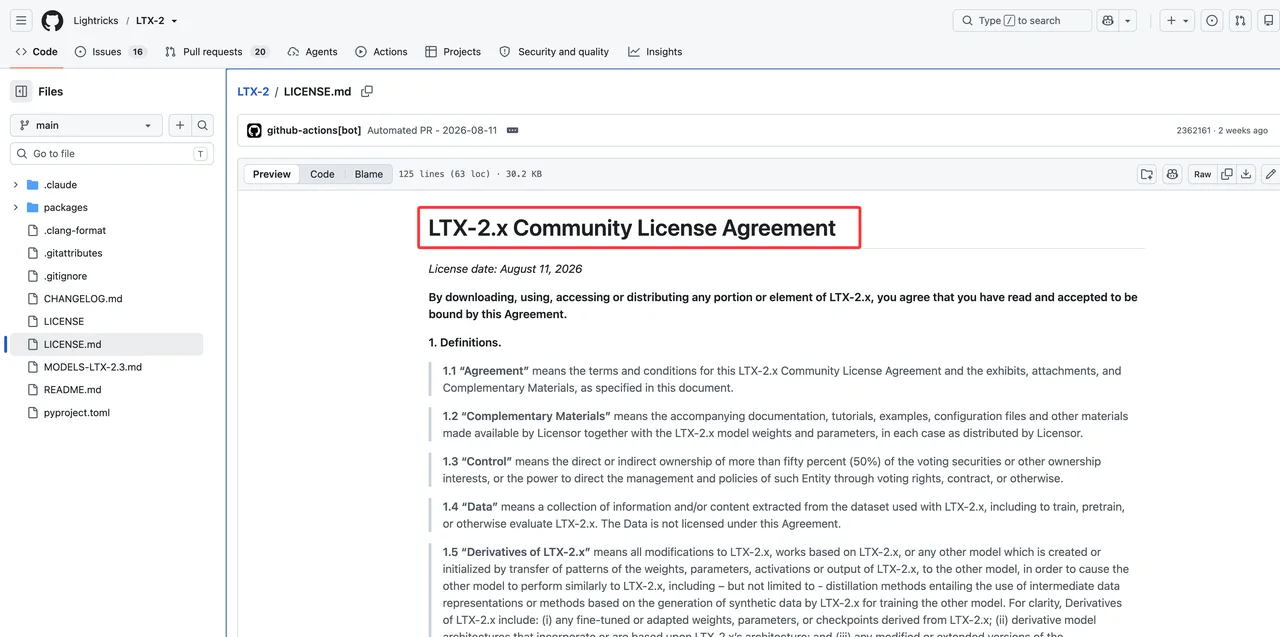
Licensing and customer-material use are general information here, not legal advice. The LTX 2.x license includes commercial-use conditions, revenue thresholds, redistribution terms, and use restrictions. Hosted Wan 3.0 use depends on the provider terms and the customer’s asset rights. Review both before client delivery.
FAQ
Does LTX 2.5 include an official prompt-enhancement model?
Yes, LTX 2.5 officially supports prompt enhancement. The changelog adds optional dedicated prompt-enhancement Gemma models via --prompt-enhancer-gemma-root, and the model card describes a prompt enhancer for expanding short prompts. I would still record the exact enhancer root or checkpoint used.
Do Wan 3.0 and LTX 2.5 support identical aspect ratios?
No. Checked Wan 3.0 hosted schemas expose listed aspect ratio options. LTX 2.5 local docs frame the constraint differently, with width and height needing to be divisible by 32 and frame count following num_frames % 8 == 1. That is not the same control surface.
How long are Wan 3.0 reference uploads retained?
For WaveSpeed-hosted Wan tests, the checked upload file docs say uploaded files are stored for 7 days and then automatically deleted. That is upload retention. It does not answer every question about generated outputs, billing metadata, account logs, or customer contract obligations.
Can both models support commercially licensed client work?
Possibly, but not as a blanket answer. LTX 2.5 use depends on its community license and whether the entity crosses the commercial threshold. Wan 3.0 hosted use depends on provider terms. Client images, music, voices, marks, and private footage need separate rights review.
Can either model return reusable motion metadata between generations?
I did not find a reusable motion-metadata object in the checked materials. Wan 3.0 responses expose task data and output references. LTX 2.5 local runs expose commands, seeds, latents or files depending on the pipeline. Prompts and seeds are not the same as portable motion metadata.
Conclusion
A useful Wan 3.0 vs LTX video decision starts with the constraint, not the demo.
Hosted Wan 3.0 fits teams that Want current multimodal generation through managed endpoints and can live with provider-defined controls. LTX 2.5 fits builders who need open local control and are willing to own the runtime. Same brief. Same scoring sheet. Same failure logging. Then choose.
Run it yourself. That’ll tell you more than anything I say.
Previous posts:
Related Articles
/filters:quality(82)/media/images/1791535252286714222_v4jvJT2a.webp)
ModelsLab Review 2027: One API for Media Models?
/filters:quality(82)/media/images/1791451065663755033_qNqAKS1a.webp)
Best AI Video Background Removal Tools in 2027
/filters:quality(82)/media/images/1791359984291066138_tW5eOX6f.webp)
Best Comfy Cloud Alternatives in 2027
/filters:quality(82)/media/images/1773962750383987480_n3hqzHRZ.webp)
Qwen Image 2.1 vs Qwen Image 3.0: What Changes and When to Upgrade
What's Next for Wan Video Generation, and What It Means for Creators
/filters:quality(82)/media/images/1791271002496939282_TBLU3cmv.webp)