
GLM 5.3 vs Grok 4.6: Model Selection for AI Builders
Compare the verified access, capabilities, cost structure, and workload evidence for GLM 5.3 and Grok 4.6 without assuming a universal winner.
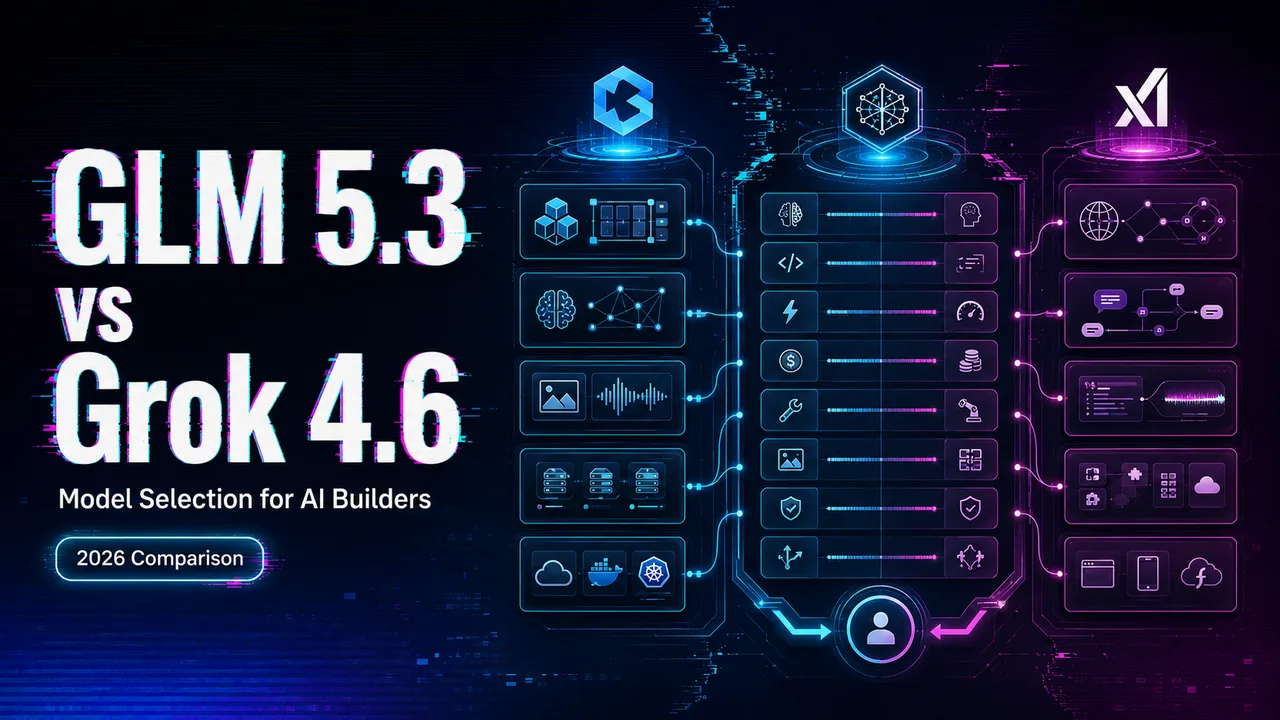
Hi, guys. I’m John. I would not approve GLM 5.3 vs Grok 4.6 from a launch post, a screenshot, or one good coding demo. For an AI builder choosing an agentic model, the useful question is more boring: which one survives your prompts, tools, provider layer, retry policy, budget, and rollback process?
As of August 18, 2026, both model names have official public documentation. I have not run a private same-provider benchmark for this article, so I will not invent latency, pass rates, or reliability numbers. This cannot be judged by feel. It needs a sample run.
What Can Be Verified Today
Official Model Names, Release Status, and Access Paths
Z.ai’s official GLM-5.3 guide lists the model ID as glm-5.3. It says the model is available to GLM Coding Plan users, supports text-only input, has a 1M-token context window, and allows up to 128K output tokens. It also says reasoning is always enabled, with low, high, and max effort settings.
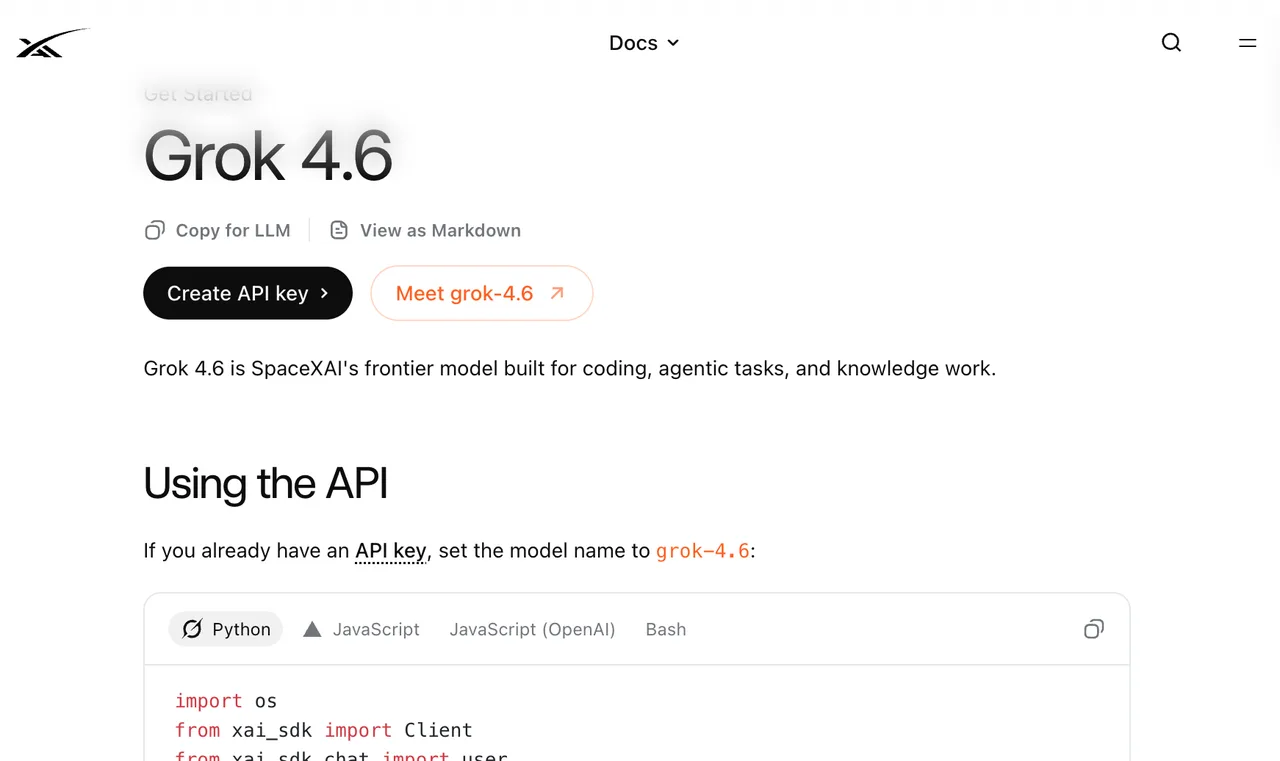
xAI lists the Grok model ID as grok-4.6. Its public documentation describes Grok 4.6 as a model for coding, agentic tasks, and knowledge work, with text and image input and text output.
| Item | GLM 5.3 | Grok 4.6 |
|---|---|---|
| Verified model ID | glm-5.3 | grok-4.6 |
| Main access path | GLM Coding Plan and compatible coding agents | xAI API, Grok Build, Cursor, gateways |
| Context | 1M tokens | 500K tokens |
| Input | Text | Text and image |
| Reasoning | Always enabled | Configurable |
| Main open question | Broader API and pricing confirmation | Provider-specific limits |
Public Documentation and Undisclosed Details
The first row in my evaluation sheet would be disclosure quality. Grok 4.6 currently has a clearer public API and pricing surface. GLM 5.3 has a clear model page and coding-agent access path, but I would still verify the exact commercial API path before production use.
That does not make one model better. It only tells me which risks are visible today.
Compare the Models on a Fair Basis
Match Model Versions, Providers, and Test Dates
Do not compare “GLM” and “Grok” as brands. Compare exact rows:
- model ID
- provider
- endpoint
- account tier
- test date
- reasoning level
- context length
- tool schema
- retry policy
If GLM 5.3 runs through a coding-plan endpoint and Grok 4.6 runs through xAI’s native API, write that down. If either model runs through a gateway, write that down too. A gateway can change retries, streaming, tool-call formatting, context caching, billing records, and error behavior.
Before running further, I narrowed the variables. That is the only way the result becomes useful to another engineer.
Use the Same Prompts, Tools, Budgets, and Scoring Rules
I would build one canary set before testing either model:
- 5 short coding fixes
- 3 repository-level tasks
- 3 tool-calling tasks
- 2 long-context debugging tasks
- 1 structured-output task
- 1 refusal or safety-boundary task
Each task needs a pass/fail rule before the first run. Not after. If the scoring rule changes after seeing the answer, the test is already bent.
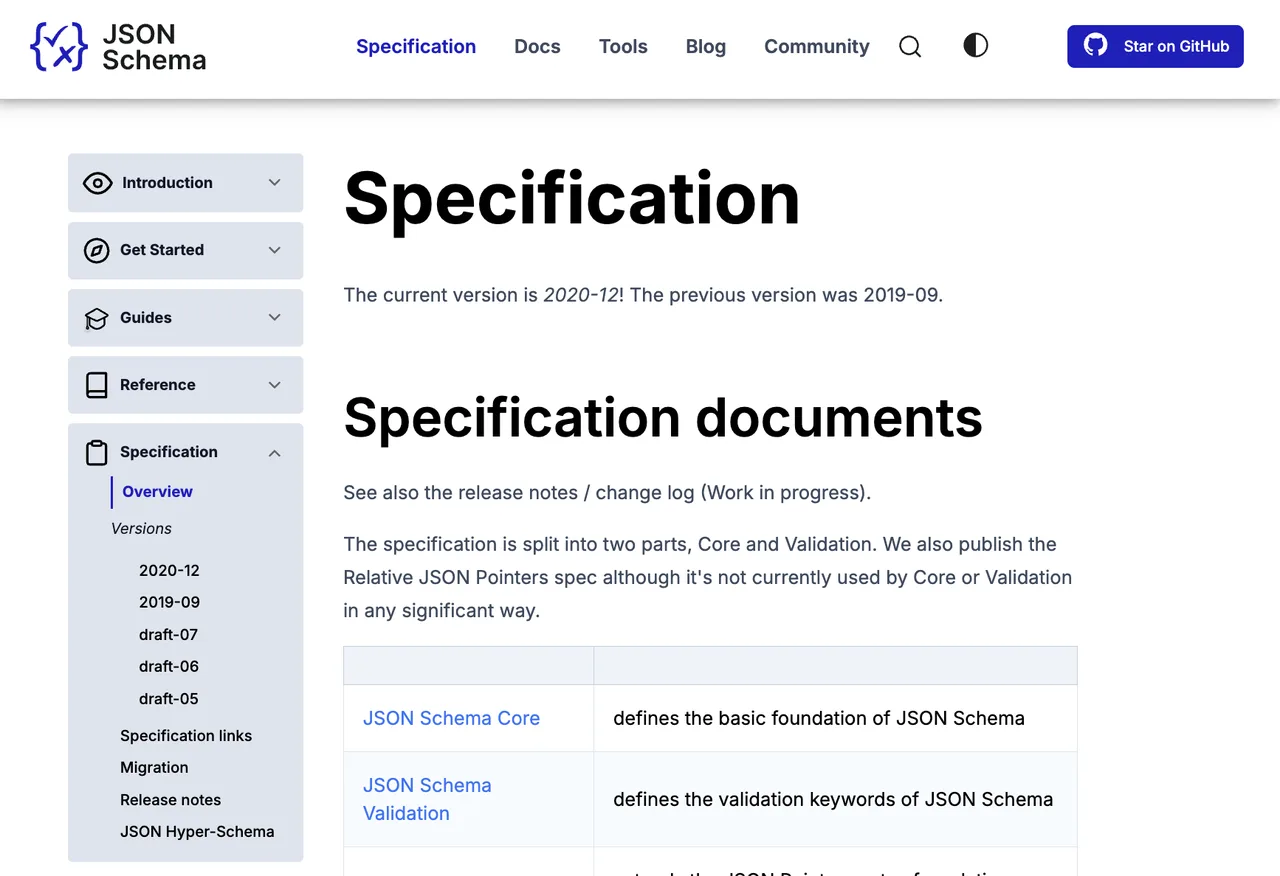
For structured outputs, I would validate responses against a neutral schema. The JSON Schema specification is useful here because it keeps the review from becoming “the output looked close enough.” Close enough is not production behavior. The validator accepts it or rejects it.
Compare Agent and Coding Workloads
Tool Calls, Structured Outputs, and Multi-Step Recovery
For agent model selection, I care less about the first plan and more about the second step after something breaks.
Give both models a missing file, a failing command, a bad tool response, and a JSON object that is valid but semantically wrong. Then watch what happens. Does the model inspect the failure, repair the call, and continue? Or does it repeat the same broken action with nicer wording?
A model that cannot recover from tool friction will create review work for the team. That cost rarely appears in launch material, but it shows up in the delivery schedule.
Coding Tasks, Repository Work, and Long-Horizon Execution
A fair GLM vs Grok coding test should include real repository state. One-file puzzles are useful, but they do not expose enough handoff cost.
I would include one task where the model must inspect multiple files, update code, adjust tests, and explain the patch. I would include another task where the correct answer is to stop and ask for missing context. Some models fail by doing too much.
For external benchmark context, I would look at terminal and repository-style evaluations rather than only chat benchmarks. Terminal-Bench evaluates agents inside terminal environments. I would still rerun my own canary because public benchmarks do not know my repo, internal tools, reviewer tolerance, or cost ceiling.
A good single output does not mean the production workflow is ready.
Compare Production Constraints
Context, Latency, Reliability, and Rate Limits
Context size is not a trophy. It is a production variable.
GLM 5.3’s 1M context may matter for large codebases, long logs, and multi-document planning. Grok 4.6’s 500K context may be enough for many coding-agent workloads. I would test context growth in steps: 32K, 128K, 200K, then higher only if the workload justifies it.
Latency should be reported as a range across at least three runs. Reliability should include timeouts, malformed tool calls, incomplete output, failed retries, and provider errors. Do not hide failed runs. Failed runs are where model selection becomes real.
Price, Hosting Options, Data Controls, and Availability
For cost, I would split the sheet into three lines:
- model token cost
- provider or gateway surcharge
- retry and tool-call cost
xAI’s Grok 4.6 documentation publishes pricing and model behavior details on the model page. For GLM 5.3, I would verify the current Z.ai billing surface before approving production use. I would not copy GLM 5.2 pricing into a GLM 5.3 sheet unless Z.ai explicitly says the rate applies.
Long-term cost depends on rework, not only unit price.
Choose by Workload
When GLM 5.3 Is Worth Evaluating
Evaluate GLM 5.3 if your team already uses GLM Coding Plan, works in coding-agent workflows, needs very large context, and can accept always-on reasoning. It is also worth testing if your engineering tasks mix English and Chinese context.
I would be careful with production API commitment until the exact endpoint, plan, limits, and price are confirmed for your use case.
When Grok 4.6 Is Worth Evaluating
Evaluate Grok 4.6 if you need a clearer public API path, image-aware input, published pricing, and access through xAI or partner environments. It is also worth testing for long-running coding and knowledge-work agents where tool use is part of the workflow.
The risk is provider coupling. If your app uses xAI-specific tools, moving away later may require more than changing the model name.
When Neither Has Enough Evidence Yet
Neither model has enough evidence if you have not run the same task set on the same day with the same scoring rules.
I want the failed runs, retry logs, cost per completed task, reviewer notes, and rollback path. Without those, the comparison is still a launch-window opinion.
Limits and Trade-Offs
Early Access Results Can Change Quickly
Launch-window results age fast. Aliases move. Rate limits change. Providers adjust routing. Pricing pages get updated.
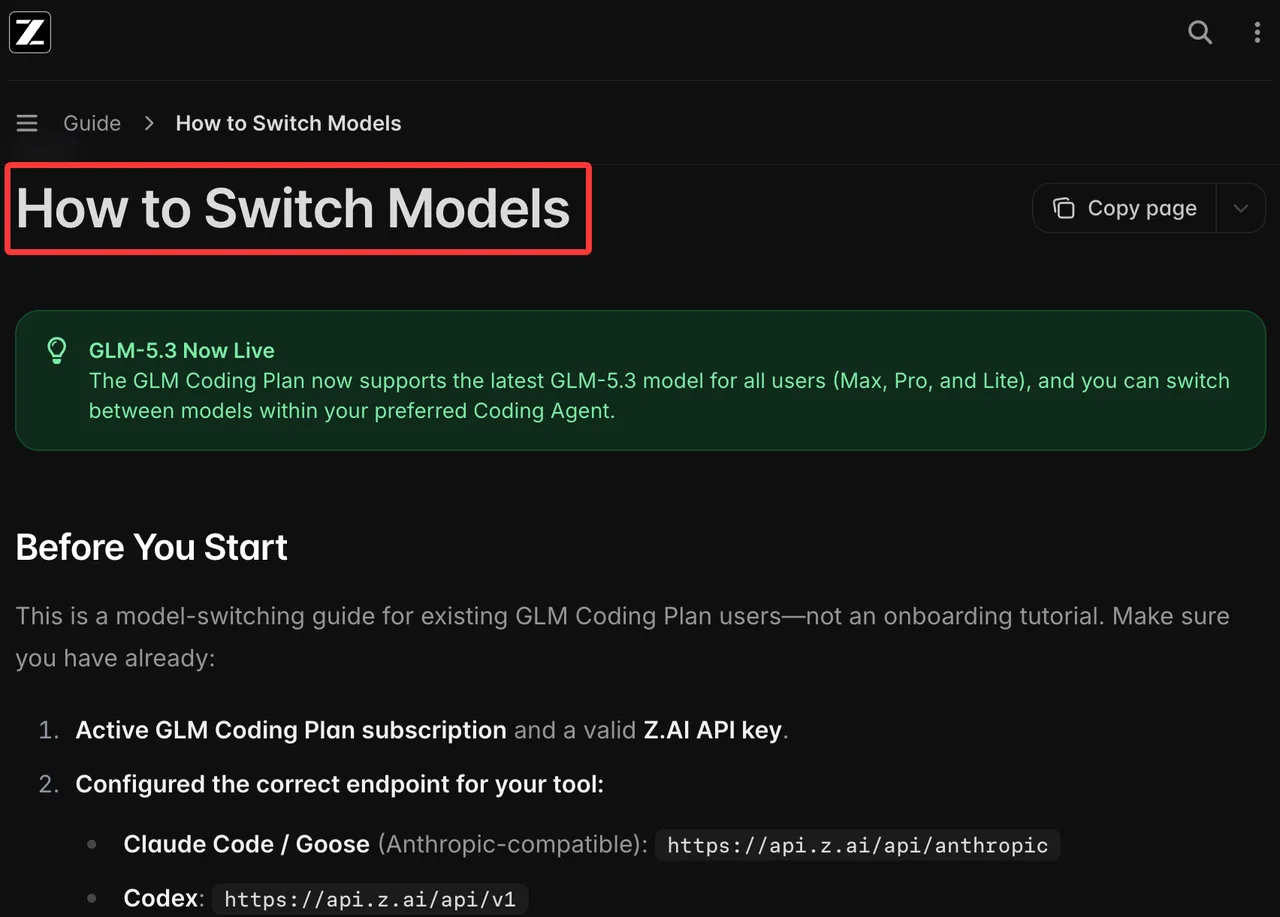
For GLM, I would also check the current coding-agent setup path before changing defaults. Z.ai’s latest model setup guide is useful here because the practical integration path depends on the harness, not just the model ID.
One person can remember parameters. A team cannot.
Missing Official Data Prevents a Complete Comparison
The biggest limit in GLM 5.3 vs Grok 4.6 is not intelligence. It is uneven public evidence.
Grok 4.6 has more complete public API and pricing documentation today. GLM 5.3 has strong model-level documentation and Coding Plan availability, but teams should verify full API and commercial terms before wider rollout.
FAQ
Can one evaluation gateway test both models with the same schema?
Yes, but the gateway must log the original request, translated request, provider, endpoint, model ID, and raw response. Otherwise, you cannot tell whether the model failed or the adapter changed the task.
How should teams handle a model that is available through only one provider?
Treat the provider as part of the model. Test uptime, rate limits, billing export, support path, and rollback. A single-provider model can still be useful, but it needs a clearer failure plan.
Can production logs be reused for a cross-provider evaluation?
Yes, after privacy and security review. Redact secrets, customer identifiers, private code, regulated data, and anything that should not leave the original environment.
What should happen when a vendor changes a model alias?
Freeze the old alias, record the new target, rerun the canary suite, and require approval before promotion. Silent alias drift breaks reproducibility.
Who signs off when the evidence does not produce a clear winner?
The platform owner should sign off with product and finance input. If the evidence is mixed, keep both models in limited evaluation and delay the default change.
Conclusion
My answer to GLM 5.3 vs Grok 4.6 is not “pick the bigger public claim.” GLM 5.3 deserves evaluation for long-context coding-agent work, especially inside GLM-supported coding workflows. Grok 4.6 deserves evaluation where API clarity, image input, published pricing, and partner availability matter.
The winner is the model that completes your canary tasks with acceptable cost, recoverable failures, clean logs, and a rollback path. That is enough for this round.
Previous posts:
/filters:quality(82)/media/images/c347367a-a007-4466-b8f7-d37f5fb52819.webp)
/filters:quality(82)/media/images/cd4db796-7728-45fb-8267-6813ed28e173.webp)
/filters:quality(82)/media/images/1791535252286714222_v4jvJT2a.webp)
/filters:quality(82)/media/images/1791451065663755033_qNqAKS1a.webp)
/filters:quality(82)/media/images/1791359984291066138_tW5eOX6f.webp)
/filters:quality(82)/media/images/1773962750383987480_n3hqzHRZ.webp)