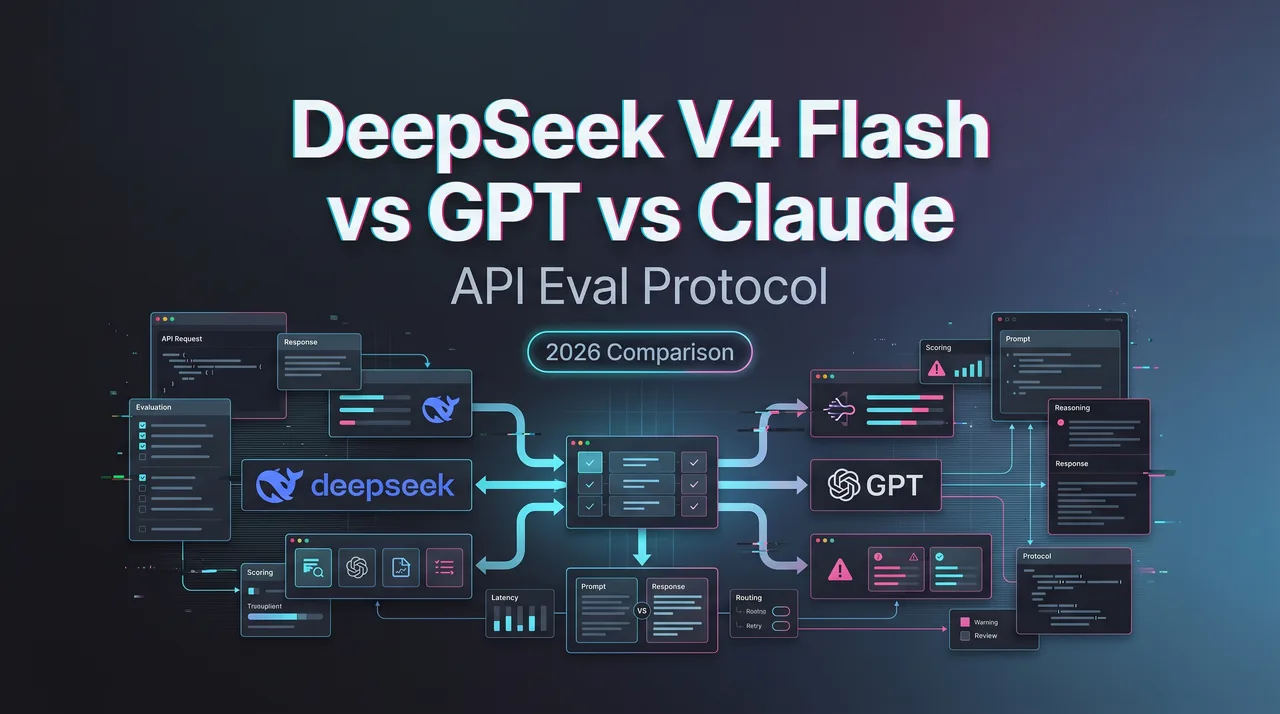
DeepSeek V4 Flash vs GPT vs Claude: API Eval Protocol
Test DeepSeek V4 Flash vs GPT and Claude with one API eval protocol focused on accepted-task cost, reproducible evidence, and bounded conclusions.
Hey, it’s Dora. I would not start a DeepSeek V4 Flash vs GPT test by sending prompts. That is how teams end up with a spreadsheet full of opinions and no way to defend the decision later.
Start with the contract. Which workload. Which sample set. Which API models. Which scoring rules. Which cost formula. Which evidence gets archived.
This article is not a coding benchmark. It is not a model ranking. It is a pre-registered eval protocol for platform owners, FinOps, and eval engineers comparing three providers on one locked workload.
The only result this process can publish is narrow: accepted-task rate, cost per accepted task, latency range, failure classes, and uncertainty for the tested sample. Nothing more. No “best model” badge. Those age badly.
Freeze the Cross-Provider Test Contract
Select current API models and date-stamp every identifier
Before testing, lock the exact model IDs. Do not write “GPT,” “Claude,” or “DeepSeek” in the test sheet. Write the exact provider, endpoint, model ID, API version if applicable, and retrieval date.
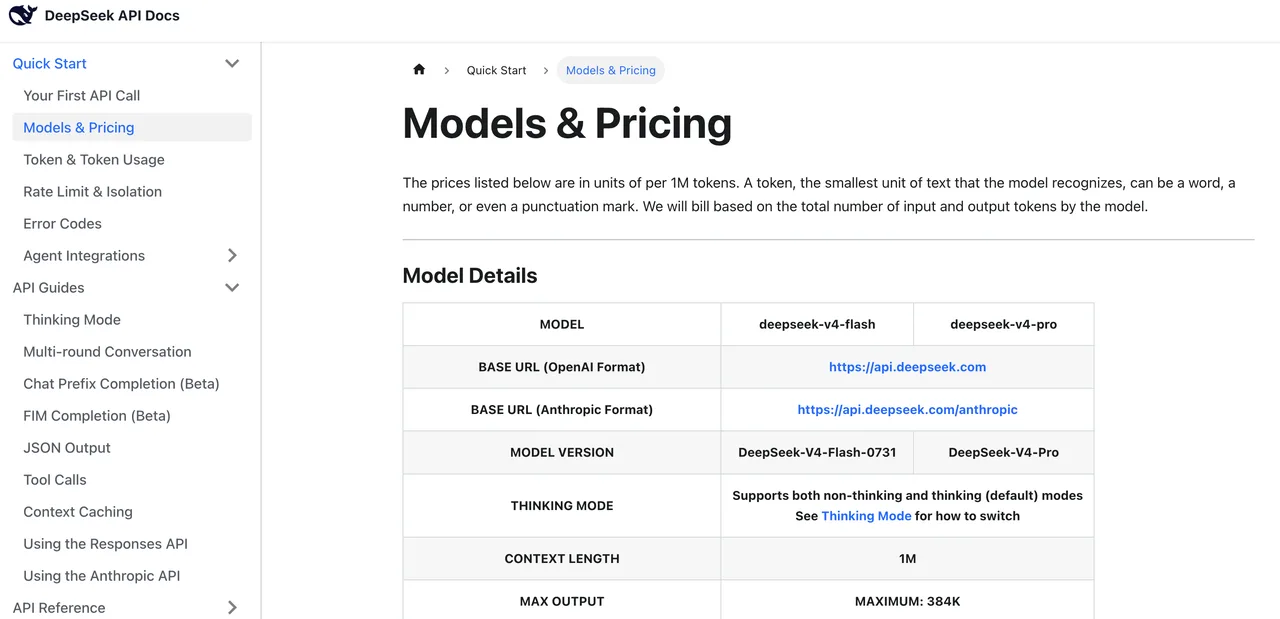
For DeepSeek, start from the official DeepSeek models and pricing page and the current change log if V4 Flash status matters. For OpenAI, use the official OpenAI models docs. For Anthropic, use the Claude models overview.
The record should look like this:
| Field | Required record |
|---|---|
| Provider | DeepSeek / OpenAI / Anthropic |
| Model ID | Exact API model string |
| Endpoint | Chat, Responses, Messages, or equivalent |
| Docs checked | URL and date |
| Price source | URL and date |
| Terms source | URL and date |
| Test owner | Named person or team |
I paused here in past evals because this step feels administrative. It is not. It prevents model substitution from becoming invisible.
Lock the workload, dataset, prompts, tools, and output format
Use one workload. Not five.
A support triage workload, code-review workload, compliance extraction workload, or retrieval QA workload can each be valid. Mixing them creates muddy results. A model can be strong on one and weak on another. That is the point.
Freeze:
- dataset
- sample IDs
- prompt text
- system instructions
- tool definitions
- output schema
- temperature and decoding settings
- retry policy
- max output
- timeout
- evaluator instructions
Hash the dataset and prompt files. Store the hash beside the results. If someone edits the prompt halfway through, the evidence pack should show it.
Define an Accepted Task Before Testing
Build a workload-specific scoring rubric
An accepted task is not “the answer looked good.”
Define acceptance before the first request.
For a JSON extraction task, acceptance may require valid JSON, correct required fields, no invented source fields, and a confidence note only when source evidence exists.
For a coding-agent summary, acceptance may require correct file references, no claimed edits, no tool calls outside the allowed set, and a next-step note that matches the repo state.
For a customer support task, acceptance may require correct category, compliant tone, no refund promise, and escalation when policy evidence is missing.
This is the core of an LLM API eval protocol. The model is being tested against a business contract, not against a vibe.
Mark rejection, repair, and evaluator-disagreement cases
Do not bury failures.
Use separate labels:
- accepted
- rejected
- repaired
- incomplete
- unsafe
- invalid format
- tool failure
- timeout
- evaluator disagreement
A repaired output is not accepted on the first try. It can still be useful, but it belongs in cost and latency.
Evaluator disagreement needs its own path. If two reviewers disagree, the case goes to an adjudicator or gets marked uncertain. Do not average the opinions and pretend that solved it.
Found the pattern on the third try: the disputed cases usually teach more than the clean wins.
Normalize Requests Without Hiding Provider Differences
Map system instructions, tools, and structured outputs
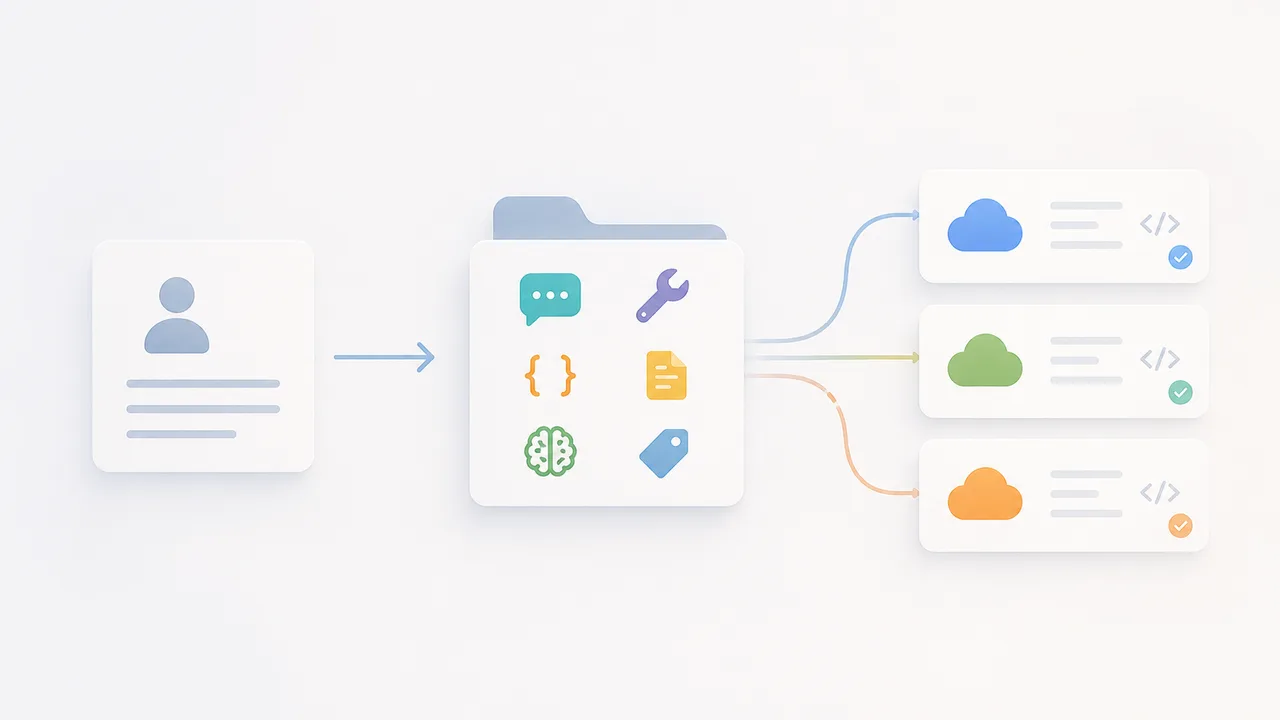
Provider APIs do not share perfect parity.
One may use a Responses-style contract. One may use Messages. One may support a different tool-call format or structured output mode. Normalize intent, not syntax.
The test harness should map the same abstract fields:
- developer/system instruction
- user task
- tool definitions
- required output schema
- maximum output length
- reasoning or thinking control, if supported
- metadata tags
- stop or timeout policy
Keep a provider adapter file for each route. That file is evidence. It shows what changed across providers.
Exclude unsupported features instead of inventing parity
Do not fake feature parity.
If one provider does not support a tool mode, exclude that feature from the primary comparison or create a separate feature-supported test lane. Do not write a wrapper that makes the provider look equivalent unless that wrapper is part of production.
A cross-provider API test should report provider differences plainly. “Unsupported” is a valid result. “We simulated support” is a different experiment.
This matters for structured outputs too. If the production system depends on strict schema behavior, the test must measure strict schema behavior. A model that “usually follows the format” may still fail the workload.
Execute a Repeated and Auditable Test
Use the same sample set and repetition count
One pass is not enough.
Use the same sample set for each provider. Use the same repetition count. For deterministic workflows, three repetitions may be enough to catch instability. For creative or ambiguous tasks, use more. The number is less important than pre-registering it.
The run sheet should include:
- sample ID
- provider
- model ID
- run number
- request timestamp
- response timestamp
- latency
- raw output location
- scorer ID
- acceptance label
- repair label, if any
Do not skip hard samples because they “make everyone look bad.” Good. That means they belong.
Capture latency, errors, usage, and raw outputs
Archive raw request and response bodies.
Capture provider errors, rate-limit responses, tool-call failures, schema validation errors, refusal messages, and timeouts. Capture token usage when provided. Capture missing usage fields too.
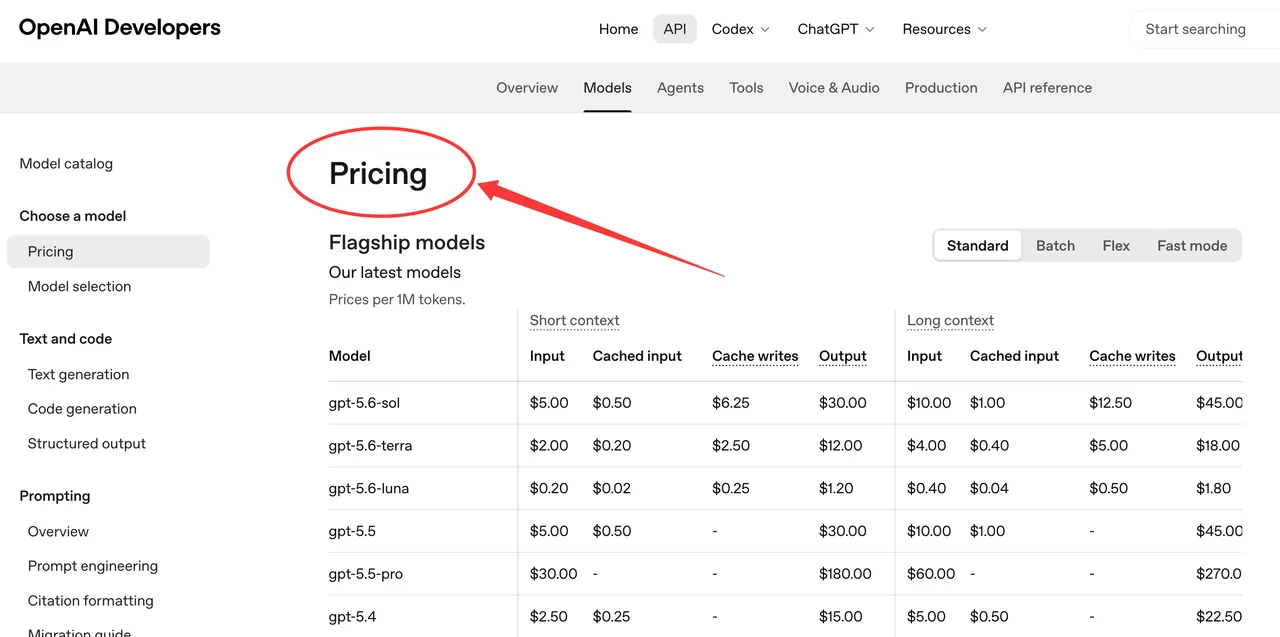
OpenAI’s API pricing docs and Anthropic’s Claude pricing docs show why token categories, cache behavior, and feature charges cannot be guessed. Use the provider’s current billing source at test time.
Do not rewrite outputs before scoring. If a parser had to clean markdown fences from JSON, record that as repair work.
Calculate Cost per Accepted Task
Add token charges, retries, rejected outputs, and repair time
Cost per accepted task is the useful FinOps number.
The formula is:
total provider cost + retry cost + repair labor cost + evaluator labor cost divided by accepted tasks.
That is crude. It is also honest.
Track:
- input tokens
- output tokens
- cache writes
- cache reads
- tool charges, if applicable
- failed charged requests
- retries
- rejected outputs
- manual repair minutes
- evaluator minutes
A cheap model that needs two repairs can become expensive. A high token price can still be acceptable if accepted-task rate is high and repair time is low. That is why cost per accepted task beats token price screenshots.
Report ranges and uncertainty rather than one winner
Do not publish one clean number unless the test supports it.
Report ranges:
- accepted-task rate: 82-88 percent
- p50 / p95 latency
- cost per accepted task range
- repair minutes per accepted task
- evaluator disagreement rate
If the sample is small, say so. If price changed during the test, split the run or mark the cost estimate as unstable. If provider terms changed mid-test, procurement needs to decide whether the evidence still applies.
Good enough. That is the most honest assessment I can give.
Publish an Evidence Pack and Retest Policy
Store model IDs, timestamps, hashes, and scoring decisions
The evidence pack should be boring enough that another engineer can rerun it.
Include:
- model IDs
- provider docs snapshots or archive references
- pricing source date
- terms source date
- dataset hash
- prompt hash
- adapter files
- raw outputs
- scoring rubric
- scorer notes
- adjudication records
- cost sheet
- final summary
The goal is not to prove one provider is better. The goal is to make the decision auditable.
This is where model evaluation evidence becomes governance instead of a slide.
Define change events that invalidate the comparison
Every comparison expires.
Invalidate or retest when:
- model ID changes
- provider silently changes alias behavior
- pricing changes
- API terms change
- tool schema changes
- prompt changes
- workload data changes
- evaluator rubric changes
- accepted-task threshold changes
DeepSeek’s terms of use, OpenAI’s Services Agreement, and contracted Anthropic terms should be checked by procurement before results are reused outside engineering. Terms are not decoration. They change whether the test can be used in sales, procurement, or customer-facing claims.

FAQ
Who approves the prompt set before provider testing begins?
The workload owner approves business fit. The eval engineer approves measurability. Platform approves provider and API constraints. Legal or security approves sensitive data handling. Do not let one team own all four.
Can customer data be used in cross-provider evaluations?
Only with documented authorization, data minimization, and provider-specific review. If customer data is not required, use synthetic or redacted samples. “Internal eval” is not a privacy exception.
May internal evaluation results appear in sales materials?
Only after approval from legal, product, and the eval owner. Internal results are often workload-specific and time-bound. Turning them into broad public claims can mislead buyers.
How should procurement handle terms that change mid-test?
Freeze the date. Mark which runs happened under which terms. If the change affects data use, pricing, confidentiality, uptime, or termination rights, procurement should decide whether the test must restart.
Who decides when two evaluators disagree on acceptance?
Use a pre-named adjudicator or review panel. If disagreement persists, mark the case uncertain. Do not force agreement just to make the spreadsheet cleaner.
Conclusion
A DeepSeek V4 Flash vs GPT comparison is only useful when the workload is locked before testing starts.
Freeze the models, prompts, dataset, tools, output format, scoring rubric**, and cost formula**. Run each provider through the same contract. Archive raw evidence. Report accepted-task rate, repair burden, latency, and cost range for that sample only.
The result may support a provider decision. It should not become a universal model ranking. This conclusion has an expiration date - models update fast.
Previous posts:
Related Articles

Best AI Video Platforms for Production Teams in 2027

Best Sora 2 Alternatives for Video Teams in 2027

Lanta AI Review 2027: Best Uses, Pricing, and Limits

Sora 2 Review 2027: API Quality, Cost, and Limits

Build a GPT-6 Astra 3D Workflow With Blender Assets