FLUX 3 vs Imagen 3: Image API Decision Guide
FLUX 3 vs Imagen 3 compares image API decisions around quality, prompt following, ecosystem, pricing, and workflow fit.
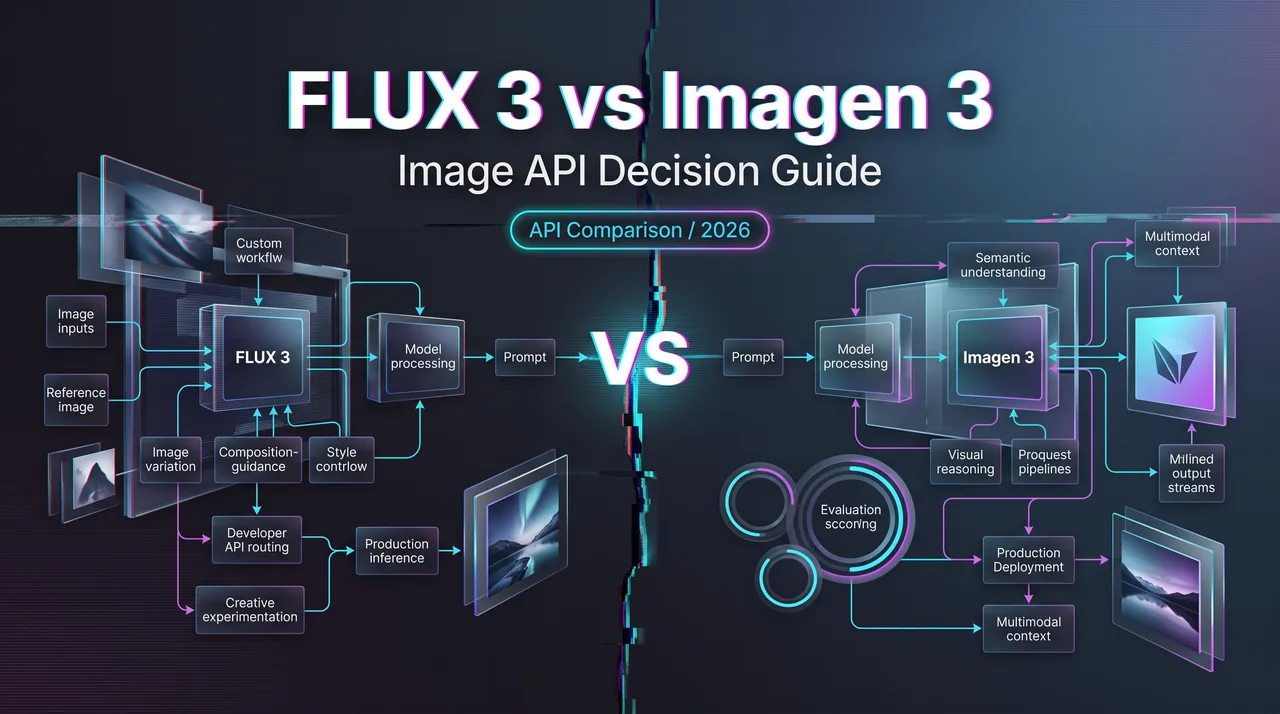
I checked FLUX 3 vs Imagen 3 as an API decision, not a gallery contest. That changes the work. A model can produce a beautiful image and still be a bad production dependency if the endpoint is unconfirmed, pricing is unclear, retries are brittle, or the safety path blocks half the batch.
As of July 27, 2026, I do not see an official FLUX 3 model ID or FLUX 3 API endpoint in Black Forest Labs docs. Imagen 3 is officially documented by Google, but Google’s own release notes now matter as much as the model page. This piece is about how to compare them once details are public and stable.
FLUX 3 vs Imagen 3: What to Compare
Release status, API availability, and model access
The first comparison is not image quality. It is release status.
Black Forest Labs’ BFL release notes currently show FLUX.2 releases, FLUX Tools updates, preview endpoints, webhook changes, and API deprecations. I found FLUX.2 [max], [pro], [flex], [klein], Virtual Try-On, Erase, Outpainting, and other tool endpoints. I did not find a confirmed FLUX 3 release note.
The current FLUX API endpoints page lists supported image generation endpoints such as /flux-2-max, /flux-2-pro-preview, /flux-2-pro, /flux-2-flex, /flux-2-klein-4b, /flux-2-klein-9b, and older FLUX endpoints. No /flux-3 endpoint appears there in the version I checked.
I paused here. This is where teams accidentally turn a search trend into an integration plan.
Imagen 3 has a clearer official surface. Google’s Imagen 3 model documentation documents model IDs including imagen-3.0-generate-002, imagen-3.0-generate-001, imagen-3.0-fast-generate-001, and imagen-3.0-capability-001. It also lists inputs, outputs, supported features, limits, aspect ratios, and quotas.
But there is a catch. Google’s Vertex AI release notes list Imagen generation GA endpoints, including Imagen 3 endpoints, as deprecated with recommended migration to gemini-2.5-flash-image before June 30, 2026. Since this article is dated July 27, 2026, any new Imagen 3 production plan needs an access and lifecycle check inside the actual Google Cloud project.
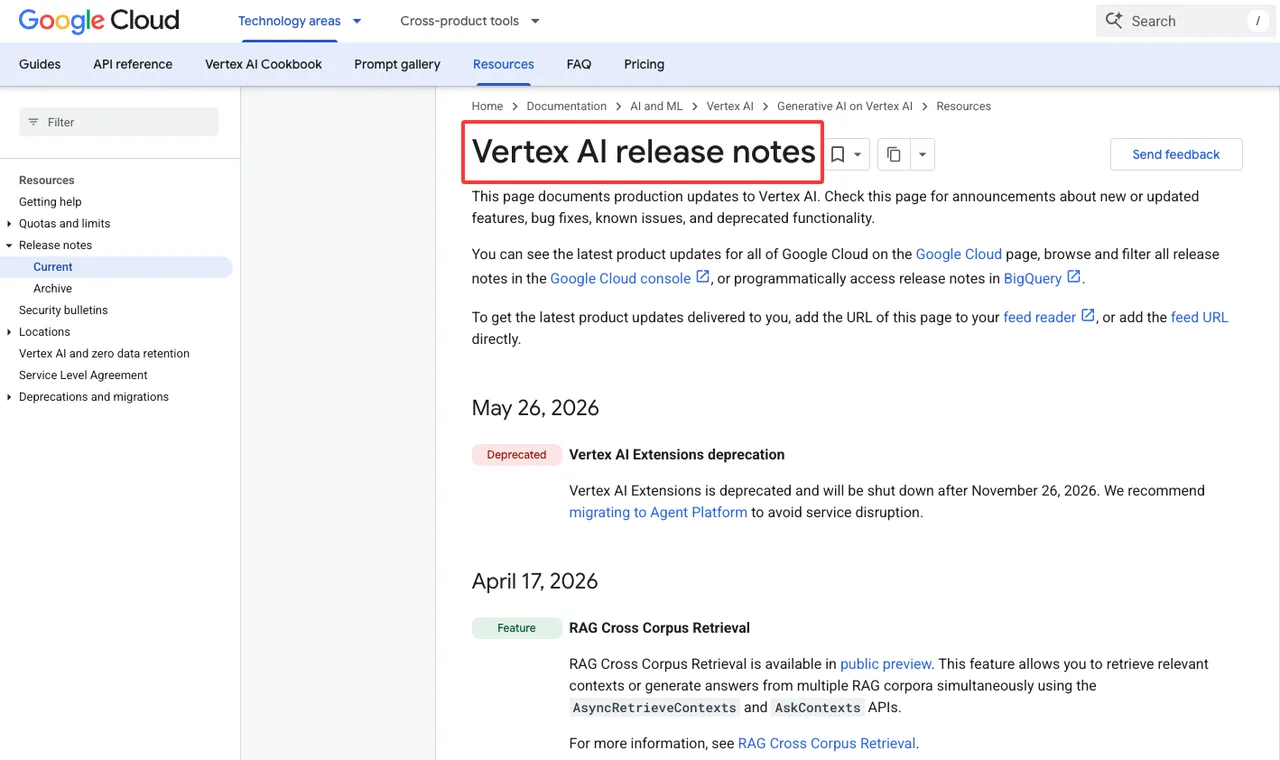
So the release-status row is not “FLUX unknown, Imagen stable.” It is more precise: FLUX 3 is unconfirmed in BFL docs; Imagen 3 is documented, but its endpoint lifecycle must be verified before new production work.
Why visual quality alone is not enough
A clean visual sample answers one question: can the model produce something attractive under controlled conditions.
A production image API has to answer different questions:
- Can the model be accessed through a stable endpoint?
- Is pricing confirmed for the exact model and mode?
- Are rate limits enough for the batch size?
- Does the provider support references, editing, or text rendering for the task?
- Are safety blocks explainable?
- Can failed jobs resume without duplicate billing or missing assets?
- Can the team store outputs under its own retention and CDN policy?
- Can the route be audited after a customer dispute?
This is why an AI image model benchmark for production has to include workflow metrics. Prompt adherence matters. So do failure rate, moderation rate, latency, cost variance, retry behavior, and reviewer effort.
Visual quality is one column. Not the whole sheet.
Compare Production Image Tasks
Product images, ads, brand visuals, text rendering, and references
For product images, the key test is identity preservation. A perfume bottle can look polished and still be wrong if the cap shape changes, the label shifts, or the material turns from glass to plastic. Product teams need reference handling, detail retention, color control, and background control.
For ads, I care more about constraint-following than peak beauty. Can the model respect the aspect ratio? Can it keep brand colors close? Can it avoid adding unreadable slogans? Can it keep a product claim out of the image unless asked?
Text rendering needs a separate track. Do not bury it inside “overall quality.” Test short text, long text, mixed case, numbers, product names, UI mock text, and legal-style disclaimers. A model that does well with “SALE” may fail on “30-day trial.” That difference matters in ads.
References need another track. BFL’s current FLUX.2 docs emphasize multi-reference editing and control in several models. Google’s Imagen 3 docs split generation and capability models, and the Imagen customization docs describe intended and unintended uses for subject customization. That distinction matters because “supports references” is too vague. A reference can mean product identity, human identity, style, pose, color, or scene layout.
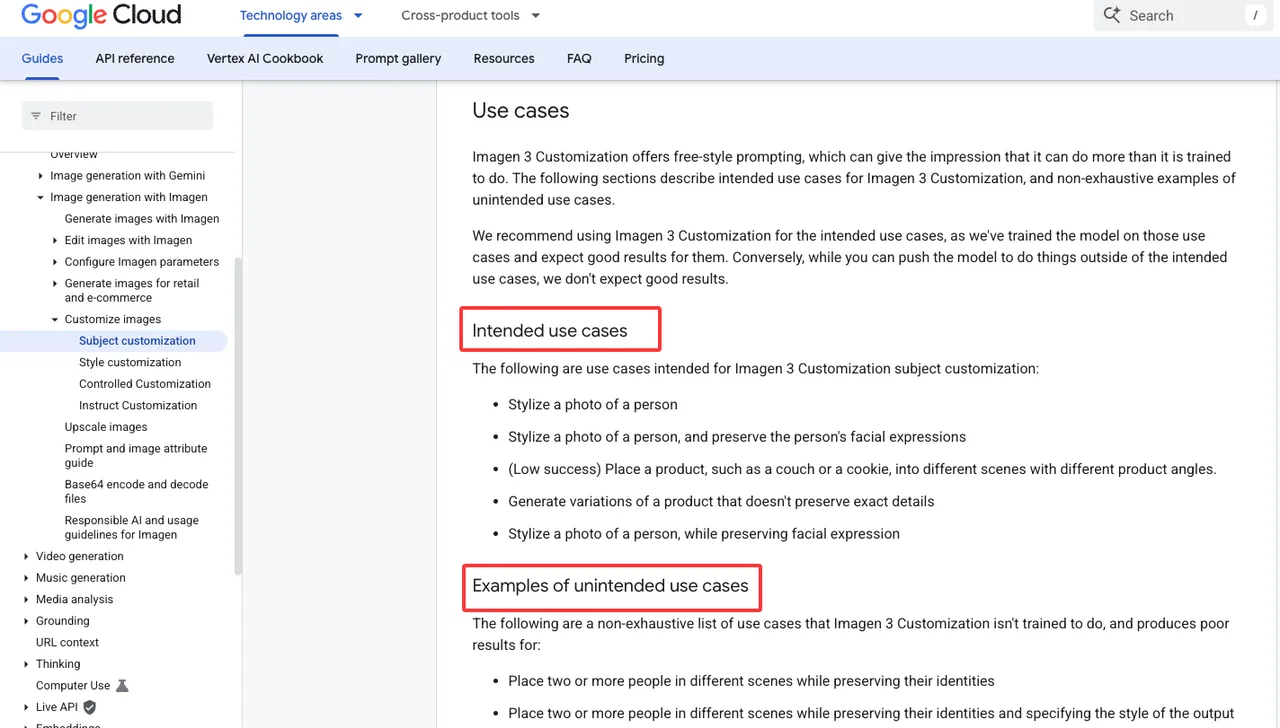 ter fields, and image output decoding.
An Imagen 3 comparison matrix should separate these tasks:
| Task | What to score | Common failure |
|---|---|---|
| Product image | Shape, label, material, color | Looks good but changes the item |
| Ad visual | Layout, prompt adherence, aspect ratio | Adds unwanted text or objects |
| Brand visual | Color, style, repeatability | Drifts across a campaign |
| Text rendering | Exact letters and numbers | Misspelling or warped typography |
| References | Identity and detail preservation | Preserves style but not object facts |
One table. Enough.
Batch generation, editing, QA, and fallback paths
Batch work changes the model choice. A model that wins on a single hero image may be too expensive, slow, or inconsistent for 500 variants.
Batch testing needs fixed prompts, fixed inputs, fixed dimensions, and clear review labels. I would track pass, minor edit, major edit, reject, moderation block, timeout, retry success, and manual rescue. That gives the team a real production signal.
Editing needs its own tests. Text-to-image quality does not predict object removal, outpainting, insertion, or product recontextualization. Current BFL docs separate generation endpoints and FLUX Tools. Google separates Imagen generation from customization and editing-capability models. Treat those as different products inside the same vendor family.
QA has to include human review. Not because humans are always better. Because production image mistakes are often semantic: wrong product, wrong logo shape, wrong skin tone, unsafe setting, implied claim, incorrect packaging. Automated checks catch dimensions and file type. They do not reliably catch “this looks like a competitor’s product.”
Fallback paths need rules. If FLUX 3 becomes available later and fails during a batch, does the system fall back to FLUX.2, Imagen, Gemini image generation, or an aggregator route? If Imagen 3 is unavailable or deprecated in a project, does the system use Google’s recommended replacement? These decisions need to be made before the batch starts.
Speed is not the goal. Not breaking flow is.
Compare Developer Ecosystems
API docs, pricing, safety policy, tooling, and enterprise readiness
A production image generation API decision starts with documentation maturity.
For FLUX 3, the required evidence is still missing in public BFL docs: model ID, endpoint path, request schema, response schema, pricing, preview or stable status, limits, moderation behavior, and storage behavior. Existing FLUX API docs can prepare the wrapper, but they cannot confirm FLUX 3 behavior.
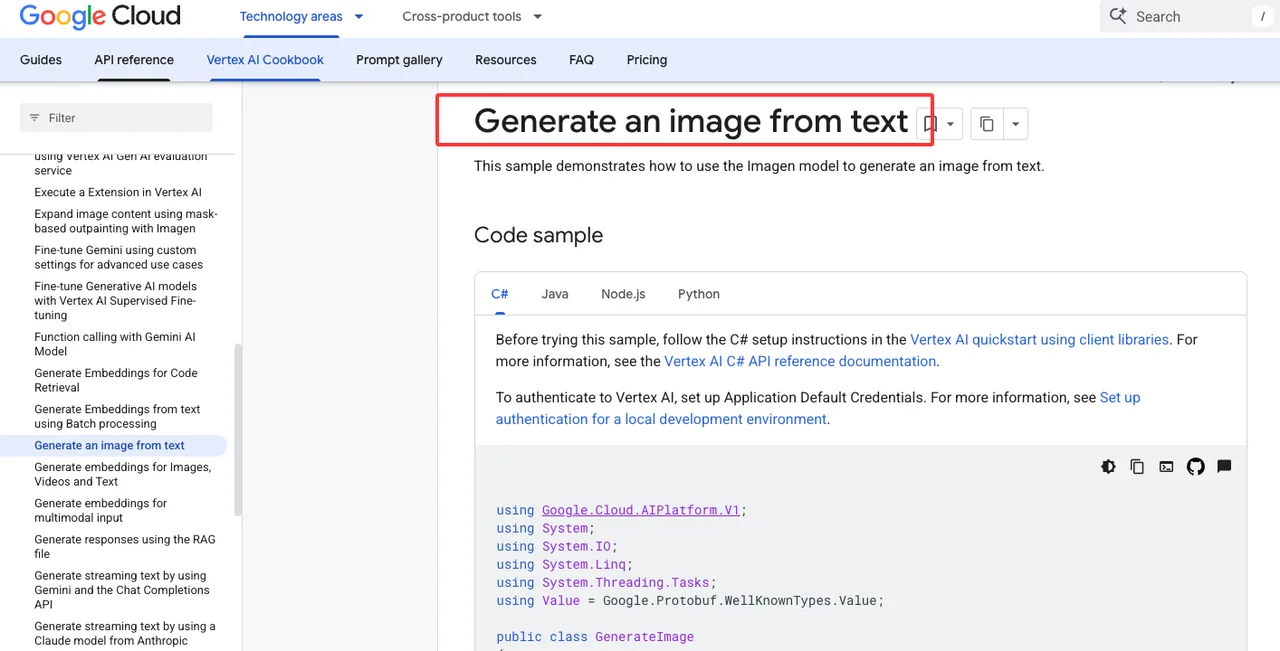
For the Google Imagen API, the model pages and samples document request fields, model IDs, regional endpoints, authentication, safety settings, person generation controls, and output handling. The Google image generation sample shows typical Vertex AI request patterns with model IDs, project/location setup, safety filter fields, and image output decoding.
Pricing needs exact project-level confirmation. Public pricing pages help estimate, but billing can change by model, region, endpoint, provisioned throughput, and enterprise agreement. I would not make a model switch based on a blog post saying one provider is cheaper.
Safety policy needs product review. Teams need to know how each provider handles people, public figures, trademarks, adult content, political content, medical claims, and user-uploaded references. The important thing is not only whether content is blocked. It is whether the block is explainable and loggable.
Enterprise readiness is dull until it is not. Check IAM, project-level keys, usage logs, spending limits, regional routing, support contacts, status pages, data retention, and incident response. Good infrastructure makes you forget it is there.
Direct provider access versus aggregator routing
Direct access gives more control over the provider’s native API. It is cleaner when a team is committed to one ecosystem and needs every provider-specific parameter.
Aggregator routing is useful when the team needs model choice without rebuilding the whole app each time. A router can normalize job submission, storage, cost logging, retries, and fallback while preserving provider-specific adapters under the hood.
The trade-off is simple. Direct access gives native depth. Aggregation gives operational flexibility.
For a future FLUX API release, I would start with an adapter boundary either way. Product code sends an internal image job. The adapter maps that job to FLUX, Imagen, Gemini image generation, or another provider. This keeps the product from hardcoding rumor-based model names.
Having many tools is not the problem. Having to manage your tools is.
FAQ
Who owns the image model comparison matrix?
The matrix should belong to the image platform or AI infrastructure owner. Creative, brand, legal, and product teams should contribute scoring criteria, but one technical owner needs to maintain the source of truth.
The matrix should record model ID, endpoint, date tested, provider docs checked, prompt set, input set, output samples, reviewer notes, cost, latency, moderation rate, and recommended use cases.
What evidence should trigger a model switch?
A model switch needs repeatable evidence, not one strong sample.
Good triggers include lower reject rate across the same prompt set, better reference fidelity, lower cost at the same quality threshold, faster batch completion, fewer moderation surprises, stronger text rendering, or a provider lifecycle event such as endpoint deprecation.
A switch can also be triggered by risk. If an endpoint becomes preview-only, deprecated, region-limited, or unclear on policy, quality alone is not enough to keep it in production.
How should teams report uncertain FLUX 3 claims?
Mark them as unconfirmed. Include the date checked, the official sources checked, the missing facts, and the owner responsible for rechecking.
Do not write flux-3-pro into product docs, model routing tables, or API examples until Black Forest Labs publishes the exact model ID and endpoint. Placeholder names have a way of surviving. Not in a good way.
Conclusion
FLUX 3 vs Imagen 3 is not a “which image looks better” question. It is a production API decision across release status, endpoint lifecycle, task fit, cost, moderation, tooling, and operational recovery.
Right now, FLUX 3 should be treated as unconfirmed until Black Forest Labs publishes official details. Imagen 3 should be treated as documented but lifecycle-sensitive, because Google’s release notes point teams toward newer image endpoints. The comparison only becomes useful when every row has evidence.
That is the line I would draw: compare models only after the access path is real. Everything before that is planning around smoke.
Previous posts: