FLUX 3 Watch: What Builders Should Track
FLUX 3 watch for builders tracking Black Forest Labs’ next image model, API access, pricing, and production signals.
It’s Dora. I would treat this page as a watch note, not a launch review. FLUX 3 appears to be drawing search interest as builders assess whether it changes their image and creative pipelines. The answer is: maybe, but only after the production evidence catches up with the announcement.
For an AI builder, the useful question is not “does the demo look good.” It is “can my team route real jobs through this model without guessing the endpoint, cost, license, limits, or rollback plan.” That is the line I am using here.
What FLUX 3 Searches Are Really Asking
Model release, API access, image quality, and developer workflow
For this watch note, I group FLUX 3 search questions into four categories.
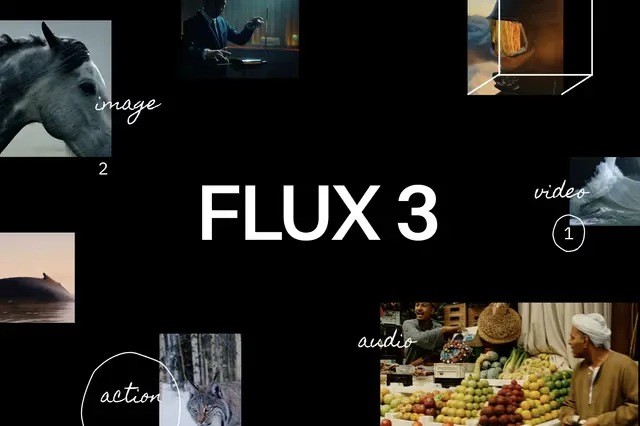
The first is release status. Black Forest Labs published an official FLUX 3 announcement on July 23, 2026. The post describes early access and lays out a phased plan across video, audio, image, action prediction, private weight access, and future open-weight access.
The second is API access. This is where the answer gets narrower. A release post confirms product direction. It does not automatically confirm a public endpoint contract. For production planning, the endpoint list, request schema, webhook behavior, and result format matter more than the launch language.
The third is image quality. Builders want to know whether the Flux image model improves prompt adherence, editing precision, typography, references, product shots, and batch consistency. Vendor samples can start that evaluation. They cannot finish it.
The fourth is workflow fit. Teams using Flux AI through internal tools, aggregators, or generation platforms need to know whether this new model can be tested without rebuilding the whole pipeline.
Why official confirmation matters before planning production use
I would not build a sprint plan from a social post, a demo clip, or a dashboard screenshot someone shared in a thread. That is how small guesses become expensive tickets.
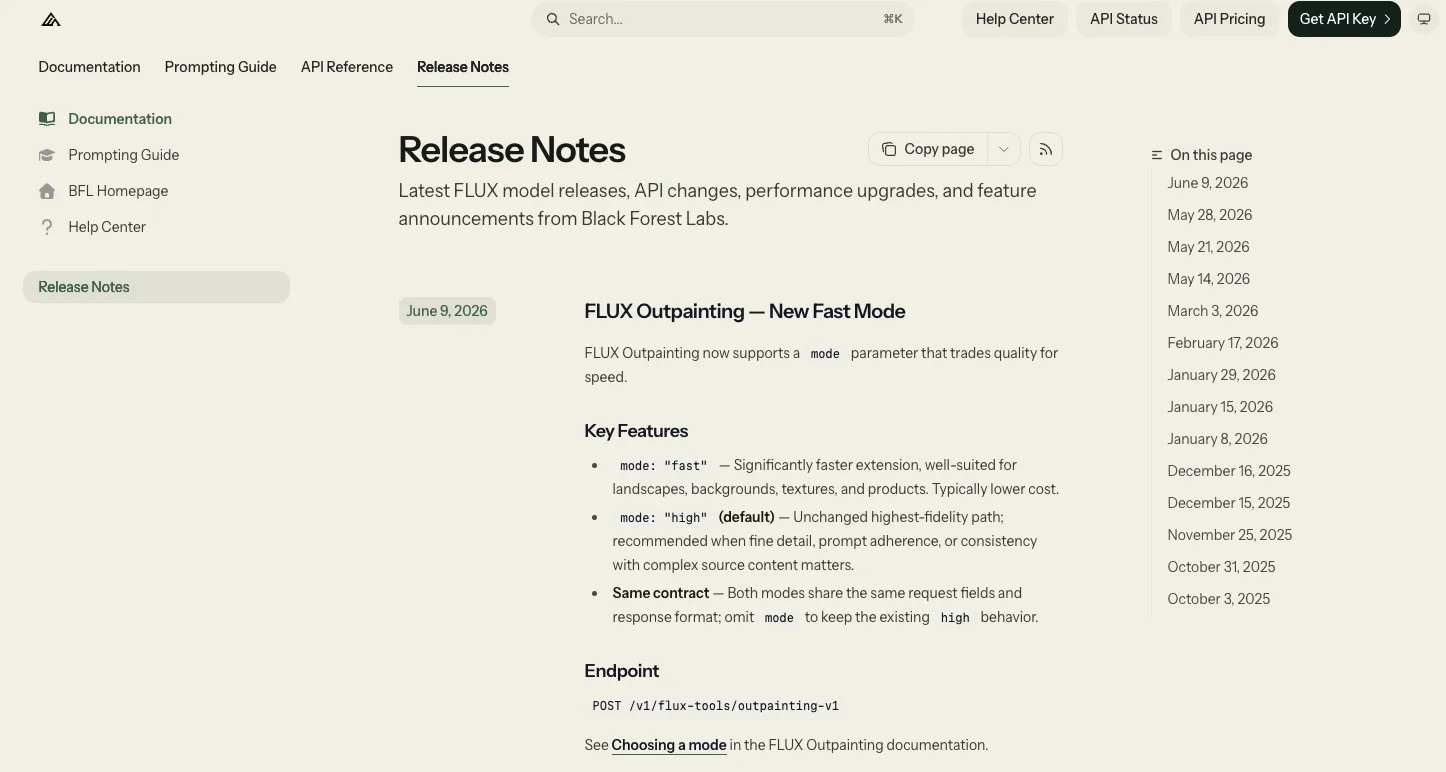
The official BFL release notes are the page I would keep open. If a model becomes generally available, changes API behavior, adds a preview endpoint, or modifies production semantics, that page is where the evidence should appear.
Until the release notes, API docs, pricing page, and dashboard agree, the honest status is “track, test if invited, do not depend on it.”
What Builders Should Track
Model tiers, endpoints, pricing, licensing, and API documentation
A useful tracker should split the evidence into separate rows. Do not collapse everything into “released.”
| Area | What to verify | Why it matters |
|---|---|---|
| Model tier | Image, video, dev, action, private weights | Each tier may have different access and limits |
| Endpoint | Public path, preview status, pinned status | Production systems need stable contracts |
| Pricing | Per image, per MP, per clip, per second, credits | Cost modeling breaks without billing units |
| Licensing | API rights, commercial use, open weights | Legal review depends on exact terms |
| Dashboard | Availability, usage logs, credit reporting | Ops teams need usage evidence |
| Limits | Concurrency, output size, retention, moderation | Batch jobs fail here first |
The current public BFL image generation docs list public endpoints for FLUX.2 and legacy FLUX image models, including preview and pinned variants. I did not find a public FLUX 3 image endpoint in that endpoint list while checking for this piece. That is not a criticism. It is just the current boundary.
I paused here.
Prompt adherence, editing quality, references, speed, and output limits
The eval set should match actual work.
For product images, test reference preservation, material accuracy, logo handling, background control, and whether the model keeps the product recognizable after edits.
For ads, test typography, brand colors, layout stability, aspect ratio changes, and whether copy stays legible after regeneration.
For design variants, test controlled editing. A good edit model changes the requested part and leaves the rest alone. Sounds basic. Still where many systems leak time.
For batch generation, measure usable outputs per 100 requests. Peak quality is nice. Average quality pays the bill.
For speed, measure the whole job, not just model inference. Queue time, polling, file download, signed URL expiry, moderation delays, and retries all count. Speed is not the goal. Not breaking flow is.
How FLUX 3 Could Fit Image Pipelines
Product images, ads, design variants, and batch generation
I would put the new model into a candidate lane first.
Keep the current production model pinned. Add the new release behind a feature flag or internal routing rule. Send the same prompts through both paths. Compare acceptance rate, manual repair time, cost per approved asset, retry rate, and failure categories.
A practical first test set:
- 20 product shots with strict reference matching.
- 20 campaign concepts with text and layout constraints.
- 20 design edits where only one element should change.
- 20 batch prompts designed to expose drift, repetition, and moderation edge cases.
That is enough to find the first pattern. Not enough for a company-wide migration. Good enough for an engineering readout.
Direct BFL API versus aggregator or workflow tool access
Direct Black Forest Labs API access gives the clearest relationship with the source. It is the right place to verify official endpoints, billing, rate limits, and support behavior.
Aggregator or workflow tool access makes sense when the team cares about model switching, routing, and side-by-side evaluation. In a unified generation layer, builders can test a new AI image model without rewriting every integration path. That is the practical value. Not magic. Fewer moving parts.
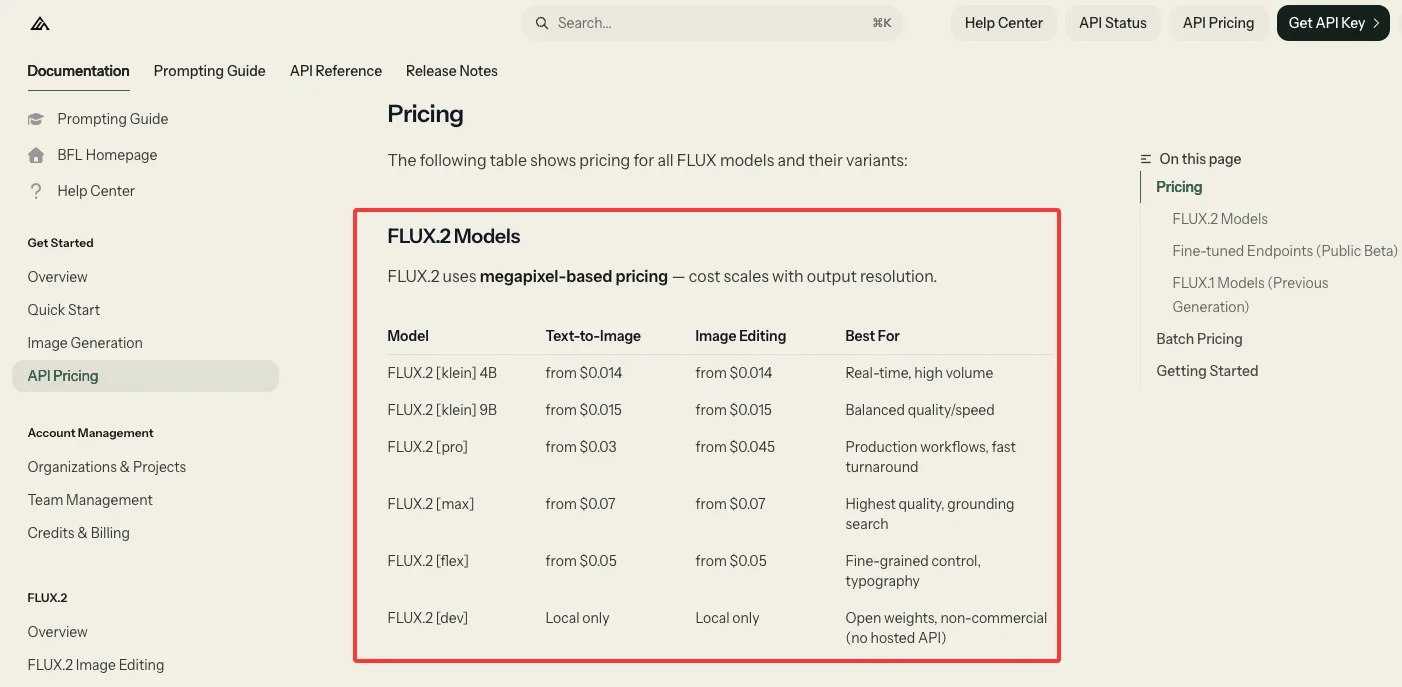
Pricing still needs its own check. BFL’s public pricing page currently documents credit-based pricing for existing FLUX models, including FLUX.2 and FLUX.1. I would not quote production pricing for the new release until that page or the dashboard shows it clearly.
If the team uses agent workflows, there is one more surface to verify. The BFL FLUX MCP server currently describes FLUX.2 generation, editing, variations, history, and credits inside MCP-compatible clients. That is useful for creative tooling. It should not be treated as confirmed support for the new model until the page says so.
FAQ

Who should monitor FLUX 3 release evidence?
The owner should be close to production risk: an AI platform lead, image pipeline owner, or engineer responsible for model routing. Marketing can watch public messaging. Engineering should own the evidence log.
What evidence is enough to update this page?
I would update after three things are public and consistent: official release evidence, API documentation with endpoint/schema details, and pricing or dashboard confirmation. If commercial usage or weights are involved, licensing evidence belongs in the same update.
How should teams avoid planning around rumors?
Use four labels: announced, early access, documented, production deployed. Keep screenshots and social posts out of the source-of-truth column. This is where my data ends.
Conclusion
FLUX 3 is worth tracking, but not worth pretending into production. The release signal is real. The production surface still needs verification. Builders should watch the official docs, run candidate-lane tests when access appears, and keep existing image workflows stable until endpoint, pricing, licensing, and tool access are confirmed.
Previous posts:
Related Articles

Best AI Video Platforms for Production Teams in 2027

Best Sora 2 Alternatives for Video Teams in 2027

Lanta AI Review 2027: Best Uses, Pricing, and Limits

Sora 2 Review 2027: API Quality, Cost, and Limits

Build a GPT-6 Astra 3D Workflow With Blender Assets