GPT-Live Pricing: API Cost Estimate
GPT-Live pricing is not enough to know upfront; estimate cost with audio minutes, tokens, concurrency, tools, and retries.
Dora here. I paused here because the number everyone wants is not ready to use. As of July 29, 2026, GPT-Live pricing is not a final API rate I would put into a customer deck.
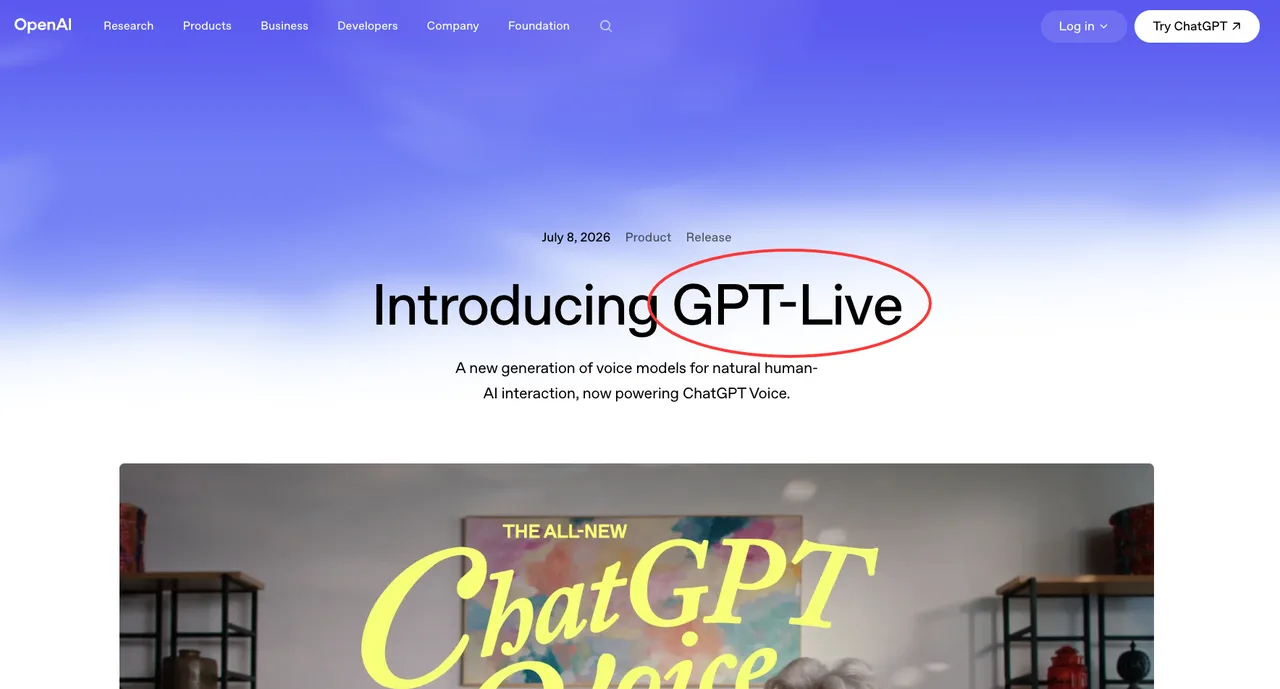
OpenAI has introduced GPT-Live for ChatGPT Voice, and developers can sign up for GPT-Live-1 API updates. That confirms direction. It does not confirm price.
This piece is for product pricing, FinOps, and voice infra teams that still need a budget model before the rate card exists. The work is not to guess. The work is to keep every assumption visible until OpenAI publishes official numbers.
Start With Unknown Official Pricing
The first line in the budget should be boring:
Official GPT-Live API unit pricing: TBD.
Not “similar to realtime.” Not “probably close to another voice model.” Not “sales heard a range.”TBD.
OpenAI’s API pricing page is the only pricing source I would hard-code into a model. If the GPT-Live-1 rate is not there, or not in the API docs, it stays out of external-facing material.
This is where spreadsheet hygiene matters. A blank cell is better than a fake number.
What not to assume before API pricing is published
- Do not map GPT-Live-1 directly to an existing realtime voice model. Similar category does not mean identical billing.
- Do not use ChatGPT subscription access as a proxy for GPT Live API cost. Consumer packaging and developer API billing are different surfaces.
- Do not quote media rumors, forum guesses, leaked screenshots, or “someone said” numbers. Those can live in private monitoring notes. They do not belong in the article, contract model, or sales deck.
- Do not confuse transcription with full voice-agent usage. A live transcription SKU is not the same as a full-duplex voice agent that listens, speaks, manages turns, and may delegate deeper work.
I don’t know. Better than making something up.
Baseline fields to track once pricing appears
Once official pricing appears, collect these fields before anyone updates customer-facing assumptions.
| Field | Why it matters |
|---|---|
| Model ID | Prevents mixing GPT-Live-1, mini, transcription, and fallback models |
| Billing unit | May be tokens, audio duration, session duration, tool calls, or a hybrid |
| Input audio rate | Drives listening-heavy sessions |
| Output audio rate | Drives talkative agents |
| Text token rate | Covers instructions, summaries, memory, and tool results |
| Cached input policy | Changes multi-turn economics |
| Tool pricing | Search, connectors, and delegated work may add cost |
| Minimums or rounding | Short calls can become expensive if billing rounds up |
| Failed-session billing | Critical for reconnects, abandoned calls, and mobile drops |
Product pricing owns the commercial assumptions. FinOps owns the model. Voice infra owns the measurements. No anonymous cells. They always become expensive later.
Build a Voice Cost Model Without Final Prices
The model should calculate exposure, not “the price.”
Use variables:
monthly_cost = sessions × billable_units_per_session × official_unit_rate × retry_factor × tool_factor × safety_margin
For now, official_unit_rate = TBD.
Keep that visible. If someone hides it inside a formula, the spreadsheet starts pretending.
The hard part is not only the unit rate. It is session behavior. A five-minute support call, a twenty-minute tutoring session, and a companion agent left open in the background do not have the same cost shape.
Audio minutes, input/output tokens, session duration, and silence
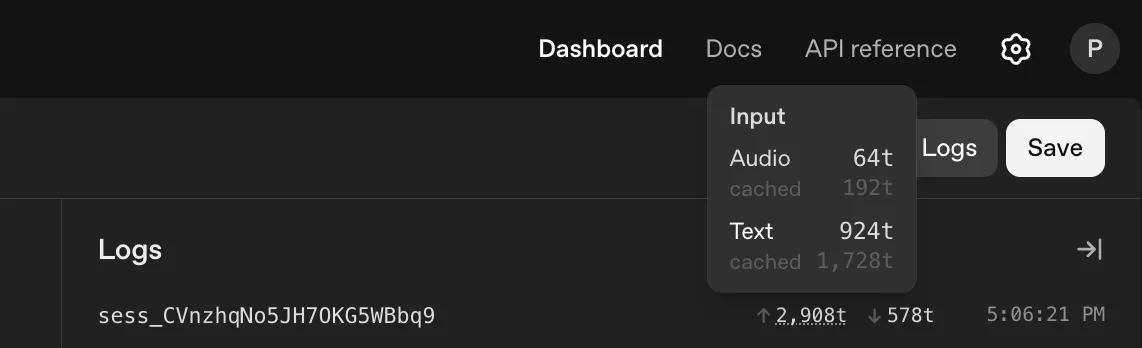
OpenAI’s Realtime cost guidance is useful here because it frames realtime cost around actual token usage and recommends measuring sample sessions instead of guessing from averages.
That habit should carry into GPT Live developer API planning.
Track wall-clock duration, user speech seconds, assistant speech seconds, number of turns, average response length, silence ratio, context growth, and cache behavior.
Silence deserves its own line. A user can pause, think, get interrupted, or leave the microphone open. Whether that silence becomes billable depends on final pricing and session behavior. Until the official rate is published, model silence as a variable.
Output audio also needs separate tracking. A concise support bot and a chatty companion agent can receive the same user input and produce very different assistant output. Under any output-sensitive billing model, that difference matters.
Tool calls, background delegation, retries, and failed sessions
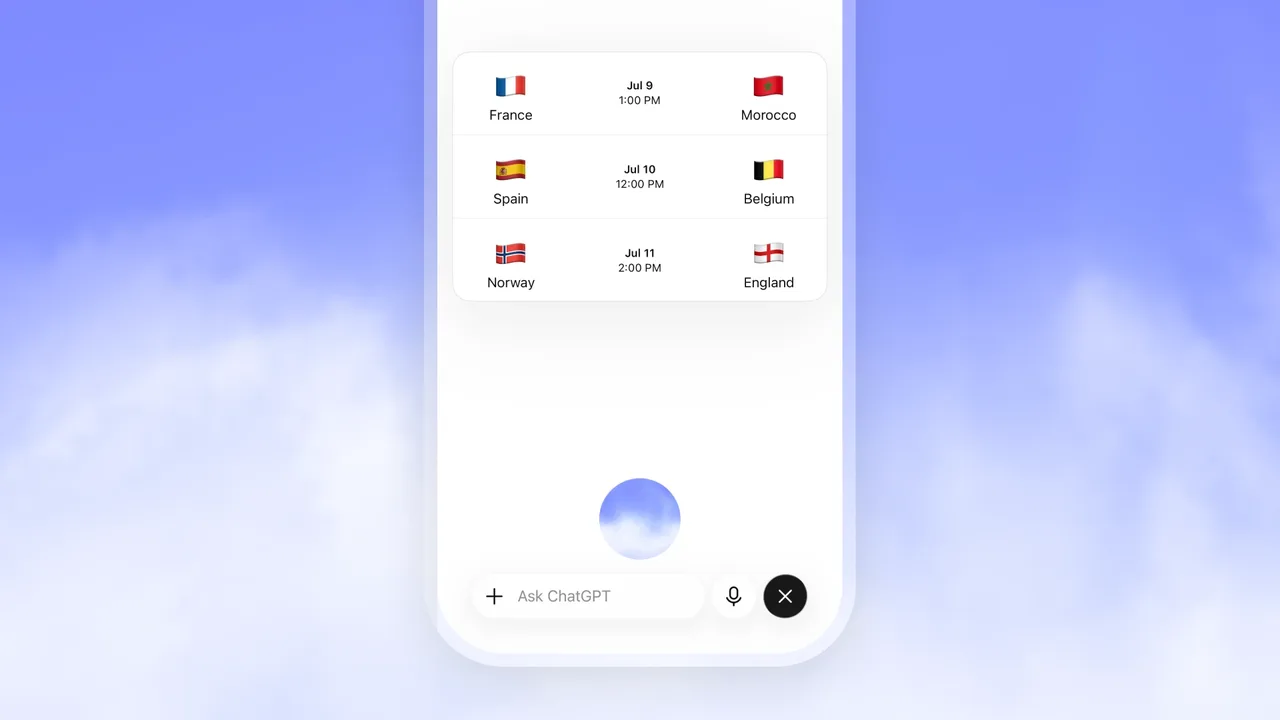
**GPT-Live is designed for natural voice interaction**, but the official announcement also describes delegation for deeper work. That affects budget planning.
A voice interaction may call search, use tools, hand work to another model, or summarize state after the user leaves. So the realtime voice AI cost model needs more than audio minutes.
Track tool calls per session, failed tool calls, retries, reconnects, delegated requests, and abandoned sessions that still created billable work.
Failed sessions are the quiet leak. The user opens the mic, the network drops, the app reconnects, the first response starts twice, and the support issue still ends unresolved. The customer sees failure. The invoice may still see usage.
So that’s where the bottleneck was.
Scenario Budgets for Voice Products
Do not start with one blended “average voice session.” That number looks clean and hides the problem.
Start with scenario budgets.
- A support bot usually has short calls, narrow tasks, and frequent tool use. Authentication loops and retries are the real risk.
- A tutoring app has longer sessions and more context growth. The model may need to remember the earlier lesson, student errors, and follow-up questions.
- A live interpreter is duration-sensitive. It may need continuous listening and low latency. The cost issue is not one answer. It is sustained audio.
- A companion agent can become output-heavy. It may speak often, stay open longer, and handle more ambiguous turns. That is not bad. It just cannot be priced like a support bot.
Support bot, tutoring app, live interpreter, and companion agent
| Product type | Primary cost drivers | Budget guardrail |
|---|---|---|
| Support bot | Turns, tool calls, retries, failed authentication | Cap turns and tool attempts per session |
| Tutoring app | Long sessions, context growth, balanced speech | Cap lesson duration and summarize old context |
| Live interpreter | Continuous audio, peak concurrency, fallback quality | Cap session length and pre-plan degraded mode |
| Companion agent | Long idle time, output audio, open-ended turns | Enforce session expiry and talk-time limits |
This is the practical core of voice agent pricing. Price the product behavior, not the category name.
Concurrency, peak traffic, and fallback capacity
Budget normal traffic and peak traffic separately.
A pilot with 50 friendly users will not behave like launch week. Campaign spikes, customer-support incidents, classrooms, live events, and mobile reconnect storms all change concurrency.
Fallback capacity also needs a budget. During peak load, the product may switch to text chat, transcription-only mode, shorter answers, a smaller realtime model, or human escalation. Fallback is not only an infra decision. It changes margin.
Launch Guardrails
Launch guardrails should exist before launch. After launch, they become apologies.
Pilot caps, kill switches, budget alerts, and model fallback
Set pilot caps first. Limit sessions per account, daily minutes, max turns, max tool calls, and maximum session duration.
“Fair use” is not a financial control. It is a phrase people use before they have logs.
Add kill switches. The team should be able to disable GPT-Live traffic, tool delegation, long-session behavior, or premium fallback without shipping a new app version.
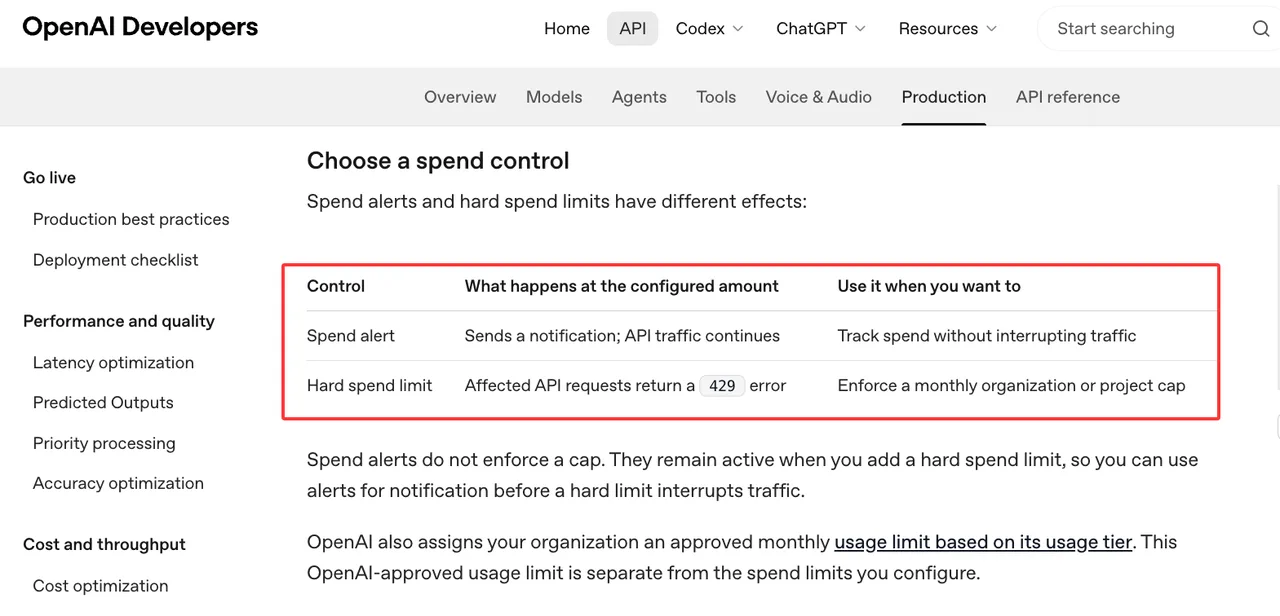
Use spend controls carefully. OpenAI’s spend limits docs distinguish budget alerts from hard limits. Alerts notify. Hard limits can stop traffic and return quota errors. Product, support, and finance should know which one is active.
Plan model fallback before the incident. If GPT-Live pricing comes in above the early assumption, fallback may mean shorter answers, text-only mode, fewer tool calls, or customer-specific caps.
Switched my approach. I would treat fallback as a pricing feature, not just an engineering feature.
FAQ
Who approves pricing assumptions before sales uses them?
Product pricing approves external commercial assumptions. FinOps approves the budget math. Voice infra approves the telemetry definitions.
Sales should only use numbers marked “approved for external use.” Anything labeled draft, TBD, internal estimate, or scenario range stays internal.
How should teams handle customer contracts before official pricing exists?
Use conditional language. Keep final API unit rates outside fixed long-term commitments until OpenAI publishes official pricing.
For pilots, contract around capped usage, limited duration, and revision rights. If a customer needs a budget now, give a scenario range and state which assumptions may change.
Do not promise margin on an unpublished unit cost.
What evidence is needed to revise a voice-agent budget after launch?
Use production logs, not opinions.
A budget revision should include completed sessions, failed sessions, abandoned sessions, average duration, user speech time, assistant speech time, input and output usage, cached input share, tool calls, retries, concurrency peaks, escalation rate, and task completion rate.
Then show the variance: old assumption, measured value, difference, and decision. The decision should be concrete. Raise caps. Lower caps. Change fallback. Reprice. Add customer limits.
Conclusion
The safest GPT-Live pricing work right now is not a forecast. It is a controlled placeholder.
Do not predict the unit price. Build the budget around behavior: audio in, audio out, session length, turns, tools, retries, cache, delegation, and fallback. When OpenAI publishes the official rate, the spreadsheet should need a few updated cells, not a week of excavation.
Not knowing the price is fine. Pretending to know it is expensive.
Previous posts: