AI Video Editor Talking Head cleans up a talking-to-camera video: it removes filler words, false starts, repeats and dead air, keeps the speaker framed, and burns in accurate word-timed captions. Ready-to-use REST inference API, best performance, no coldstarts, affordable pricing.
Idle
$0.005per run·~200 / $1
ExamplesView all
Related Models





README
AI Video Editor — Talking Head
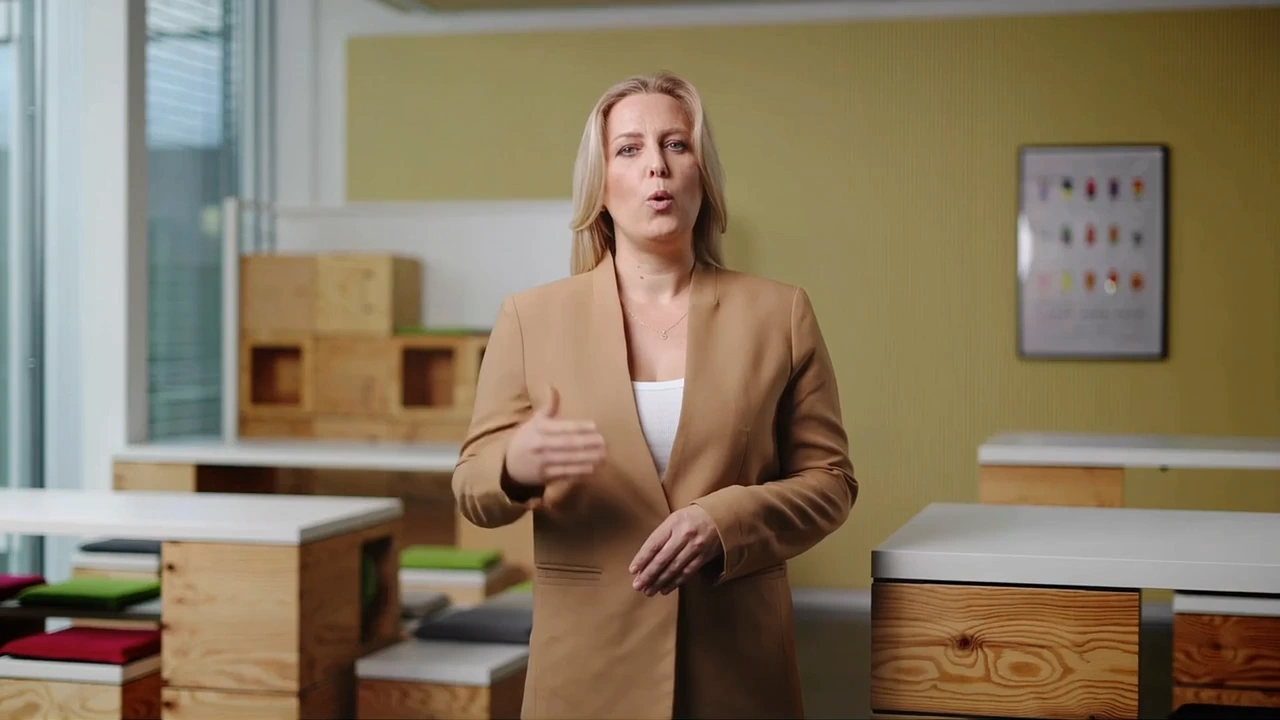
Talking Head automatically cleans up a single talking-to-camera recording while preserving the speaker's intended message. It removes filler words, false starts, repeated takes, and unnecessary pauses, keeps the speaker framed, and adds verified word-timed captions to produce a tighter, more polished version of the original recording.
Use Talking Head when you want to keep the content of a spoken video but make the delivery cleaner and more concise. It is designed for creator videos, presentations, tutorials, interviews, product explanations, courses, and other speaker-focused footage where the goal is to remove mistakes and dead air rather than create a new highlight from selected moments.
Why Choose This?
-
Automatic talking-head cleanup
Remove filler words, restarts, repeated takes, and dead air without manually editing the timeline. -
Natural sentence-level cuts
Speech edits are made around sentence boundaries to help keep transitions natural and avoid abrupt audio cuts. -
Verified captions
Speech is checked by two independent recognition passes. Captions are added only where the transcription can be verified. -
Word-level caption timing
Burned-in captions can highlight words in sync with the speaker. -
Speaker-aware reframing
When changing aspect ratio, the frame follows the speaker's face while slides and title cards without a visible face remain fully shown. -
Multiple output ratios
Create landscape, vertical, square, portrait, or ultrawide edits for different publishing platforms. -
Long-recording support
Process up to120minutes of source video in a single request.
Parameters
| Parameter | Required | Description |
|---|---|---|
| videos | Yes | Talking-head video to edit, provided as a URL or upload. One video is supported. Up to 2 hours are processed; longer input is truncated. |
| aspect_ratio | No | Output aspect ratio: 16:9, 9:16, 1:1, 4:5, 5:4, 4:3, 3:4, 3:2, 2:3, or 21:9. If omitted, the output follows the source video. |
| language | No | Language of the output captions and voice: auto, en, fr, es, pt, it, ru, zh-CN, zh-TW, ja, ko. auto (default) keeps the source language. A different language translates the captions and replaces the speech with a translated voiceover, without lip sync. |
How to Use
- Upload your recording — Provide the talking-head video you want to clean up.
- Choose aspect ratio optional — Select a vertical, square, landscape, or other supported format, or leave it unset to follow the source.
- Choose language optional — Specify the spoken language or keep
autofor automatic detection. - Submit — Let the editor analyze the speech, remove unwanted sections, reframe the speaker, and generate verified captions.
- Retrieve the result — Download the completed edited and captioned video.
Pricing
Pricing is based on the source video duration.
The rate is $0.005 per 5 seconds, equivalent to $0.06 per minute.
Source duration is rounded up to the next whole second, with a minimum billed duration of 3 seconds and a maximum billed duration of 7200 seconds (120 minutes).
| Source Duration | Billed Duration | Cost |
|---|---|---|
| 3s | 3s | $0.003 |
| 5s | 5s | $0.005 |
| 1 min | 60s | $0.06 |
| 10 min | 600s | $0.60 |
| 60 min | 3600s | $3.60 |
| 120 min | 7200s | $7.20 |
Only the processed source duration affects pricing. aspect_ratio and language do not add separate charges.
Best Use Cases
- Talking-head videos — Clean up direct-to-camera recordings automatically.
- Creator content — Tighten YouTube, short-form, educational, or commentary videos.
- Interviews — Remove pauses, restarts, and repeated takes from speaker-focused footage.
- Tutorials and explainers — Improve pacing while preserving the speaker's intended content.
- Presentations — Turn long spoken recordings into cleaner, more polished videos.
- Vertical social content — Reframe landscape recordings for
9:16,4:5, or square feeds. - Captioned speech content — Generate burned-in captions with verified word timing.
Pro Tips
- Use clean recordings with clearly audible speech for stronger transcription and edit decisions.
- Set
languageexplicitly when you know the spoken language and want more predictable speech recognition. - Use
9:16for vertical short-form content and1:1or4:5for square or portrait social formats. - Leave
aspect_ratiounset when you want to preserve the original framing. - Keep the speaker clearly visible when face-following reframing is important.
- Review any returned
warningswhen parts of the speech could not be verified.
Notes
- Translated voiceover takes considerably longer than a same-language edit.
videosis required and accepts one source video.- Maximum input size is
2 GB. - Typical processing time is approximately
0.7×the source duration, such as about7minutes for a10-minute recording. - Filler words, false starts, repeated takes, and long pauses may be removed around sentence boundaries.
- If the source already contains burned-in subtitles, generated captions are positioned above them.
- Output aspect ratio follows the source when
aspect_ratiois not specified.
Ai Video Editor Talking Head API — Quick start
Grab a WaveSpeedAI API key, then call POST https://api.wavespeed.ai/api/v3/wavespeed-ai/ai-video-editor/talking-head with your input as JSON. The endpoint returns a prediction id. Start polling the result endpoint around every 2 seconds, increase the interval for long-running tasks, and stop on any terminal status. On completed, read output values from data.outputs. Examples for Ai Video Editor Talking Head below.
HTTP example
set -euo pipefail

: "${WAVESPEED_API_KEY:?Set WAVESPEED_API_KEY}"

REQUEST_BODY=$(cat <<'JSON'
{
    "videos": [
        "https://interactive-examples.mdn.mozilla.net/media/cc0-videos/flower.mp4"
    ],
    "aspect_ratio": "16:9",
    "language": "auto"
}
JSON
)

# 1. Submit the prediction.
SUBMIT_RESPONSE=$(curl --silent --show-error --fail-with-body \
  -X POST "https://api.wavespeed.ai/api/v3/wavespeed-ai/ai-video-editor/talking-head" \
  -H "Content-Type: application/json" \
  -H "Authorization: Bearer $WAVESPEED_API_KEY" \
  -d "$REQUEST_BODY")

TASK=$(printf '%s' "$SUBMIT_RESPONSE" | jq 'if has("data") then .data else . end')
PREDICTION_ID=$(printf '%s' "$TASK" | jq -r '.id')
if [ -z "$PREDICTION_ID" ] || [ "$PREDICTION_ID" = "null" ]; then
  printf 'Submission response did not contain a prediction id
' >&2
  exit 1
fi
RESULT_URL="https://api.wavespeed.ai/api/v3/predictions/$PREDICTION_ID/result"

# 2. Poll until the prediction finishes.
while true; do
  RESPONSE=$(curl --silent --show-error --fail-with-body "$RESULT_URL" \
    -H "Authorization: Bearer $WAVESPEED_API_KEY")
  RESULT=$(printf '%s' "$RESPONSE" | jq 'if has("data") then .data else . end')
  STATUS=$(printf '%s' "$RESULT" | jq -r '.status')
  case "$STATUS" in
    completed) printf '%s\n' "$RESULT" | jq '.outputs'; break ;;
    failed|cancelled|timeout|deleted) printf '%s\n' "$RESULT" | jq . >&2; exit 1 ;;
    *) sleep 2 ;;
  esac
done
Node.js example
const submitUrl = "https://api.wavespeed.ai/api/v3/wavespeed-ai/ai-video-editor/talking-head";
const apiKey = process.env.WAVESPEED_API_KEY;
if (!apiKey) throw new Error('Set WAVESPEED_API_KEY');

async function requestJson(url, options = {}) {
  const response = await fetch(url, options);
  if (!response.ok) throw new Error(await response.text());
  return response.json();
}

// 1. Submit the prediction.
const body = await requestJson(submitUrl, {
  method: "POST",
  headers: {
    "Authorization": `Bearer ${apiKey}`,
    "Content-Type": "application/json",
  },
  body: JSON.stringify({
        "videos": [
                "https://interactive-examples.mdn.mozilla.net/media/cc0-videos/flower.mp4"
        ],
        "aspect_ratio": "16:9",
        "language": "auto"
}),
});
const task = body.data ?? body;
if (!task.id) throw new Error("Submission response did not contain a prediction id");
const resultUrl = `https://api.wavespeed.ai/api/v3/predictions/${task.id}/result`;

// 2. Poll until the prediction finishes.
while (true) {
  const resultBody = await requestJson(resultUrl, {
    headers: { "Authorization": `Bearer ${apiKey}` },
  });
  const result = resultBody.data ?? resultBody;
  if (result.status === "completed") {
    console.log(result.outputs);
    break;
  }
  if (["failed", "cancelled", "timeout", "deleted"].includes(result.status)) throw new Error(JSON.stringify(result));
  await new Promise(resolve => setTimeout(resolve, 2000));
}
Python example
import json
import os
import time
from urllib.request import Request, urlopen

api_key = os.environ["WAVESPEED_API_KEY"]
headers = {"Authorization": f"Bearer {api_key}", "Content-Type": "application/json"}
payload = {
    "videos": [
        "https://interactive-examples.mdn.mozilla.net/media/cc0-videos/flower.mp4"
    ],
    "aspect_ratio": "16:9",
    "language": "auto"
}

def request_json(url, data=None):
    request = Request(url, data=data, headers=headers, method="POST" if data else "GET")
    with urlopen(request) as response:
        return json.load(response)

# 1. Submit the prediction.
body = request_json("https://api.wavespeed.ai/api/v3/wavespeed-ai/ai-video-editor/talking-head", json.dumps(payload).encode())
task = body.get("data", body)
if not task.get("id"):
    raise RuntimeError("Submission response did not contain a prediction id")
result_url = f"https://api.wavespeed.ai/api/v3/predictions/{task['id']}/result"

# 2. Poll until the prediction finishes.
while True:
    result_body = request_json(result_url)
    result = result_body.get("data", result_body)
    status = result.get("status")
    if status == "completed":
        print(result.get("outputs", []))
        break
    if status in {"failed", "cancelled", "timeout", "deleted"}:
        raise RuntimeError(result)
    time.sleep(2)
Ai Video Editor Talking Head API — Frequently asked questions
What is the Ai Video Editor Talking Head API?
Ai Video Editor Talking Head is a WaveSpeedAI model for video editing, exposed as a REST API on WaveSpeedAI. AI Video Editor Talking Head cleans up a talking-to-camera video: it removes filler words, false starts, repeats and dead air, keeps the speaker framed, and burns in accurate word-timed captions. Ready-to-use REST inference API, best performance, no coldstarts, affordable pricing. You can call it programmatically or try it from the playground above.
How do I call the Ai Video Editor Talking Head API?
POST your input parameters to the model's REST endpoint (shown in the API tab of this playground) with your WaveSpeedAI API key in the Authorization header. Submission returns a prediction ID. Poll the result endpoint starting around every 2 seconds, increase the interval for long-running tasks, and stop on any terminal status. The playground generates Python, JavaScript, and cURL examples for submitting requests and polling results. Full request/response shape is documented at https://wavespeed.ai/docs/docs-api/wavespeed-ai/ai-video-editor-talking-head.
How much does Ai Video Editor Talking Head cost per run?
Ai Video Editor Talking Head starts at $0.005 per run. That figure is the base price — the final charge scales with the parameters you set in the form (output size, length, count, references, or whatever knobs this model exposes), so a higher-quality or larger output costs more than a minimal one. The exact cost for your current input is shown live next to the Generate button before you submit, and the actual per-call charge is recorded on the prediction afterwards.
What inputs does Ai Video Editor Talking Head accept?
Key inputs: `aspect_ratio`, `language`, `videos`. The full JSON schema (types, defaults, allowed values) is rendered above the Generate button and mirrored in the API reference at https://wavespeed.ai/docs/docs-api/wavespeed-ai/ai-video-editor-talking-head.
How do I get started with the Ai Video Editor Talking Head API?
Sign up for a free WaveSpeedAI account to claim starter credits, copy your API key from /accesskey, then call the endpoint shown in the API tab of the playground. The playground also auto-generates a code sample in Python, JavaScript, or cURL for the parameters you've set.
Can I use Ai Video Editor Talking Head outputs commercially?
Commercial usage rights depend on the model's license, set by its provider (WaveSpeedAI). Check the provider's applicable terms and WaveSpeedAI's Terms of Service before commercial use.