GPT-6 Astra Pro for AI Agents: When Models Matter
Decide when GPT-6 Astra Pro meaningfully improves one long-horizon agent workload and when harness design matters more than the model tier.
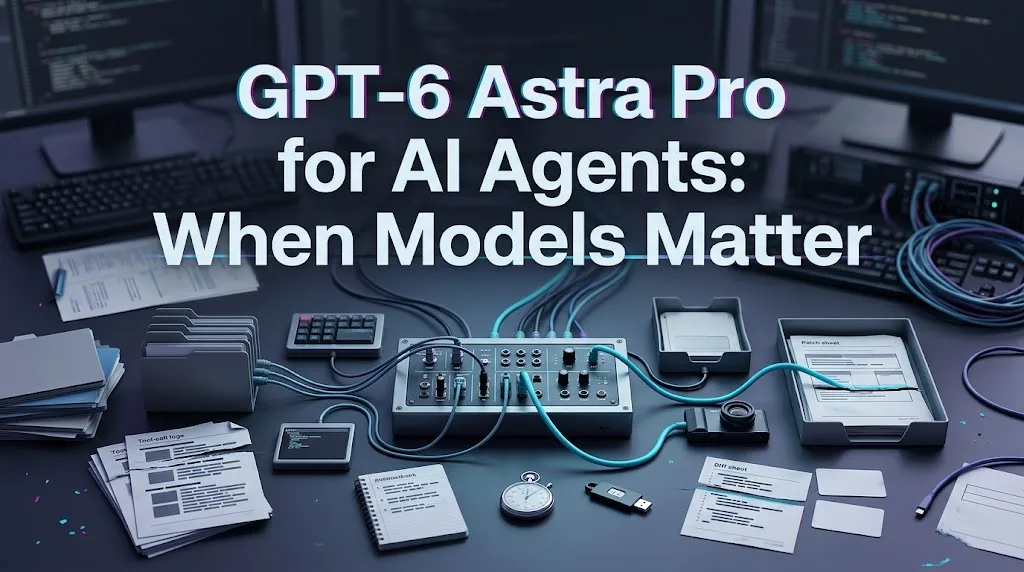
Hey, guys. Dora is coming. Picture an agent that completes 17 tool calls, then recommends rolling back the wrong service. The first instinct is to blame the model. I paused here. If the harness supplied stale deployment metadata, Pro would only reason more carefully over the wrong state.
That is the useful question behind GPT-6 Astra Pro agents: when does stronger model judgment improve a long-running workflow, and when is the failure still owned by tools, memory, permissions, or recovery logic?
Start With the Agent Failure Mode
Reasoning Failures Versus Harness Failures
Start with the failure artifact, not the model label. A reasoning failure occurs when the agent receives accurate evidence yet draws the wrong conclusion, ignores a contradiction, or keeps pursuing a disproven hypothesis.
A harness failure happens outside that reasoning step. Common examples include:
| Failure signal | Likely owner |
|---|---|
| Correct logs, incorrect root cause | Model or prompt |
| Missing tool result | Tool transport or state manager |
| Duplicate rollback request | Retry and idempotency logic |
| Agent reads an obsolete service map | Retrieval or memory |
| Valid action blocked unexpectedly | Permission policy |
| Task disappears after a timeout | Checkpoint and recovery layer |
This distinction matters because an Astra agent model cannot repair a tool result that never arrived. It also cannot know that a cached document is stale unless the harness supplies timestamps or version identifiers.
Define One Long-Horizon Success Condition
Use one bounded workload: investigate a failed production deployment and prepare a remediation package.
The agent may read CI logs, inspect monitoring data, search the repository, run tests, and draft an incident ticket. It must not modify production. Success means it identifies the failing change, cites supporting artifacts, produces a patch or rollback proposal, passes predefined tests, and stops at human approval.
The condition should be binary. “Produced a convincing answer” is too soft. “Passed six acceptance checks without an unauthorized write” can be audited.
Test the Model Contribution
Hold Tools, Memory, and Permissions Constant
Run standard and Pro routes against the same incident snapshot. Freeze the system prompt, repository commit, tool schemas, credentials, memory contents, retry policy, context-compaction rule, and approval gates.
Use deterministic tool fixtures where possible. Inject the same timeout after the same call. Return the same malformed log record. If Pro receives clearer evidence or broader permissions, the comparison has already wandered off.
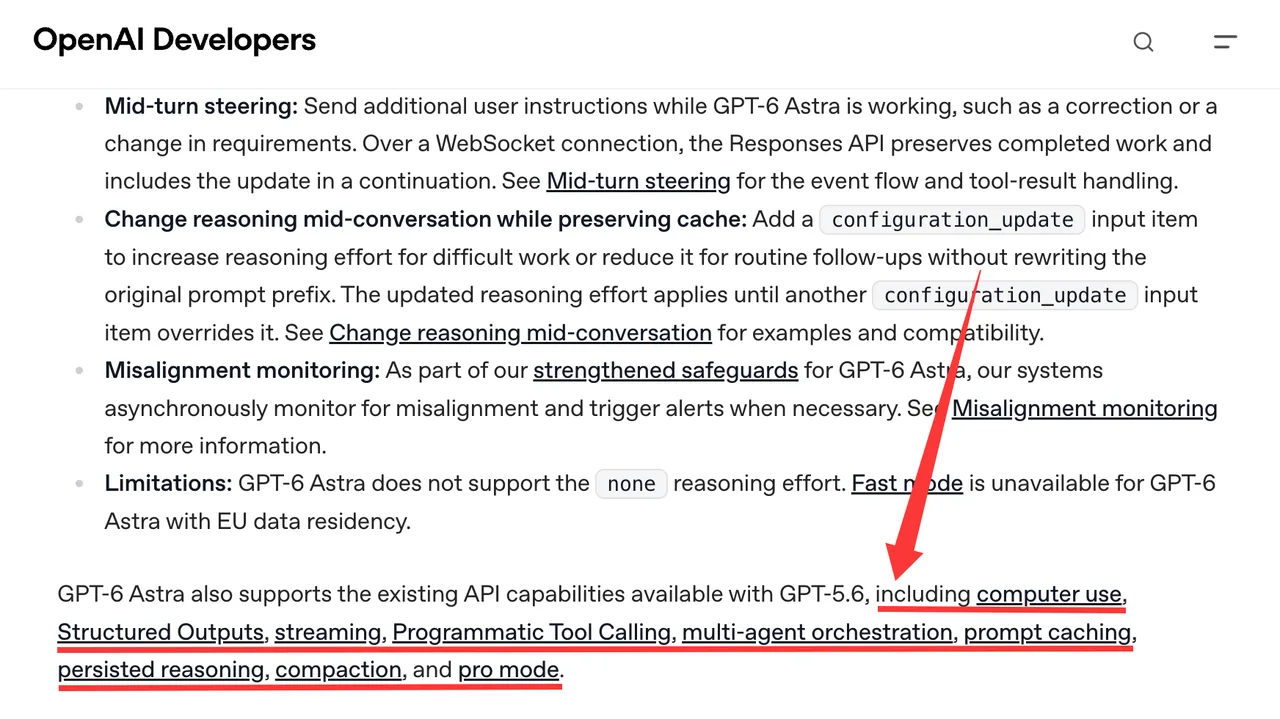
OpenAI’s Astra model guidance confirms async tool calling, persisted reasoning, compaction, and configurable reasoning effort. Those features belong to the model-plus-API setup. Your application still executes custom tools, tracks pending calls, and decides what can be retried.
Compare Completion, Recovery, and Intervention
Run paired repetitions and record the full event sequence. Judge the accepted task, not the eloquence of the final report.
Track five measures:
- Acceptance checks passed
- Failed tool calls recovered within budget
- Duplicate or unnecessary calls
- Human corrections and approval requests
- Time and token usage per accepted result
The Responses API exposes response status, tool-call items, usage, max_tool_calls, and conversation controls. Add your own tool latency, artifact version, retry cause, permission denial, and checkpoint ID. Without those fields, “Pro fixed it” remains an attractive guess.
A useful model signal is repeated improvement on the same reasoning bottleneck while harness errors stay constant. If both routes fail immediately after losing a tool result, stop comparing models and repair the transport.
Create an Escalation Policy
Route Routine Work to Standard Astra
Standard Astra should handle evidence collection, schema-bound lookups, test execution, formatting, and other steps with clear validation. These operations benefit more from reliable tools than from extra inference time.
Route the full task to standard mode first. Continue while tool calls succeed, evidence remains consistent, and validators accept each checkpoint. This keeps the professional agent workflow observable and prevents expensive reasoning from becoming the default response to ordinary API friction.
Use Pro for Bounded Difficult Segments
Escalate only when a deterministic trigger fires:
- Two plausible root causes remain after evidence collection
- Logs and repository state contradict each other
- A proposed fix fails the same acceptance test twice
- The agent repeats a tool sequence without gaining evidence
Send Pro a compact case containing the task, evidence references, failed hypotheses, tool results, and remaining decision. Keep this segment read-only. Once it returns a proposed resolution, route execution through the existing approval and validation layer.
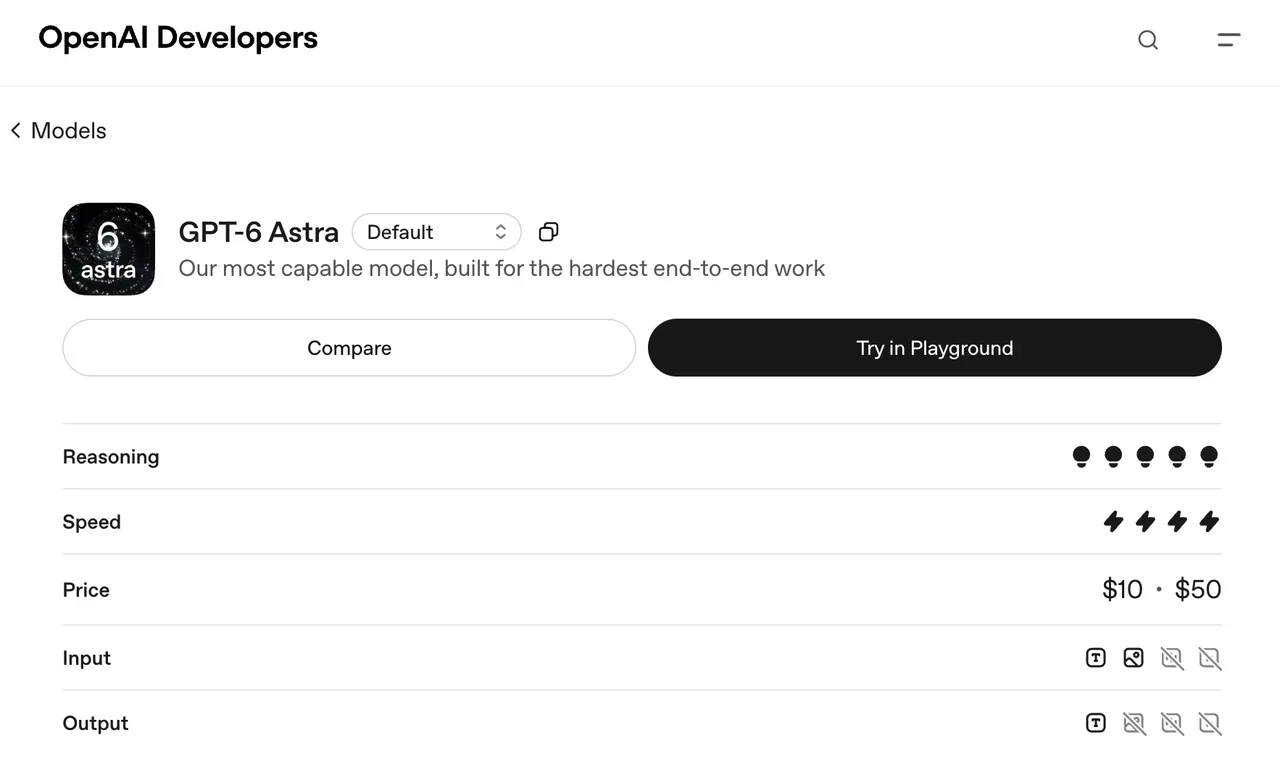
That is the useful role for GPT-6 Astra Pro agents: difficult synthesis inside a controlled boundary. Do not invent a gpt-6-astra-pro route. Use the current Pro configuration documented for your account and record the actual model, mode, effort, and response ID.
Limits and Trade-Offs
Model Strength Cannot Replace Safe Tool Controls
A stronger model still needs scoped credentials, strict schemas, idempotency keys, write previews, call budgets, and human approval for consequential actions. Treat arguments from GPT-6 Astra tools as untrusted input until the application validates them.
A model may select a sensible action while targeting the wrong tenant or environment. The permission layer must catch that mistake before execution.
Long-Running Tasks Need Observable Checkpoints
Save the last accepted plan, completed tool calls, unresolved calls, artifact hashes, retry counters, and approval state. OpenAI’s background mode can run a Response asynchronously and lets clients poll or resume streaming. It does not replace an application-level transaction log.
A checkpoint should answer three questions: what completed, what remains, and which actions may safely run again.
FAQ
Can Astra Pro Resume an Agent Task After Interruption?
A background Response can continue after a client disconnect, and streaming can resume from a recorded sequence number. A later task can also continue through stored conversation state or supplied response items. Recovery from a crashed harness still depends on saved tool outputs and checkpoints.
Does the API Expose Tool-Call Reasoning Traces?
The API exposes tool calls, arguments, outputs, statuses, and optional reasoning summaries. It does not provide unrestricted private chain-of-thought. Encrypted reasoning content can preserve reasoning items for stateless or eligible zero-retention workflows without making the hidden reasoning readable.
Can Enterprises Set Per-Agent Retention Policies?
OpenAI documents retention controls at organization and project levels, not as a per-agent request policy. Teams needing different retention rules should isolate agents into suitable projects and verify endpoint exceptions. Setting store: false alone does not redefine every form of application state.
Are Background Agent Runs Supported?
Yes. Responses can use background: true and be polled until they reach a terminal status. Retention needs care: the current background guide says ZDR requests temporarily store response data for roughly ten minutes to support asynchronous execution and polling.
Can Agent Sessions Use Customer-Managed Encryption Keys?
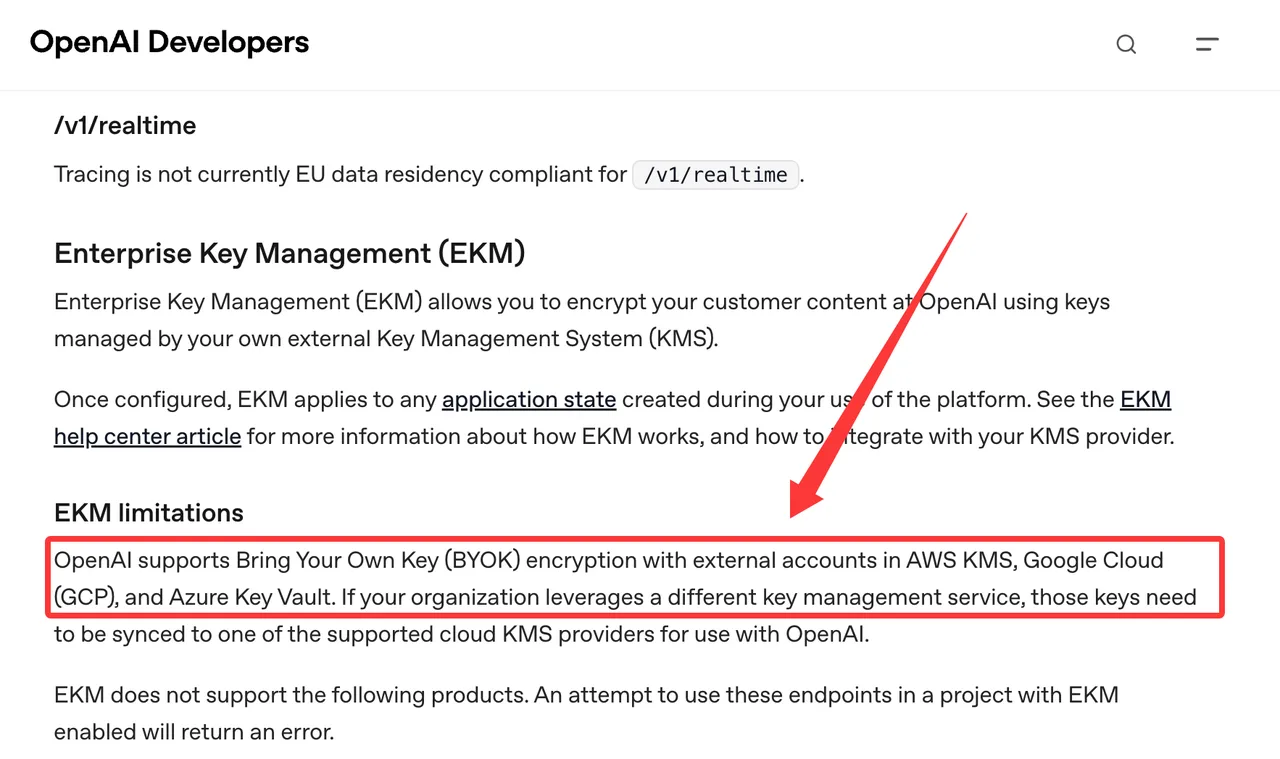
OpenAI’s data controls describe Enterprise Key Management for application state using externally managed AWS KMS, Google Cloud KMS, or Azure Key Vault keys. It is an enterprise configuration, not a session-level switch, and endpoint exclusions apply.
Conclusion
Use standard Astra for the observable majority of a long-horizon task. Escalate a compact, read-only reasoning problem when the evidence shows that model judgment is the bottleneck.
The case for GPT-6 Astra Pro agents is strongest when Pro raises accepted completion or lowers human rework under an unchanged harness. If missing state, unsafe retries, or vague permissions cause the failure, the next model tier is simply an expensive place to hide it.
Previous posts: