GPT-6 Astra Pro in Codex for Hard Coding Tasks
Test GPT-6 Astra Pro in Codex on one hard repository task and decide whether it improves accepted changes enough to justify escalation.
A difficult repository task can fail for several unrelated reasons: the model missed a dependency, the test environment was incomplete, or Codex lacked permission to run the right command. Calling every failure a model failure produces a very expensive spreadsheet.
For this GPT-6 Astra Codex evaluation, I would run one task: replace a shared authentication client across a TypeScript monorepo while preserving its public API and fixing a token-refresh race. I have not run this repository test, so the workflow below is a reproducible evaluation plan rather than a claimed result.
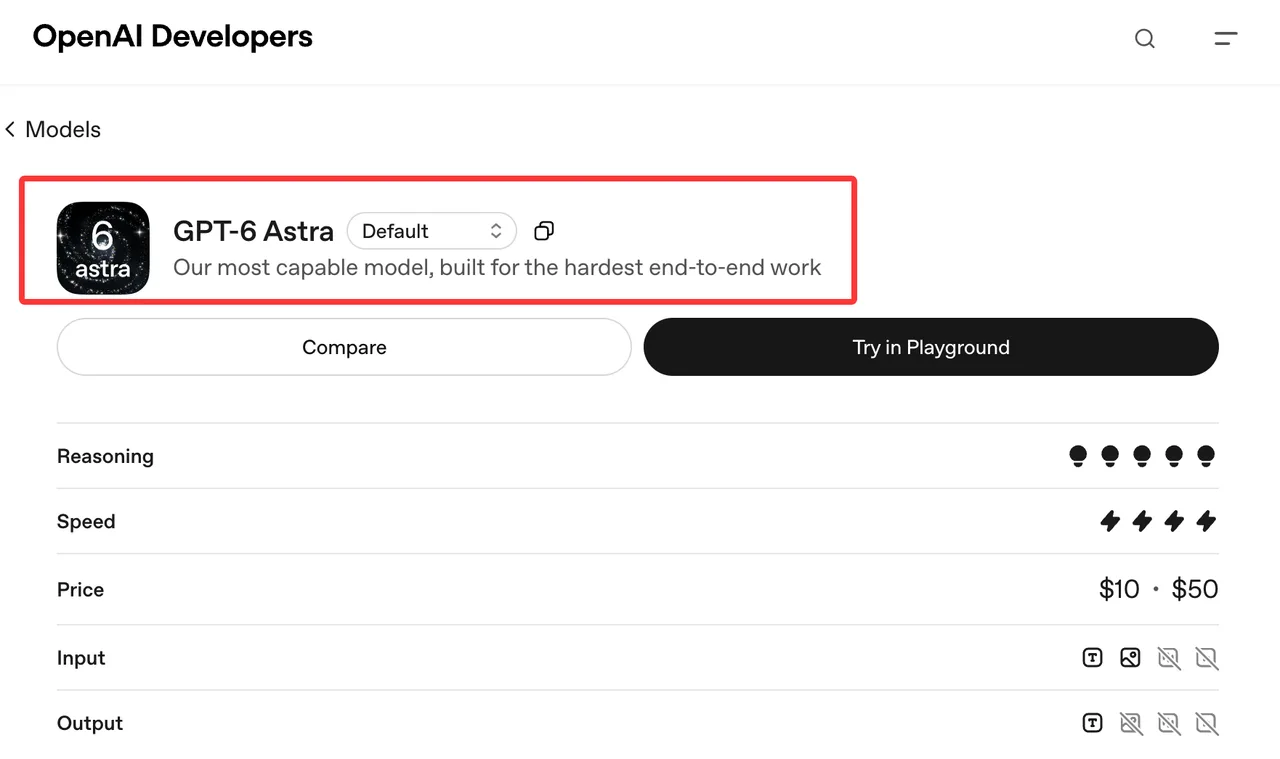
One naming detail matters. As of September 14, 2026, Codex documents the route gpt-6-astra with several Power settings. It does not document a separate gpt-6-astra-pro model ID. “Astra Pro Codex” is not the documented Codex route name; log the displayed Codex route and Power label instead.
Define the Hard Coding Task
Lock Repository State and Acceptance Tests
Start from a clean worktree at a recorded commit. Keep the package lockfile, compiler version, runtime version, environment variables, and test fixtures unchanged. Store the exact task prompt beside the evaluation record.
The task contract is narrow:
- Replace the deprecated authentication client in three packages.
- Preserve exported types and method signatures.
- Add a regression test for simultaneous token refresh.
- Pass unit tests, integration tests, type checking, and linting.
- Avoid unrelated dependency upgrades.
- Produce a reviewable explanation of the changed behavior.
Run the existing model or workflow against the same commit if a baseline is needed. Reusing a branch that already contains partial fixes quietly gives one route better context. That is not a model comparison. It is archaeology.
Define failure before starting. A failed test, changed public interface, skipped package, or unverified assumption counts as failure. Formatting preferences do not.
Set Permissions, Time, and Retry Limits
Use a dedicated worktree with workspace-write access and on-request approvals. OpenAI’s Codex security documentation says this preset permits file edits and commands inside the workspace while requiring approval for operations outside it or for network access.
Keep network access disabled initially. Preinstall dependencies or preserve a warm package cache. If the task genuinely requires a download, approve only the required domain and record that intervention.
Set a 45-minute task limit and one recovery attempt. Count every clarification, command approval, manual edit, and request to rerun a missed test. A long autonomous run with a rejected patch is still a rejected patch.
Run Astra Pro in Codex
Select the Verified Model Route
The documented CLI route is:
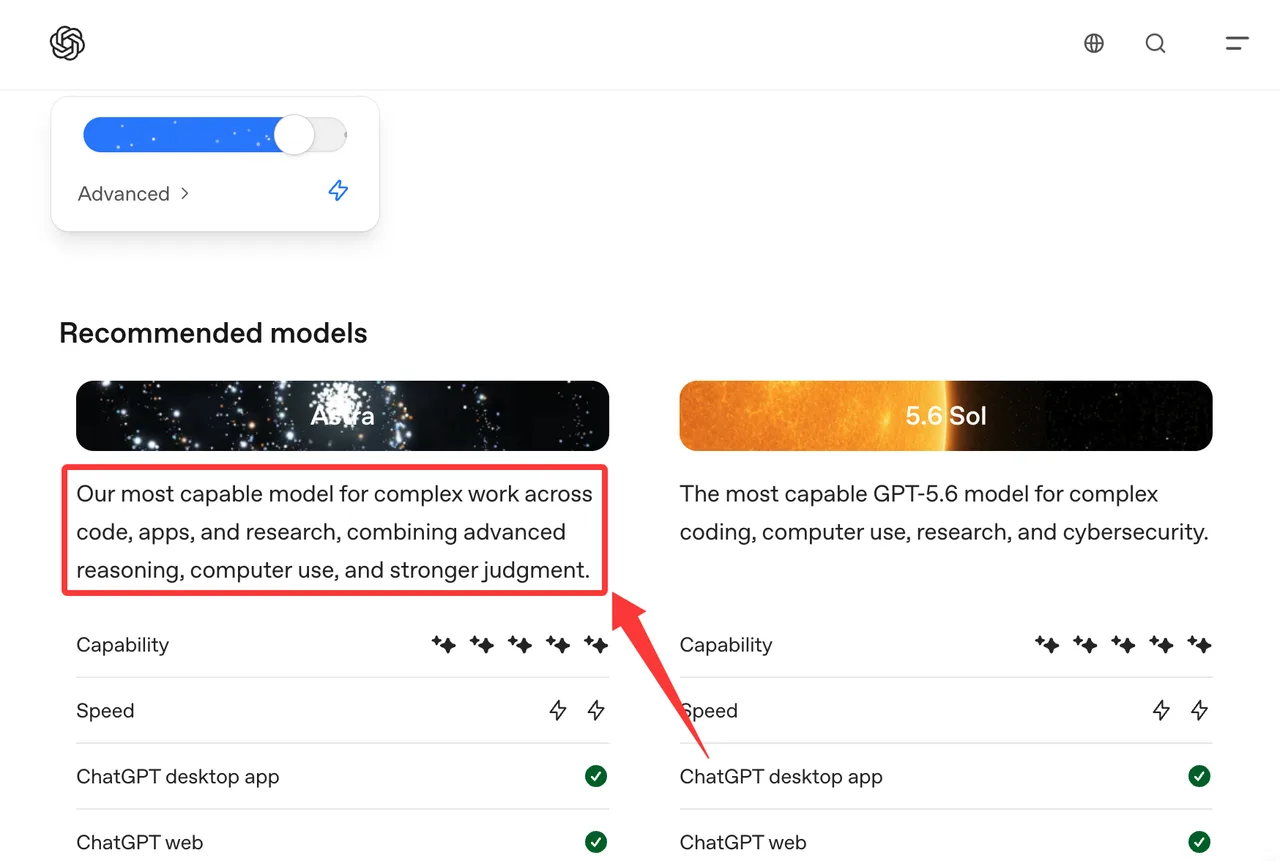
codex -m gpt-6-astraThe current Codex model selector describes Astra as the strongest option for complex work across code, applications, and research. Eligible accounts may see Astra Light, Medium, or Extra High in the Power selector. Availability varies by plan, rollout stage, sign-in method, client, and workspace policy.
For this hard task, use the highest Astra setting actually shown to the account and record its displayed name. Do not silently translate “Extra High” into “Pro.” OpenAI has not documented those labels as interchangeable.
Also record:
| Field | Evaluation value |
|---|---|
| Model route | gpt-6-astra |
| Displayed Power setting | Exact selector label |
| Codex client and version | Recorded before execution |
| Repository commit | Immutable commit hash |
| Sandbox and approvals | workspace-write, on request |
| Network | Off unless explicitly approved |
| Retry allowance | One recovery attempt |
The API GPT-6 Astra model page lists reasoning from low through max, plus coding tools such as hosted shell and apply patch. Codex may expose these through simpler Power labels, so preserve the interface label rather than guessing its API equivalent.
Review Plan, Edits, Tests, and Recovery
Ask Codex to inspect repository instructions, locate authentication call sites, explain the migration boundary, and then implement the patch. A plausible plan earns no score. The edited repository does.
Review the diff before reading the summary. Check changed files, dependency movement, generated artifacts, public exports, error handling, and test additions. Then inspect the actual command output for every required check.
If a test fails, let Codex diagnose and recover once within the original task. Record whether it identified its own mistake, changed an unrelated module, weakened a test, or requested manual direction. Test deletion is a remarkably efficient way to achieve a green build. It is not acceptance.
Judge Whether Pro Was Worth It
Accepted Patch and Operator Intervention
The main result is binary: accepted or rejected. An accepted patch must pass the frozen checks and survive human review without manual code changes.
Then count operator intervention:
- Clarifying answers
- Permission approvals
- Manual command corrections
- Requests to inspect missed files
- Human-written code changes
- Review minutes before approval
This is where a GPT-6 Astra coding route may justify its usage. If the patch takes longer to generate but removes an hour of debugging, the higher setting helped. If the developer still repairs the race condition manually, the route produced a polished draft rather than a completed task.
Runtime, Usage, and Fallback Behavior
Record wall time, active model time when available, retries, context resets, tool failures, and the account’s usage change. Separate failures caused by the model from failures caused by permissions, missing dependencies, network denial, or a broken test fixture.
Codex does not publicly document a universal per-task cost for Astra under ChatGPT plans. API token pricing is a different billing route. For a fair coding agent workflow, compare accepted patches per allowance and operator minutes per accepted patch.
Keep the previous verified model available as a fallback. Trigger it after the time limit, repeated environmental deadlock, or a rejected recovery attempt. Do not let both agents edit the same worktree.
Limits and Trade-Offs
Harness Improvements Can Affect the Result
The model is only one part of Codex. Prompt loading, repository instructions, context management, tool availability, sandbox rules, approvals, and test execution all affect the outcome.
Freeze the Codex version and configuration during the evaluation. A later client with different context handling or tool behavior can change the result even when the model name remains gpt-6-astra. So that is where the bottleneck was, sometimes.
One Repository Task Is Not a Universal Benchmark
This task tests cross-package reasoning, API preservation, race-condition testing, and recovery. It says little about frontend design, database migrations, mobile builds, or security review.
Use the result to decide whether this class of hard coding tasks deserves the Astra route. Do not turn one accepted patch into a default Codex model choice for every ticket.
FAQ
Can Codex Pin Astra to a Specific Snapshot?
No dated Astra snapshot is currently documented for Codex. The public route is gpt-6-astra. Record the model route, Power setting, client version, configuration, repository commit, prompt, and date when audit reproducibility matters.
Does Codex Expose Separate Reasoning Usage?
Codex can expose account usage and rate-limit information, but the public ChatGPT-authenticated workflow does not promise a per-task breakdown of hidden reasoning tokens. The Responses API has its own usage fields. Do not treat API usage reporting and Codex plan usage as identical.
Can Astra Pro Use Custom Codex Skills?
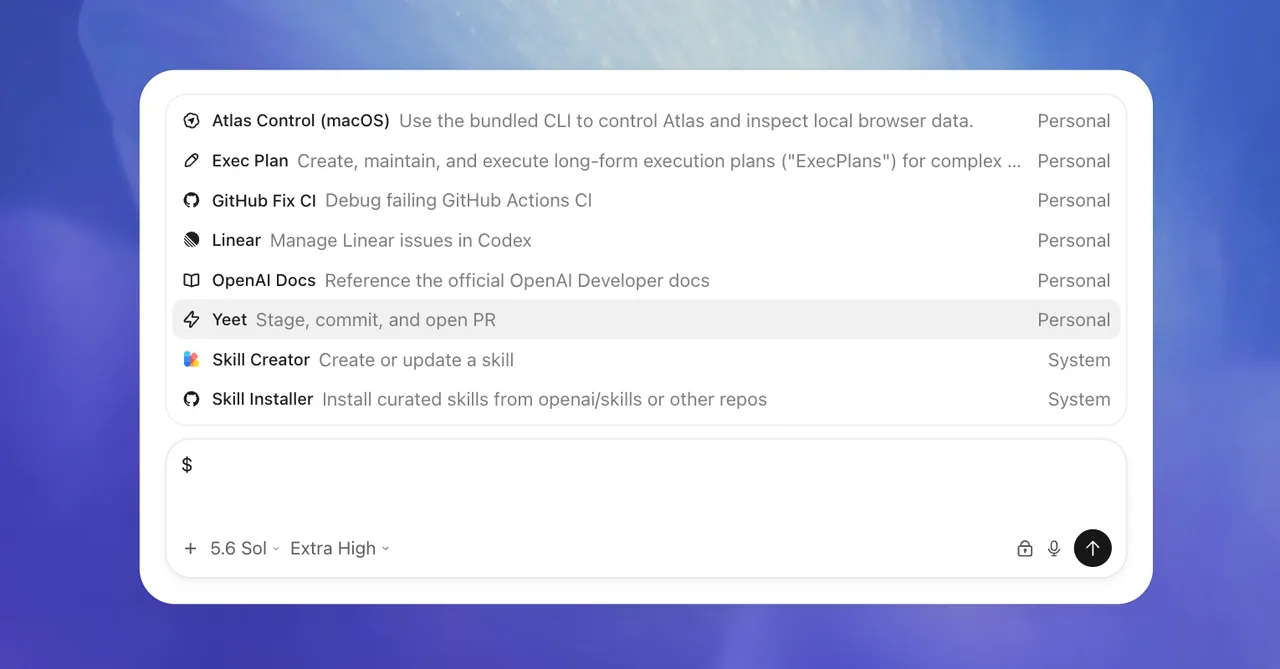
Yes, Astra can use skills loaded by Codex. The Skills documentation covers repository, user, administrator, and system locations. Skill availability still depends on the Codex host, configuration, and workspace controls.
Can Astra Pro in Codex Analyze Repository Screenshots?
Codex accepts common image formats, including PNG and JPEG, through its composer or CLI image flags. Attach the screenshot with a precise inspection request. Image access does not grant network access or permission to inspect unrelated files.
Can Teams Export a Complete Tool-Action Log?
OpenAI documents Codex analytics, an Analytics API, and Compliance API records for supported organizational use cases. It does not promise that every surface exports every command, tool input, output, approval, and model event as one complete portable log. The workspace analytics guide distinguishes aggregate reporting from auditable records.
Conclusion
A useful GPT-6 Astra Codex trial starts with one frozen repository task, one verified route, and one acceptance contract. Judge the accepted patch, operator intervention, runtime, and recovery. Keep the model and harness evidence separate. Good enough. That is the most honest assessment I can give without the actual repository run.
Previous posts: