
Multica Cost: Coding Agent Fleet Economics
Multica cost is more than tokens: agent fleets add runtime time, repo reads, retries, tests, reviews, and coordination overhead.
Hey, Dora here. I would not start a Multica cost review with token prices. That is the visible part. The expensive part is usually the work that happens around the agent: reading the repo again, setting up the runtime again, running tests again, waiting for review again.
If you run a coding agent fleet, the useful question is not “how much does one agent run cost?” It is “how much do we pay for one accepted change that stays merged?” This piece is about that number.
What Multica Cost Should Include
Platform fees, model tokens, local runtimes, test execution, and review time
A real cost model needs more than the platform invoice.
Start with the platform layer. As of August 10, 2026, Multica’s public docs describe a model where agents execute through a local daemon and AI coding tools, not on Multica’s server. The Multica runtime model matters because it moves part of the cost into your own machines, keys, and toolchain.
Then count model usage. AI coding agent cost depends on input tokens, output tokens, cache behavior, model fallback, and tool calls. Public model pricing changes often, so I would verify current rates from sources like OpenAI API pricing before publishing any numbers. If the exact model mix is unknown, do not guess. Use variables.
A workable formula:
total fleet cost = platform + model usage + runtime + tests + CI + human review + rollback cost
That last part is where I usually pause. Review time is not “free” because it sits in payroll instead of billing. If an agent opens a patch that takes 40 minutes to understand and 25 minutes to repair, that time belongs in the model.
Why more agents do not guarantee linear productivity
More agents create more attempts. They do not automatically create more merged work.
A fleet can saturate the wrong bottleneck. Ten agents can all read the same codebase. Ten agents can all discover the same missing environment variable. Ten agents can all open patches that conflict in the same module. The dashboard looks alive. The review queue does not feel alive. It feels like Monday.
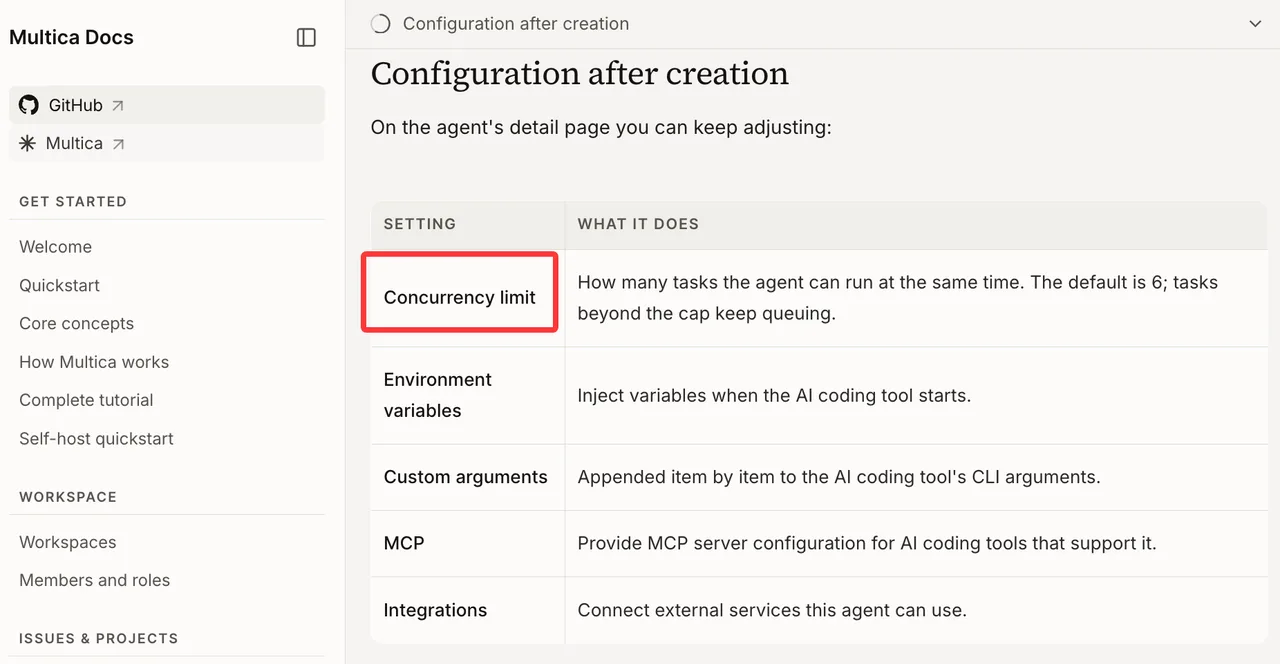
Multica lets teams configure an agent concurrency limit, which is useful. But concurrency is only capacity to start work. It is not capacity to accept work. The acceptance path still includes tests, review, merge, deployment, and rollback monitoring. If those stages are human-bound, increasing agent count mostly moves the queue downstream.
Count the Hidden Workload Costs
Repeated repository reads, duplicate planning, failed patches, and retries
The hidden cost starts before the first edit. Agents need context. They scan files, inspect tests, read docs, and build a plan. That is necessary work. It also repeats easily. In a fleet, repeated context loading can become a quiet multi-agent token cost problem.
I would track these events separately:
| Cost area | What to measure | Why it matters |
|---|---|---|
| Repository reads | Input tokens, file scans, cache hits | Repeated discovery work inflates cost |
| Planning | Turns before first edit | Duplicate planning can look like progress |
| Failed patches | Apply failures, lint failures, broken builds | Failed work still consumes budget |
| Retries | Automatic and manual reruns | Agent retry cost compounds fast |
| Human repair | Reviewer minutes after output | Often larger than token spend |
This is where cost per attempt becomes misleading. A cheap attempt that fails three times is not cheap. A costly attempt that lands cleanly may be cheaper.
The pattern I look for is simple: how much work happens before a patch becomes reviewable? If that number keeps rising as the fleet grows, the system is producing activity faster than it produces usable change.
Long-running tests, environment setup, and CI feedback loops
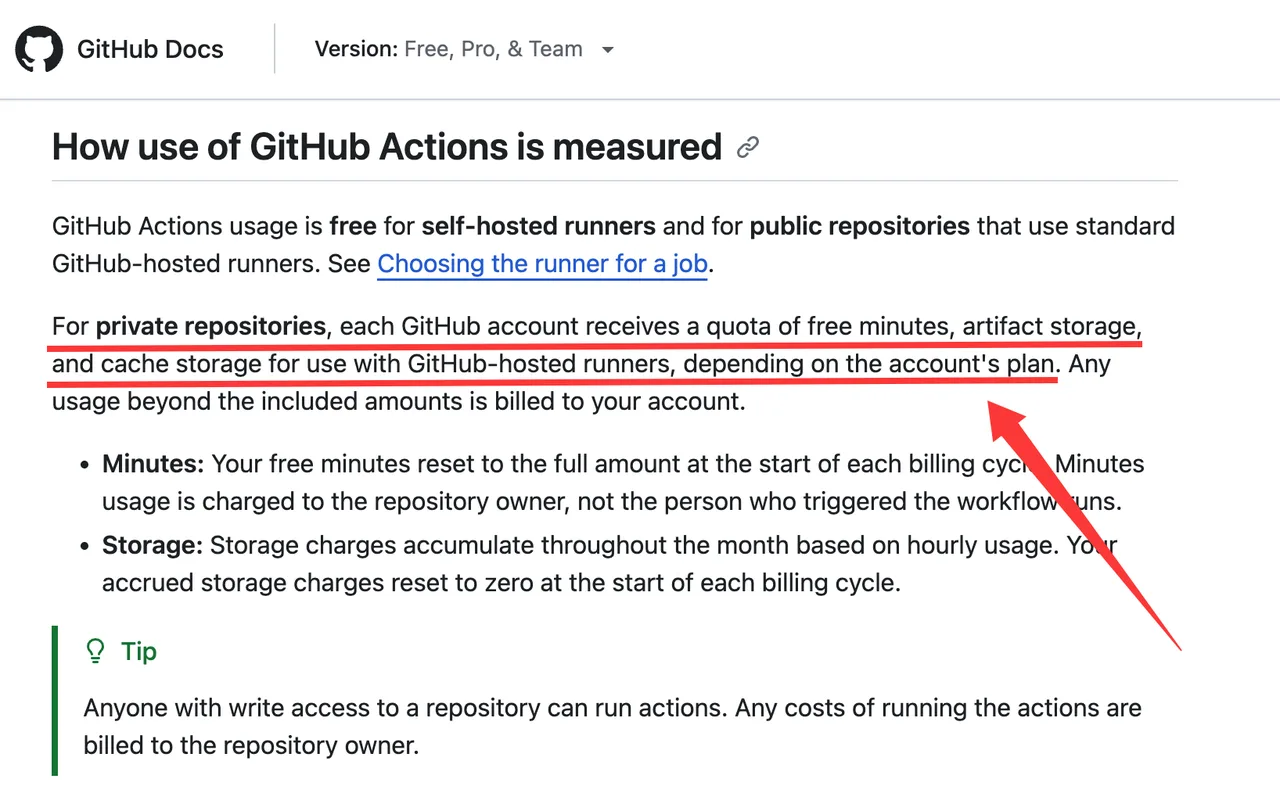
Tests are part of the agent bill. An agent that runs unit tests locally consumes runtime. An agent that triggers CI consumes CI minutes. An agent that fails halfway through a build still consumed the first half. GitHub’s Actions billing makes this easy to see: minutes, storage, caches, and reruns all have accounting weight.
The same logic applies even if you are not using GitHub Actions. Long-running test suites, browser tests, Docker builds, database migrations, artifact uploads, and flaky reruns all belong in the cost model.
Environment setup is another sink. If every task spends time installing dependencies, rebuilding containers, or fixing a local checkout, the fleet is paying an environment tax. Managed agent infrastructure can help here, but only if it standardizes the runtime. If it just relocates a messy setup, the bill changes address. The waste stays.
Estimate Cost per Accepted Change
Successful task rate, human repair time, model fallback, and rollback risk
Cost per accepted change is the number I would show finance.
cost per accepted change = total fleet cost / accepted changes that remain merged
“Remain merged” is doing work in that sentence. A patch merged on Tuesday and rolled back on Wednesday is not a successful change. It is an expensive learning event. This metric should be segmented by task type. Dependency updates, test fixes, refactors, bug fixes, and feature work have different economics. A blended number hides the useful truth.
For each task type, track:
- tasks started
- tasks completed
- patches opened
- patches accepted
- patches repaired by humans
- patches abandoned
- patches rolled back
- average review time
- average CI time
- model fallback rate
Model fallback matters because a fleet may start on a cheaper model, fail, then escalate to a more expensive one. That can be rational. It can also become a quiet budget leak if the cheap model mostly produces failed first attempts.
Hypothesis confirmed: token unit price is rarely the whole story.
Agent fleet size, concurrency, queueing, and budget caps
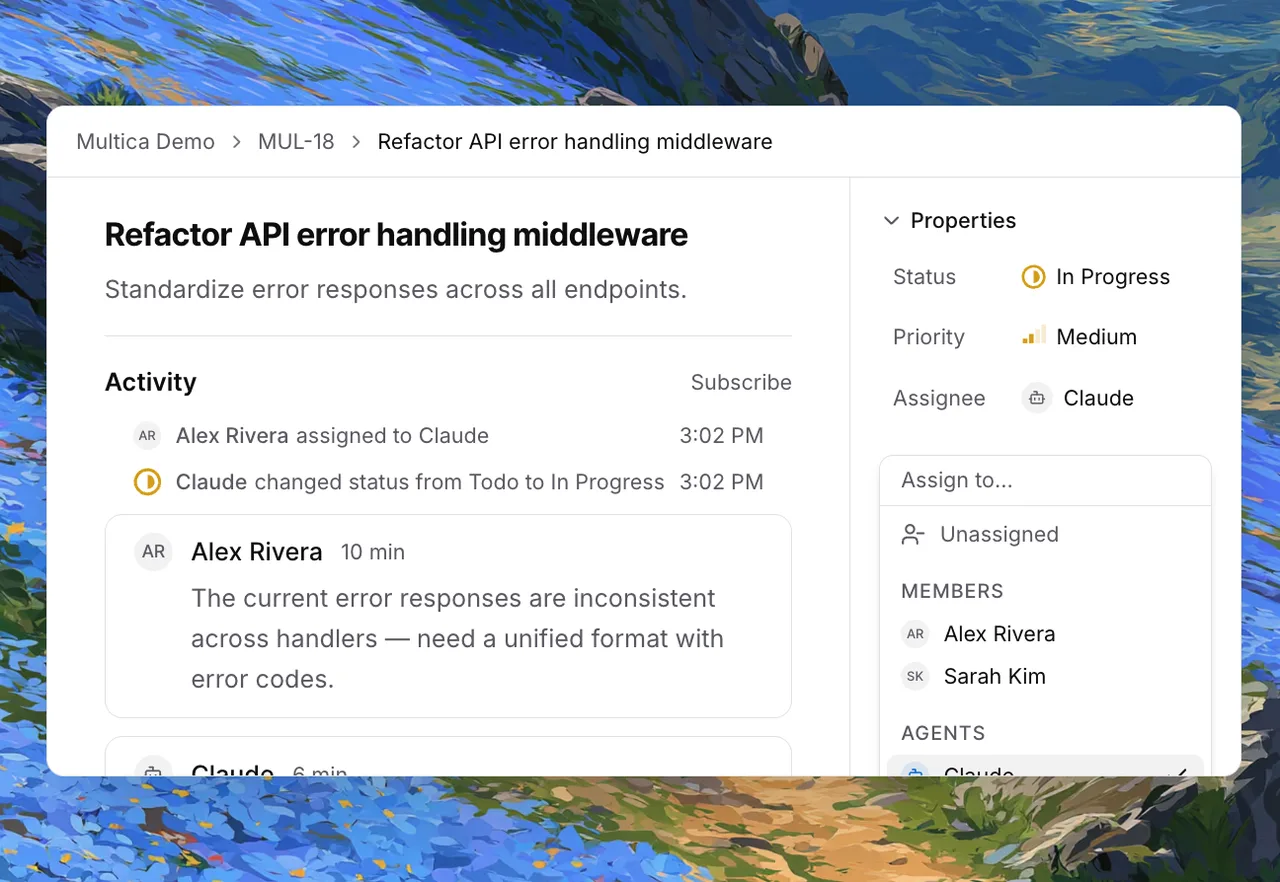
Fleet size should follow acceptance capacity.
I would start small. Run a few agents on narrow task classes. Measure accepted changes per week. Measure review load. Measure retry rate. Then raise concurrency.
The wrong move is to set fleet size from enthusiasm. “We have 20 agents available” is not the same as “we can review 20 parallel patches.” The tighter limit wins. Usually it is review time, test capacity, or repo conflict risk.
Budget caps should exist before expansion:
- per agent
- per repository
- per task type
- per model
- per day
- per sprint
- per team
A cap at the monthly invoice level is too late. By then the work already ran.
The useful cap is closer to the task. Stop a run after a wall-clock limit. Stop a task class after too many failed attempts. Stop a repo after CI starts backing up. The fleet should have brakes where the waste begins.
Decide When Fleet Automation Pays Off
Repetitive maintenance, issue triage, refactors, and review assistance
Fleet automation pays off when work is bounded, frequent, and easy to verify.
Good candidates include dependency updates, lint fixes, test repair, small bug fixes, issue triage, reproduction notes, migration drafts, and review assistance. These tasks have clearer success criteria. They also give engineering leads enough repetition to measure.
The best early use case is not replacing engineers. It is removing work engineers already know how to check.
For example, an agent that drafts a failing-test explanation may not merge code at all. Still useful. If it saves 20 minutes of human investigation across enough incidents, it earns its place.
The economics improve when the task has:
- a clear repo boundary
- stable test coverage
- low product ambiguity
- small diff size
- predictable review owner
- low rollback blast radius
Good enough. That is the most honest assessment I can give.
When manual engineering remains cheaper and safer
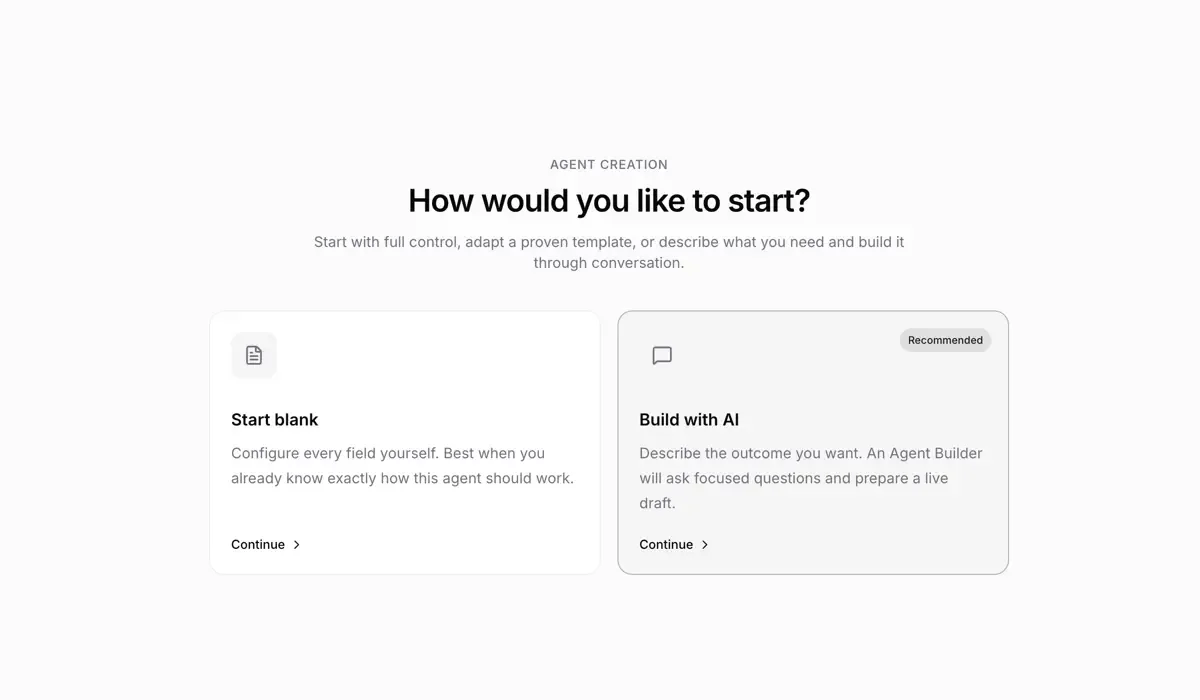
Manual engineering stays cheaper when the hard part is judgment.
That includes customer-visible behavior, security-sensitive code, architecture changes, ambiguous product requirements, and anything involving unclear ownership. Agents can help gather context. They can draft options. They can inspect risk. But full execution may create more review work than it removes.
The expensive failure mode is not “the agent could not solve it.” That is easy to see. The expensive failure mode is a plausible patch that takes a senior engineer an hour to prove wrong. That cost belongs in the model.
FAQ
Who owns the budget for failed or abandoned agent runs?
The team that triggers the work should own the budget. The platform team should own visibility. If platform pays for everything centrally, teams have weak incentives to reduce waste. If every team measures differently, finance cannot compare outcomes. The clean split is central reporting with local accountability.
Failed runs should be tagged by repository, agent, model, task type, and failure reason. Multica’s task lifecycle gives teams a useful structure for that accounting.
What evidence should finance require before expanding agent concurrency?
Finance should ask for accepted-change evidence, not usage evidence.
The minimum packet should include successful task rate, cost per accepted change, review minutes per accepted change, CI minutes per accepted change, retry rate, abandonment rate, rollback rate, and queue impact.
If concurrency 4 produces clean gains, test concurrency 6. Do not jump to 30 because the interface allows it.
How should teams handle customer commitments based on unproven agent capacity?
Do not sell unproven agent capacity as committed delivery.
Use human-owned delivery capacity for customer promises. Treat agent output as upside until the team has measured acceptance rate, review capacity, and rollback risk across several cycles. An agent fleet can increase throughput. It can also increase unfinished work. Customers experience the second one as delay.
Conclusion
Multica cost should be measured at the accepted-change level. Not token price. Not agents online. Not tasks started. Accepted changes that pass review, pass tests, merge, and stay merged.
That number gives engineering leads a way to manage quality. It gives platform owners a way to tune infrastructure. It gives FinOps a budget model that matches reality. Everything else is just activity with a receipt.
Previous posts:
Related Articles
/filters:quality(82)/media/images/1790589731632080935_0wwFPY8h.webp)
Google Veo 3 Pricing 2026: API Costs and Access
/filters:quality(82)/media/images/1790590062795265714_fANXfpxI.webp)
Luma AI Pricing 2026: App and API Costs Explained
/filters:quality(82)/media/images/1790589262955077611_p3tThHZg.webp)
Veo Automation Guide 2026: Batch Video Workflows
/filters:quality(82)/media/images/1773962750383987480_n3hqzHRZ.webp)
Kling 4.0 vs Kling 3.0: What Is Expected to Change and How to Upgrade
Kling 4.0 vs Seedance 2.5: How to Choose for Commercial Video