
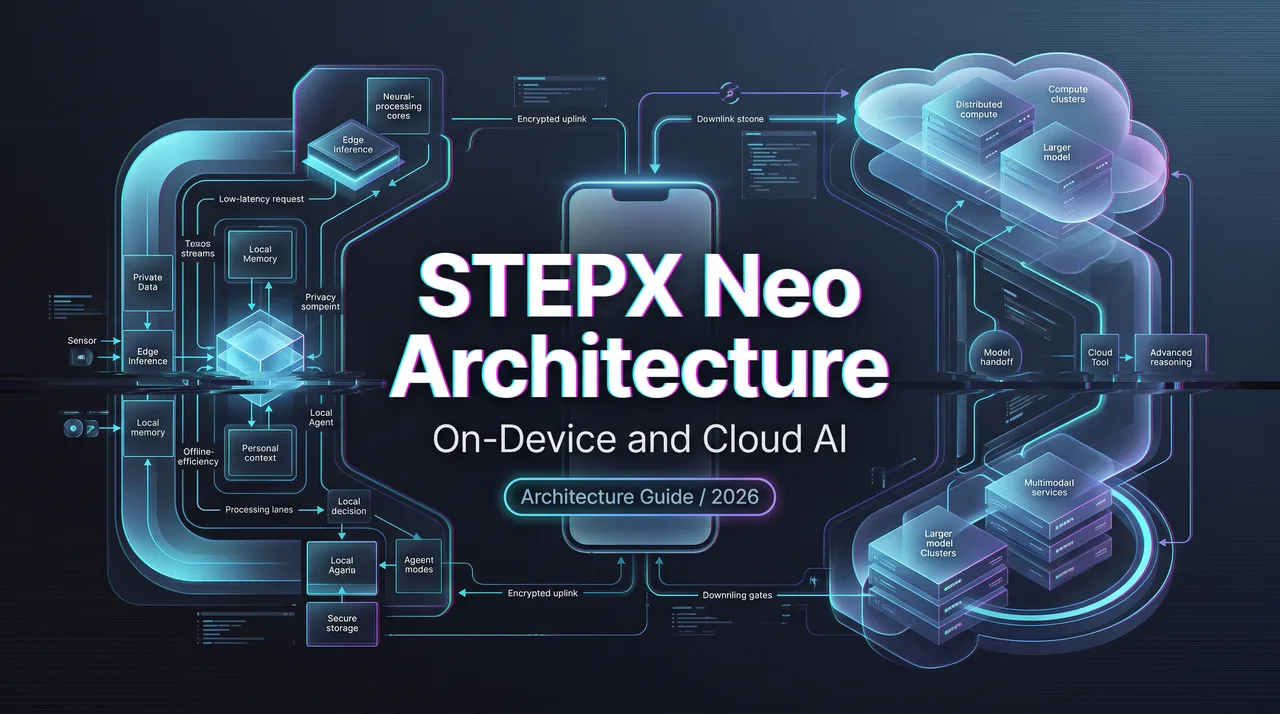
STEPX Neo Architecture: On-Device and Cloud AI
STEPX Neo architecture combines device models, cloud inference, agent execution, tools, and security. See what builders can verify after launch.
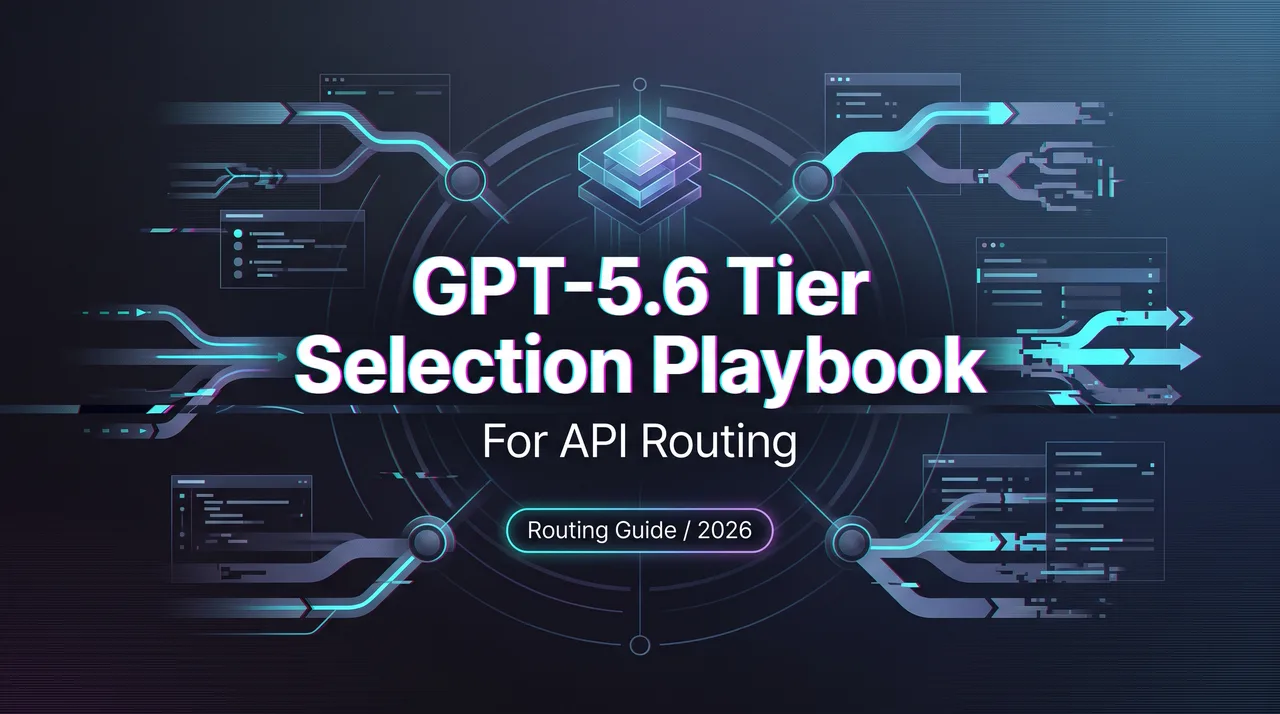
GPT-5.6 Tier Selection Playbook for API Routing
GPT-5.6 tier selection playbook for turning Sol, Terra, and Luna into measurable API routing and fallback policies.
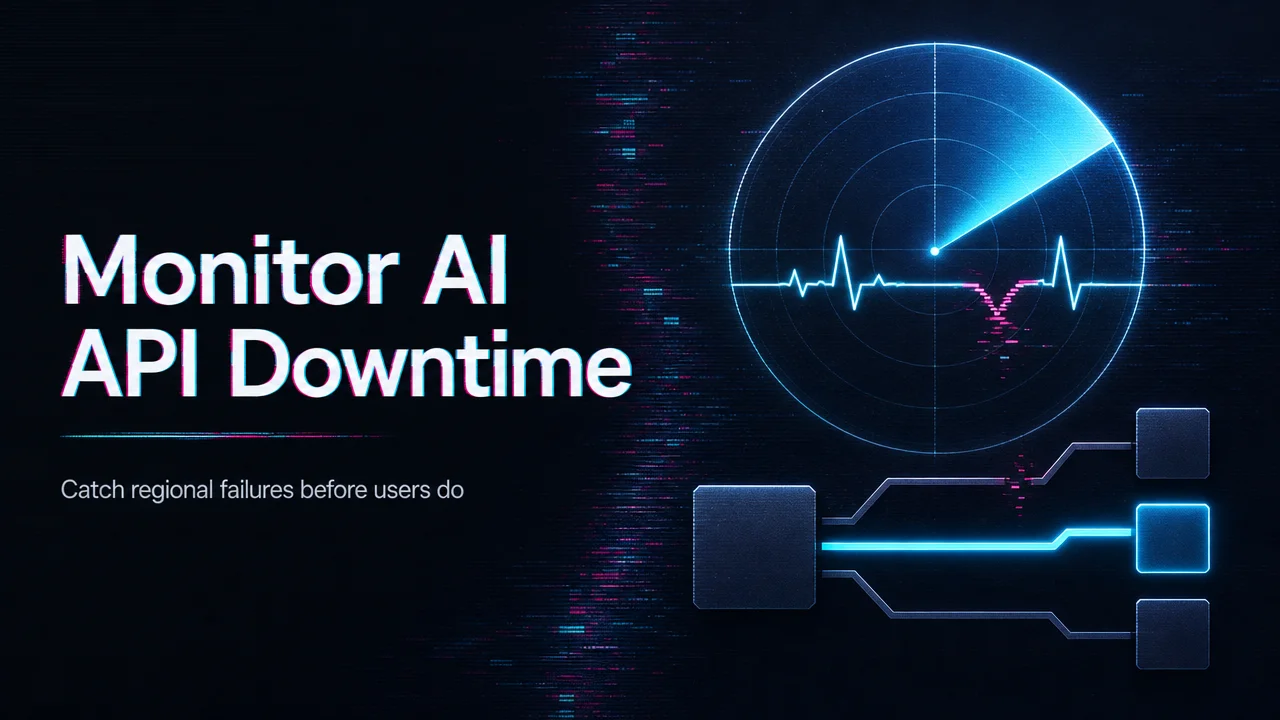
How Can You Monitor AI API Downtime and Status Pages?
How to monitor AI API downtime: status pages, synthetic generation checks from your own region, and alerting that catches degradation early.
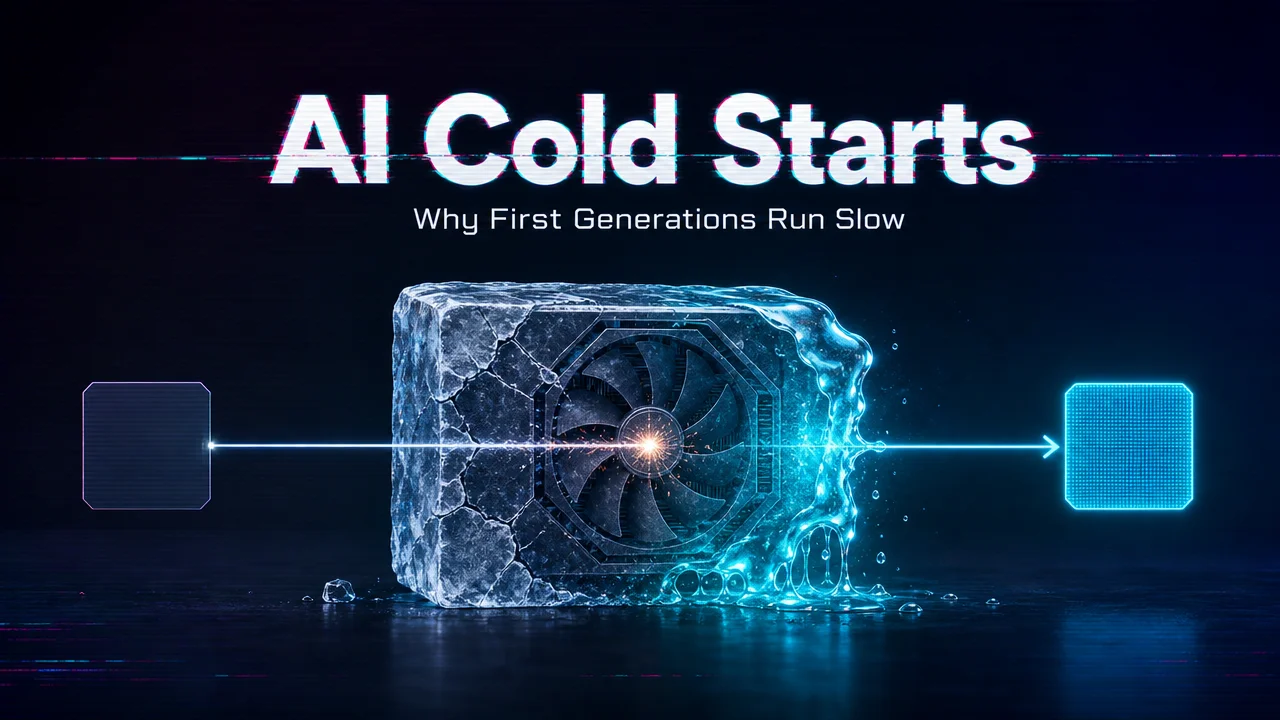
What Is an AI Generation Cold Start?
AI generation cold start explained: why first requests after idle periods run slow, how much latency it adds, and the warm-up strategies that help.
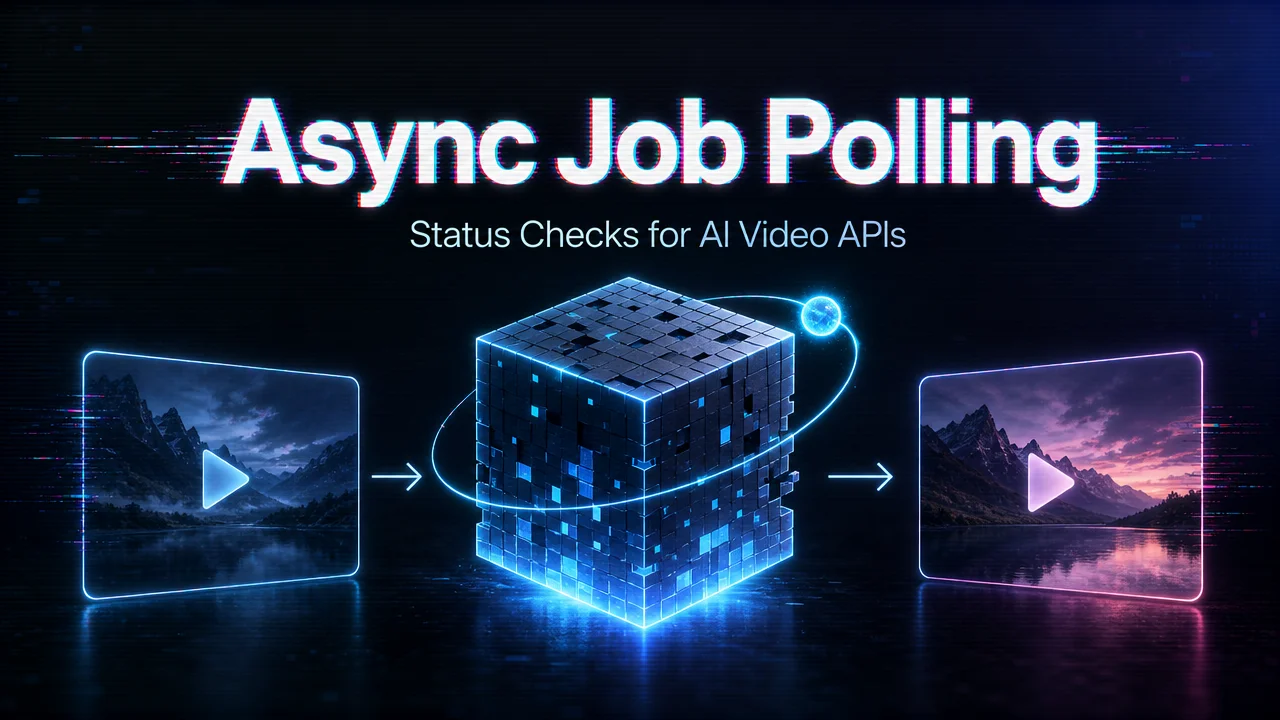
What Is the Async Job Polling Pattern for AI Video APIs?
The async job polling pattern for AI video APIs: capped intervals, hard timeouts, idempotent status handling, and load-testing before launch.
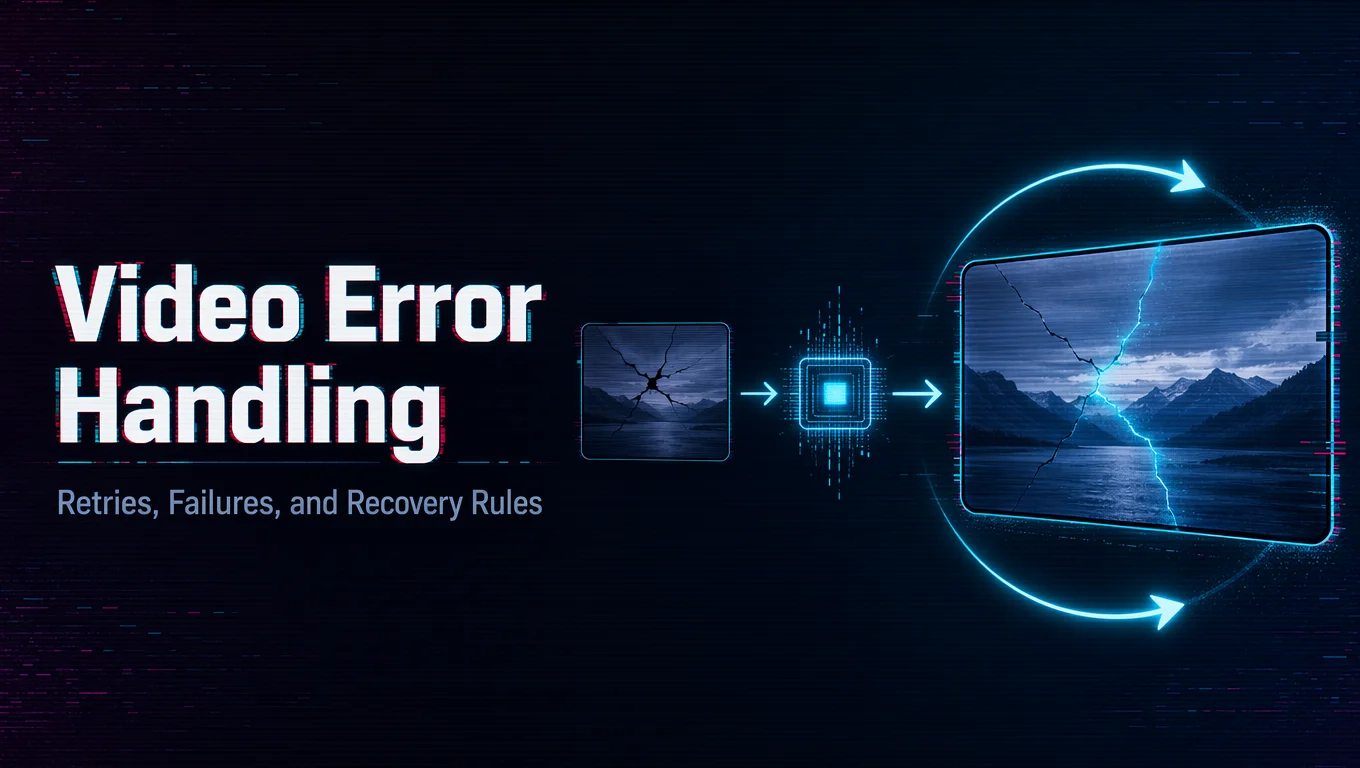
What Are Best Practices for AI Video Generation Error Handling?
Best practices for AI video generation error handling: a failure taxonomy, retry rules per error class, and weekly reviews that catch regressions.
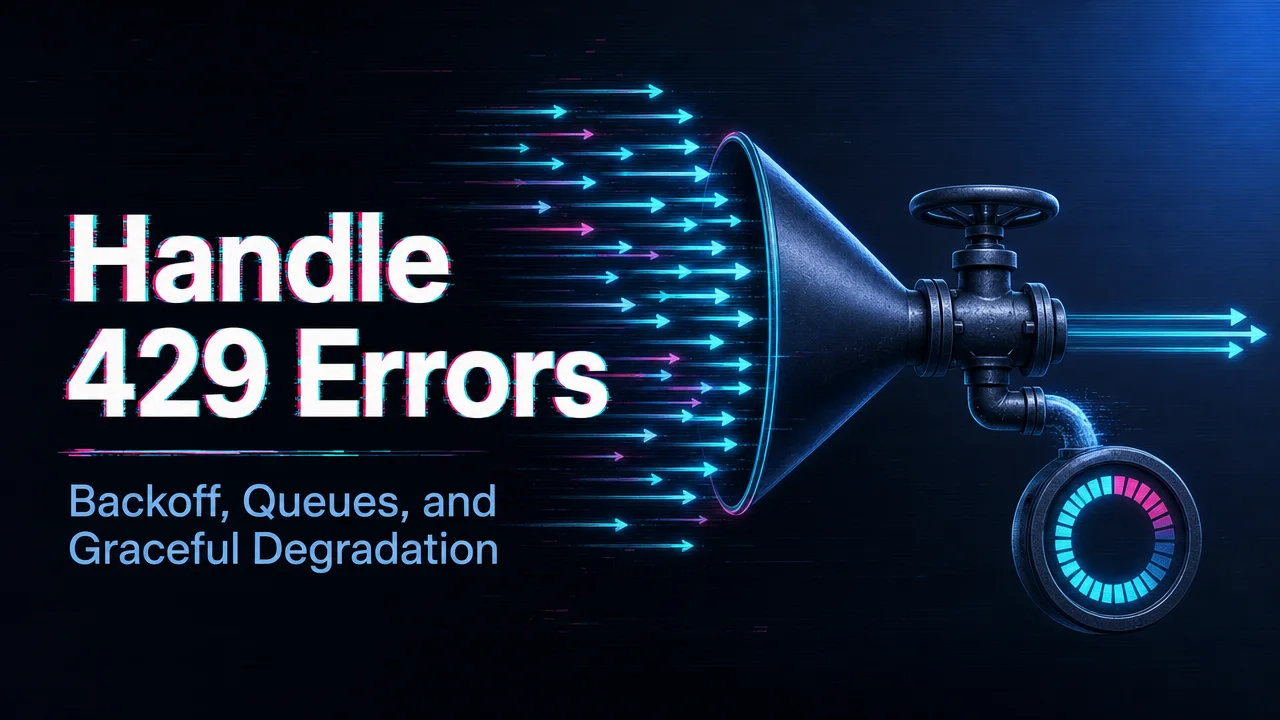
How Should You Handle 429 Rate Limit Errors in AI Generation APIs?
How to handle 429 rate limit errors in AI generation APIs: exponential backoff with jitter, retry budgets, alerting, and graceful degradation patterns.
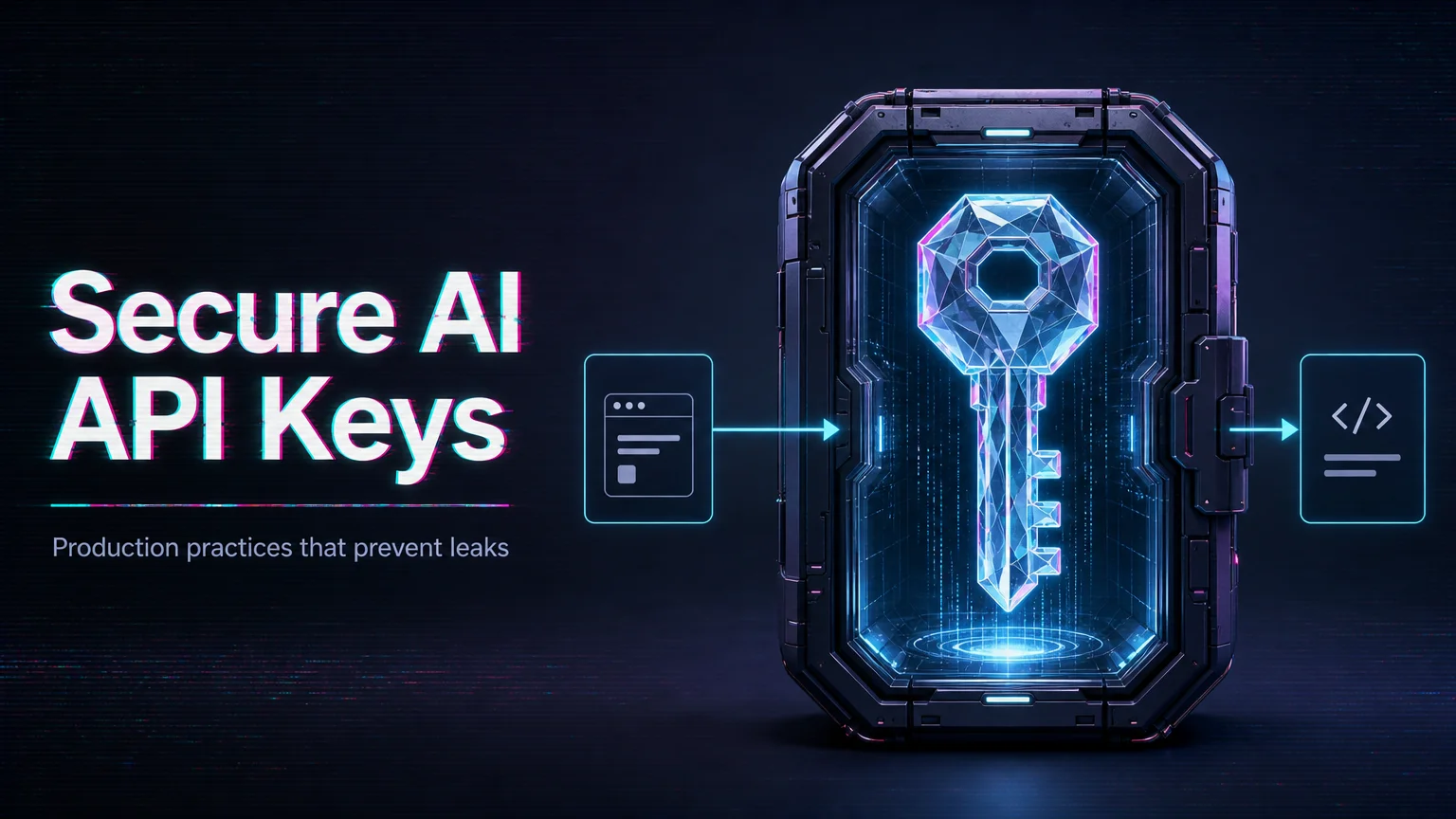
How Can You Keep AI API Keys Secure in Production?
How to keep AI API keys secure in production: backend-only calls, rotation schedules, usage alerts, and the incident steps if a key ever leaks.
How Can You Migrate from a Direct Model API to an Aggregator?
How to migrate from a direct model API to an aggregator: a staged strangler approach, parallel running, and the comparisons to make before cutover.
How Should You Test an AI Video Generation API Before Committing Budget?
How to test an AI video generation API before committing budget: a paid pilot with real workloads, exit criteria, and quality and cost thresholds.
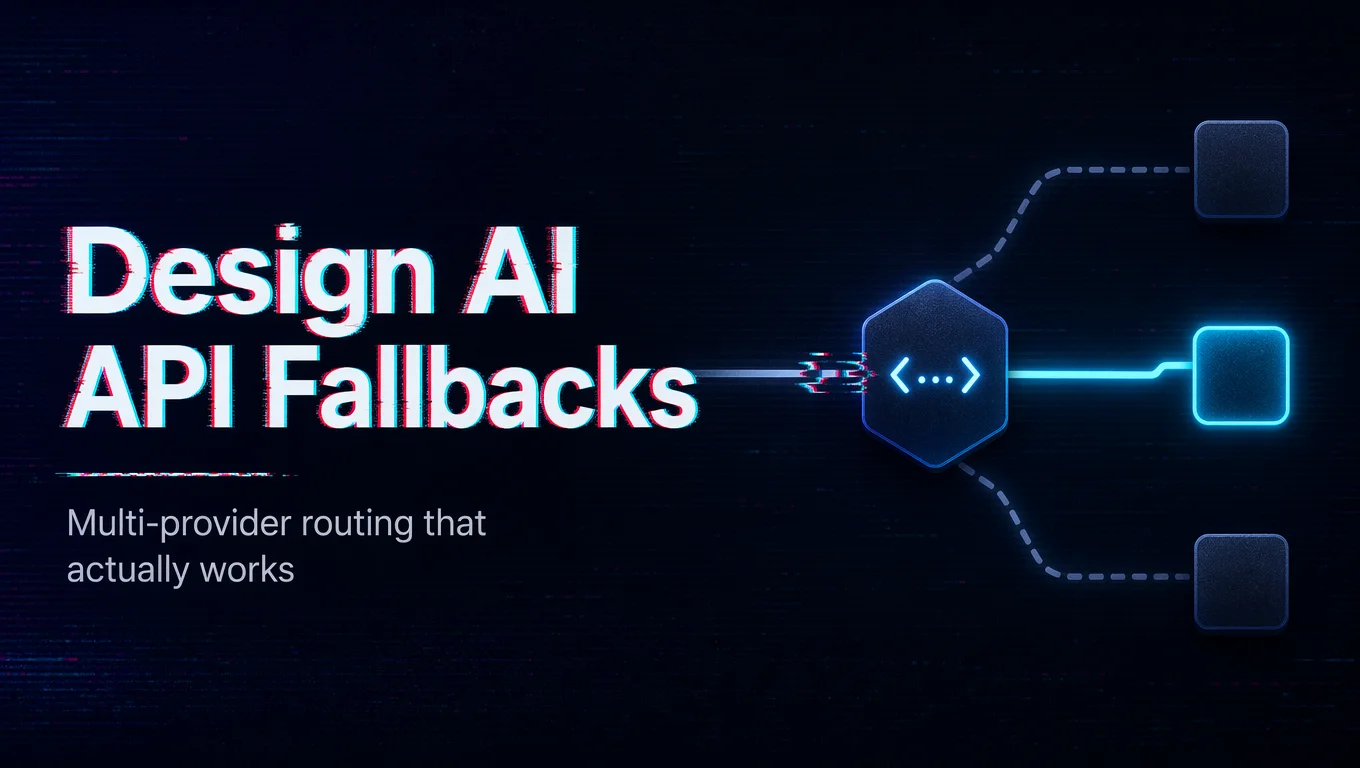
How Should You Design a Multi-Provider Fallback Strategy for AI Generation APIs?
Multi-provider fallback strategy for AI generation APIs: routing design, quality parity checks, and the quarterly failover drill that proves it works.
Should You Use an SDK or Raw REST API for AI Generation?
SDK vs raw REST for AI generation APIs: when the SDK saves time, when direct HTTP gives more control, and why teams should understand both layers.