How Should You Design a Multi-Provider Fallback Strategy for AI Generation APIs?
Multi-provider fallback strategy for AI generation APIs: routing design, quality parity checks, and the quarterly failover drill that proves it works.
Overview
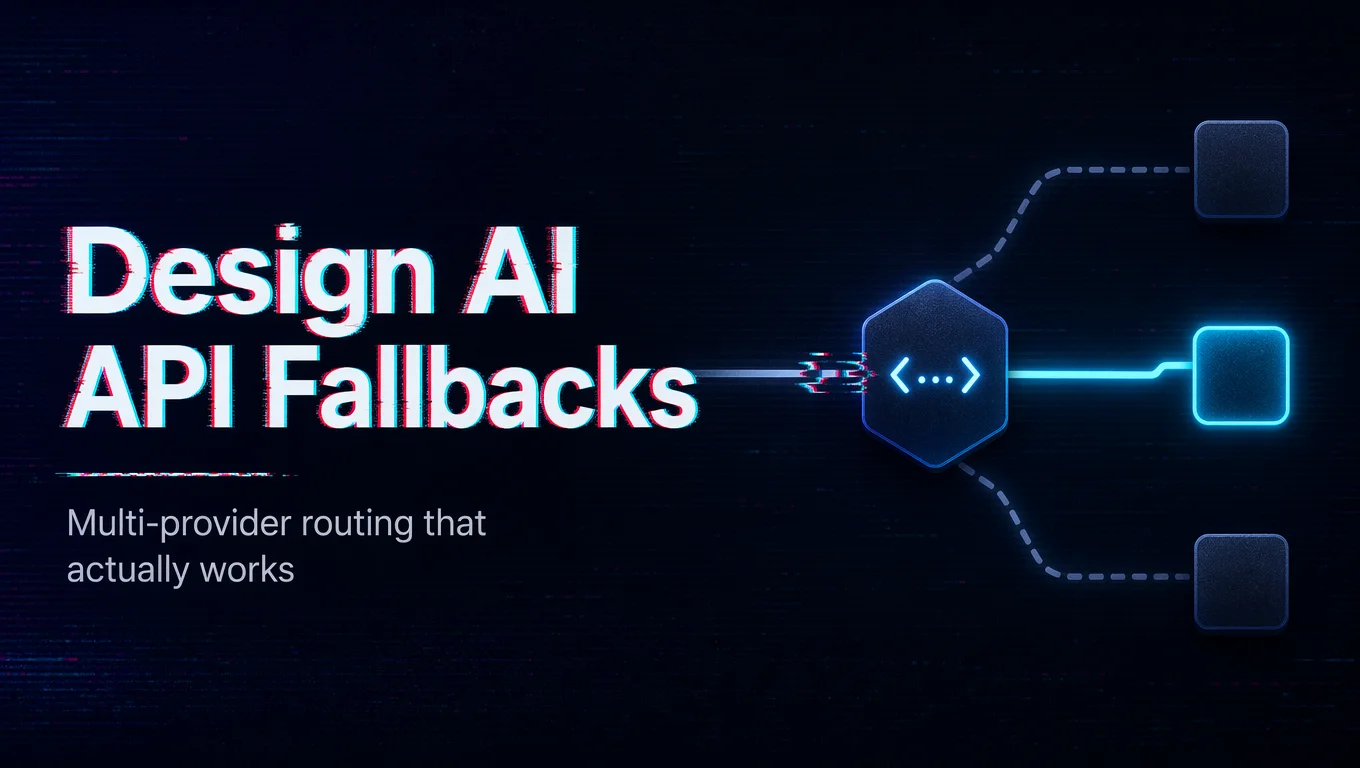
A multi-provider fallback strategy for AI generation APIs uses backup models or providers when the primary route is slow, unavailable, too expensive, or not producing acceptable results. It improves resilience, but it must be designed carefully to avoid inconsistent outputs or surprise costs.
- Define which failures trigger fallback and which require user review.
- Match fallback models by quality, style, duration, resolution, and rights.
- Monitor cost and output differences after fallback is used.
Fallback is not as simple as swapping one API endpoint for another. A video model may produce different motion. An image model may handle text poorly. A TTS model may change voice style. Teams need fallback rules that fit the product promise.
WaveSpeedAI’s production-layer value is strong here because it can reduce the integration work required to compare and route across models. The working playbook is straightforward: pick primary and backup routes, test both, define switch thresholds, and log every fallback event. That gives builders resilience without hiding quality trade-offs. Fallback strategy is only real once rehearsed: run a quarterly game day where the primary route is deliberately disabled and confirm traffic, quality, and cost all land where the plan says they should.
Related reading
Related Articles

Best AI Video Platforms for Production Teams in 2027

Best Sora 2 Alternatives for Video Teams in 2027

Lanta AI Review 2027: Best Uses, Pricing, and Limits

Sora 2 Review 2027: API Quality, Cost, and Limits

Build a GPT-6 Astra 3D Workflow With Blender Assets