
How Can an Image-to-3D API Support E-Commerce Product Visualization?
How image-to-3D APIs work for e-commerce product visualization: input photo requirements, mesh quality expectations, and a pilot plan for catalogs.
Overview
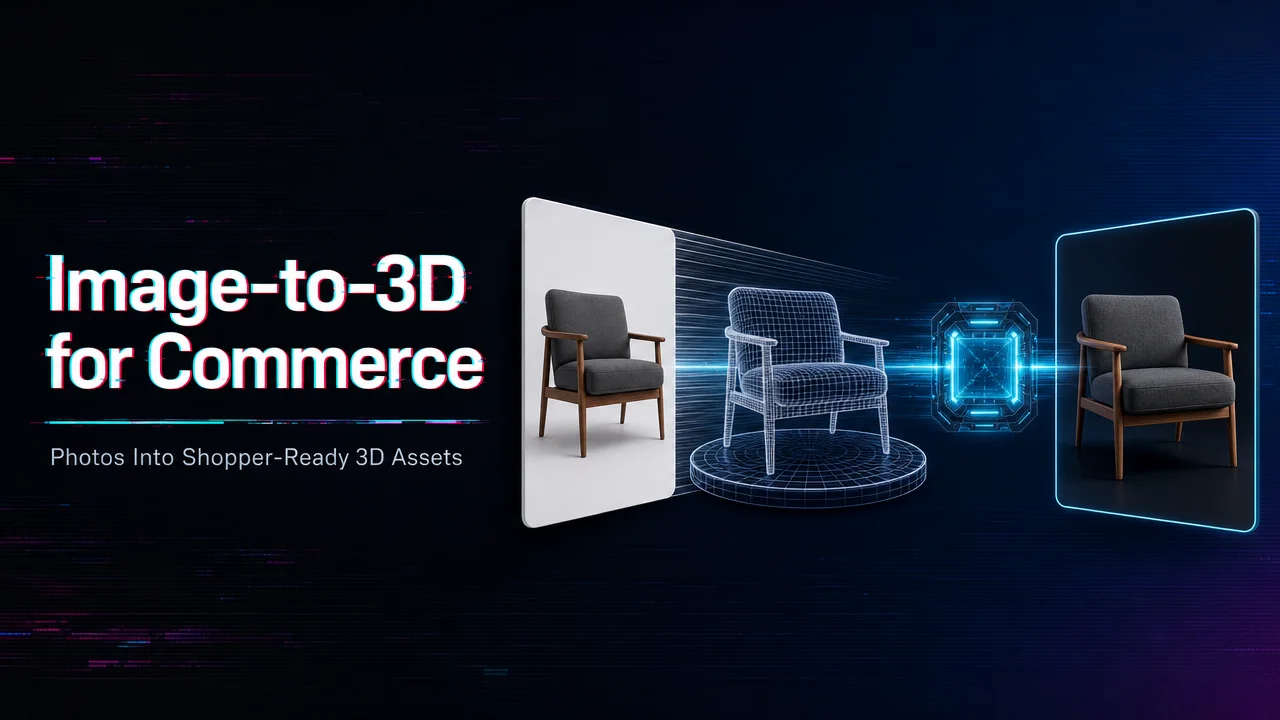
An image-to-3D API for e-commerce product visualization turns product photos or references into 3D assets that can support previews, AR views, configurators, or richer product pages. The output must be accurate enough for shoppers, not just visually interesting.
- Test geometry accuracy, texture fidelity, scale, and file compatibility.
- Check whether the model handles reflective, transparent, fabric, and complex products well.
- Review commercial-use terms before publishing assets on product pages.
E-commerce teams should be careful because inaccurate 3D assets can mislead customers. A shoe, chair, bottle, or accessory needs correct proportions and material cues. Generated assets may still need human cleanup, QA, and optimization for web performance.
WaveSpeedAI fits this use case when image-to-3D becomes part of a creative production workflow. A team might generate product visuals, videos, 3D previews, and marketing assets from one model access layer. The value is faster testing and fewer separate tools. The production standard should remain strict: if the 3D asset affects purchase decisions, it needs review before publication. Run the image-to-3D pipeline on your ten worst product photos, not your best; if reflective, transparent, or low-light items survive, the workflow is ready for the real catalog.
/filters:quality(82)/media/images/c347367a-a007-4466-b8f7-d37f5fb52819.webp)
/filters:quality(82)/media/images/cd4db796-7728-45fb-8267-6813ed28e173.webp)
/filters:quality(82)/media/images/1791535252286714222_v4jvJT2a.webp)
/filters:quality(82)/media/images/1791451065663755033_qNqAKS1a.webp)
/filters:quality(82)/media/images/1791359984291066138_tW5eOX6f.webp)
/filters:quality(82)/media/images/1773962750383987480_n3hqzHRZ.webp)