
Grok Imagine Video Pricing and Cost per Clip
Explain Grok Imagine pricing by resolution, duration, media input, retries, and cost per usable video clip.
Dora here. I opened xAI’s rate card to price one ten-second image-to-video shot. The first 480p draft came to $0.81 after the image-input charge. Then I added the way production actually works: three drafts, one 1080p final, eight minutes of review, and a small processing allowance. The same shot now cost $11.14.
That is the gap I’m documenting. This Grok Imagine pricing note separates the API charge from the cost per usable clip, using rates checked on September 10, 2026. I did not run these generation jobs. The retry count and labor cost are planning assumptions. The published xAI rates are not.
Current Grok Imagine Pricing
Output seconds by resolution
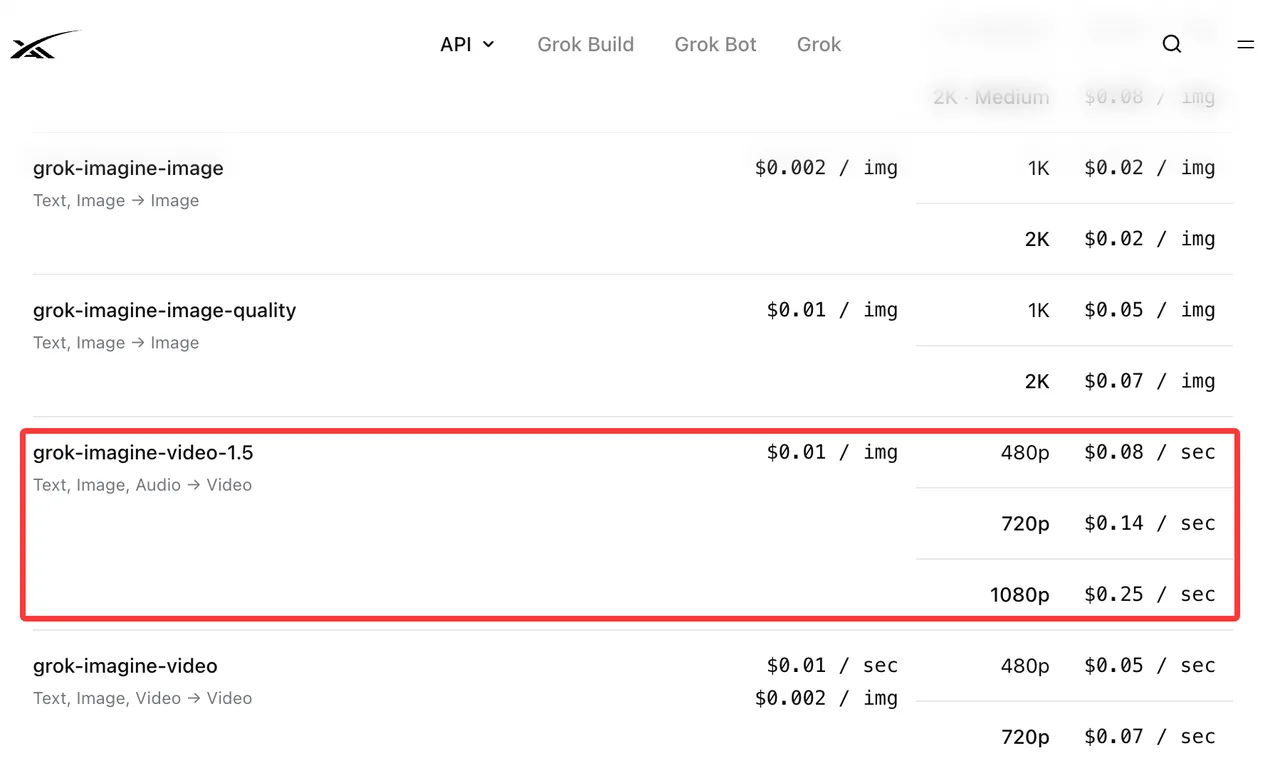
The current xAI API pricing table charges for each generated output second. For grok-imagine-video-1.5, resolution changes the rate:
| Resolution | Price per second | Five seconds | Ten seconds | Fifteen seconds |
|---|---|---|---|---|
| 480p | $0.08 | $0.40 | $0.80 | $1.20 |
| 720p | $0.14 | $0.70 | $1.40 | $2.10 |
| 1080p | $0.25 | $1.25 | $2.50 | $3.75 |
The video generation documentation currently permits durations from one to fifteen seconds. It also says 480p is the default. Both text-to-video and image-to-video support 1080p on Video 1.5.
The quoted Grok video API price applies to generated API output. It must not be mixed with free or promotional access in the Grok consumer application.
Image, video, and audio input charges
The Video 1.5 model page lists image input at $0.01 per image. Text has no separate media-input charge in the published table.
Preset voice input is currently free. Generated video includes audio by default, with no separate audio-output surcharge disclosed. Customer-supplied voice references are restricted to trusted partners on request, so there is no general public price to insert into a normal forecast.
Video input needs careful labeling. The earlier grok-imagine-video model accepts video for editing or extension and lists video input at $0.01 per second. Video 1.5’s public model page lists text, image, and audio inputs instead. I would not quietly apply the older model’s video-input rate to a 1.5 request.
Calculate Cost per Usable Clip
Duration, retries, and failed outputs
Take one ten-second image-to-video advertising shot. The team creates three 480p drafts, selects one direction, and then generates a 1080p final. Each request uses one source image.
| Work item | Calculation | Cost |
|---|---|---|
| Three 480p drafts | 3 × (($0.08 × 10) + $0.01) | $2.43 |
| One 1080p final | ($0.25 × 10) + $0.01 | $2.51 |
| Total API generation | Four completed outputs | $4.94 |
This assumes all four jobs complete. A creatively unusable result is still a completed generation, so its price remains part of the video generation retries budget.
xAI documents pending, done, expired, and failed job states, but does not publish a blanket promise that every failed or expired job is free. The public REST reference also does not document a customer cancellation operation for an active video job. Read the returned usage record before deciding whether a technical failure cost zero.
Add review and downstream processing
Now add eight minutes of human review, based on two minutes per result. At an illustrative loaded labor rate of $45 per hour, review costs $6.00. Assume another $0.20 for downloading, transcoding, storage, and delivery.
That produces:
$4.94 generation + $6.00 review + $0.20 processing = $11.14 per usable clip
The labor and processing figures are planning assumptions, not xAI charges. Real encoding costs depend on the selected service; a provider table such as AWS Elemental MediaConvert pricing can supply a workload-specific value.
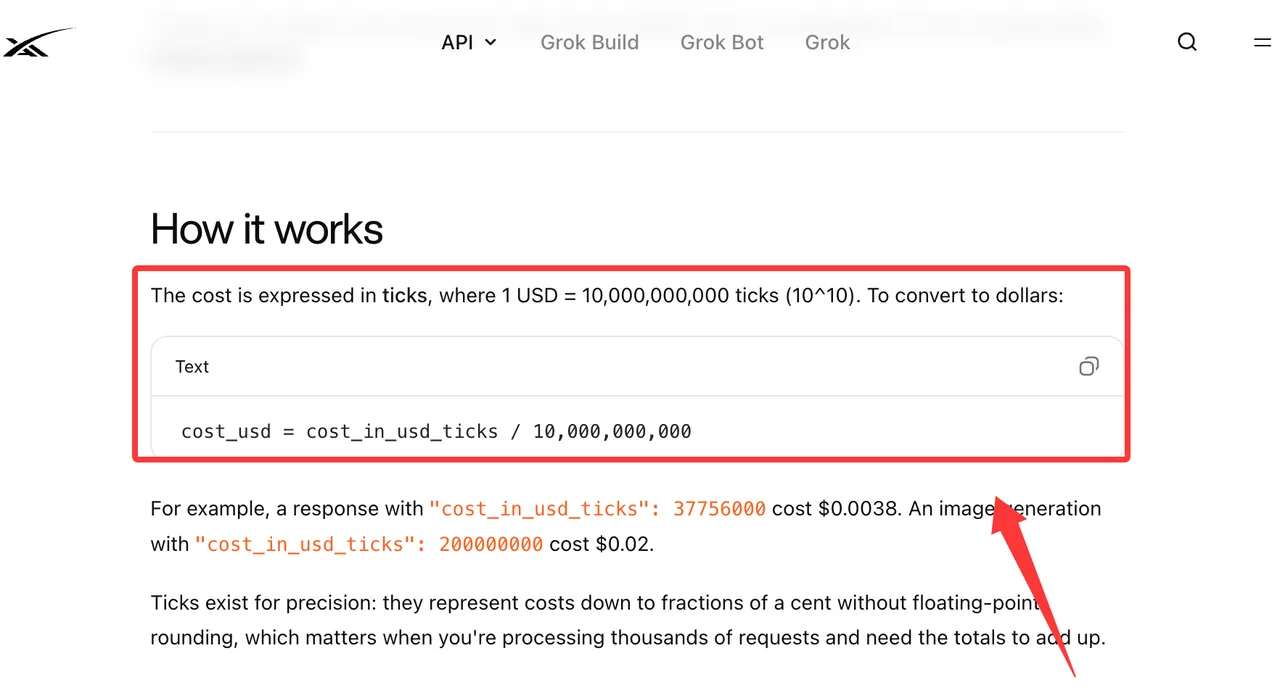
For billing reconciliation, xAI’s cost-tracking documentation says video responses include cost_in_usd_ticks. One dollar equals ten billion ticks. Store that returned amount with the request ID, model, resolution, duration, status, and reviewer decision.
Set a Production Budget
Use low resolution for iteration
Three ten-second 480p drafts cost $2.43 with image inputs. Generating the same three drafts at 1080p would cost $7.53. Low-resolution exploration therefore saves $5.10 before review.
Set a retry ceiling as well. A cheap draft loop can still drift when nobody defines acceptance criteria.
Reserve higher resolution for accepted shots
Move to 1080p only after motion, framing, identity, and audio pass review at 480p. This approach reduces image-to-video pricing without pretending that resolution alone controls quality.
Budget on an acceptance rate, not a clip count. If only one in four outputs survives review, multiply the nominal generation price accordingly.
Limits and Trade-Offs
Listed unit price is not final workflow cost
The per-second generation rate does not include creative rejection, staff review, source-image preparation, or downstream downloading, editing, storage, and distribution costs. A one-dollar generation can easily become a much more expensive approved asset.
Technical retries also need separate labels. Track service failures, moderation blocks, invalid requests, timeouts, and creative rejects independently.
Rates and promotional access can change
These rates are dated September 10, 2026. Model aliases, regional availability, and promotions may change. Recheck the model page before each budget cycle. This is where my data ends: a published unit rate cannot predict a team’s usable-output rate.
FAQ
Can unused xAI credits be transferred between organizations?
xAI assigns prepaid credits to the team selected during purchase. Its public billing documentation does not describe a transfer process between teams or organizations. Treat balances as non-transferable unless xAI confirms an exception in writing.
Can purchased xAI credits be refunded?
Normally, no. xAI’s billing FAQ says prepaid API credit purchases are non-refundable, except where applicable law requires otherwise. This differs from canceling a consumer application subscription.
Can teams set project-level spending limits?
The documented controls operate at the team level, not the project level. Teams can limit postpaid spending, cap automatic top-ups, and isolate workloads with separate teams or API keys. A native per-project hard budget is not publicly documented.
Which currencies appear on xAI invoices?
Published API prices and cost-tracking fields use US dollars, and billing limits are represented in USD cents. xAI does not publish a complete list of alternative invoice currencies. Confirm the currency, tax treatment, and conversion details on the actual invoice.
Conclusion
Grok Imagine pricing starts with output seconds, but the useful number is cost per usable clip. In this example, API generation costs $4.94, and the full planning cost reaches $11.14 after review and processing. Iterate at 480p, promote accepted shots to 1080p, and reconcile every job from returned usage. Good enough. That’s the most honest assessment I can give.
Previous posts:
Related Articles
/filters:quality(82)/media/images/1773962750383987480_n3hqzHRZ.webp)
AI Lip Sync Dialogue Scenes with Seedance 2.5: Prompts and Settings
How to Make an AI Short Drama with Seedance 2.5, Wan 3.0 and Kling 4.0
How to Keep the Same Character Across AI Video Shots
Multi-Shot Action Scenes with Kling 4.0: Long Takes, Keyframes and Extends
Vertical 9:16 AI Video Settings for Shorts and Reels