FLUX 3 Video vs Seedance 2.5 for Production Workflows
FLUX 3 Video vs Seedance 2.5 compares repeatability, revision control, and cost per approved clip for one production video workflow.
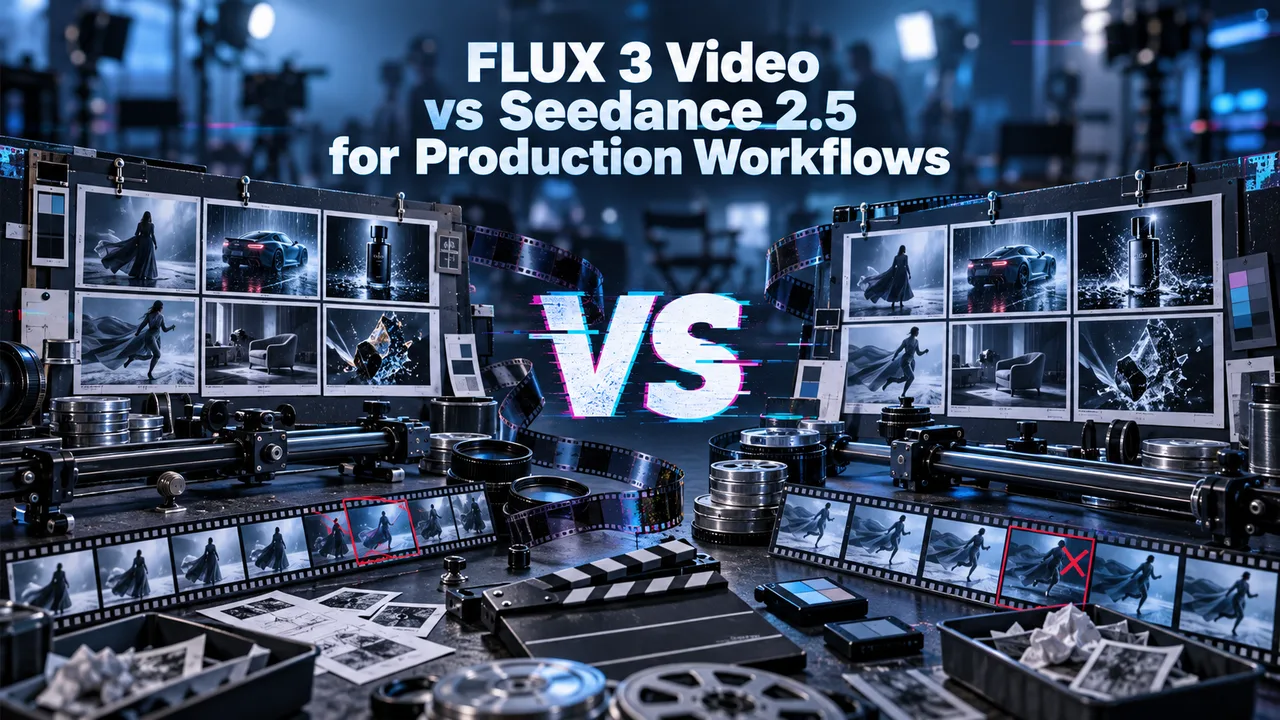
A campaign team needs one ten-second product clip, then three revisions without losing the pack design, subject, or camera move. That is the useful frame for FLUX 3 video vs Seedance 2.5. I will not declare a winner without matched runs. Test FLUX 3 when a low-cost draft must become the same full-quality shot; test Seedance 2.5 when multimodal references and in-clip edits drive the brief.
Quick Verdict for One Repeatable Campaign Clip
When Draft-to-Final Rendering Matters
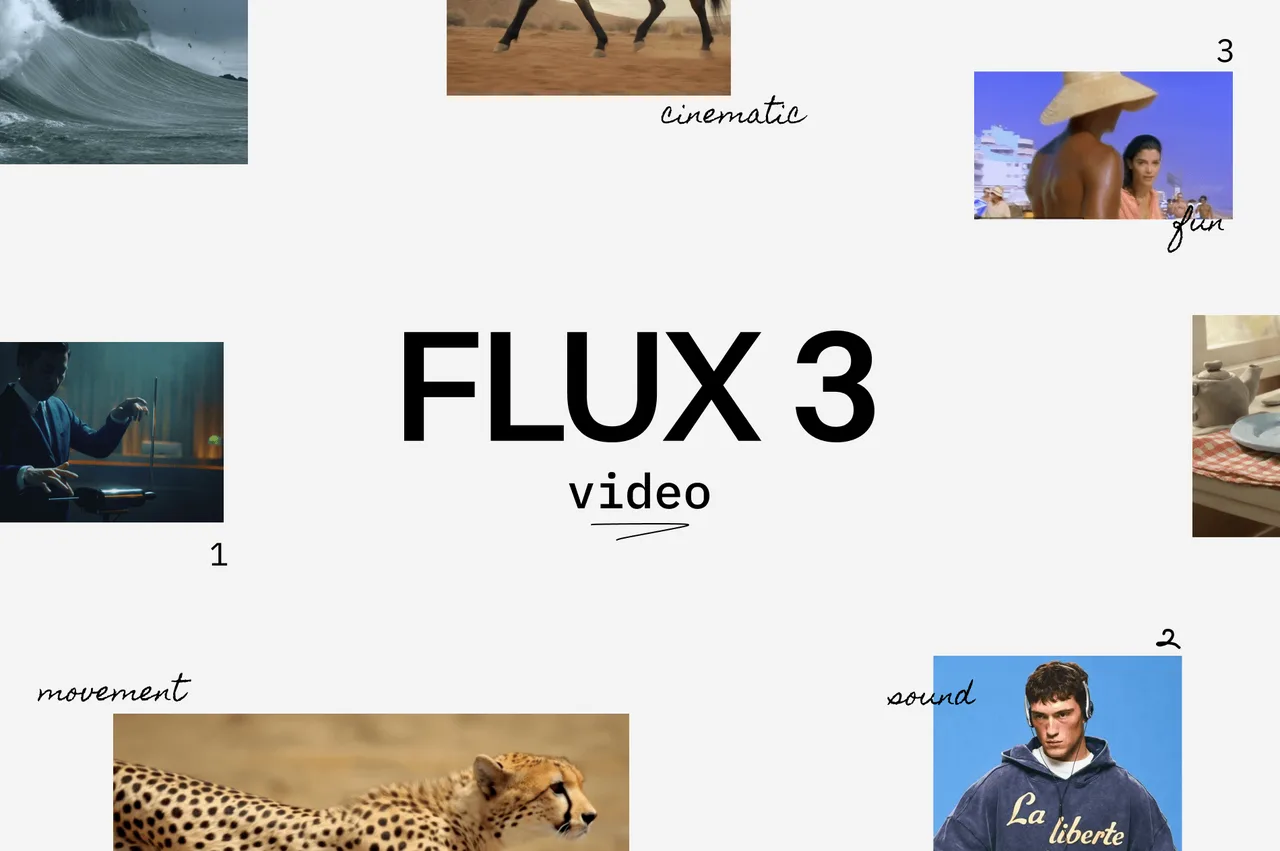
Choose FLUX 3 when approval starts with rough motion and ends with a faithful high-quality render. The documented FLUX 3 Video workflow uses one flux-3-video endpoint and passes a Draft cache into Draft Enhance. BFL says this preserves the shot, subject, composition, motion, and seed. I would still validate that claim across several clips.
Current BFL specifications list 5–20 second text/image generations and 5–15 second video continuations, all at 24 fps. Draft is $0.06 per second; HD is $0.17 and FHD $0.29. Video continuation costs more. These are generation charges, not approval costs.
When Multimodal References and In-Clip Editing Matter
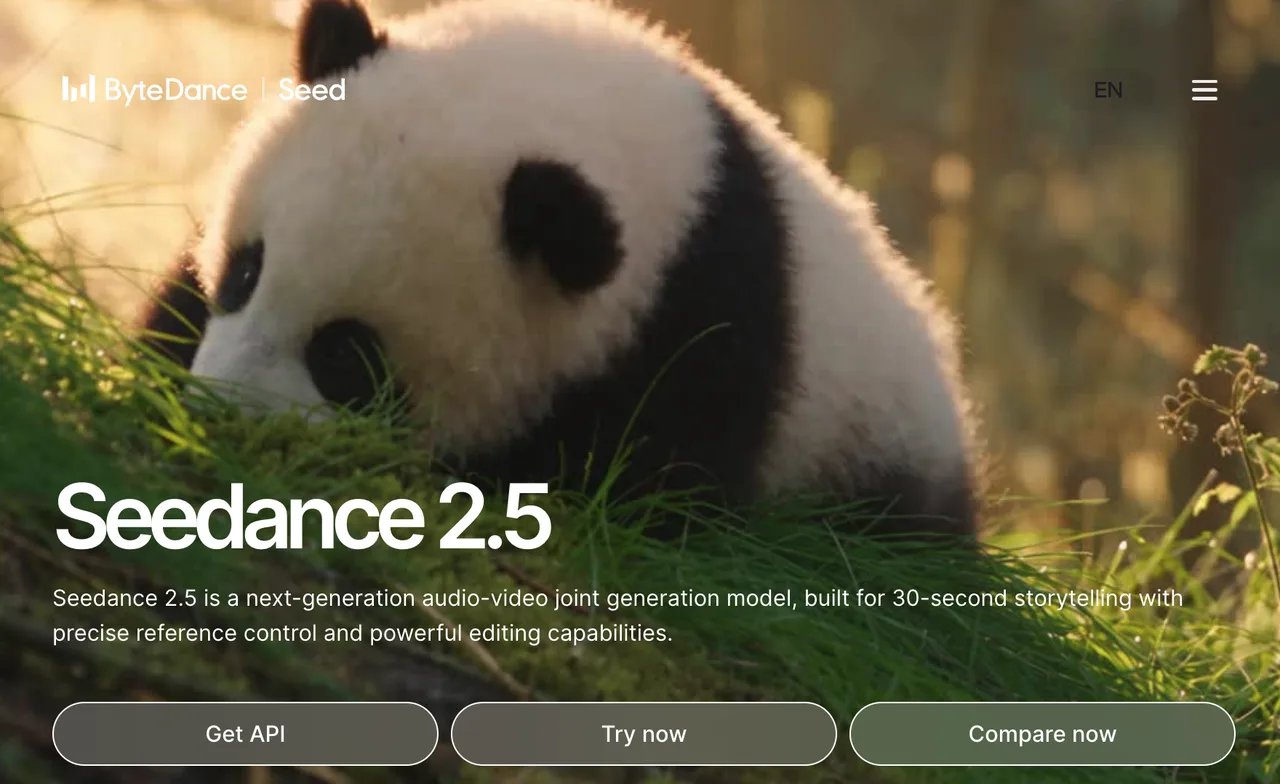
Choose Seedance 2.5 when the team must combine image, video, and audio references or alter a selected time span. ByteDance’s official release describes up to 30 images, 10 videos, and 10 audio references, 30-second generation, extension, and timestamp-level editing.
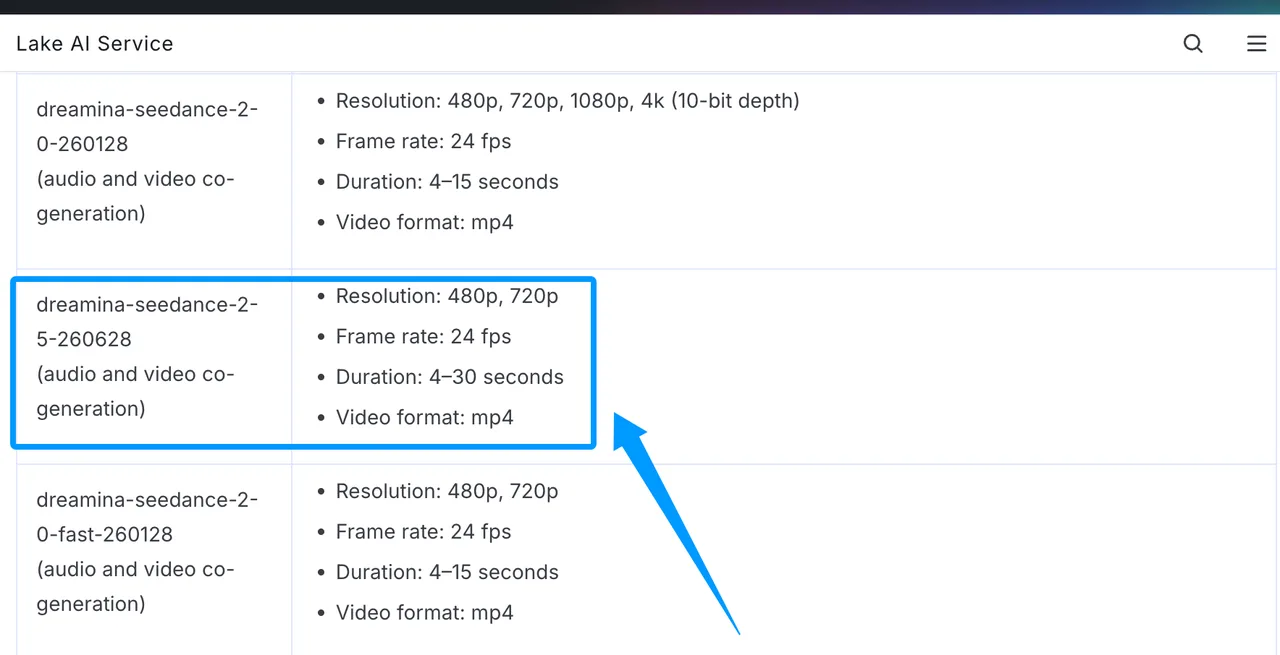
I would not treat that launch page as an API contract. Current BytePlus LAS API documentation identifies dreamina-seedance-2-5-260628, accepts text, image, video, and audio inputs, and documents 4–30 second output. Pricing depends on inputs and can include source-video plus output duration. Studio features count only when the tested API exposes them.
Run a Matched Production Workflow
Use the Same Licensed Inputs and Delivery Brief
Use one approved asset pack: stills, logo, soundtrack, voice, reference motion, and original clip. Give both routes the same brief, duration, aspect ratio, audio requirement, and acceptance checklist. Lock packaging text, logo geometry, product color, subject identity, camera path, timing, and safe areas.
If one API cannot accept an identical control, record the difference. Do not quietly replace it with a better prompt or extra reference. This cannot be judged by feel. It needs a sample run.
Count Generations, Revisions, Failures, and Review Time
Run at least five fresh generations per model, then the same three revisions. Save every prompt, parameter, model ID, returned seed, input, output, invoice line, failure reason, and reviewer decision. Keep before-and-after clips and manual-repair notes.
For every AI video stability test, track:
| Outcome | Production measure |
|---|---|
| Repeatability | Approved constraints retained across repeated generations |
| Revision control | Requested change completed without new defects |
| Approved cost | API charges + review labor + repair labor, divided by approved clips |
Compare Three Workflow Outcomes
Repeatability Across Repeated Generations
Score each checklist item, not “overall quality.” A clip fails if pack copy mutates, wardrobe changes, the camera drifts, or timing misses delivery—even when it looks impressive. Report pass counts and failure types by API route and tier.
Revision Control and Subject Continuity
Measure whether an instruction changes only its target. For FLUX 3, separate Draft-to-Full from continuation or BFL’s video-edit endpoint. For the Seedance 2.5 workflow, distinguish generation, extension, and editing calls. Compare every result with the original, not only the previous round, to expose accumulated drift.
Cost per Approved Clip
Do not compare per-second prices alone. Calculate cost per usable clip as billed generations and edits plus review and repair labor, divided by approvals. Report video revision cost separately so a cheap first attempt cannot hide expensive recovery. Unusable generations are expensive.
Limits and Trade-Offs
Feature Access Can Vary by Provider and Region
BFL documents global, US, and EU hosts in its integration guidance. BytePlus uses region-scoped endpoints, but model availability and quotas can differ. WaveSpeed currently lists both families; still verify each route’s schema, price, retention, and terms at test time.
Unequal Controls Can Distort Head-to-Head Results
FLUX 3 Draft Enhance and Seedance timestamp editing solve different problems. If one receives more references, a longer source, or an exclusive native control, label the comparison “workflow routing,” not model parity. Publish missing controls beside the scores.
FAQ
Do both APIs expose immutable model versions?
No. BytePlus exposes the dated ID dreamina-seedance-2-5-260628, while BFL documents the undated flux-3-video; neither public document I found guarantees permanent immutable access. For BytePlus, store the returned model field; for BFL, store the requested version and task ID, then rerun a canary before production batches.
Can either service return edit history or generation lineage?
Not as a documented full lineage graph. BFL returns task artifacts and a Draft cache, while BytePlus returns a task ID and generation metadata retained for a limited period. Teams should maintain their own asset-to-prompt-to-revision ledger.
Do both models attach provenance metadata to exported clips?
The cited public documentation does not guarantee provenance metadata on every export. The BFL developer terms allow BFL to embed Content Credentials or other provenance signals but do not promise them for every file. BytePlus documents a watermark control, not guaranteed cryptographic provenance metadata.
Can enterprise teams reserve regional capacity for either model?
No model-specific public guarantee was found. Regional endpoints and quota-increase processes are not reserved capacity. Ask each contracted provider to confirm region, throughput, failover, and service commitments in writing before launch.
Do both provider terms allow the same client-delivery uses?
No assumption of parity is safe. BFL permits commercial API output use subject to rights and restrictions; BytePlus applies its own layered terms and model agreements. This is general information, not legal advice; counsel should approve important client-delivery cases under the latest terms.
Conclusion
The honest conclusion for FLUX 3 video vs Seedance 2.5 is a routing decision, not a winner. Test FLUX 3 when repeatable Draft-to-Full promotion is the production risk; test Seedance 2.5 when multimodal guidance and localized revision are the risk. Until matched clips, invoices, failure logs, and review hours exist, publish the method and open questions—not a leaderboard.
Previous posts: