MiniMax H3 Image, the open-weights release of MiniMax's image model, edits images from natural-language instructions with up to 9 input images, native output from 1K to 4K. Ready-to-use REST inference API, best performance, no coldstarts, affordable pricing.
Idle
$0.03per run·~33 / $1
ExamplesView all
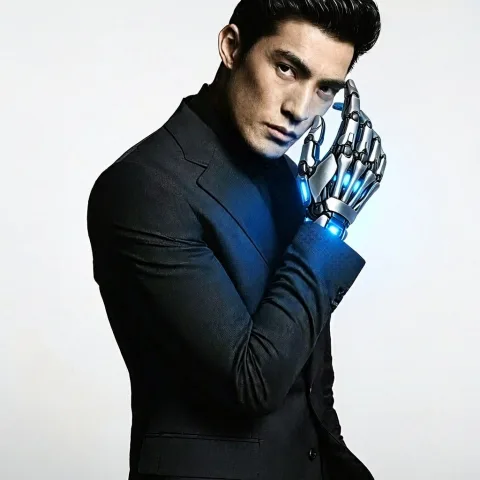
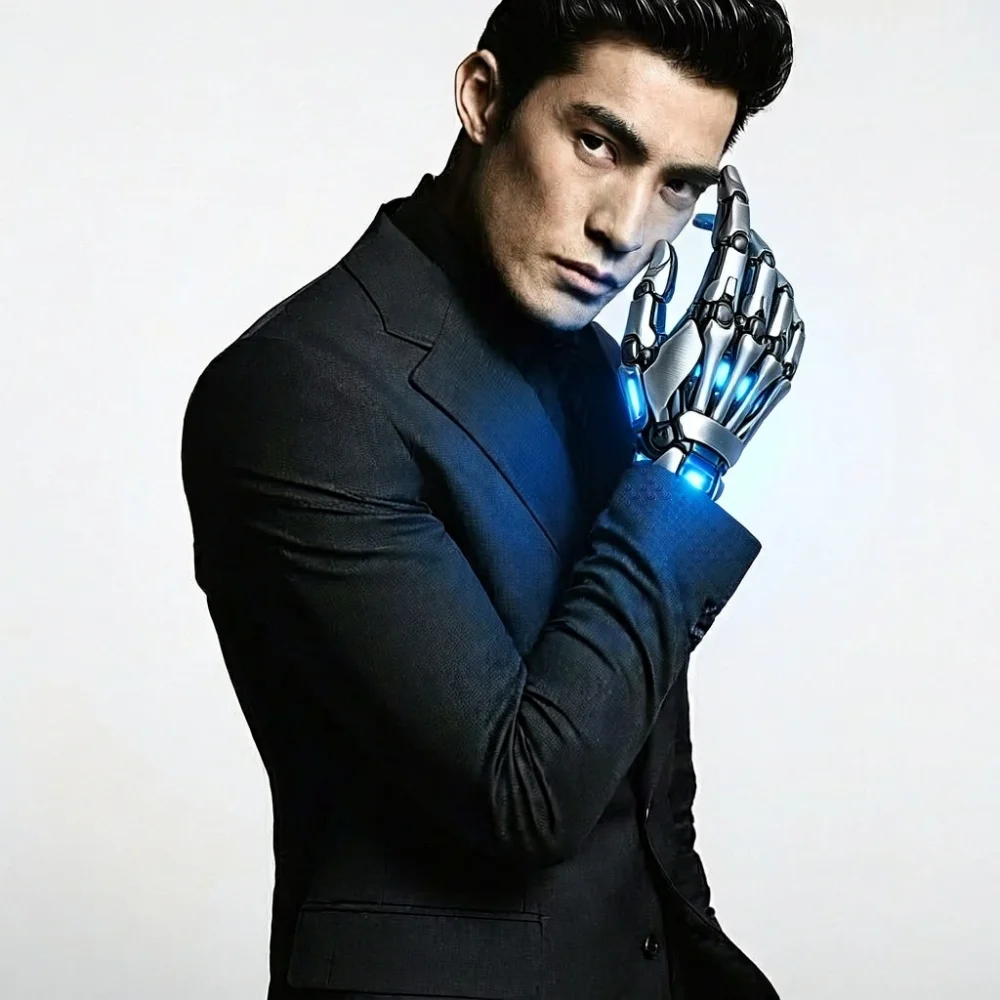
Preserve the man’s exact face, hairstyle, suit, pose, framing, background, and lighting. Transform only the black glove into an elegant mechanical skeletal glove with brushed silver finger structures, black joints, and subtle blue light accents while keeping the same hand position and overall silhouette.
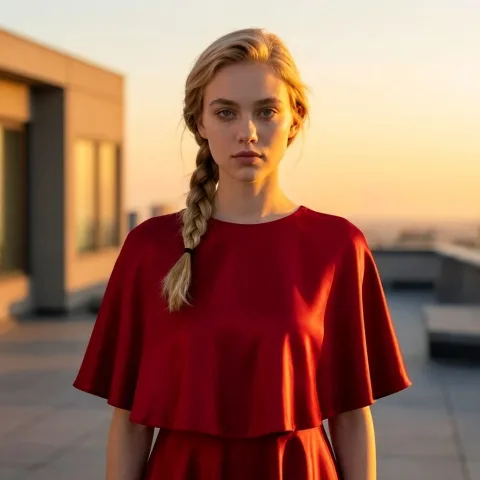
Change her outfit to an elegant red evening gown and place her on a rooftop terrace at sunset. Keep her face unchanged.
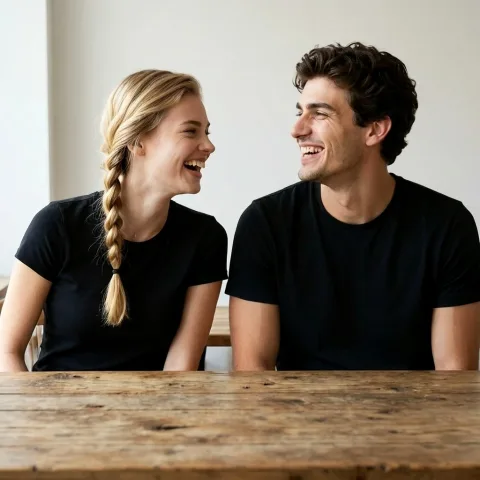
The woman from <Picture 1> and the man from <Picture 2> sitting at a sidewalk cafe table, laughing together, natural daylight.
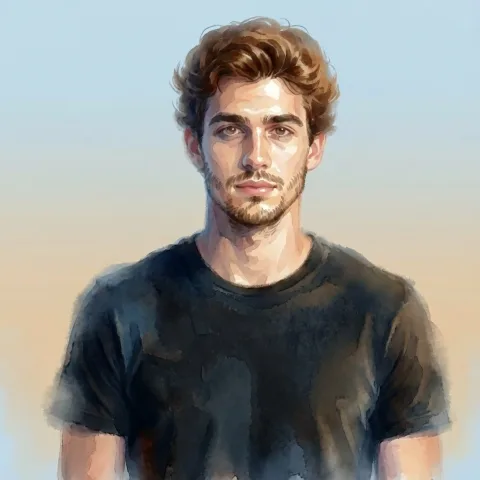
Turn this photo into a watercolor painting.
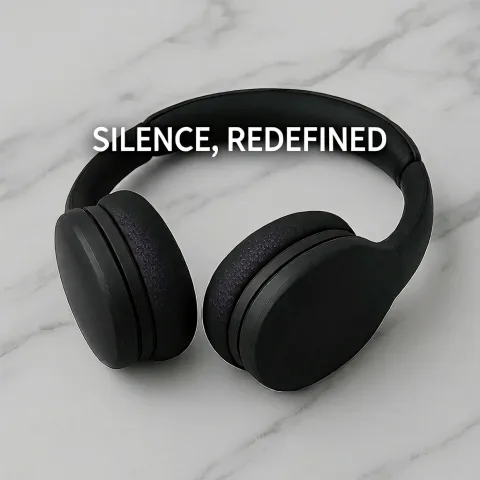
Add the text "SILENCE, REDEFINED" in white capital letters above the headphones.
Related Models





README
MiniMax H3 Image Open-Weights Edit
MiniMax H3 Image Open-Weights Edit edits existing images using the open-weights release of MiniMax H3 Image. The first input image is treated as the editing target, while up to 8 additional images can be used as references.
Why Choose This?
- Open-weights model — Use the open-weights release of MiniMax H3 Image.
- Instruction-based editing — Describe the desired changes using natural-language instructions.
- Multi-image references — Use up to
9images in one request, addressed as<Picture 1>,<Picture 2>, and so on. - Up to 4K output — Choose
1k,1.5k,2k,3k, or4k. - Flexible framing — Generate square, portrait, landscape, tall, wide, and ultrawide outputs.
- Multiple output formats — Export as JPEG, PNG, or WebP.
- Seed control — Use a fixed seed when comparing edit variations.
Parameters
| Parameter | Required | Description |
|---|---|---|
| prompt | Yes | Edit instruction describing the desired result. Refer to input images as <Picture 1>, <Picture 2>, and so on. |
| images | Yes | Between 1 and 9 image URLs. The first image is edited; additional images are used as references. |
| aspect_ratio | No | Output aspect ratio: 1:1, 1:2, 2:1, 1:3, 3:1, 2:3, 3:2, 3:4, 4:3, 4:5, 5:4, 9:16, 16:9, 9:21, or 21:9. Defaults to the first image's aspect ratio. |
| resolution | No | Output resolution: 1k, 1.5k, 2k, 3k, or 4k. Default: 1k. |
| output_format | No | Output format: jpeg, png, or webp. Default: jpeg. |
| seed | No | Random seed. Use -1 for random generation. |
How to Use
- Upload images — Place the image to edit first, followed by any reference images.
- Write an edit instruction — Describe what should change and how the references should be used.
- Reference images clearly — Use
<Picture 1>,<Picture 2>, and so on when multiple images are involved. - Choose output settings — Select the aspect ratio, resolution, and output format as needed.
- Set a seed optional — Use a fixed seed when comparing edit variations.
- Submit — Generate and retrieve the edited image.
Pricing
Pricing is based on the selected resolution.
The first input image is included in the base price. Each additional input image costs $0.01.
| Resolution | Base Price |
|---|---|
| 1K | $0.03 |
| 1.5K | $0.045 |
| 2K | $0.06 |
| 3K | $0.12 |
| 4K | $0.18 |
Additional Images
| Additional Reference Images | Additional Cost |
|---|---|
| 1 | +$0.01 |
| 4 | +$0.04 |
| 8 | +$0.08 |
Aspect ratio, output format, and seed do not add separate charges.
Best Use Cases
- Multi-image editing — Combine subjects, objects, or visual elements from several references.
- Portrait editing — Adjust clothing, environment, styling, or composition.
- Product editing — Use reference images to guide product appearance and placement.
- Background changes — Place subjects into different environments.
- Advertising concepts — Create image variations for campaign and promotional workflows.
- High-resolution editing — Generate edited outputs at up to
4k.
Pro Tips
- Describe the requested changes clearly.
- Refer to each important input by its
<Picture N>label. - Explain the role of each reference image when several are used.
- Use fewer references when multiple images provide conflicting guidance.
- Use a fixed seed when comparing prompt or reference changes.
Notes
- The first image is the primary image being edited.
- Up to
8additional images can be used as references. - Leaving
aspect_ratiounset uses the first image's aspect ratio.
Related Models
- MiniMax H3 Image Open-Weights Text-to-Image — Generate images directly from text prompts.
- MiniMax H3 Image Open-Weights Text-to-Image LoRA — Generate images with custom LoRA weights.
- MiniMax H3 Image Open-Weights Edit LoRA — Edit images with custom LoRA weights.
- MiniMax H3 Image — Generate images with MiniMax H3 Image.
- P-H3-Image — Generate images with the P-H3-Image implementation based on MiniMax H3 open weights.
Minimax H3 Image Edit API — Quick start
Grab a WaveSpeedAI API key, then call POST https://api.wavespeed.ai/api/v3/wavespeed-ai/minimax-h3-image/edit with your input as JSON. The endpoint returns a prediction id. Start polling the result endpoint around every 2 seconds, increase the interval for long-running tasks, and stop on any terminal status. On completed, read output values from data.outputs. Examples for Minimax H3 Image Edit below.
HTTP example
set -euo pipefail

: "${WAVESPEED_API_KEY:?Set WAVESPEED_API_KEY}"

REQUEST_BODY=$(cat <<'JSON'
{
    "prompt": "A cinematic shot of a city at sunset, soft golden light",
    "images": [
        "https://interactive-examples.mdn.mozilla.net/media/cc0-images/painted-hand-298-332.jpg"
    ],
    "aspect_ratio": "1:1",
    "resolution": "1k",
    "output_format": "jpeg"
}
JSON
)

# 1. Submit the prediction.
SUBMIT_RESPONSE=$(curl --silent --show-error --fail-with-body \
  -X POST "https://api.wavespeed.ai/api/v3/wavespeed-ai/minimax-h3-image/edit" \
  -H "Content-Type: application/json" \
  -H "Authorization: Bearer $WAVESPEED_API_KEY" \
  -d "$REQUEST_BODY")

TASK=$(printf '%s' "$SUBMIT_RESPONSE" | jq 'if has("data") then .data else . end')
PREDICTION_ID=$(printf '%s' "$TASK" | jq -r '.id')
if [ -z "$PREDICTION_ID" ] || [ "$PREDICTION_ID" = "null" ]; then
  printf 'Submission response did not contain a prediction id
' >&2
  exit 1
fi
RESULT_URL="https://api.wavespeed.ai/api/v3/predictions/$PREDICTION_ID/result"

# 2. Poll until the prediction finishes.
while true; do
  RESPONSE=$(curl --silent --show-error --fail-with-body "$RESULT_URL" \
    -H "Authorization: Bearer $WAVESPEED_API_KEY")
  RESULT=$(printf '%s' "$RESPONSE" | jq 'if has("data") then .data else . end')
  STATUS=$(printf '%s' "$RESULT" | jq -r '.status')
  case "$STATUS" in
    completed) printf '%s\n' "$RESULT" | jq '.outputs'; break ;;
    failed|cancelled|timeout|deleted) printf '%s\n' "$RESULT" | jq . >&2; exit 1 ;;
    *) sleep 2 ;;
  esac
done
Node.js example
const submitUrl = "https://api.wavespeed.ai/api/v3/wavespeed-ai/minimax-h3-image/edit";
const apiKey = process.env.WAVESPEED_API_KEY;
if (!apiKey) throw new Error('Set WAVESPEED_API_KEY');

async function requestJson(url, options = {}) {
  const response = await fetch(url, options);
  if (!response.ok) throw new Error(await response.text());
  return response.json();
}

// 1. Submit the prediction.
const body = await requestJson(submitUrl, {
  method: "POST",
  headers: {
    "Authorization": `Bearer ${apiKey}`,
    "Content-Type": "application/json",
  },
  body: JSON.stringify({
        "prompt": "A cinematic shot of a city at sunset, soft golden light",
        "images": [
                "https://interactive-examples.mdn.mozilla.net/media/cc0-images/painted-hand-298-332.jpg"
        ],
        "aspect_ratio": "1:1",
        "resolution": "1k",
        "output_format": "jpeg"
}),
});
const task = body.data ?? body;
if (!task.id) throw new Error("Submission response did not contain a prediction id");
const resultUrl = `https://api.wavespeed.ai/api/v3/predictions/${task.id}/result`;

// 2. Poll until the prediction finishes.
while (true) {
  const resultBody = await requestJson(resultUrl, {
    headers: { "Authorization": `Bearer ${apiKey}` },
  });
  const result = resultBody.data ?? resultBody;
  if (result.status === "completed") {
    console.log(result.outputs);
    break;
  }
  if (["failed", "cancelled", "timeout", "deleted"].includes(result.status)) throw new Error(JSON.stringify(result));
  await new Promise(resolve => setTimeout(resolve, 2000));
}
Python example
import json
import os
import time
from urllib.request import Request, urlopen

api_key = os.environ["WAVESPEED_API_KEY"]
headers = {"Authorization": f"Bearer {api_key}", "Content-Type": "application/json"}
payload = {
    "prompt": "A cinematic shot of a city at sunset, soft golden light",
    "images": [
        "https://interactive-examples.mdn.mozilla.net/media/cc0-images/painted-hand-298-332.jpg"
    ],
    "aspect_ratio": "1:1",
    "resolution": "1k",
    "output_format": "jpeg"
}

def request_json(url, data=None):
    request = Request(url, data=data, headers=headers, method="POST" if data else "GET")
    with urlopen(request) as response:
        return json.load(response)

# 1. Submit the prediction.
body = request_json("https://api.wavespeed.ai/api/v3/wavespeed-ai/minimax-h3-image/edit", json.dumps(payload).encode())
task = body.get("data", body)
if not task.get("id"):
    raise RuntimeError("Submission response did not contain a prediction id")
result_url = f"https://api.wavespeed.ai/api/v3/predictions/{task['id']}/result"

# 2. Poll until the prediction finishes.
while True:
    result_body = request_json(result_url)
    result = result_body.get("data", result_body)
    status = result.get("status")
    if status == "completed":
        print(result.get("outputs", []))
        break
    if status in {"failed", "cancelled", "timeout", "deleted"}:
        raise RuntimeError(result)
    time.sleep(2)
Minimax H3 Image Edit API — Frequently asked questions
What is the Minimax H3 Image Edit API?
Minimax H3 Image Edit is a WaveSpeedAI model for image editing, exposed as a REST API on WaveSpeedAI. MiniMax H3 Image, the open-weights release of MiniMax's image model, edits images from natural-language instructions with up to 9 input images, native output from 1K to 4K. Ready-to-use REST inference API, best performance, no coldstarts, affordable pricing. You can call it programmatically or try it from the playground above.
How do I call the Minimax H3 Image Edit API?
POST your input parameters to the model's REST endpoint (shown in the API tab of this playground) with your WaveSpeedAI API key in the Authorization header. Submission returns a prediction ID. Poll the result endpoint starting around every 2 seconds, increase the interval for long-running tasks, and stop on any terminal status. The playground generates Python, JavaScript, and cURL examples for submitting requests and polling results. Full request/response shape is documented at https://wavespeed.ai/docs/docs-api/wavespeed-ai/minimax-h3-image-edit.
How much does Minimax H3 Image Edit cost per run or per second?
Minimax H3 Image Edit starts at $0.03 per run or per second. That figure is the base price — the final charge scales with the parameters you set in the form (output size, length, count, references, or whatever knobs this model exposes), so a higher-quality or larger output costs more than a minimal one. The exact cost for your current input is shown live next to the Generate button before you submit, and the actual per-call charge is recorded on the prediction afterwards.
What inputs does Minimax H3 Image Edit accept?
Key inputs: `prompt`, `images`, `aspect_ratio`, `resolution`, `seed`, `output_format`. The full JSON schema (types, defaults, allowed values) is rendered above the Generate button and mirrored in the API reference at https://wavespeed.ai/docs/docs-api/wavespeed-ai/minimax-h3-image-edit.
How long does Minimax H3 Image Edit take to generate?
Reported generation time on WaveSpeedAI is around 39 seconds per request. This is an estimate, not a latency guarantee; queue time and input settings can change the total wait. live status is visible in the prediction record.
Can I use Minimax H3 Image Edit outputs commercially?
Commercial usage rights depend on the model's license, set by its provider (WaveSpeedAI). Check the provider's applicable terms and WaveSpeedAI's Terms of Service before commercial use.
More from WaveSpeed
View all- wavespeed-ai/ace-stepAI Music Generation
- wavespeed-ai/ace-step-1.5AI Music Generation
- wavespeed-ai/ai-age-filterImage Effects
- wavespeed-ai/ai-breast-expansionImage Effects
- wavespeed-ai/ai-celebrity-look-alike-finderImage Effects
- wavespeed-ai/ai-clothes-changerImage Effects
- wavespeed-ai/ai-dog-selfieImage Effects
- wavespeed-ai/ai-dog-selfie-videoVideo Effects
More Image Editing models
View all- bytedance/seedream-v5.0-pro/editImage Editing
- bytedance/seedream-v5.5/editImage Editing
- google/nano-banana-pro/editImage Editing
- google/nano-banana-2.1/editImage Editing
- bytedance/seedream-v4.5/editImage Editing
- openai/gpt-image-2.6-sunburst/editImage Editing
- alibaba/wan-2.7/image-editImage Editing
- openai/gpt-image-2.5-sunburst/editImage Editing