FLUX 3 Text-to-Video generates cinematic 5-20 second videos from text prompts, with coherent motion, cinematic composition, optional synchronized audio, and 720P / 1080P output for creative videos, social content, ads, and production workflows. Ready-to-use REST inference API, best performance, no coldstarts, affordable pricing.
Idle
$0.85per run·~11 / $10
ExamplesView all
A young bicycle courier arrives at an apartment door during a thunderstorm, but the digital display shows a date fifty years in the future. The scene opens with a fast tracking shot following him through wet neon streets, then becomes completely still as the door opens. An elderly man with the same face stands inside and looks at him in shock. The camera slowly rotates around both characters while lightning illuminates the corridor. The food bag begins glowing, and nearby objects float into the air. Emotional science-fiction mystery, realistic acting, controlled camera movement, cinematic neon lighting.
Related Models

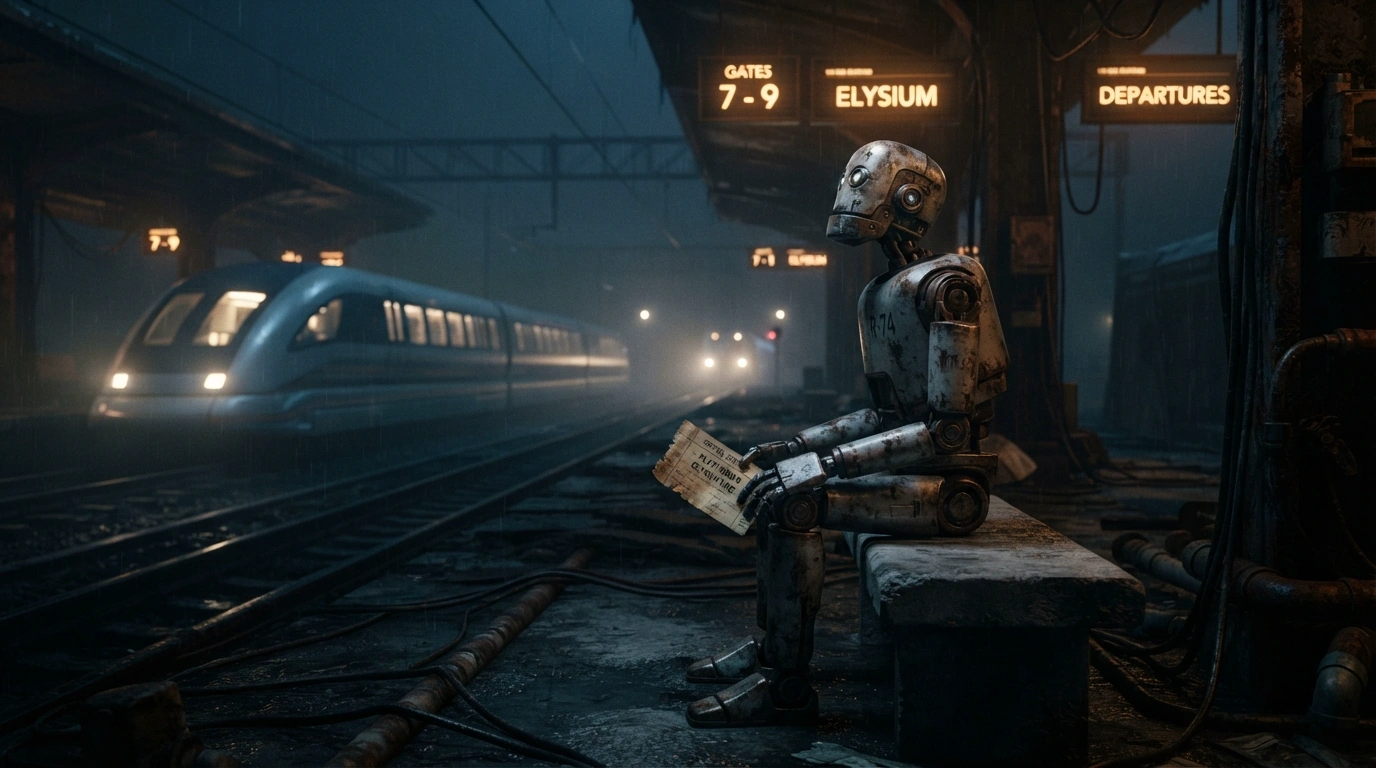


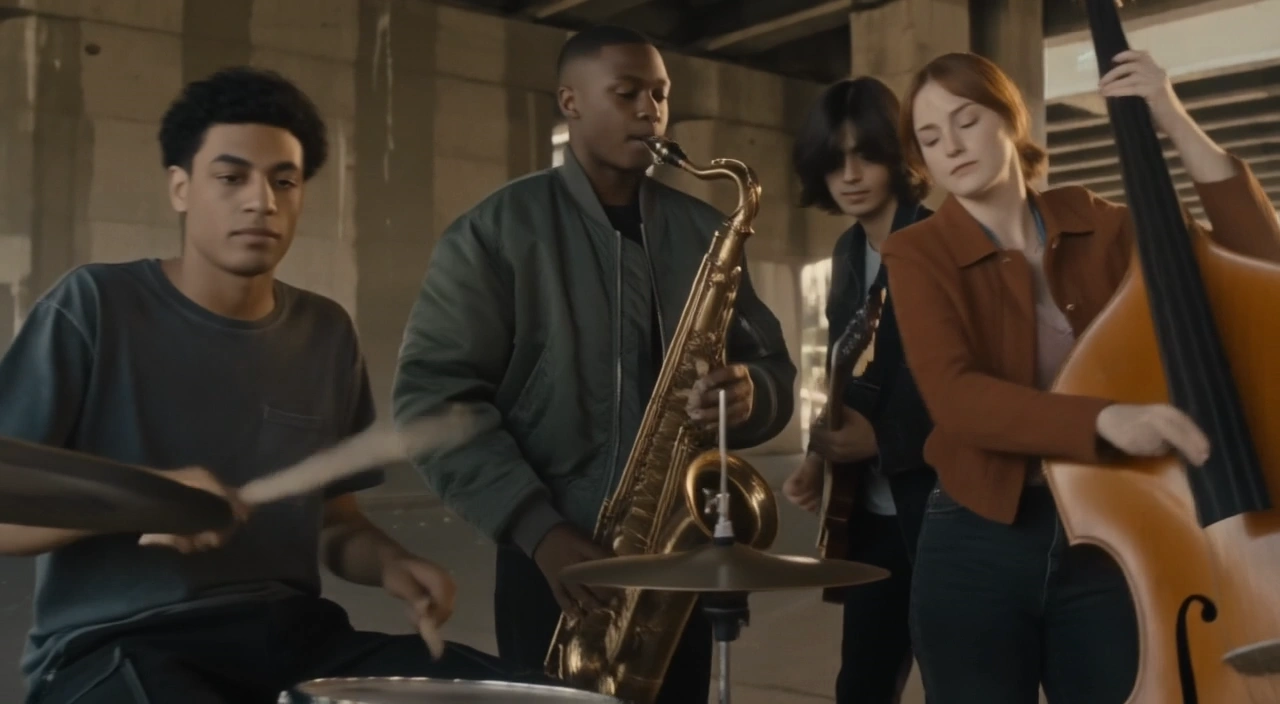

README
FLUX 3 - Text-to-Video
FLUX 3 Text-to-Video turns a written prompt into a short video with coherent motion, cinematic composition, and optional synchronized audio. Describe the subject, action, environment, camera movement, pacing, and sound to create a ready-to-use clip without an input image.
Key Capabilities
- Generate 5-20 second videos directly from text prompts.
- Control subject behavior, scene details, camera movement, lighting, pacing, and visual style.
- Generate optional synchronized audio for ambience, sound effects, and other scene-aware sounds.
- Choose 720p or 1080p output for previews, social content, advertisements, and production drafts.
- Use landscape, portrait, square, or cinematic aspect ratios for different publishing formats.
Parameters
| Parameter | Required | Description |
|---|---|---|
| prompt | Yes | Describe the subject, action, environment, camera movement, timing, mood, lighting, and visual style of the video. |
| aspect_ratio | No | Output aspect ratio. Options: 21:9, 2:1, 16:9, 4:3, 1:1, 3:4, or 9:16. Default: 9:16. |
| resolution | No | Output resolution. Options: 720p or 1080p. Default: 720p. |
| duration | No | Video duration in seconds. Choose an integer from 5 to 20. Default: 5. |
| generate_audio | No | Generate synchronized audio for the video. Default: true. |
How to Use
- Write a complete prompt describing what happens, who or what appears, where the scene takes place, and how the camera should move.
- Choose an aspect ratio that matches the destination, such as 9:16 for vertical short-form video or 16:9 for landscape content.
- Select the output resolution and set a duration from 5 to 20 seconds.
- Keep generate_audio enabled when the scene benefits from ambient sound, sound effects, music, or dialogue.
- Submit the request and download the generated video after processing is complete.
Prompting Tips
- Start with the main subject and the most important action, then add the environment, lighting, mood, and camera direction.
- Use explicit motion verbs such as walk, turn, lift, pour, run, orbit, track, zoom, or tilt.
- Describe timing when the action has multiple beats, such as a subject pausing, looking toward the camera, and then moving into the foreground.
- Mention sounds that should match the scene, including footsteps, rain, traffic, room tone, music, or dialogue.
Pricing
Pricing is calculated by billed video duration and output resolution.
| Resolution | Price |
|---|---|
| 720p | $0.17/s |
| 1080p | $0.29/s |
Billing Rules
- The billed duration is rounded up to the next whole second.
- The API accepts durations from 5 to 20 seconds.
- The maximum billed duration is 20 seconds.
- Audio generation does not add a separate charge in the current pricing formula.
- Example: a 10-second 720p video costs $1.70.
- Example: a 10-second 1080p video costs $2.90.
Best Use Cases
- Short-form social videos for vertical, square, and landscape platforms.
- Product demonstrations, advertisements, and branded motion creatives.
- Cinematic concept clips, storyboards, and pre-visualization.
- Character action tests, mood films, and promotional trailers.
Notes
- This model generates video from text prompts and does not require an input image.
- Clear descriptions of motion and camera direction generally produce more controllable results.
- Generated audio is intended to match the scene and may vary with the prompt and visual action.
Related Models
- FLUX 3 Start-End-to-Video — Generate video using both a starting frame and an ending frame.
- FLUX 3 Image-to-Video — Animate a reference image into a video.
- FLUX 3 Video Extend — Extend an existing video with new generated footage.
- FLUX 3 Text-to-Video — Generate video directly from a text prompt.
Flux 3 Text To Video API — Quick start
Grab a WaveSpeedAI API key, then call POST https://api.wavespeed.ai/api/v3/black-forest-labs/flux-3/text-to-video with your input as JSON. The endpoint returns a prediction id. Start polling the result endpoint around every 2 seconds, increase the interval for long-running tasks, and stop on any terminal status. On completed, read output values from data.outputs. Examples for Flux 3 Text To Video below.
HTTP example
set -euo pipefail

: "${WAVESPEED_API_KEY:?Set WAVESPEED_API_KEY}"

REQUEST_BODY=$(cat <<'JSON'
{
    "prompt": "A cinematic shot of a city at sunset, soft golden light",
    "aspect_ratio": "9:16",
    "resolution": "720p",
    "duration": 5,
    "generate_audio": true
}
JSON
)

# 1. Submit the prediction.
SUBMIT_RESPONSE=$(curl --silent --show-error --fail-with-body \
  -X POST "https://api.wavespeed.ai/api/v3/black-forest-labs/flux-3/text-to-video" \
  -H "Content-Type: application/json" \
  -H "Authorization: Bearer $WAVESPEED_API_KEY" \
  -d "$REQUEST_BODY")

TASK=$(printf '%s' "$SUBMIT_RESPONSE" | jq 'if has("data") then .data else . end')
PREDICTION_ID=$(printf '%s' "$TASK" | jq -r '.id')
if [ -z "$PREDICTION_ID" ] || [ "$PREDICTION_ID" = "null" ]; then
  printf 'Submission response did not contain a prediction id
' >&2
  exit 1
fi
RESULT_URL="https://api.wavespeed.ai/api/v3/predictions/$PREDICTION_ID/result"

# 2. Poll until the prediction finishes.
while true; do
  RESPONSE=$(curl --silent --show-error --fail-with-body "$RESULT_URL" \
    -H "Authorization: Bearer $WAVESPEED_API_KEY")
  RESULT=$(printf '%s' "$RESPONSE" | jq 'if has("data") then .data else . end')
  STATUS=$(printf '%s' "$RESULT" | jq -r '.status')
  case "$STATUS" in
    completed) printf '%s\n' "$RESULT" | jq '.outputs'; break ;;
    failed|cancelled|timeout|deleted) printf '%s\n' "$RESULT" | jq . >&2; exit 1 ;;
    *) sleep 2 ;;
  esac
done
Node.js example
const submitUrl = "https://api.wavespeed.ai/api/v3/black-forest-labs/flux-3/text-to-video";
const apiKey = process.env.WAVESPEED_API_KEY;
if (!apiKey) throw new Error('Set WAVESPEED_API_KEY');

async function requestJson(url, options = {}) {
  const response = await fetch(url, options);
  if (!response.ok) throw new Error(await response.text());
  return response.json();
}

// 1. Submit the prediction.
const body = await requestJson(submitUrl, {
  method: "POST",
  headers: {
    "Authorization": `Bearer ${apiKey}`,
    "Content-Type": "application/json",
  },
  body: JSON.stringify({
        "prompt": "A cinematic shot of a city at sunset, soft golden light",
        "aspect_ratio": "9:16",
        "resolution": "720p",
        "duration": 5,
        "generate_audio": true
}),
});
const task = body.data ?? body;
if (!task.id) throw new Error("Submission response did not contain a prediction id");
const resultUrl = `https://api.wavespeed.ai/api/v3/predictions/${task.id}/result`;

// 2. Poll until the prediction finishes.
while (true) {
  const resultBody = await requestJson(resultUrl, {
    headers: { "Authorization": `Bearer ${apiKey}` },
  });
  const result = resultBody.data ?? resultBody;
  if (result.status === "completed") {
    console.log(result.outputs);
    break;
  }
  if (["failed", "cancelled", "timeout", "deleted"].includes(result.status)) throw new Error(JSON.stringify(result));
  await new Promise(resolve => setTimeout(resolve, 2000));
}
Python example
import json
import os
import time
from urllib.request import Request, urlopen

api_key = os.environ["WAVESPEED_API_KEY"]
headers = {"Authorization": f"Bearer {api_key}", "Content-Type": "application/json"}
payload = {
    "prompt": "A cinematic shot of a city at sunset, soft golden light",
    "aspect_ratio": "9:16",
    "resolution": "720p",
    "duration": 5,
    "generate_audio": True
}

def request_json(url, data=None):
    request = Request(url, data=data, headers=headers, method="POST" if data else "GET")
    with urlopen(request) as response:
        return json.load(response)

# 1. Submit the prediction.
body = request_json("https://api.wavespeed.ai/api/v3/black-forest-labs/flux-3/text-to-video", json.dumps(payload).encode())
task = body.get("data", body)
if not task.get("id"):
    raise RuntimeError("Submission response did not contain a prediction id")
result_url = f"https://api.wavespeed.ai/api/v3/predictions/{task['id']}/result"

# 2. Poll until the prediction finishes.
while True:
    result_body = request_json(result_url)
    result = result_body.get("data", result_body)
    status = result.get("status")
    if status == "completed":
        print(result.get("outputs", []))
        break
    if status in {"failed", "cancelled", "timeout", "deleted"}:
        raise RuntimeError(result)
    time.sleep(2)
Flux 3 Text To Video API — Frequently asked questions
What is the Flux 3 Text To Video API?
Flux 3 Text To Video is a Black Forest Labs model for video generation, exposed as a REST API on WaveSpeedAI. FLUX 3 Text-to-Video generates cinematic 5-20 second videos from text prompts, with coherent motion, cinematic composition, optional synchronized audio, and 720P / 1080P output for creative videos, social content, ads, and production workflows. Ready-to-use REST inference API, best performance, no coldstarts, affordable pricing. You can call it programmatically or try it from the playground above.
How do I call the Flux 3 Text To Video API?
POST your input parameters to the model's REST endpoint (shown in the API tab of this playground) with your WaveSpeedAI API key in the Authorization header. Submission returns a prediction ID. Poll the result endpoint starting around every 2 seconds, increase the interval for long-running tasks, and stop on any terminal status. The playground generates Python, JavaScript, and cURL examples for submitting requests and polling results. Full request/response shape is documented at https://wavespeed.ai/docs/docs-api/black-forest-labs/black-forest-labs-flux-3-text-to-video.
How much does Flux 3 Text To Video cost per run?
Flux 3 Text To Video starts at $0.85 per run. That figure is the base price — the final charge scales with the parameters you set in the form (output size, length, count, references, or whatever knobs this model exposes), so a higher-quality or larger output costs more than a minimal one. The exact cost for your current input is shown live next to the Generate button before you submit, and the actual per-call charge is recorded on the prediction afterwards.
What inputs does Flux 3 Text To Video accept?
Key inputs: `prompt`, `aspect_ratio`, `resolution`, `duration`, `generate_audio`. The full JSON schema (types, defaults, allowed values) is rendered above the Generate button and mirrored in the API reference at https://wavespeed.ai/docs/docs-api/black-forest-labs/black-forest-labs-flux-3-text-to-video.
How long does Flux 3 Text To Video take to generate?
Reported generation time on WaveSpeedAI is around 233 seconds per request. This is an estimate, not a latency guarantee; queue time and input settings can change the total wait. live status is visible in the prediction record.
Can I use Flux 3 Text To Video outputs commercially?
Commercial usage rights depend on the model's license, set by its provider (Black Forest Labs). Check the provider's applicable terms and WaveSpeedAI's Terms of Service before commercial use.