Qwen Image 2.0 is an advanced text-to-image model with enhanced image quality and improved prompt understanding. Up to 2k. Ready-to-use REST inference API, best performance, no coldstarts, affordable pricing.
待機中

$0.031回あたり·~33 / $1
関連モデル




README
Qwen Image 2.0 Text-to-Image
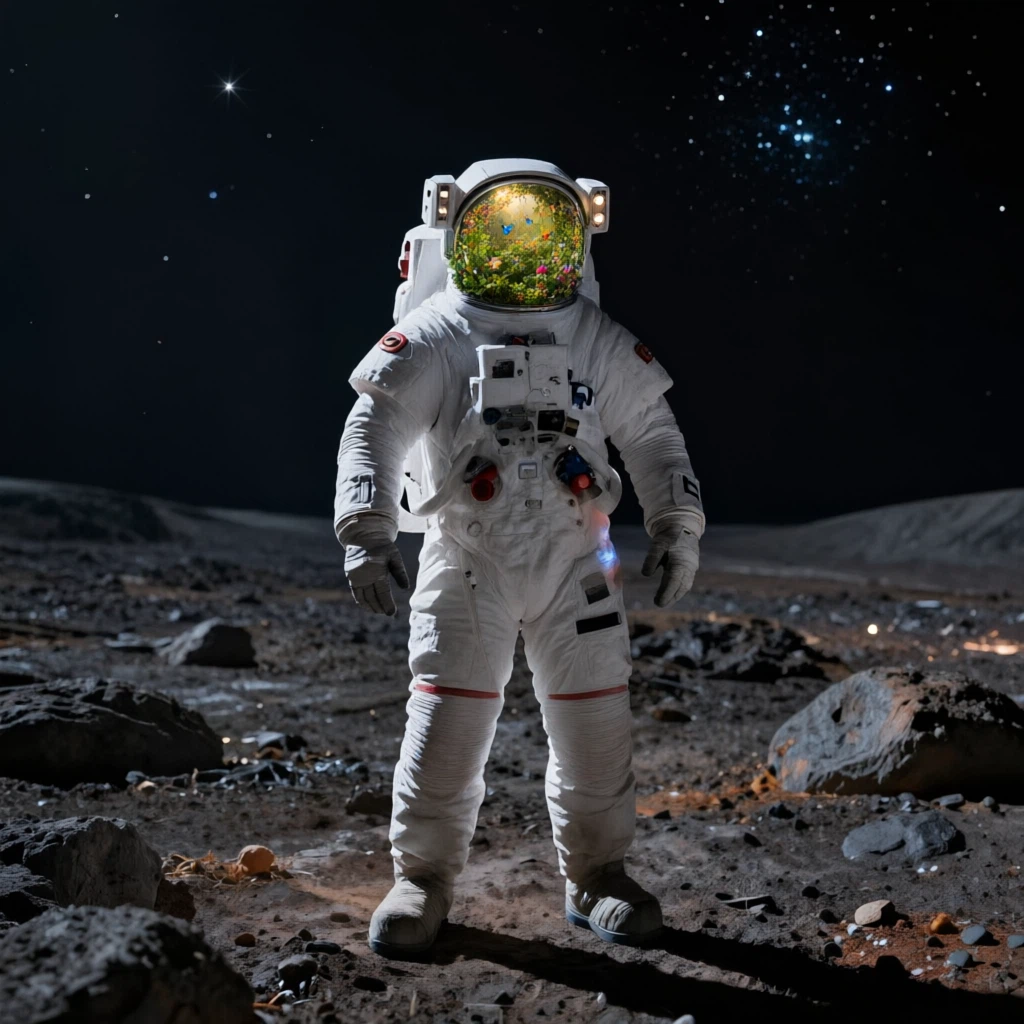
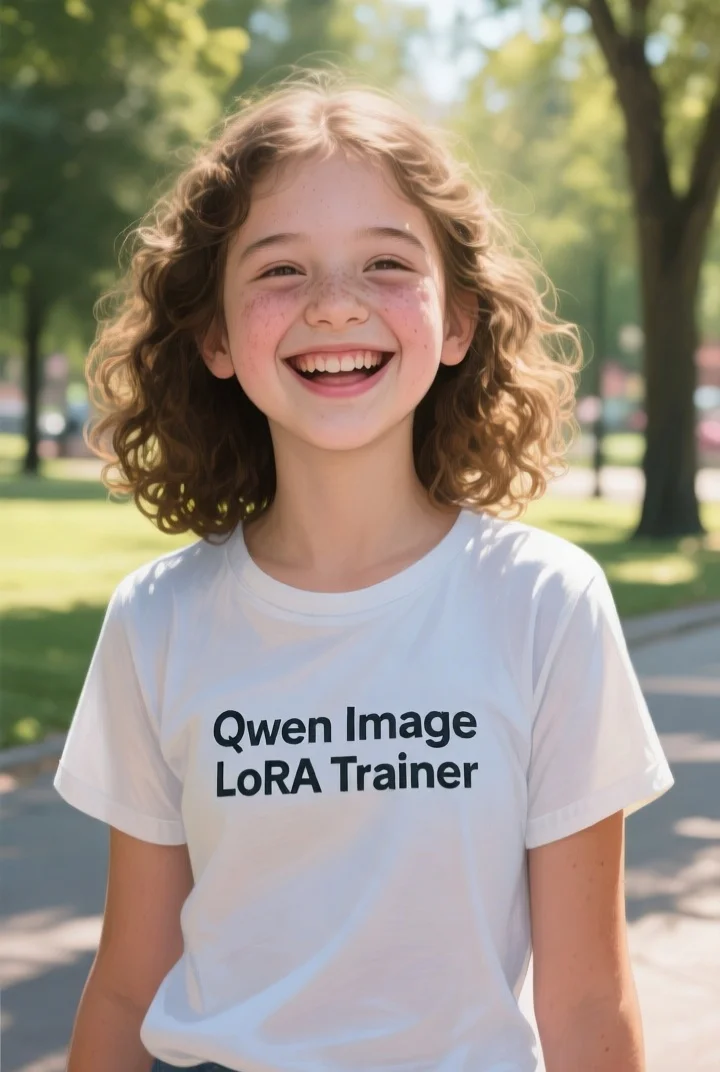
Qwen Image 2.0 is advanced text-to-image model that generates high-quality images from detailed text descriptions. With exceptional prompt following, flexible aspect ratios, and custom resolution support, it excels at rendering complex scenes with fine details like hair, accessories, and textures.
Why Choose This?
-
Strong prompt adherence Excels at following detailed, complex prompts with multiple elements and attributes.
-
Fine detail rendering Excellent at rendering intricate details like hair textures, jewelry, and clothing accessories.
-
Flexible aspect ratios Multiple presets including 1:1, 16:9, 9:16, 4:3, 3:4, 3:2, and 2:3.
-
Custom resolution Adjustable width and height from 256 to 2048 pixels.
-
Prompt Enhancer Built-in tool to automatically improve your descriptions.
Parameters
| Parameter | Required | Description |
|---|---|---|
| prompt | Yes | Text description of the desired image |
| size | No | Aspect ratio preset: 1:1, 16:9, 9:16, 4:3, 3:4, 3:2, 2:3 |
| width | No | Custom width in pixels (range: 256–2048) |
| height | No | Custom height in pixels (range: 256–2048) |
| seed | No | Random seed for reproducibility (-1 for random) |
How to Use
- Write your prompt — describe the image in detail, including specific attributes, styles, and elements.
- Choose size — select a preset aspect ratio or customize width/height.
- Use Prompt Enhancer (optional) — click to automatically refine your description.
- Set seed (optional) — for reproducible results.
- Run — submit and download your generated image.
Pricing
| Output | Cost |
|---|---|
| Per image | $0.03 |
Best Use Cases
- Detailed Character Art — Generate characters with specific attributes like hair styles, clothing, and accessories.
- Portrait Photography — Create photorealistic portraits with fine details.
- Fashion & Style — Visualize outfits, hairstyles, and jewelry with precision.
- Concept Art — Render complex scenes with multiple elements.
- Cultural & Artistic — Generate images with specific cultural elements and decorations.
Pro Tips
- Use highly detailed prompts — the model excels at following complex descriptions with multiple attributes.
- Describe specific details like "waist-length loc'd hair," "gold thread," "cowrie shells," or "blue beads" for precise rendering.
- Include motion and pose descriptions for dynamic images (e.g., "caught mid-spin in a dance").
- Match aspect ratio to your content: 1:1 for portraits, 16:9 for landscapes, 9:16 for full-body shots.
- Use the same seed to reproduce or iterate on specific results.
Notes
- Prompt is the only required field.
- Resolution range: 256–2048 pixels for both width and height.
- Default size is 1:1.
- Ensure your prompts comply with content guidelines.
Related Models
- Qwen Image 2.0 Pro Text-to-Image — Pro tier with enhanced quality.
- Qwen Image Edit Plus — Image editing with text instructions.
- Seedream V5.0 Lite — lightweight text-to-image model.
Qwen Image 2.0 Text To Image API — Quick start
Grab a WaveSpeedAI API key, then call POST https://api.wavespeed.ai/api/v3/wavespeed-ai/qwen-image-2.0/text-to-image with your input as JSON. The endpoint returns a prediction id. Start polling the result endpoint around every 2 seconds, increase the interval for long-running tasks, and stop on any terminal status. On completed, read output values from data.outputs. Examples for Qwen Image 2.0 Text To Image below.
HTTP example
set -euo pipefail

: "${WAVESPEED_API_KEY:?Set WAVESPEED_API_KEY}"

REQUEST_BODY=$(cat <<'JSON'
{
    "prompt": "A cinematic shot of a city at sunset, soft golden light",
    "size": "1024*1024"
}
JSON
)

# 1. Submit the prediction.
SUBMIT_RESPONSE=$(curl --silent --show-error --fail-with-body \
  -X POST "https://api.wavespeed.ai/api/v3/wavespeed-ai/qwen-image-2.0/text-to-image" \
  -H "Content-Type: application/json" \
  -H "Authorization: Bearer $WAVESPEED_API_KEY" \
  -d "$REQUEST_BODY")

TASK=$(printf '%s' "$SUBMIT_RESPONSE" | jq 'if has("data") then .data else . end')
PREDICTION_ID=$(printf '%s' "$TASK" | jq -r '.id')
if [ -z "$PREDICTION_ID" ] || [ "$PREDICTION_ID" = "null" ]; then
  printf 'Submission response did not contain a prediction id
' >&2
  exit 1
fi
RESULT_URL="https://api.wavespeed.ai/api/v3/predictions/$PREDICTION_ID/result"

# 2. Poll until the prediction finishes.
while true; do
  RESPONSE=$(curl --silent --show-error --fail-with-body "$RESULT_URL" \
    -H "Authorization: Bearer $WAVESPEED_API_KEY")
  RESULT=$(printf '%s' "$RESPONSE" | jq 'if has("data") then .data else . end')
  STATUS=$(printf '%s' "$RESULT" | jq -r '.status')
  case "$STATUS" in
    completed) printf '%s\n' "$RESULT" | jq '.outputs'; break ;;
    failed|cancelled|timeout|deleted) printf '%s\n' "$RESULT" | jq . >&2; exit 1 ;;
    *) sleep 2 ;;
  esac
done
Node.js example
const submitUrl = "https://api.wavespeed.ai/api/v3/wavespeed-ai/qwen-image-2.0/text-to-image";
const apiKey = process.env.WAVESPEED_API_KEY;
if (!apiKey) throw new Error('Set WAVESPEED_API_KEY');

async function requestJson(url, options = {}) {
  const response = await fetch(url, options);
  if (!response.ok) throw new Error(await response.text());
  return response.json();
}

// 1. Submit the prediction.
const body = await requestJson(submitUrl, {
  method: "POST",
  headers: {
    "Authorization": `Bearer ${apiKey}`,
    "Content-Type": "application/json",
  },
  body: JSON.stringify({
        "prompt": "A cinematic shot of a city at sunset, soft golden light",
        "size": "1024*1024"
}),
});
const task = body.data ?? body;
if (!task.id) throw new Error("Submission response did not contain a prediction id");
const resultUrl = `https://api.wavespeed.ai/api/v3/predictions/${task.id}/result`;

// 2. Poll until the prediction finishes.
while (true) {
  const resultBody = await requestJson(resultUrl, {
    headers: { "Authorization": `Bearer ${apiKey}` },
  });
  const result = resultBody.data ?? resultBody;
  if (result.status === "completed") {
    console.log(result.outputs);
    break;
  }
  if (["failed", "cancelled", "timeout", "deleted"].includes(result.status)) throw new Error(JSON.stringify(result));
  await new Promise(resolve => setTimeout(resolve, 2000));
}
Python example
import json
import os
import time
from urllib.request import Request, urlopen

api_key = os.environ["WAVESPEED_API_KEY"]
headers = {"Authorization": f"Bearer {api_key}", "Content-Type": "application/json"}
payload = {
    "prompt": "A cinematic shot of a city at sunset, soft golden light",
    "size": "1024*1024"
}

def request_json(url, data=None):
    request = Request(url, data=data, headers=headers, method="POST" if data else "GET")
    with urlopen(request) as response:
        return json.load(response)

# 1. Submit the prediction.
body = request_json("https://api.wavespeed.ai/api/v3/wavespeed-ai/qwen-image-2.0/text-to-image", json.dumps(payload).encode())
task = body.get("data", body)
if not task.get("id"):
    raise RuntimeError("Submission response did not contain a prediction id")
result_url = f"https://api.wavespeed.ai/api/v3/predictions/{task['id']}/result"

# 2. Poll until the prediction finishes.
while True:
    result_body = request_json(result_url)
    result = result_body.get("data", result_body)
    status = result.get("status")
    if status == "completed":
        print(result.get("outputs", []))
        break
    if status in {"failed", "cancelled", "timeout", "deleted"}:
        raise RuntimeError(result)
    time.sleep(2)
Qwen Image 2.0 Text To Image API — Frequently asked questions
What is the Qwen Image 2.0 Text To Image API?
Qwen Image 2.0 Text To Image is a WaveSpeedAI model for image generation, exposed as a REST API on WaveSpeedAI. Qwen Image 2.0 is an advanced text-to-image model with enhanced image quality and improved prompt understanding. Up to 2k. Ready-to-use REST inference API, best performance, no coldstarts, affordable pricing. You can call it programmatically or try it from the playground above.
How do I call the Qwen Image 2.0 Text To Image API?
POST your input parameters to the model's REST endpoint (shown in the API tab of this playground) with your WaveSpeedAI API key in the Authorization header. Submission returns a prediction ID. Poll the result endpoint starting around every 2 seconds, increase the interval for long-running tasks, and stop on any terminal status. The playground generates Python, JavaScript, and cURL examples for submitting requests and polling results. Full request/response shape is documented at https://wavespeed.ai/docs/docs-api/wavespeed-ai/qwen-image-2.0-text-to-image.
How much does Qwen Image 2.0 Text To Image cost per run?
Qwen Image 2.0 Text To Image starts at $0.03 per run. That figure is the base price — the final charge scales with the parameters you set in the form (output size, length, count, references, or whatever knobs this model exposes), so a higher-quality or larger output costs more than a minimal one. The exact cost for your current input is shown live next to the Generate button before you submit, and the actual per-call charge is recorded on the prediction afterwards.
What inputs does Qwen Image 2.0 Text To Image accept?
Key inputs: `prompt`, `size`, `seed`. The full JSON schema (types, defaults, allowed values) is rendered above the Generate button and mirrored in the API reference at https://wavespeed.ai/docs/docs-api/wavespeed-ai/qwen-image-2.0-text-to-image.
How long does Qwen Image 2.0 Text To Image take to generate?
Reported generation time on WaveSpeedAI is around 7 seconds per request. This is an estimate, not a latency guarantee; queue time and input settings can change the total wait. live status is visible in the prediction record.
Can I use Qwen Image 2.0 Text To Image outputs commercially?
Commercial usage rights depend on the model's license, set by its provider (WaveSpeedAI). Check the provider's applicable terms and WaveSpeedAI's Terms of Service before commercial use.