Kling Omni Video O3 (Standard) Image-to-Video transforms static images into dynamic cinematic videos using MVL (Multi-modal Visual Language) technology. Maintains subject consistency while adding natural motion, physics simulation, and seamless scene dynamics. Supports audio generation. Ready-to-use REST API, best performance, no coldstarts, affordable pricing.
Bezczynny
$0.42za uruchomienie·~23 / $10
PrzykładyZobacz wszystkie
The astronaut sits in the spacecraft cockpit, slowly turning his head to gaze out the window. The control panel lights blink and flicker with colorful indicators. Subtle vibrations run through the cabin as the spacecraft moves through space. Light from outside the window shifts gradually across his visor and suit, creating moving reflections. His gloved hands adjust slightly on the controls. The helmet visor catches a faint reflection of stars passing by. Cinematic, sci-fi atmosphere, realistic lighting
Powiązane modele
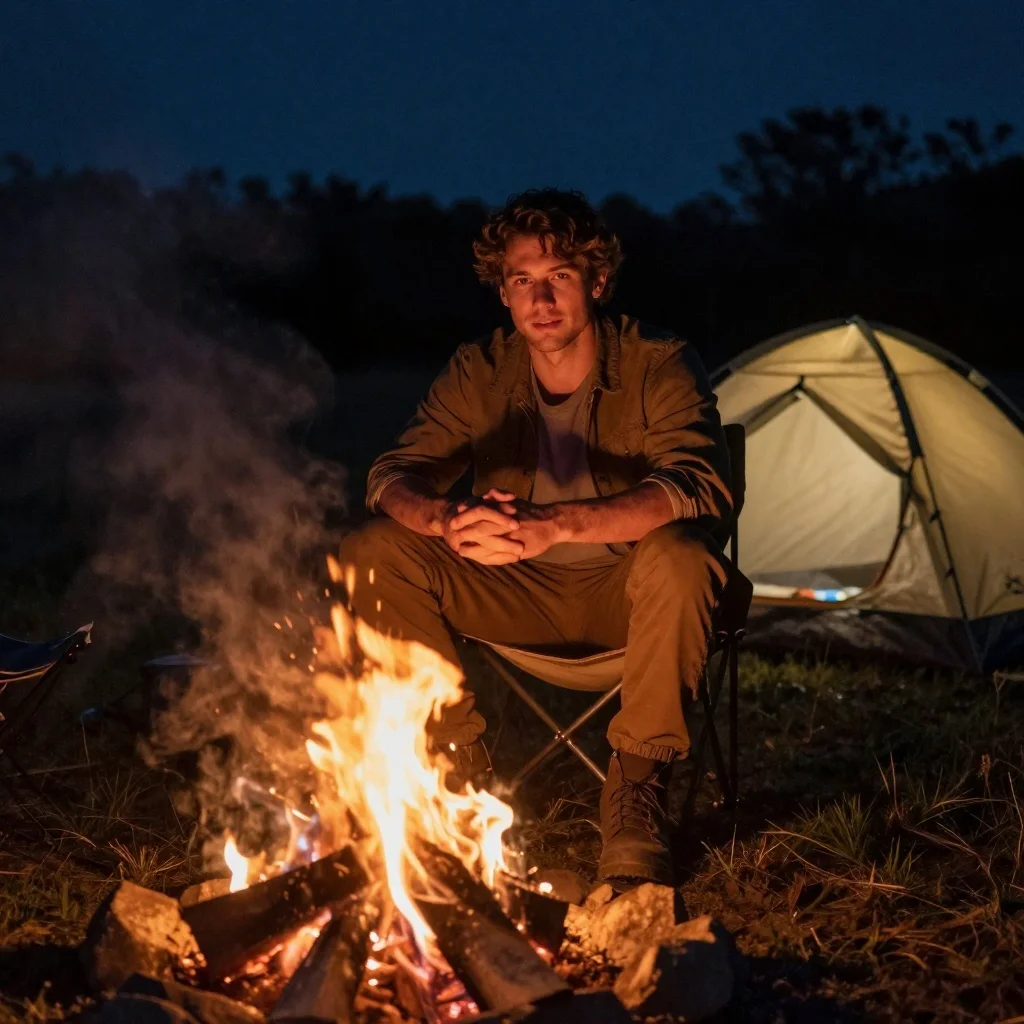
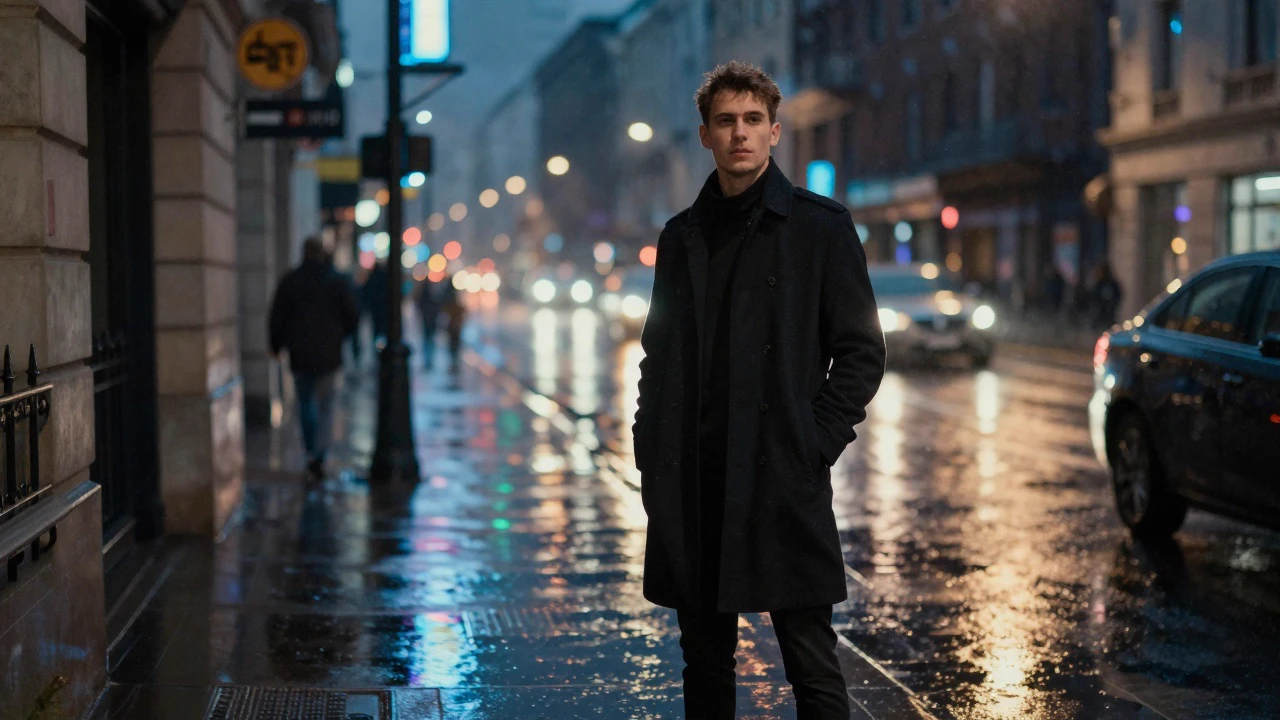
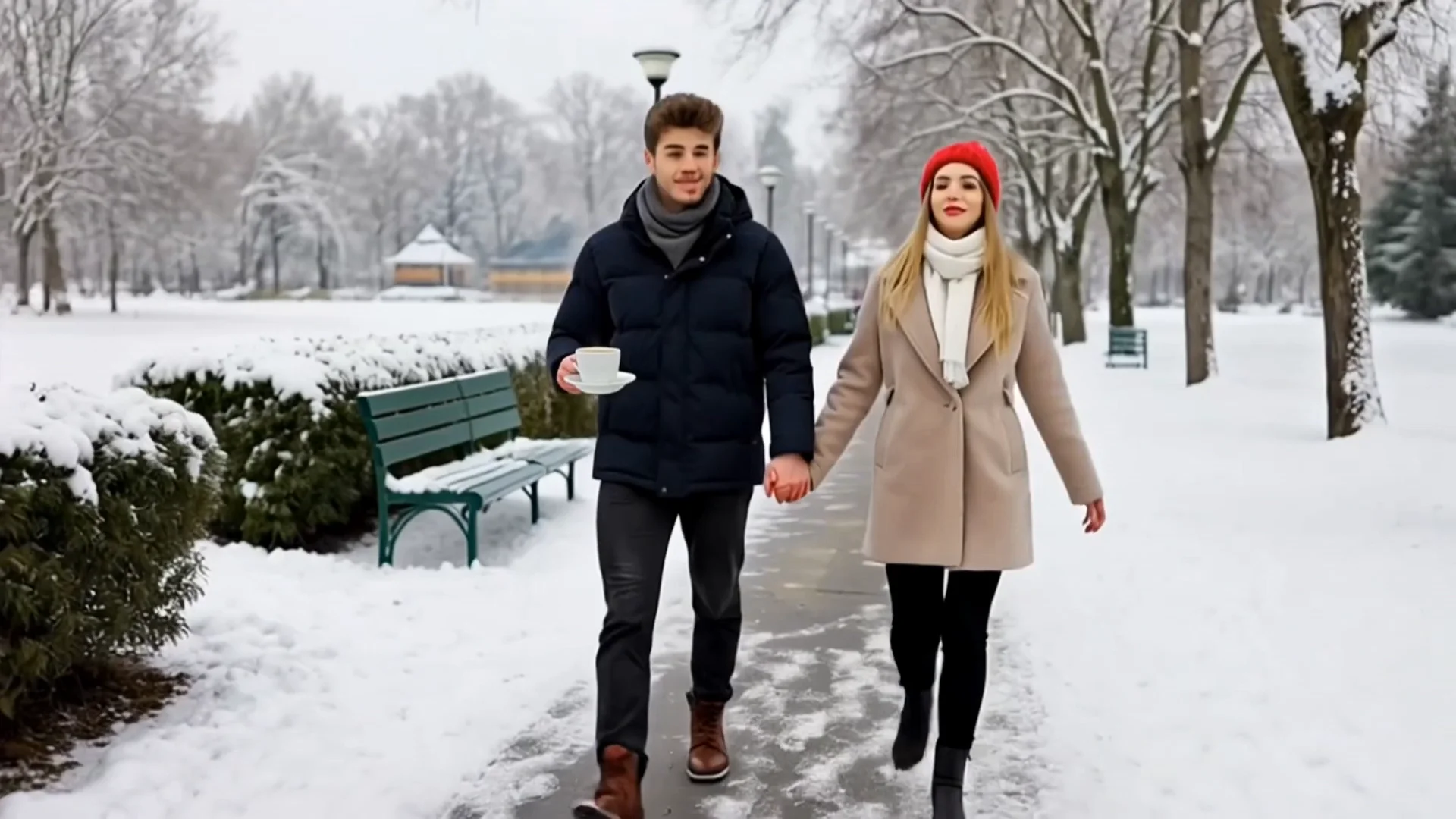
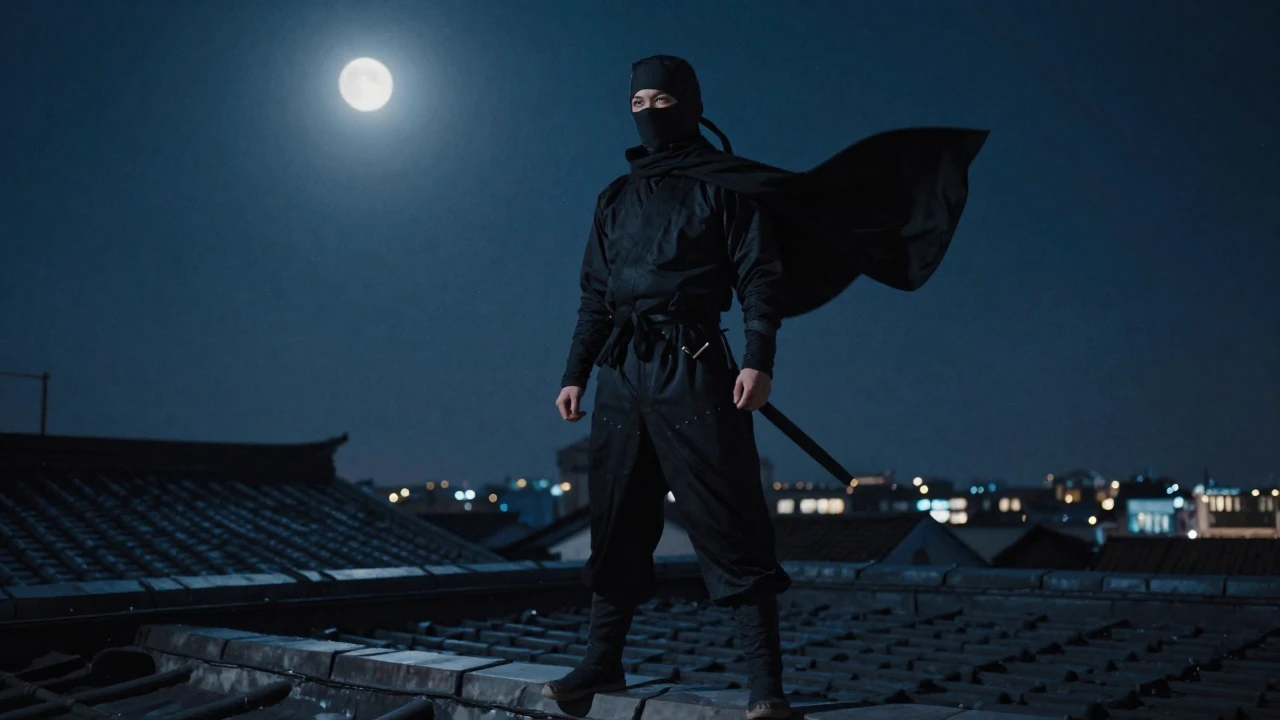
README
Kling Video O3 Std Image-to-Video
Kling Video O3 Standard is Kuaishou's cost-efficient image-to-video model in the O3 generation, balancing strong visual quality with affordable pricing. Upload a reference image and describe the scene — the model generates smooth, natural video with optional start-to-end frame guidance and synchronized sound. Supports flexible duration from 3 to 15 seconds.
Why Choose This?
-
O3 generation quality at Standard pricing High-quality motion and visuals from the latest O3 architecture at a fraction of Pro cost.
-
Flexible duration Generate videos from 3 to 15 seconds to match your scene needs.
-
Start-end frame guidance Optional end image for controlled transitions between two frames.
-
Sound generation Optional synchronized sound effects generated alongside the video.
-
Multi-prompt support Chain multiple prompt segments to guide scene transitions and narrative flow within a single generation.
-
Prompt Enhancer Built-in tool to automatically improve your motion descriptions for better results.
Parameters
| Parameter | Required | Description |
|---|---|---|
| image | Yes | Start frame image to animate (URL or upload). |
| prompt | No | Text description of the desired motion, camera movement, and action. |
| end_image | No | End frame image for guided transitions. |
| duration | No | Video length in seconds. Range: 3–15. Default: 5. |
| sound | No | Generate synchronized sound alongside the video. Default: disabled. |
| shot_type | No | Editing mode: intelligence or customize. |
| multi_prompt | No | Additional prompt segments to guide scene transitions and progressions. |
How to Use
- Upload your image — provide the reference image to animate.
- Write your prompt — describe the motion, camera movement, and action. Use the Prompt Enhancer for better results.
- Upload end image (optional) — provide an end frame for guided transitions.
- Set duration — choose any length from 3 to 15 seconds.
- Enable sound (optional) — generate synchronized audio alongside the video.
- Select shot_type (optional) — use intelligence for automatic scope, or customize for manual control.
- Add multi-prompt segments (optional) — click Add Item to guide scene transitions.
- Run — submit and download your video.
Pricing
| Duration | Without Sound | With Sound |
|---|---|---|
| 3s | $0.252 | $0.336 |
| 5s | $0.420 | $0.560 |
| 10s | $0.840 | $1.120 |
| 15s | $1.260 | $1.680 |
Billing Rules
- Base rate: $0.42 per 5 seconds ($0.084 per second)
- Sound surcharge: +33% when sound is enabled
- Duration range: 3–15 seconds
Best Use Cases
- Content Creation — Animate product shots, portraits, or concept art into engaging video clips.
- Social Media — Produce short-form animated content at scale without breaking the budget.
- Scene Transitions — Use start and end frames for smooth cinematic transitions.
- Prototyping — Quickly test visual ideas before committing to Pro-tier production.
- E-commerce — Bring product images to life with motion and environmental audio.
Pro Tips
- Use detailed, cinematic prompts — include lighting, camera angles, and motion descriptions.
- Add an end_image for controlled transitions between two visual states.
- Enable sound for environmental audio like rain, city ambience, or mechanical effects.
- Use shorter durations (3–5s) for rapid iteration, longer (10–15s) for final output.
- Use multi_prompt to build smooth narrative progressions across the clip.
Notes
customizeis the defaultshot_type.- In
customizemode, usemulti_promptto define each shot manually. - When
customizeis used withmulti_prompt, the top-levelpromptis not used for storyboard generation. intelligenceautomatically creates the storyboard from the top-levelprompt, sopromptmust not be empty.multi_promptis ignored whenshot_typeis set tointelligence.
Related Models
- Kling Video O3 Pro Image-to-Video — Maximum visual quality with O3 Pro tier.
- Kling Video O3 Std Text-to-Video — Standard tier text-to-video generation.
- Kling Video O3 Pro Video Edit — Edit existing videos with natural-language instructions.
- Kling Video O3 Pro Reference-to-Video — Create videos guided by reference images for consistent character and style.
Kling Video O3 Std Image To Video API — Quick start
Grab a WaveSpeedAI API key, then call POST https://api.wavespeed.ai/api/v3/kwaivgi/kling-video-o3-std/image-to-video with your input as JSON. The endpoint returns a prediction id. Start polling the result endpoint around every 2 seconds, increase the interval for long-running tasks, and stop on any terminal status. On completed, read output values from data.outputs. Examples for Kling Video O3 Std Image To Video below.
HTTP example
set -euo pipefail

: "${WAVESPEED_API_KEY:?Set WAVESPEED_API_KEY}"

REQUEST_BODY=$(cat <<'JSON'
{
    "image": "https://interactive-examples.mdn.mozilla.net/media/cc0-images/painted-hand-298-332.jpg",
    "duration": 5,
    "sound": false,
    "shot_type": "customize"
}
JSON
)

# 1. Submit the prediction.
SUBMIT_RESPONSE=$(curl --silent --show-error --fail-with-body \
  -X POST "https://api.wavespeed.ai/api/v3/kwaivgi/kling-video-o3-std/image-to-video" \
  -H "Content-Type: application/json" \
  -H "Authorization: Bearer $WAVESPEED_API_KEY" \
  -d "$REQUEST_BODY")

TASK=$(printf '%s' "$SUBMIT_RESPONSE" | jq 'if has("data") then .data else . end')
PREDICTION_ID=$(printf '%s' "$TASK" | jq -r '.id')
if [ -z "$PREDICTION_ID" ] || [ "$PREDICTION_ID" = "null" ]; then
  printf 'Submission response did not contain a prediction id
' >&2
  exit 1
fi
RESULT_URL="https://api.wavespeed.ai/api/v3/predictions/$PREDICTION_ID/result"

# 2. Poll until the prediction finishes.
while true; do
  RESPONSE=$(curl --silent --show-error --fail-with-body "$RESULT_URL" \
    -H "Authorization: Bearer $WAVESPEED_API_KEY")
  RESULT=$(printf '%s' "$RESPONSE" | jq 'if has("data") then .data else . end')
  STATUS=$(printf '%s' "$RESULT" | jq -r '.status')
  case "$STATUS" in
    completed) printf '%s\n' "$RESULT" | jq '.outputs'; break ;;
    failed|cancelled|timeout|deleted) printf '%s\n' "$RESULT" | jq . >&2; exit 1 ;;
    *) sleep 2 ;;
  esac
done
Node.js example
const submitUrl = "https://api.wavespeed.ai/api/v3/kwaivgi/kling-video-o3-std/image-to-video";
const apiKey = process.env.WAVESPEED_API_KEY;
if (!apiKey) throw new Error('Set WAVESPEED_API_KEY');

async function requestJson(url, options = {}) {
  const response = await fetch(url, options);
  if (!response.ok) throw new Error(await response.text());
  return response.json();
}

// 1. Submit the prediction.
const body = await requestJson(submitUrl, {
  method: "POST",
  headers: {
    "Authorization": `Bearer ${apiKey}`,
    "Content-Type": "application/json",
  },
  body: JSON.stringify({
        "image": "https://interactive-examples.mdn.mozilla.net/media/cc0-images/painted-hand-298-332.jpg",
        "duration": 5,
        "sound": false,
        "shot_type": "customize"
}),
});
const task = body.data ?? body;
if (!task.id) throw new Error("Submission response did not contain a prediction id");
const resultUrl = `https://api.wavespeed.ai/api/v3/predictions/${task.id}/result`;

// 2. Poll until the prediction finishes.
while (true) {
  const resultBody = await requestJson(resultUrl, {
    headers: { "Authorization": `Bearer ${apiKey}` },
  });
  const result = resultBody.data ?? resultBody;
  if (result.status === "completed") {
    console.log(result.outputs);
    break;
  }
  if (["failed", "cancelled", "timeout", "deleted"].includes(result.status)) throw new Error(JSON.stringify(result));
  await new Promise(resolve => setTimeout(resolve, 2000));
}
Python example
import json
import os
import time
from urllib.request import Request, urlopen

api_key = os.environ["WAVESPEED_API_KEY"]
headers = {"Authorization": f"Bearer {api_key}", "Content-Type": "application/json"}
payload = {
    "image": "https://interactive-examples.mdn.mozilla.net/media/cc0-images/painted-hand-298-332.jpg",
    "duration": 5,
    "sound": False,
    "shot_type": "customize"
}

def request_json(url, data=None):
    request = Request(url, data=data, headers=headers, method="POST" if data else "GET")
    with urlopen(request) as response:
        return json.load(response)

# 1. Submit the prediction.
body = request_json("https://api.wavespeed.ai/api/v3/kwaivgi/kling-video-o3-std/image-to-video", json.dumps(payload).encode())
task = body.get("data", body)
if not task.get("id"):
    raise RuntimeError("Submission response did not contain a prediction id")
result_url = f"https://api.wavespeed.ai/api/v3/predictions/{task['id']}/result"

# 2. Poll until the prediction finishes.
while True:
    result_body = request_json(result_url)
    result = result_body.get("data", result_body)
    status = result.get("status")
    if status == "completed":
        print(result.get("outputs", []))
        break
    if status in {"failed", "cancelled", "timeout", "deleted"}:
        raise RuntimeError(result)
    time.sleep(2)
Kling Video O3 Std Image To Video API — Frequently asked questions
What is the Kling Video O3 Std Image To Video API?
Kling Video O3 Std Image To Video is a Kuaishou model for video generation from images, exposed as a REST API on WaveSpeedAI. Kling Omni Video O3 (Standard) Image-to-Video transforms static images into dynamic cinematic videos using MVL (Multi-modal Visual Language) technology. Maintains subject consistency while adding natural motion, physics simulation, and seamless scene dynamics. Supports audio generation. Ready-to-use REST API, best performance, no coldstarts, affordable pricing. You can call it programmatically or try it from the playground above.
How do I call the Kling Video O3 Std Image To Video API?
POST your input parameters to the model's REST endpoint (shown in the API tab of this playground) with your WaveSpeedAI API key in the Authorization header. Submission returns a prediction ID. Poll the result endpoint starting around every 2 seconds, increase the interval for long-running tasks, and stop on any terminal status. The playground generates Python, JavaScript, and cURL examples for submitting requests and polling results. Full request/response shape is documented at https://wavespeed.ai/docs/docs-api/kwaivgi/kwaivgi-kling-video-o3-std-image-to-video.
How much does Kling Video O3 Std Image To Video cost per run?
Kling Video O3 Std Image To Video starts at $0.42 per run. That figure is the base price — the final charge scales with the parameters you set in the form (output size, length, count, references, or whatever knobs this model exposes), so a higher-quality or larger output costs more than a minimal one. The exact cost for your current input is shown live next to the Generate button before you submit, and the actual per-call charge is recorded on the prediction afterwards.
What inputs does Kling Video O3 Std Image To Video accept?
Key inputs: `prompt`, `image`, `duration`, `end_image`, `multi_prompt`, `shot_type`. The full JSON schema (types, defaults, allowed values) is rendered above the Generate button and mirrored in the API reference at https://wavespeed.ai/docs/docs-api/kwaivgi/kwaivgi-kling-video-o3-std-image-to-video.
How long does Kling Video O3 Std Image To Video take to generate?
Reported generation time on WaveSpeedAI is around 69 seconds per request. This is an estimate, not a latency guarantee; queue time and input settings can change the total wait. live status is visible in the prediction record.
Can I use Kling Video O3 Std Image To Video outputs commercially?
Commercial usage rights depend on the model's license, set by its provider (Kuaishou). Check the provider's applicable terms and WaveSpeedAI's Terms of Service before commercial use.