Seedance 2.5 (Image-to-Video Turbo) generates cinematic 720p/1080p videos from reference images —a faster, more affordable high-resolution tier with native audio-visual synchronization, director-level control, and exceptional motion stability.
Idle
$0.9per run·~11 / $10
ExamplesView all
A Hollywood blockbuster monster movie scene in a vast desert wasteland, ultra realistic IMAX cinematography, photorealistic VFX, realistic physics, cinematic destruction. 0-2 seconds: The camera starts extremely low above an abandoned desert highway, almost touching the asphalt. The camera rushes forward at extreme speed along the cracked road, like a high-speed FPV drone shot. Dust, sand particles and small rocks fly past the lens. Broken vehicles and damaged road signs blur on both sides. The camera never slows down. Ultra low angle, intense speed, realistic motion blur, anamorphic cinema lens. 2-4 seconds: Suddenly, the highway violently explodes from underneath. The moment of destruction switches into extreme slow motion. The asphalt breaks apart and huge concrete fragments, metal pieces, rocks and sand fly directly toward the camera. Debris rotates slowly in the air, dust particles float around the lens, and the shockwave pushes sand across the desert. The camera shakes from the impact. Cinematic speed ramp, bullet time explosion, 120fps slow motion, realistic destruction effects. 4-5 seconds: The slow motion instantly returns to normal speed. A gigantic prehistoric desert leviathan bursts out from beneath the broken highway with unstoppable force. It tears through the asphalt, throwing massive chunks of rock and sand into the air. The camera stays at a low angle and pushes closer toward the creature as it turns toward the lens. The final frame is an intense face-to-face monster reveal. Creature design: A realistic prehistoric desert leviathan, massive muscular body, rough armored skin, natural scales, huge horns, sand-covered textures, believable weight and movement. Not fantasy, not magical, no glowing effects.
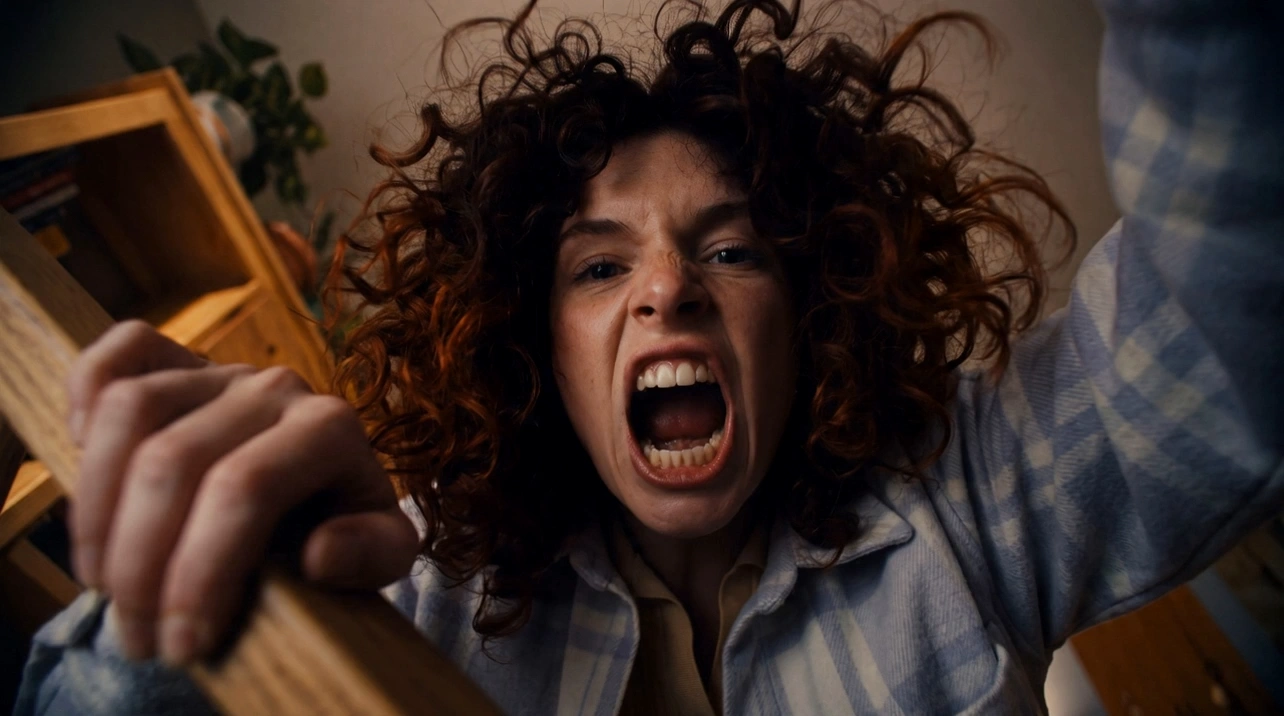
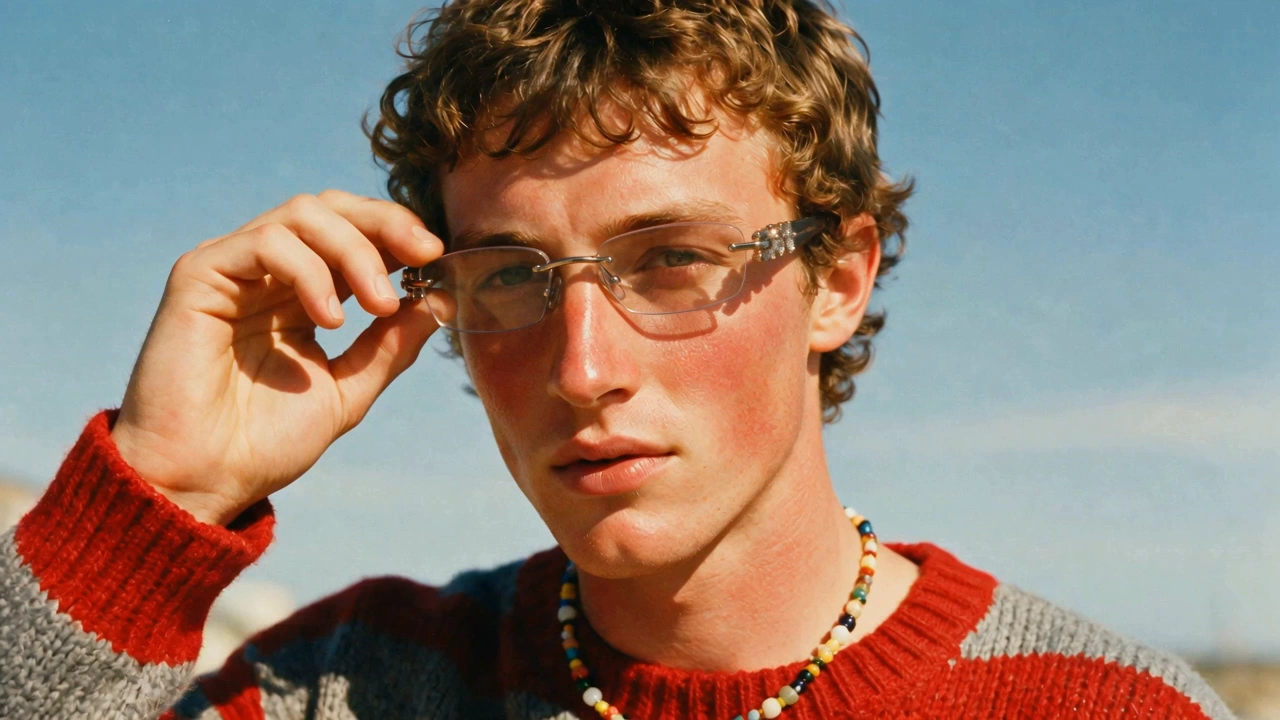
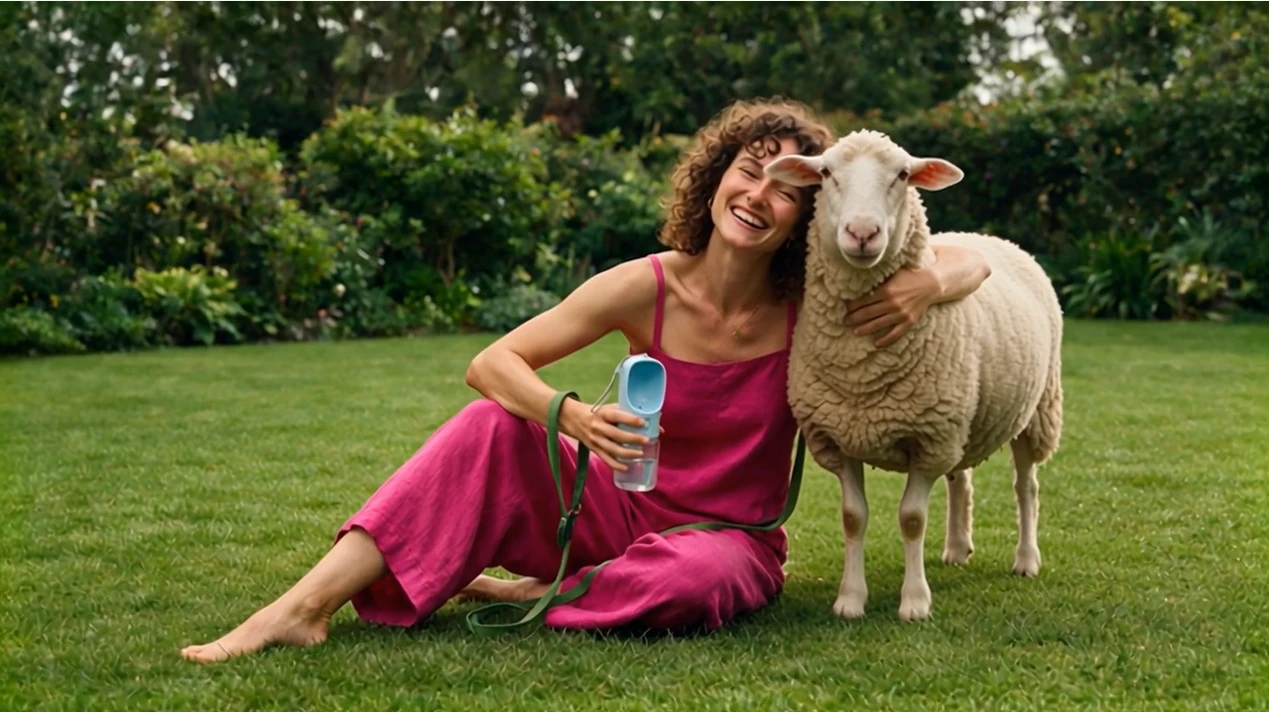
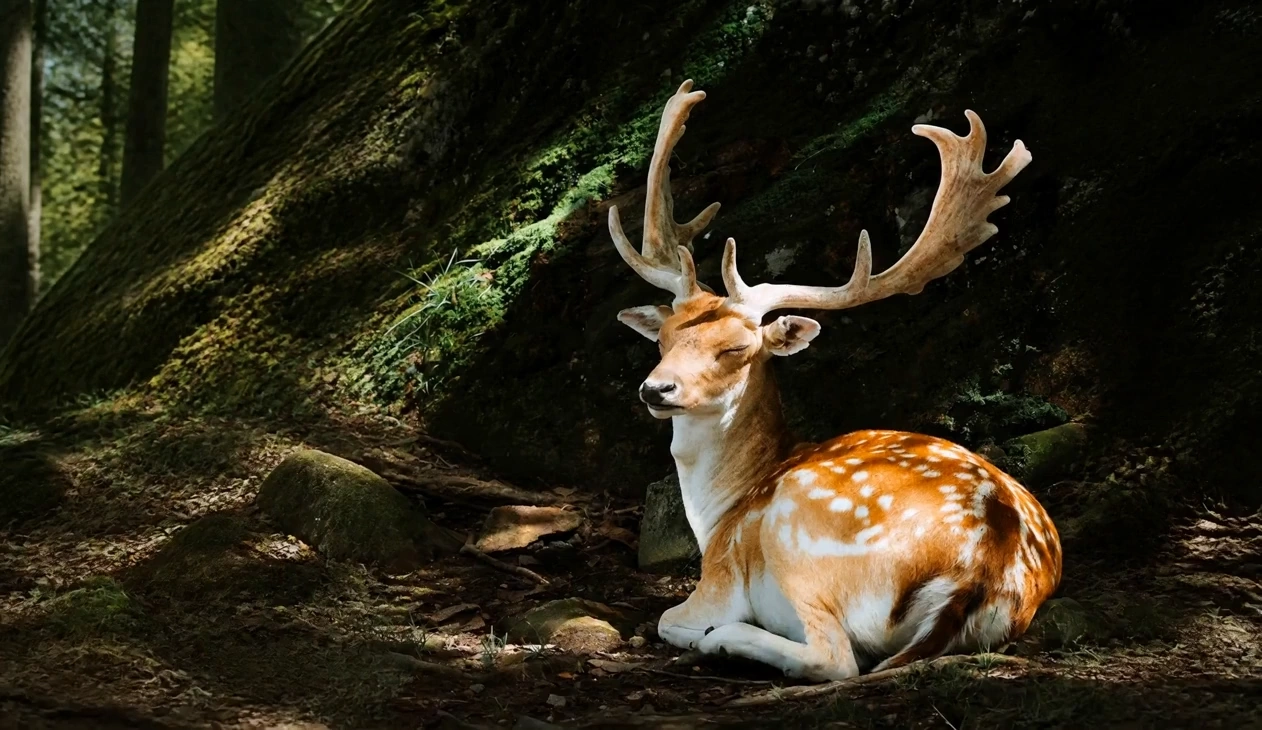
Related Models

README
Seedance 2.5 Image-to-Video Turbo
Seedance 2.5 Image-to-Video Turbo generates high-resolution cinematic videos from reference images with turbo generation. Upload a start image, describe the motion and scene, optionally provide a last-frame image, and generate 720p or 1080p video with synchronized audio.
Why Choose This?
-
Turbo image-to-video generation
Generate high-resolution videos with faster turbo delivery. -
Image-faithful generation
Preserve the reference image's subject identity, composition, lighting, and style while adding motion. -
Optional last-frame guidance
Uselast_imageto guide the final frame or video continuation direction. -
Native audio generation
Generate synchronized audio together with the output video. -
Director-style prompt control
Control camera movement, lighting, atmosphere, character performance, and scene progression through prompts. -
720p and 1080p output
Choose720pfor lower-cost generation or1080pfor higher-resolution output.
Parameters
| Parameter | Required | Description |
|---|---|---|
| prompt | Yes | Detailed description of the cinematic scene, motion, camera behavior, lighting, and mood. |
| image | Yes | Start image URL to guide the video generation. |
| last_image | No | Last-frame image URL for video continuation or ending-frame guidance. |
| duration | No | Video length in seconds. Range: 4–30. Default: 5. |
| resolution | No | Output resolution: 720p or 1080p. Default: 720p. |
| generate_audio | No | Generate synchronized audio for the output video. Default: true. |
The output aspect ratio follows the input image automatically.
How to Use
- Upload the start image — Provide the image that should guide the first frame, subject, composition, and style.
- Write your prompt — Describe the motion, camera movement, lighting, mood, and scene development.
- Add last image optional — Use
last_imagewhen you want to guide the final frame or ending direction. - Choose resolution — Select
720pfor lower-cost generation or1080pfor higher-resolution output. - Set duration — Choose a video length from
4to30seconds. - Configure audio optional — Keep
generate_audioenabled when synchronized audio is needed. - Submit — Generate the final image-to-video output.
Writing Effective Prompts
The input image sets the first frame — your prompt directs what happens from there. The clearer the motion and camera direction, the better the result.
1. Start from the frame
Describe the action that begins from your image: what the subject does, where it goes, how the camera moves. Don't re-describe what's already visible in the image — build on it.
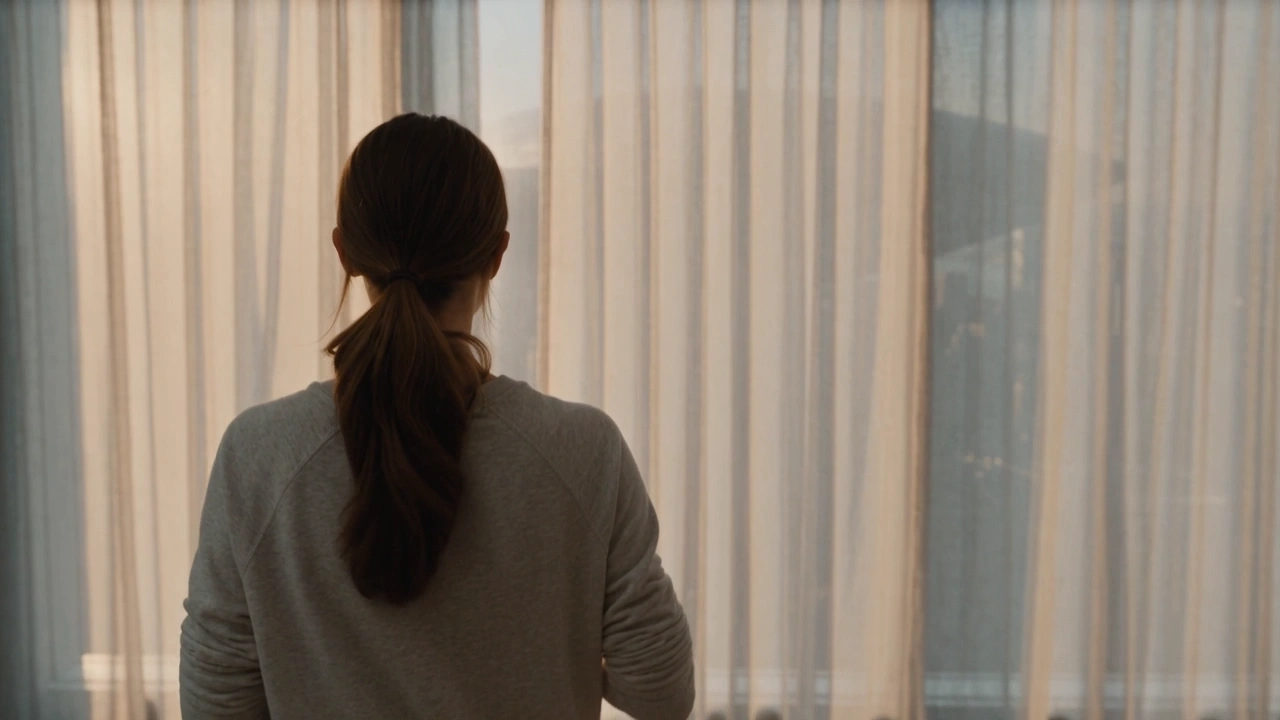
The woman in the photo turns from the window and walks toward the camera; slow push-in, warm interior light.
2. Shot-by-shot timeline
For longer clips, break the motion into timed segments (1-second granularity), continuous, no gaps.
0-2s: She turns from the window, a faint smile forming. Camera holds. 2-5s: She walks toward the lens and stops mid-frame; slow push-in, shallow focus. 5-8s: She glances off-screen as light shifts from warm to cool. Handheld drift.
3. Consistency notes
Lock the look for the whole clip: camera style, lighting, palette, atmosphere, audio.
Camera language
Write these directly; the model understands them:
- Shot size — extreme wide, wide, medium, medium close-up, close-up
- Movement — push in, pull out, pan, track, follow, orbit, tilt up, handheld shake
- Angle — low angle, overhead, eye-level, first-person
- Techniques — one-shot / long take, dolly zoom, bullet time, speed ramp
For a niche term, add a plain-language gloss: "rack focus: the sharp foreground softens as the background comes into focus."
Referencing uploaded assets
When you attach images, videos, or audio, bind each one explicitly in the prompt by its upload order — @image1, @video1, @audio1 — and say what it's for. Don't rely on labels drawn inside the image itself.
- "The knight in @image1 walks through the castle in @image2."
- "Refer to @video1 for the camera movement only; keep its shot order."
- "@image1 and @image2 are Character 1, voiced by @audio1."
When a reference is already accurate, just point to it — no need to re-describe it in detail.
Negative control
Positive descriptions work best, but you can suppress subtitles and audio:
- "No subtitles."
- "No BGM — ambient and action sounds only."
- "No audio."
Weak vs. strong
| prompt | |
|---|---|
| weak | make it move |
| strong | The parked car in the image pulls out and drives down the wet street. 0-3s: headlights flick on, the car eases forward, reflections rippling on the asphalt. 3-6s: it accelerates past the camera, which pans to follow. Low angle, neon reflections, light rain, cinematic night mood. Engine and rain sounds, no music. |
Pricing
Pricing is based on selected resolution and duration.
| Resolution | Duration | Cost |
|---|---|---|
| 720p | 5s | $1.00 |
| 720p | 10s | $2.00 |
| 720p | 15s | $3.00 |
| 720p | 30s | $6.00 |
| 1080p | 5s | $1.10 |
| 1080p | 10s | $2.20 |
| 1080p | 15s | $3.30 |
| 1080p | 30s | $6.60 |
Best Use Cases
- Turbo HD video generation — Generate
720por1080pvideos from reference images with faster turnaround. - Product demos — Animate product shots into high-resolution showcase videos.
- Ad creatives — Create commercial-style footage for campaigns and marketing tests.
- Character animation — Bring character art or portraits to life with cinematic motion.
- Start-and-end-frame generation — Use
imageandlast_imageto guide both the beginning and ending of the video. - Social media content — Generate polished short-form videos from still images.
Pro Tips
- Use high-quality reference images for stronger subject preservation.
- Write prompts like a film director, including camera movement, lighting, action, and mood.
- Use
last_imagewhen the ending frame or final visual direction matters. - Use
720pfor lower-cost testing and1080pfor higher-resolution output. - Start with shorter durations for quick iteration, then increase the duration when the motion direction is confirmed.
- Keep the prompt focused on visible motion and scene progression.
Related Models
- Seedance 2.5 Image-to-Video — Higher-quality image-to-video generation.
- Seedance 2.5 Text-to-Video Turbo — Generate videos from text prompts with the turbo workflow.
- Seedance 2.0 Fast Image-to-Video Turbo — Speed-optimized image-to-video generation.
Seedance 2.5 Image To Video Turbo API — Quick start
Grab a WaveSpeedAI API key, then call POST https://api.wavespeed.ai/api/v3/bytedance/seedance-2.5/image-to-video-turbo with your input as JSON. The endpoint returns a prediction id. Start polling the result endpoint around every 2 seconds, increase the interval for long-running tasks, and stop on any terminal status. On completed, read output values from data.outputs. Examples for Seedance 2.5 Image To Video Turbo below.
HTTP example
set -euo pipefail

: "${WAVESPEED_API_KEY:?Set WAVESPEED_API_KEY}"

REQUEST_BODY=$(cat <<'JSON'
{
    "prompt": "A cinematic shot of a city at sunset, soft golden light",
    "image": "https://interactive-examples.mdn.mozilla.net/media/cc0-images/painted-hand-298-332.jpg",
    "resolution": "720p",
    "duration": 5,
    "generate_audio": true
}
JSON
)

# 1. Submit the prediction.
SUBMIT_RESPONSE=$(curl --silent --show-error --fail-with-body \
  -X POST "https://api.wavespeed.ai/api/v3/bytedance/seedance-2.5/image-to-video-turbo" \
  -H "Content-Type: application/json" \
  -H "Authorization: Bearer $WAVESPEED_API_KEY" \
  -d "$REQUEST_BODY")

TASK=$(printf '%s' "$SUBMIT_RESPONSE" | jq 'if has("data") then .data else . end')
PREDICTION_ID=$(printf '%s' "$TASK" | jq -r '.id')
if [ -z "$PREDICTION_ID" ] || [ "$PREDICTION_ID" = "null" ]; then
  printf 'Submission response did not contain a prediction id
' >&2
  exit 1
fi
RESULT_URL="https://api.wavespeed.ai/api/v3/predictions/$PREDICTION_ID/result"

# 2. Poll until the prediction finishes.
while true; do
  RESPONSE=$(curl --silent --show-error --fail-with-body "$RESULT_URL" \
    -H "Authorization: Bearer $WAVESPEED_API_KEY")
  RESULT=$(printf '%s' "$RESPONSE" | jq 'if has("data") then .data else . end')
  STATUS=$(printf '%s' "$RESULT" | jq -r '.status')
  case "$STATUS" in
    completed) printf '%s\n' "$RESULT" | jq '.outputs'; break ;;
    failed|cancelled|timeout|deleted) printf '%s\n' "$RESULT" | jq . >&2; exit 1 ;;
    *) sleep 2 ;;
  esac
done
Node.js example
const submitUrl = "https://api.wavespeed.ai/api/v3/bytedance/seedance-2.5/image-to-video-turbo";
const apiKey = process.env.WAVESPEED_API_KEY;
if (!apiKey) throw new Error('Set WAVESPEED_API_KEY');

async function requestJson(url, options = {}) {
  const response = await fetch(url, options);
  if (!response.ok) throw new Error(await response.text());
  return response.json();
}

// 1. Submit the prediction.
const body = await requestJson(submitUrl, {
  method: "POST",
  headers: {
    "Authorization": `Bearer ${apiKey}`,
    "Content-Type": "application/json",
  },
  body: JSON.stringify({
        "prompt": "A cinematic shot of a city at sunset, soft golden light",
        "image": "https://interactive-examples.mdn.mozilla.net/media/cc0-images/painted-hand-298-332.jpg",
        "resolution": "720p",
        "duration": 5,
        "generate_audio": true
}),
});
const task = body.data ?? body;
if (!task.id) throw new Error("Submission response did not contain a prediction id");
const resultUrl = `https://api.wavespeed.ai/api/v3/predictions/${task.id}/result`;

// 2. Poll until the prediction finishes.
while (true) {
  const resultBody = await requestJson(resultUrl, {
    headers: { "Authorization": `Bearer ${apiKey}` },
  });
  const result = resultBody.data ?? resultBody;
  if (result.status === "completed") {
    console.log(result.outputs);
    break;
  }
  if (["failed", "cancelled", "timeout", "deleted"].includes(result.status)) throw new Error(JSON.stringify(result));
  await new Promise(resolve => setTimeout(resolve, 2000));
}
Python example
import json
import os
import time
from urllib.request import Request, urlopen

api_key = os.environ["WAVESPEED_API_KEY"]
headers = {"Authorization": f"Bearer {api_key}", "Content-Type": "application/json"}
payload = {
    "prompt": "A cinematic shot of a city at sunset, soft golden light",
    "image": "https://interactive-examples.mdn.mozilla.net/media/cc0-images/painted-hand-298-332.jpg",
    "resolution": "720p",
    "duration": 5,
    "generate_audio": True
}

def request_json(url, data=None):
    request = Request(url, data=data, headers=headers, method="POST" if data else "GET")
    with urlopen(request) as response:
        return json.load(response)

# 1. Submit the prediction.
body = request_json("https://api.wavespeed.ai/api/v3/bytedance/seedance-2.5/image-to-video-turbo", json.dumps(payload).encode())
task = body.get("data", body)
if not task.get("id"):
    raise RuntimeError("Submission response did not contain a prediction id")
result_url = f"https://api.wavespeed.ai/api/v3/predictions/{task['id']}/result"

# 2. Poll until the prediction finishes.
while True:
    result_body = request_json(result_url)
    result = result_body.get("data", result_body)
    status = result.get("status")
    if status == "completed":
        print(result.get("outputs", []))
        break
    if status in {"failed", "cancelled", "timeout", "deleted"}:
        raise RuntimeError(result)
    time.sleep(2)
Seedance 2.5 Image To Video Turbo API — Frequently asked questions
What is the Seedance 2.5 Image To Video Turbo API?
Seedance 2.5 Image To Video Turbo is a ByteDance model for video generation from images, exposed as a REST API on WaveSpeedAI. Seedance 2.5 (Image-to-Video Turbo) generates cinematic 720p/1080p videos from reference images —a faster, more affordable high-resolution tier with native audio-visual synchronization, director-level control, and exceptional motion stability. You can call it programmatically or try it from the playground above.
How do I call the Seedance 2.5 Image To Video Turbo API?
POST your input parameters to the model's REST endpoint (shown in the API tab of this playground) with your WaveSpeedAI API key in the Authorization header. Submission returns a prediction ID. Poll the result endpoint starting around every 2 seconds, increase the interval for long-running tasks, and stop on any terminal status. The playground generates Python, JavaScript, and cURL examples for submitting requests and polling results. Full request/response shape is documented at https://wavespeed.ai/docs/docs-api/bytedance/bytedance-seedance-2.5-image-to-video-turbo.
How much does Seedance 2.5 Image To Video Turbo cost per run?
Seedance 2.5 Image To Video Turbo starts at $0.9 per run. That figure is the base price — the final charge scales with the parameters you set in the form (output size, length, count, references, or whatever knobs this model exposes), so a higher-quality or larger output costs more than a minimal one. The exact cost for your current input is shown live next to the Generate button before you submit, and the actual per-call charge is recorded on the prediction afterwards.
What inputs does Seedance 2.5 Image To Video Turbo accept?
Key inputs: `prompt`, `image`, `resolution`, `duration`, `generate_audio`, `last_image`. The full JSON schema (types, defaults, allowed values) is rendered above the Generate button and mirrored in the API reference at https://wavespeed.ai/docs/docs-api/bytedance/bytedance-seedance-2.5-image-to-video-turbo.
How long does Seedance 2.5 Image To Video Turbo take to generate?
Reported generation time on WaveSpeedAI is around 708 seconds per request. This is an estimate, not a latency guarantee; queue time and input settings can change the total wait. live status is visible in the prediction record.
Can I use Seedance 2.5 Image To Video Turbo outputs commercially?
Commercial usage rights depend on the model's license, set by its provider (ByteDance). Check the provider's applicable terms and WaveSpeedAI's Terms of Service before commercial use.