Describe your work and the copies
Name your original work and where it is published, then list the exact URLs where it was posted without permission.
Answer a few questions about your work, the copies and who should receive the notice.
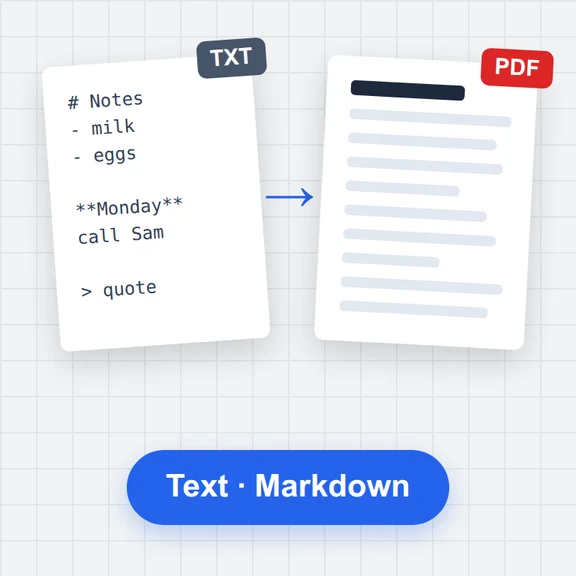
The letter is written as you type, with a checklist of the elements the law requires. Copy it or download it as a .txt or PDF.
Add your full name.
Type your name as your electronic signature.
Name or describe your original work.
Add at least one valid URL of an infringing copy.
Confirm the good-faith statement.
Confirm the accuracy statement.
Choose a valid date.
An email address is recommended: most services reply by email.
Add the name of the service you are writing to.
Items in [brackets] are still missing. Fill them in before you send the notice.
[Date]

To: Designated Copyright Agent
[Hosting provider]

Subject: DMCA Notice of Copyright Infringement

Dear Designated Agent,

I am writing to notify you of material that your service hosts and that infringes a copyright that I own. This is a notification of claimed infringement under the Digital Millennium Copyright Act, 17 U.S.C. § 512(c)(3). I request that you expeditiously remove, or disable access to, the material identified below.

1. The copyrighted work
Title: [Title of your work]

2. The infringing material and its location
The following pages contain material that infringes the work described above and that should be removed or access to which should be disabled:
- [URL of the infringing copy]

3. My contact information
Name: [Your full name]
[Address, phone number and email]

4. Statements
[Good-faith statement not confirmed]

[Accuracy statement not confirmed]

Please let me know when the material has been removed or access to it has been disabled.

Signed,

[Signature (type your full name)]
[Your full name]
Paste the text into the service's copyright form or email it to the designated agent; keep a copy and note the date. More about notices from the U.S. Copyright Office.
Name your original work and where it is published, then list the exact URLs where it was posted without permission.
Pick a website host, a platform or a search engine, add the service's name and your contact details, then confirm the two statements and sign.
When the checklist shows every element, copy the letter into the service's copyright form or email it to its designated agent, or download it as a .txt or PDF.
A notice under 17 U.S.C. § 512(c)(3)(A) needs a signature, the work, the infringing material and its location, your contact details and two statements. The checklist shows which are present.
The good-faith and accuracy statements follow the wording of the statute, and they are only added after you confirm them yourself.
Paste one URL per line. Missing https:// is added, duplicates are left out, anything that is not a web address is flagged, and the list is numbered in the letter.
Send for yourself, or as someone authorized to act for the owner, such as a manager or an agency. The letter names the owner either way.
The wording adapts to a hosting provider, a platform where a user posted your work, or a search engine asked to remove links.
The letter is made in your browser. Your name, address and links are not uploaded, and the draft stays in this browser until you clear it.
Use the URL of the page or file that shows your work, not just the site's home page, and say where on the page it appears.
US services register a DMCA agent with the U.S. Copyright Office. Check its directory or the service's copyright page for the right address.
Many platforms and search engines take notices only through an online form. Paste the parts of this letter into the matching fields.
Save a copy of the notice, the date you sent it and screenshots of the copies. They help if you need to follow up.
Under 17 U.S.C. § 512(c)(3)(A): a physical or electronic signature, identification of the copyrighted work, identification of the infringing material with enough information to locate it, your contact information, a good-faith statement, and a statement that the information is accurate and, under penalty of perjury, that you are authorized to act for the owner. The generator includes all six and shows any that are missing.
No. It is a free template that puts your answers into a standard notice. It cannot judge whether you own the rights or whether a use is allowed, such as fair use. For a dispute or a complicated case, talk to a lawyer.
To the service that hosts the copies, through its designated DMCA agent or its copyright report form. US services list their agent in the U.S. Copyright Office's DMCA Designated Agent Directory. A search engine can remove links from its results, but the copy stays online until the host removes it.
The service usually removes or disables the material and tells the person who posted it. That person can send a counter-notice, and the service may restore the material after 10 to 14 business days unless you tell it you have filed a court action.
If you knowingly misrepresent that material is infringing, you can be liable for damages under 17 U.S.C. § 512(f), and the accuracy statement is made under penalty of perjury. Send notices only for work you own or are authorized to act for.
No. The letter is assembled in your browser and nothing you type is sent to WaveSpeed AI or stored on a server. The draft is kept in this browser so you can come back to it; Clear removes it.
Free, private and complete: every required element, ready to copy or download.