Seedance 2.0 Mini Text to Video Turbo is ByteDance's faster, lower-cost text-to-video model for cinematic multi-shot videos. It generates narrative sequences from text prompts with AI camera control, consistent characters, 720P / 1080P output, 5-12s duration, and flexible aspect ratios. Ready-to-use REST inference API, best performance, no coldstarts, affordable pricing.
Idle
$0.7per run·~14 / $10
ExamplesView all
A lone foreign woman standing beside an old car at a deserted gas station in the middle of the night, flickering sign, empty highway, distant headlights approaching, tense cinematic thriller mood, realistic scene
Related Models

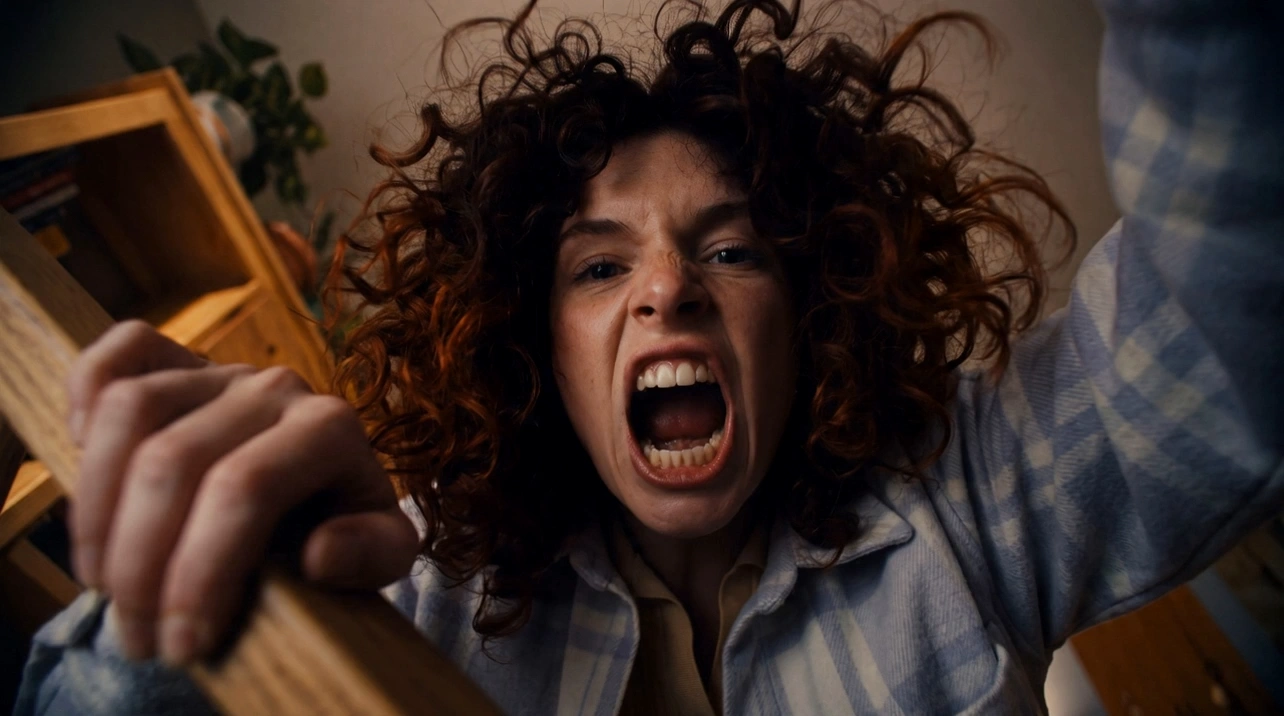
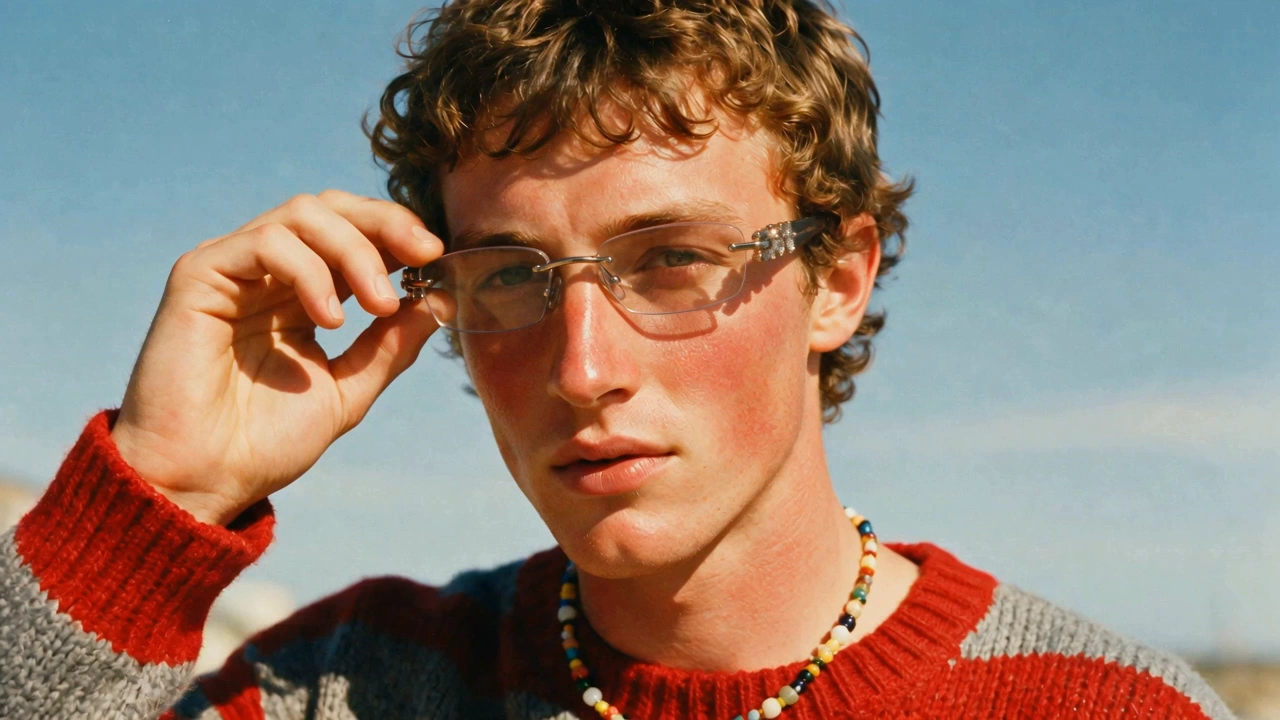
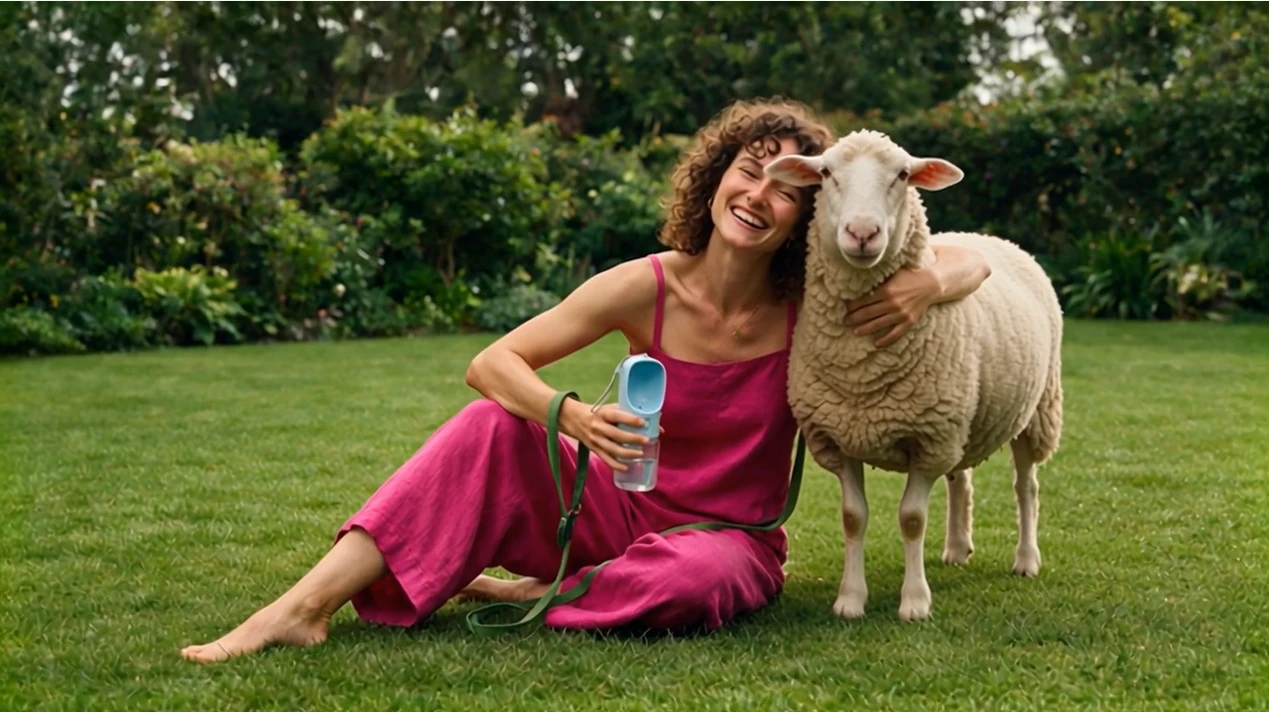
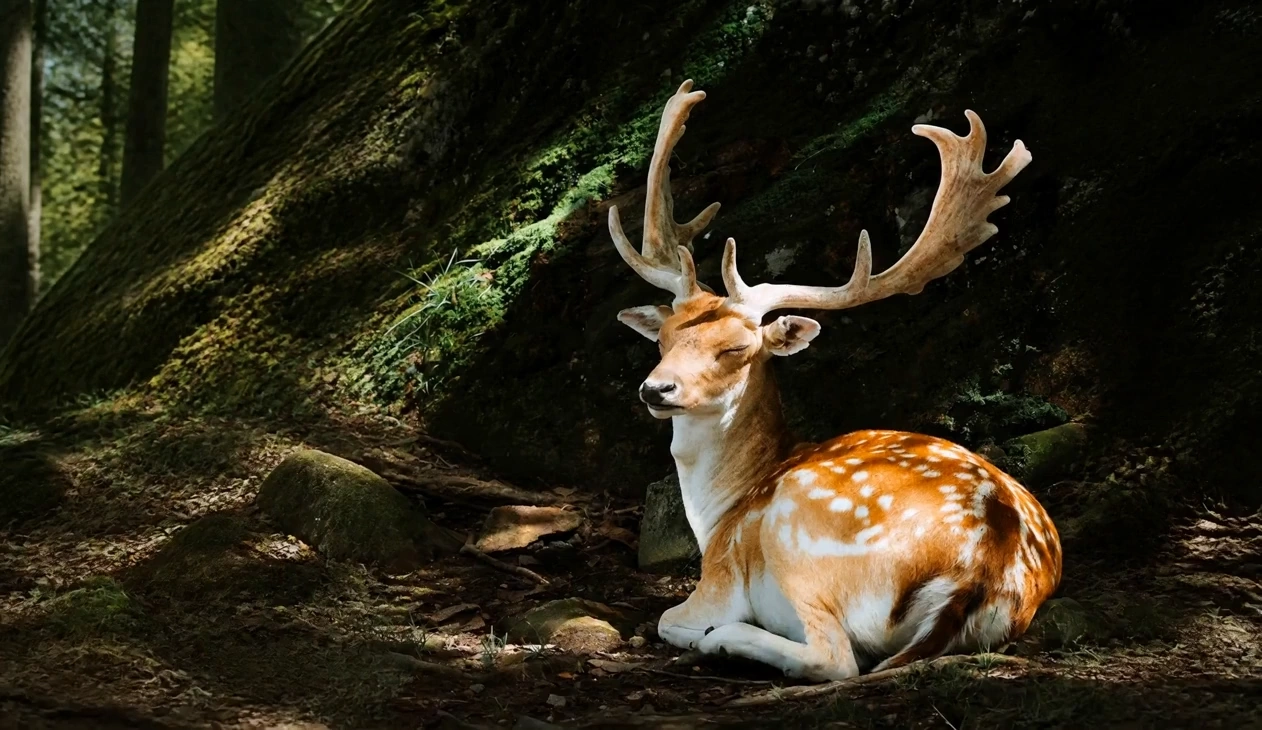
README
ByteDance Seedance 2.0 Mini Text-to-Video Turbo
ByteDance Seedance 2.0 Mini Text-to-Video Turbo generates videos from natural-language prompts with optional reference images, videos, and audio. Describe the scene, action, camera movement, and mood, then choose aspect ratio, resolution, duration, and audio generation settings.
- Need the standard text-to-video version instead? Try ByteDance Seedance 2.0 Mini Text-to-Video.
- Need to generate from a start image instead? Try ByteDance Seedance 2.0 Mini Image-to-Video.
Why Choose This?
-
Turbo text-to-video generation
Generate videos directly from text prompts with a faster turbo workflow. -
Reference-guided generation
Add reference images, videos, or audio to guide visual style, characters, scene composition, motion, or audio direction. -
Native audio generation
Generate synchronized audio together with the output video usinggenerate_audio. -
Flexible aspect ratios
Supports16:9,9:16,4:3,3:4,1:1, and21:9for different video layouts. -
Resolution options
Generate videos in720por1080p. -
Web search option
Enableenable_web_searchwhen the prompt needs real-time information.
Parameters
| Parameter | Required | Description |
|---|---|---|
| prompt | Yes | Describe the scene, action, camera movement, and mood for the video. |
| reference_images | No | Reference image URLs to guide visual style, characters, or scene composition. Supports up to 9 images. |
| reference_videos | No | Reference video URLs (up to 3). Each reference video is normalized to at least 2 seconds, each clip and the combined input are capped at 15 seconds, and the normalized combined input duration is rounded up to a whole second for billing. |
| reference_audios | No | Reference audio URLs. Supports up to 3 audio files, with total reference audio length no more than 15 seconds. |
| aspect_ratio | No | Output aspect ratio: 16:9, 9:16, 4:3, 3:4, 1:1, or 21:9. Default: 16:9. |
| resolution | No | Output video resolution: 720p or 1080p. Default: 720p. |
| duration | No | Duration of the generated video in seconds. Range: 4–15. Default: 5. |
| enable_web_search | No | Enable web search for real-time information. Default: false. |
| generate_audio | No | Whether to generate native audio synchronized with the output video. Default: true. |
How to Use
- Write your prompt — Describe the scene, subject, action, camera movement, lighting, and mood.
- Add references optional — Upload reference images, videos, or audio when you want stronger guidance.
- Choose aspect ratio — Select the output format, such as
16:9,9:16, or1:1. - Choose resolution — Select
720por1080p. - Set duration — Choose a duration between
4and15seconds. - Configure audio optional — Keep
generate_audioenabled for synchronized native audio, or disable it if audio is not needed. - Submit — Generate the final video.
Example Prompt
A cinematic night market scene, warm lantern light, people walking through a narrow street, soft camera tracking movement, steam rising from food stalls, realistic atmosphere, gentle ambient motion, rich colors, detailed urban background.
Writing Effective Prompts
Most weak results come from thin prompts. Seedance reads a prompt like a shot list — the more you direct it, the more it delivers. Structure your prompt in three layers.
1. One-sentence summary
Open with a single line that fixes the essentials:
subject + setting + action + style + camera
A lone astronaut walks across a red desert at dusk, cinematic sci-fi, slow low-angle tracking shot.
2. Shot-by-shot timeline
For anything with a beginning, middle, and end, break the duration into timed segments (1-second granularity). Keep the timeline continuous — no gaps.
0-3s: The astronaut crests a dune, silhouetted against the setting sun. Slow push-in. 3-7s: They stop, turn to face the camera, and raise a hand to shield their eyes. Wind lifts red dust across the frame. 7-10s: Wide pull-back reveals a half-buried spaceship behind them. Warm rim light, long shadows.
Give each range enough to do but not too much — cramming a dozen actions into three seconds causes cuts or dropped beats.
3. Consistency notes
End with anything that should hold across the whole clip: camera style, lighting, color palette, atmosphere, audio.
Handheld feel throughout, shallow depth of field, warm golden-hour palette. Ambient wind and footsteps only — no music.
Camera language
Write these directly; the model understands them:
- Shot size — extreme wide, wide, medium, medium close-up, close-up
- Movement — push in, pull out, pan, track, follow, orbit, tilt up, handheld shake
- Angle — low angle, overhead, eye-level, first-person
- Techniques — one-shot / long take, dolly zoom, bullet time, speed ramp
For a niche term, add a plain-language gloss: "rack focus: the sharp foreground softens as the background comes into focus."
Referencing uploaded assets
When you attach images, videos, or audio, bind each one explicitly in the prompt by its upload order — @image1, @video1, @audio1 — and say what it's for. Don't rely on labels drawn inside the image itself.
- "The knight in @image1 walks through the castle in @image2."
- "Refer to @video1 for the camera movement only; keep its shot order."
- "@image1 and @image2 are Character 1, voiced by @audio1."
When a reference is already accurate, just point to it — no need to re-describe it in detail.
Negative control
Positive descriptions work best, but you can suppress subtitles and audio:
- "No subtitles."
- "No BGM — ambient and action sounds only."
- "No audio."
Weak vs. strong
| prompt | |
|---|---|
| weak | a cat playing |
| strong | A ginger cat pounces on a ball of yarn on a sunlit wooden floor. 0-2s: it crouches, tail flicking, eyes locked on the yarn. 2-5s: it springs forward and bats the yarn across the floor, then chases it out of frame. Low eye-level shot, slight handheld follow, warm afternoon light, shallow depth of field. Playful mood, soft ambient room tone, no music. |
Pricing
Without reference videos
Output-only pricing:
| Resolution | Per second | 5 seconds | 10 seconds | 15 seconds |
|---|---|---|---|---|
| 720p | $0.08 | $0.40 | $0.80 | $1.20 |
| 1080p | $0.10 | $0.50 | $1.00 | $1.50 |
With reference videos
Pricing has two parts:
- Normalized reference-video duration + output duration: $0.0375 per second.
- Output upscale: $0.02 per output second at 720p or $0.04 per output second at 1080p.
Each reference video is normalized to at least 2 seconds, each clip and the combined input are capped at 15 seconds, and the normalized combined input duration is rounded up to a whole second for billing.
| Reference input | Output | 720p | 1080p |
|---|---|---|---|
| 2s | 5s | $0.3625 | $0.4625 |
| 5s | 5s | $0.475 | $0.575 |
| 15s | 5s | $0.85 | $0.95 |
Best Use Cases
- Turbo text-to-video generation — Create short videos directly from natural-language prompts.
- Reference-to-video workflows — Use reference images, videos, or audio to guide the generated video.
- Cinematic short clips — Generate videos with camera movement, atmosphere, and synchronized audio.
- Character and style consistency — Use reference images to guide characters, visual style, or scene composition.
- Motion and audio guidance — Use reference videos or audio to guide motion direction or sound style.
- Social media content — Generate vertical, square, landscape, or ultra-wide video formats.
- Creative prototyping — Test scene ideas, visual concepts, and motion directions quickly.
Pro Tips
- Be specific about scene, action, camera movement, lighting, and mood.
- Use reference images when character, style, or composition consistency matters.
- Use reference videos when motion direction is important.
- Use reference audio when the generated video should follow a specific audio style or sound direction.
- Keep
generate_audioenabled when you want the output video to include synchronized native audio. - Choose an aspect ratio based on the final format, such as
9:16for vertical content or16:9for widescreen video.
Related Models
- ByteDance Seedance 2.0 Mini Text-to-Video — Generate video directly from text prompts.
- ByteDance Seedance 2.0 Mini Image-to-Video — Generate video from a start image and prompt.
Notice: Use @image1, @image2, @audio1, etc. to reference your uploaded assets. The references will stay as plain text—don't worry.
Seedance 2.0 Mini Text To Video Turbo API — Quick start
Grab a WaveSpeedAI API key, then call POST https://api.wavespeed.ai/api/v3/bytedance/seedance-2.0-mini/text-to-video-turbo with your input as JSON. The endpoint returns a prediction id. Start polling the result endpoint around every 2 seconds, increase the interval for long-running tasks, and stop on any terminal status. On completed, read output values from data.outputs. Examples for Seedance 2.0 Mini Text To Video Turbo below.
HTTP example
set -euo pipefail

: "${WAVESPEED_API_KEY:?Set WAVESPEED_API_KEY}"

REQUEST_BODY=$(cat <<'JSON'
{
    "prompt": "A cinematic shot of a city at sunset, soft golden light",
    "aspect_ratio": "16:9",
    "resolution": "720p",
    "duration": 5,
    "enable_web_search": false,
    "generate_audio": true
}
JSON
)

# 1. Submit the prediction.
SUBMIT_RESPONSE=$(curl --silent --show-error --fail-with-body \
  -X POST "https://api.wavespeed.ai/api/v3/bytedance/seedance-2.0-mini/text-to-video-turbo" \
  -H "Content-Type: application/json" \
  -H "Authorization: Bearer $WAVESPEED_API_KEY" \
  -d "$REQUEST_BODY")

TASK=$(printf '%s' "$SUBMIT_RESPONSE" | jq 'if has("data") then .data else . end')
PREDICTION_ID=$(printf '%s' "$TASK" | jq -r '.id')
if [ -z "$PREDICTION_ID" ] || [ "$PREDICTION_ID" = "null" ]; then
  printf 'Submission response did not contain a prediction id
' >&2
  exit 1
fi
RESULT_URL="https://api.wavespeed.ai/api/v3/predictions/$PREDICTION_ID/result"

# 2. Poll until the prediction finishes.
while true; do
  RESPONSE=$(curl --silent --show-error --fail-with-body "$RESULT_URL" \
    -H "Authorization: Bearer $WAVESPEED_API_KEY")
  RESULT=$(printf '%s' "$RESPONSE" | jq 'if has("data") then .data else . end')
  STATUS=$(printf '%s' "$RESULT" | jq -r '.status')
  case "$STATUS" in
    completed) printf '%s\n' "$RESULT" | jq '.outputs'; break ;;
    failed|cancelled|timeout|deleted) printf '%s\n' "$RESULT" | jq . >&2; exit 1 ;;
    *) sleep 2 ;;
  esac
done
Node.js example
const submitUrl = "https://api.wavespeed.ai/api/v3/bytedance/seedance-2.0-mini/text-to-video-turbo";
const apiKey = process.env.WAVESPEED_API_KEY;
if (!apiKey) throw new Error('Set WAVESPEED_API_KEY');

async function requestJson(url, options = {}) {
  const response = await fetch(url, options);
  if (!response.ok) throw new Error(await response.text());
  return response.json();
}

// 1. Submit the prediction.
const body = await requestJson(submitUrl, {
  method: "POST",
  headers: {
    "Authorization": `Bearer ${apiKey}`,
    "Content-Type": "application/json",
  },
  body: JSON.stringify({
        "prompt": "A cinematic shot of a city at sunset, soft golden light",
        "aspect_ratio": "16:9",
        "resolution": "720p",
        "duration": 5,
        "enable_web_search": false,
        "generate_audio": true
}),
});
const task = body.data ?? body;
if (!task.id) throw new Error("Submission response did not contain a prediction id");
const resultUrl = `https://api.wavespeed.ai/api/v3/predictions/${task.id}/result`;

// 2. Poll until the prediction finishes.
while (true) {
  const resultBody = await requestJson(resultUrl, {
    headers: { "Authorization": `Bearer ${apiKey}` },
  });
  const result = resultBody.data ?? resultBody;
  if (result.status === "completed") {
    console.log(result.outputs);
    break;
  }
  if (["failed", "cancelled", "timeout", "deleted"].includes(result.status)) throw new Error(JSON.stringify(result));
  await new Promise(resolve => setTimeout(resolve, 2000));
}
Python example
import json
import os
import time
from urllib.request import Request, urlopen

api_key = os.environ["WAVESPEED_API_KEY"]
headers = {"Authorization": f"Bearer {api_key}", "Content-Type": "application/json"}
payload = {
    "prompt": "A cinematic shot of a city at sunset, soft golden light",
    "aspect_ratio": "16:9",
    "resolution": "720p",
    "duration": 5,
    "enable_web_search": False,
    "generate_audio": True
}

def request_json(url, data=None):
    request = Request(url, data=data, headers=headers, method="POST" if data else "GET")
    with urlopen(request) as response:
        return json.load(response)

# 1. Submit the prediction.
body = request_json("https://api.wavespeed.ai/api/v3/bytedance/seedance-2.0-mini/text-to-video-turbo", json.dumps(payload).encode())
task = body.get("data", body)
if not task.get("id"):
    raise RuntimeError("Submission response did not contain a prediction id")
result_url = f"https://api.wavespeed.ai/api/v3/predictions/{task['id']}/result"

# 2. Poll until the prediction finishes.
while True:
    result_body = request_json(result_url)
    result = result_body.get("data", result_body)
    status = result.get("status")
    if status == "completed":
        print(result.get("outputs", []))
        break
    if status in {"failed", "cancelled", "timeout", "deleted"}:
        raise RuntimeError(result)
    time.sleep(2)
Seedance 2.0 Mini Text To Video Turbo API — Frequently asked questions
What is the Seedance 2.0 Mini Text To Video Turbo API?
Seedance 2.0 Mini Text To Video Turbo is a ByteDance model for video generation, exposed as a REST API on WaveSpeedAI. Seedance 2.0 Mini Text to Video Turbo is ByteDance's faster, lower-cost text-to-video model for cinematic multi-shot videos. It generates narrative sequences from text prompts with AI camera control, consistent characters, 720P / 1080P output, 5-12s duration, and flexible aspect ratios. Ready-to-use REST inference API, best performance, no coldstarts, affordable pricing. You can call it programmatically or try it from the playground above.
How do I call the Seedance 2.0 Mini Text To Video Turbo API?
POST your input parameters to the model's REST endpoint (shown in the API tab of this playground) with your WaveSpeedAI API key in the Authorization header. Submission returns a prediction ID. Poll the result endpoint starting around every 2 seconds, increase the interval for long-running tasks, and stop on any terminal status. The playground generates Python, JavaScript, and cURL examples for submitting requests and polling results. Full request/response shape is documented at https://wavespeed.ai/docs/docs-api/bytedance/bytedance-seedance-2.0-mini-text-to-video-turbo.
How much does Seedance 2.0 Mini Text To Video Turbo cost per run?
Seedance 2.0 Mini Text To Video Turbo starts at $0.7 per run. That figure is the base price — the final charge scales with the parameters you set in the form (output size, length, count, references, or whatever knobs this model exposes), so a higher-quality or larger output costs more than a minimal one. The exact cost for your current input is shown live next to the Generate button before you submit, and the actual per-call charge is recorded on the prediction afterwards.
What inputs does Seedance 2.0 Mini Text To Video Turbo accept?
Key inputs: `prompt`, `aspect_ratio`, `resolution`, `duration`, `reference_images`, `enable_web_search`. The full JSON schema (types, defaults, allowed values) is rendered above the Generate button and mirrored in the API reference at https://wavespeed.ai/docs/docs-api/bytedance/bytedance-seedance-2.0-mini-text-to-video-turbo.
How long does Seedance 2.0 Mini Text To Video Turbo take to generate?
Reported generation time on WaveSpeedAI is around 190 seconds per request. This is an estimate, not a latency guarantee; queue time and input settings can change the total wait. live status is visible in the prediction record.
Can I use Seedance 2.0 Mini Text To Video Turbo outputs commercially?
Commercial usage rights depend on the model's license, set by its provider (ByteDance). Check the provider's applicable terms and WaveSpeedAI's Terms of Service before commercial use.