Bria Extract Object isolates a described object from an input image and returns a clean object cutout on a transparent background, ideal for product assets, design workflows, and image compositing. Ready-to-use REST inference API, best performance, no coldstarts, affordable pricing.
Idle

$0.02per run·~50 / $1
ExamplesView all
The wine
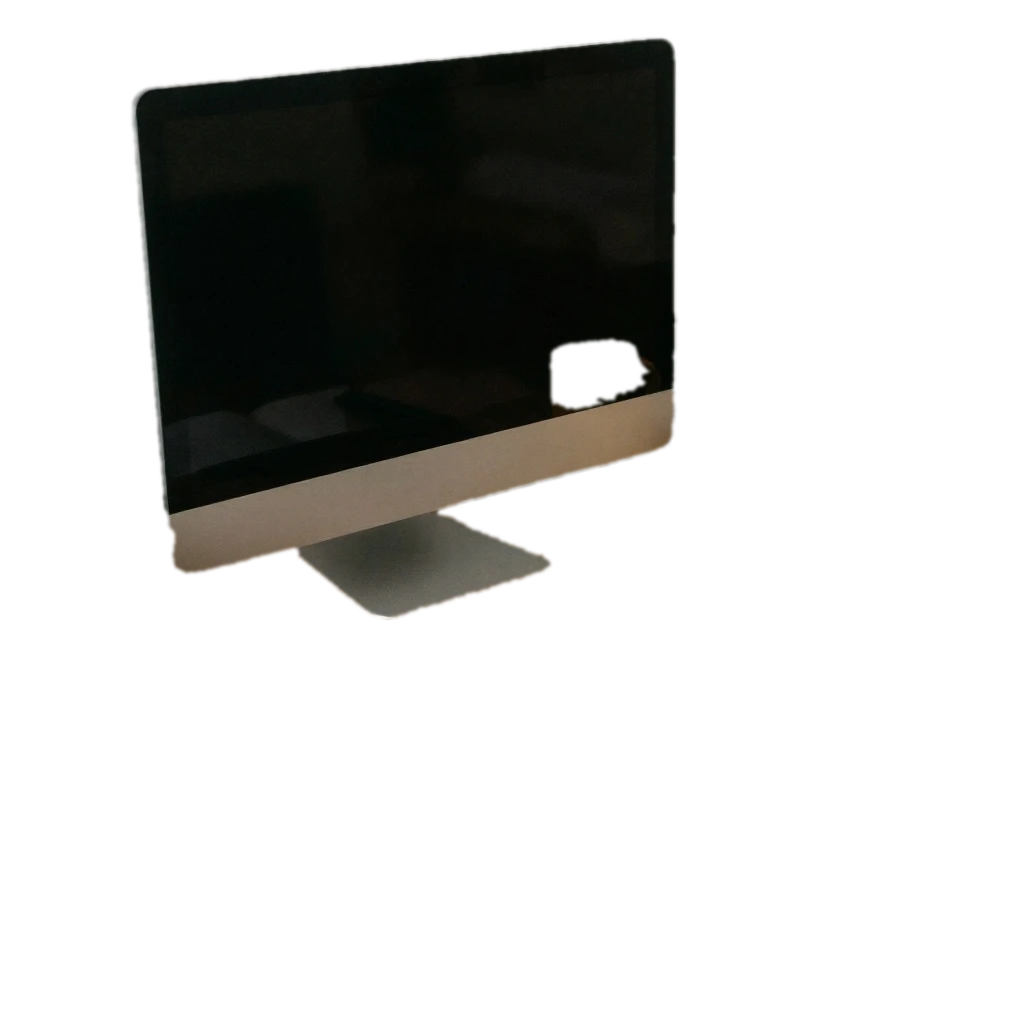
The computer
Related Models
/filters:quality(82)/media/images/1782717741548949246_B4wFOY8h.webp)
/filters:quality(82)/media/images/1782721277946938856_w09iOY6g.webp)
/filters:quality(82)/media/images/20260408111730_oggzfrzh.webp)
/filters:quality(82)/media/images/1786181187865400154_vpAJTyIR.webp)
/filters:quality(82)/media/images/1789373573992139107_MifpyHQZ.webp)
/filters:quality(82)/media/images/20260408111958_ymt9hd3r.webp)
README
Bria Extract Object
Bria Extract Object isolates a described object from an input image and returns the cutout on a transparent background. Use a short prompt to identify the target object, then optionally refine the mask or crop the output canvas.
Why Choose This?
-
Prompt-guided object extraction
Describe the object you want to isolate, such asthe red car,main product, orthe blue handbag. -
Transparent cutout output
Return the selected object as a transparent-background image for compositing, design, and product workflows. -
Optional background refinement
Useforce_background_removalto refine the cutout alpha and improve background removal. -
Optional autocrop
Tighten the output canvas around the extracted object for compact, ready-to-use assets. -
Standard image output
Results are returned as image URLs in the standard WaveSpeed prediction response.
Parameters
| Parameter | Required | Description |
|---|---|---|
| image | Yes | Input image containing the object to extract. |
| prompt | No | Natural-language description of the object to extract. Default: main object. |
| force_background_removal | No | Run an extra background-removal refinement step to clean up remaining background artifacts and improve edge transparency. Default: false. |
| autocrop | No | Crop the result tightly around the extracted object, reducing transparent padding around the subject. Default: false. |
How to Use
- Upload image — Provide an image containing the object you want to extract.
- Describe the object — Use
promptto identify the target object. - Set options optional — Enable
force_background_removalfor cleaner alpha edges orautocropfor a tighter canvas. - Submit — Generate the extracted object image.
- Use the result — Use the returned image URL in your product, design, or compositing workflow.
Pricing
| Output | Price |
|---|---|
| Per image | $0.02 |
Best Use Cases
- Object cutouts — Extract a specific object from a source image.
- Product asset preparation — Prepare transparent product assets for catalogs, ads, and ecommerce pages.
- Design compositing — Place extracted objects onto new backgrounds, templates, or marketing layouts.
- Creative editing — Isolate subjects for mockups, visual experiments, and content variations.
- Ecommerce workflows — Standardize object images for downstream product content and listing assets.
Pro Tips
- Use clear images where the target object is visible and not heavily occluded.
- Use a specific prompt when the image contains multiple objects.
- Use
main objectormain productfor simple product-style images. - Enable
force_background_removalwhen you need cleaner alpha edges. - Enable
autocropwhen you want the output canvas cropped around the extracted object. - Ensure the input image URL is publicly accessible.
Extract Object API — Quick start
Grab a WaveSpeedAI API key, then call POST https://api.wavespeed.ai/api/v3/bria/extract-object with your input as JSON. The endpoint returns a prediction id. Start polling the result endpoint around every 2 seconds, increase the interval for long-running tasks, and stop on any terminal status. On completed, read output values from data.outputs. Examples for Extract Object below.
HTTP example
set -euo pipefail

: "${WAVESPEED_API_KEY:?Set WAVESPEED_API_KEY}"

REQUEST_BODY=$(cat <<'JSON'
{
    "image": "https://interactive-examples.mdn.mozilla.net/media/cc0-images/painted-hand-298-332.jpg",
    "force_background_removal": false,
    "autocrop": false
}
JSON
)

# 1. Submit the prediction.
SUBMIT_RESPONSE=$(curl --silent --show-error --fail-with-body \
  -X POST "https://api.wavespeed.ai/api/v3/bria/extract-object" \
  -H "Content-Type: application/json" \
  -H "Authorization: Bearer $WAVESPEED_API_KEY" \
  -d "$REQUEST_BODY")

TASK=$(printf '%s' "$SUBMIT_RESPONSE" | jq 'if has("data") then .data else . end')
PREDICTION_ID=$(printf '%s' "$TASK" | jq -r '.id')
if [ -z "$PREDICTION_ID" ] || [ "$PREDICTION_ID" = "null" ]; then
  printf 'Submission response did not contain a prediction id
' >&2
  exit 1
fi
RESULT_URL="https://api.wavespeed.ai/api/v3/predictions/$PREDICTION_ID/result"

# 2. Poll until the prediction finishes.
while true; do
  RESPONSE=$(curl --silent --show-error --fail-with-body "$RESULT_URL" \
    -H "Authorization: Bearer $WAVESPEED_API_KEY")
  RESULT=$(printf '%s' "$RESPONSE" | jq 'if has("data") then .data else . end')
  STATUS=$(printf '%s' "$RESULT" | jq -r '.status')
  case "$STATUS" in
    completed) printf '%s\n' "$RESULT" | jq '.outputs'; break ;;
    failed|cancelled|timeout|deleted) printf '%s\n' "$RESULT" | jq . >&2; exit 1 ;;
    *) sleep 2 ;;
  esac
done
Node.js example
const submitUrl = "https://api.wavespeed.ai/api/v3/bria/extract-object";
const apiKey = process.env.WAVESPEED_API_KEY;
if (!apiKey) throw new Error('Set WAVESPEED_API_KEY');

async function requestJson(url, options = {}) {
  const response = await fetch(url, options);
  if (!response.ok) throw new Error(await response.text());
  return response.json();
}

// 1. Submit the prediction.
const body = await requestJson(submitUrl, {
  method: "POST",
  headers: {
    "Authorization": `Bearer ${apiKey}`,
    "Content-Type": "application/json",
  },
  body: JSON.stringify({
        "image": "https://interactive-examples.mdn.mozilla.net/media/cc0-images/painted-hand-298-332.jpg",
        "force_background_removal": false,
        "autocrop": false
}),
});
const task = body.data ?? body;
if (!task.id) throw new Error("Submission response did not contain a prediction id");
const resultUrl = `https://api.wavespeed.ai/api/v3/predictions/${task.id}/result`;

// 2. Poll until the prediction finishes.
while (true) {
  const resultBody = await requestJson(resultUrl, {
    headers: { "Authorization": `Bearer ${apiKey}` },
  });
  const result = resultBody.data ?? resultBody;
  if (result.status === "completed") {
    console.log(result.outputs);
    break;
  }
  if (["failed", "cancelled", "timeout", "deleted"].includes(result.status)) throw new Error(JSON.stringify(result));
  await new Promise(resolve => setTimeout(resolve, 2000));
}
Python example
import json
import os
import time
from urllib.request import Request, urlopen

api_key = os.environ["WAVESPEED_API_KEY"]
headers = {"Authorization": f"Bearer {api_key}", "Content-Type": "application/json"}
payload = {
    "image": "https://interactive-examples.mdn.mozilla.net/media/cc0-images/painted-hand-298-332.jpg",
    "force_background_removal": False,
    "autocrop": False
}

def request_json(url, data=None):
    request = Request(url, data=data, headers=headers, method="POST" if data else "GET")
    with urlopen(request) as response:
        return json.load(response)

# 1. Submit the prediction.
body = request_json("https://api.wavespeed.ai/api/v3/bria/extract-object", json.dumps(payload).encode())
task = body.get("data", body)
if not task.get("id"):
    raise RuntimeError("Submission response did not contain a prediction id")
result_url = f"https://api.wavespeed.ai/api/v3/predictions/{task['id']}/result"

# 2. Poll until the prediction finishes.
while True:
    result_body = request_json(result_url)
    result = result_body.get("data", result_body)
    status = result.get("status")
    if status == "completed":
        print(result.get("outputs", []))
        break
    if status in {"failed", "cancelled", "timeout", "deleted"}:
        raise RuntimeError(result)
    time.sleep(2)
Extract Object API — Frequently asked questions
What is the Extract Object API?
Extract Object is a Bria model for object / watermark removal, exposed as a REST API on WaveSpeedAI. Bria Extract Object isolates a described object from an input image and returns a clean object cutout on a transparent background, ideal for product assets, design workflows, and image compositing. Ready-to-use REST inference API, best performance, no coldstarts, affordable pricing. You can call it programmatically or try it from the playground above.
How do I call the Extract Object API?
POST your input parameters to the model's REST endpoint (shown in the API tab of this playground) with your WaveSpeedAI API key in the Authorization header. Submission returns a prediction ID. Poll the result endpoint starting around every 2 seconds, increase the interval for long-running tasks, and stop on any terminal status. The playground generates Python, JavaScript, and cURL examples for submitting requests and polling results. Full request/response shape is documented at https://wavespeed.ai/docs/docs-api/bria/bria-extract-object.
How much does Extract Object cost per run?
Extract Object starts at $0.02 per run. That figure is the base price — the final charge scales with the parameters you set in the form (output size, length, count, references, or whatever knobs this model exposes), so a higher-quality or larger output costs more than a minimal one. The exact cost for your current input is shown live next to the Generate button before you submit, and the actual per-call charge is recorded on the prediction afterwards.
What inputs does Extract Object accept?
Key inputs: `prompt`, `image`, `autocrop`, `force_background_removal`. The full JSON schema (types, defaults, allowed values) is rendered above the Generate button and mirrored in the API reference at https://wavespeed.ai/docs/docs-api/bria/bria-extract-object.
How long does Extract Object take to generate?
Reported generation time on WaveSpeedAI is around 15 seconds per request. This is an estimate, not a latency guarantee; queue time and input settings can change the total wait. live status is visible in the prediction record.
Can I use Extract Object outputs commercially?
Commercial usage rights depend on the model's license, set by its provider (Bria). Check the provider's applicable terms and WaveSpeedAI's Terms of Service before commercial use.
More from Bria
View allMore Ai Remover models
View all- wavespeed-ai/image-watermark-removerAi Remover
- wavespeed-ai/video-watermark-removerAi Remover
- wavespeed-ai/image-background-removerAi Remover
- bria/remove-backgroundAi Remover
- wavespeed-ai/image-eraserAi Remover
- wavespeed-ai/video-eraserAi Remover
- wavespeed-ai/video-background-removerAi Remover
- ideogram-ai/remove-backgroundAi Remover