

Which Video Upscaler API Should You Use on WaveSpeedAI? Seven Endpoints Compared
Seven WaveSpeedAI video upscaler endpoints side by side: accepted target resolutions, clip limits, and the price per second at 720p, 1080p, 2K, and 4K.
Wan 3.0 Prime vs Standard Wan 3.0
Wan 3.0 Prime is the accelerated Wan 3.0 at 1.5x the price with an identical API. The full price ladder for both, and a rule for when Prime is worth it.
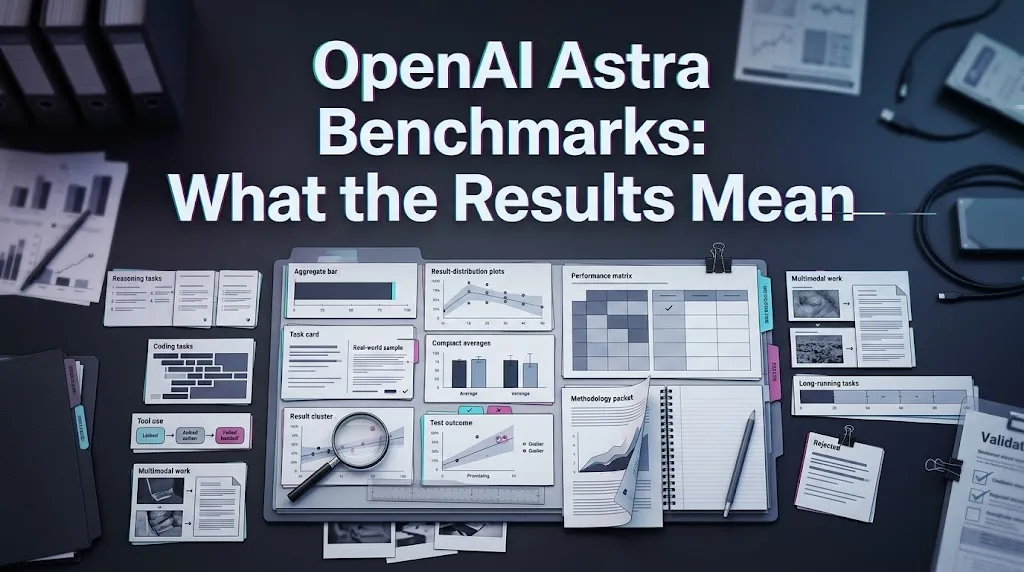
OpenAI Astra Benchmarks: What the Results Mean
OpenAI Astra benchmark review explains the disclosed evaluation signals, their limits, and what builders still cannot conclude.
What Are the Best Seedance 2.5 Alternatives?
The best Seedance 2.5 alternatives depend on quality, price, API maturity, reference control, audio, and rights.
What Are the Best Wan 3.0 Alternatives?
The best Wan 3.0 alternatives depend on API needs, visual fit, references, cost, rights, and provider access.
What Is the Difference Between Seedance 2.5 and Seedance 2.0?
Seedance 2.5 vs Seedance 2.0: compare duration, references, audio, editing, cost, and API migration needs.
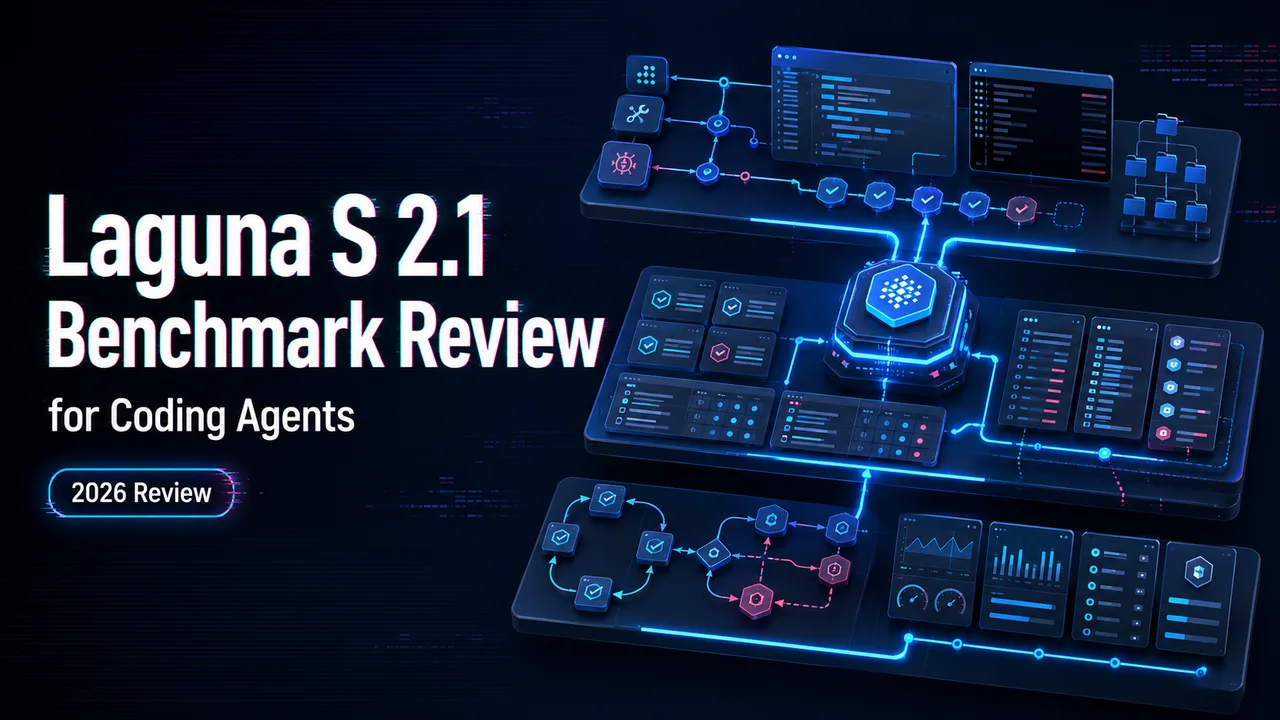
Laguna S 2.1 Benchmark Review for Coding Agents
Laguna S 2.1 benchmark review explains what its published coding-agent scores can and cannot support in one adoption decision.
Seedance 2.5 vs Kling: Which Is Better for Video Generation?
Seedance 2.5 vs Kling: compare video generation by shot length, motion control, references, cost, and review effort.
Seedance 2.5 vs Runway: Which Is Better for Teams?
Seedance 2.5 vs Runway for teams: decide by API needs, creative workflow, governance, cost controls, and review process.
Seedance 2.5 vs Sora 2: Which Should Developers Use?
Seedance 2.5 vs Sora 2 for developers: compare endpoint fit, reference controls, rights, cost, and product UX.
Seedance 2.5 vs Veo 3: Which Is Better for API Workflows?
Seedance 2.5 vs Veo 3 for API workflows: choose by route access, input controls, cost tracking, and failure handling.
Seedance 2.5 vs Wan 3.0: What Is the Difference?
Seedance 2.5 vs Wan 3.0: compare WaveSpeedAI route coverage, reference control, audio, duration, and model fit.