Advanced SAM 3D objects generation model for creating detailed 3D object models from images with text prompts and optional mask-based segmentation. Ready-to-use REST inference API, best performance, no coldstarts, affordable pricing.
Idle
$0.02per run·~50 / $1
ExamplesView all

A sitting teddy bear

the entire white retro handheld game console, not the background

the entire mint green rotary telephone in the image, including the handset, base, and coiled cord, as one complete object for 3d reconstruction, ignore the plain white background

a single bright orange traffic cone with two white reflective stripes, centered in the image, isolated object, clear edges, clean silhouette

front-view bright pink wired on-ear headphones on a clean white background.
Related Models


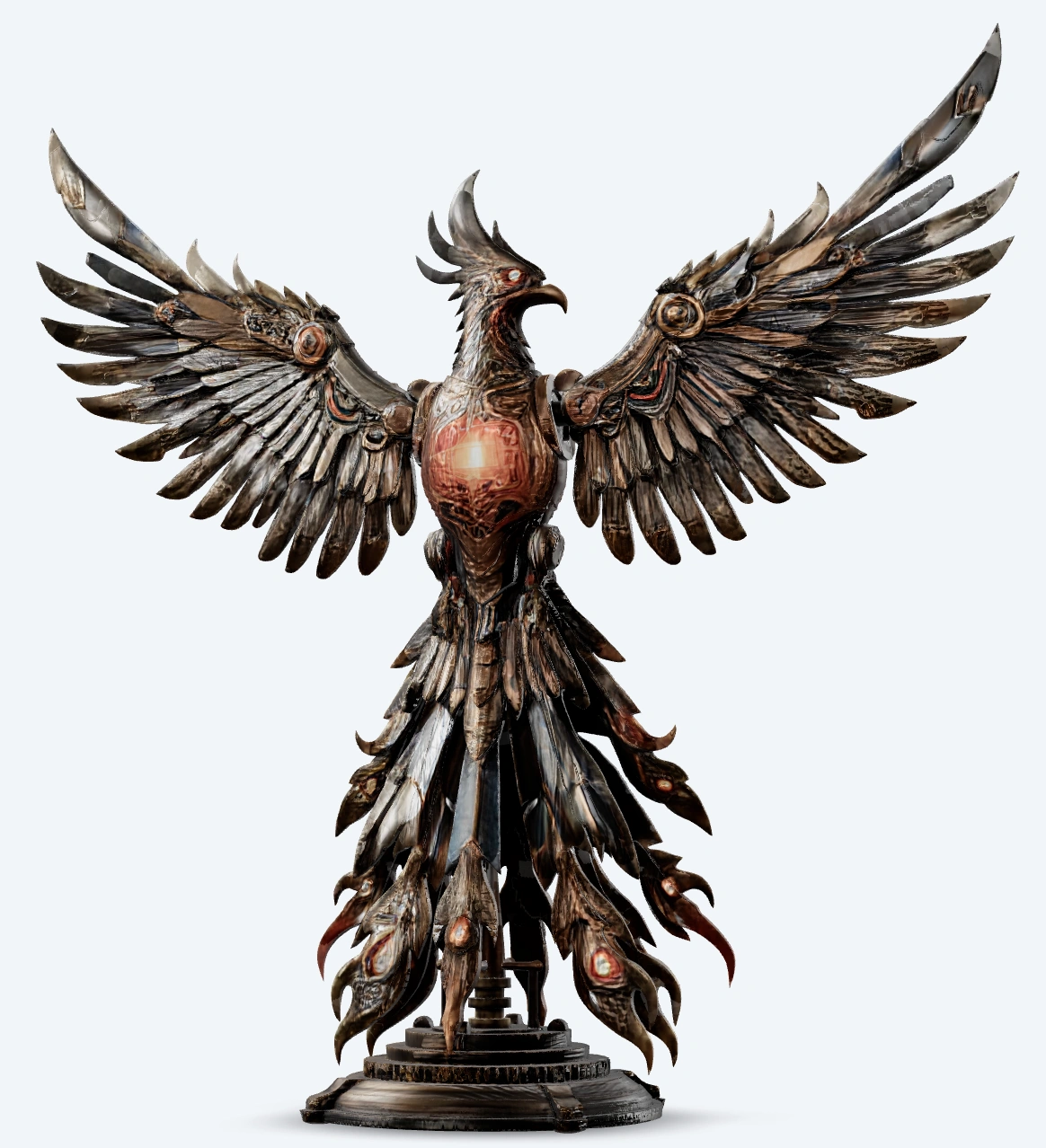
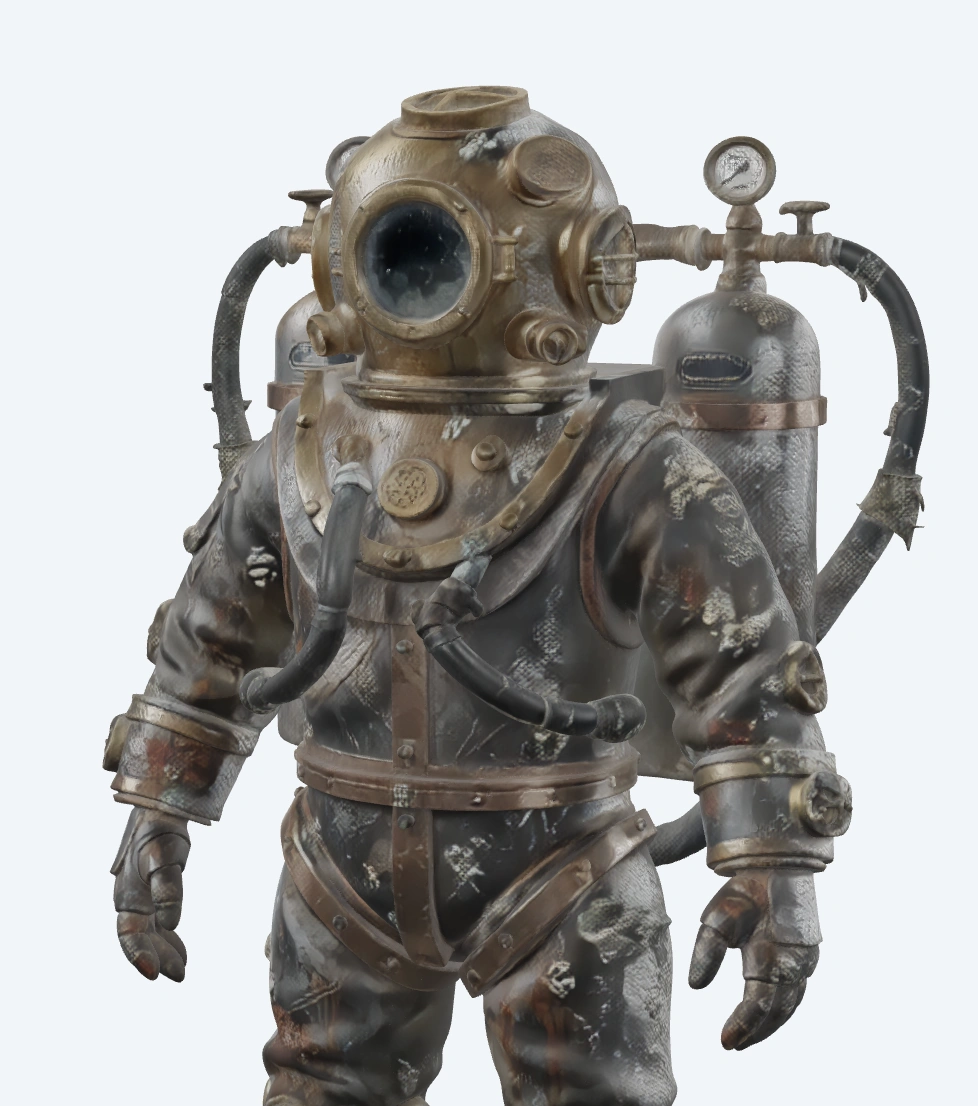
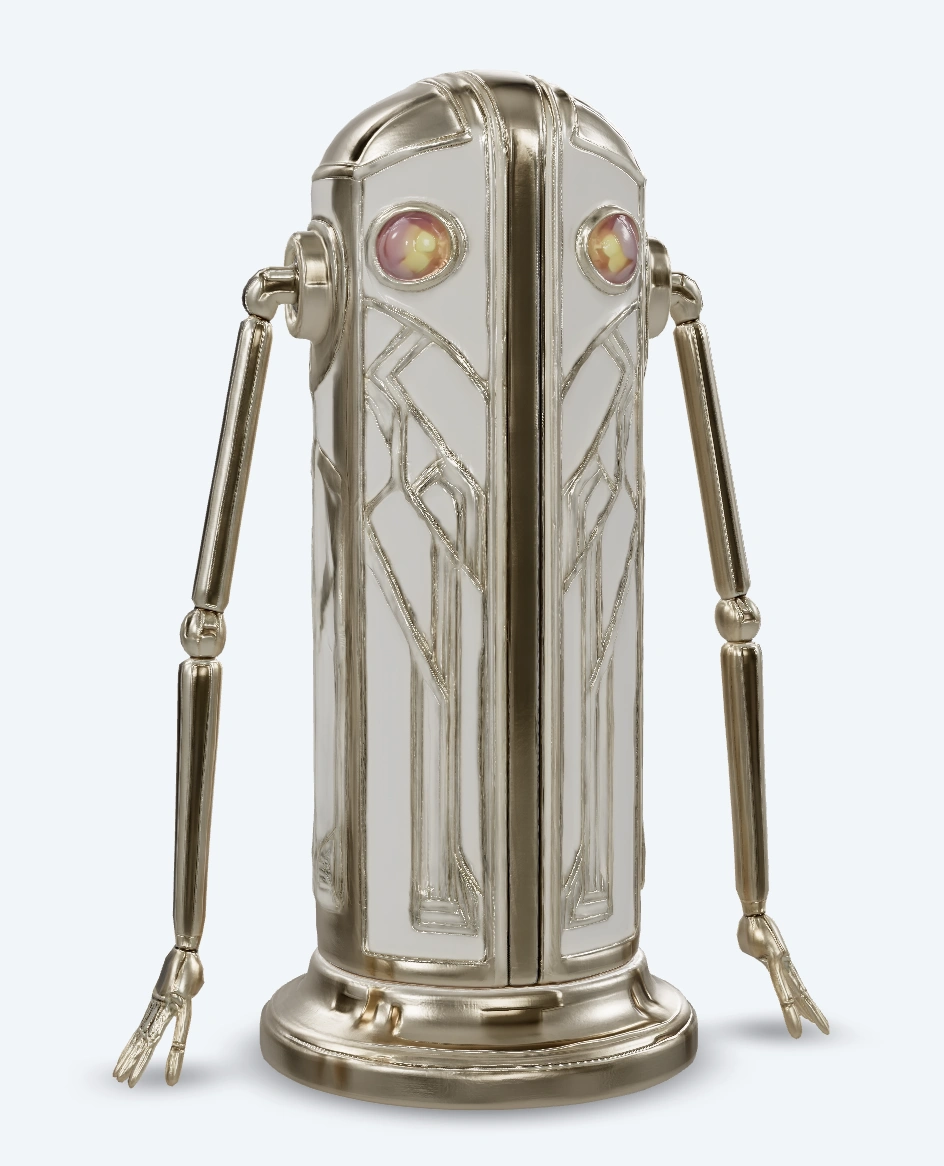

README
WaveSpeedAI SAM 3D Objects Image-to-3D
SAM 3D Objects (wavespeed-ai/sam-3d-objects) is a SAM-powered image-to-3D model that converts a single image into a 3D object asset. It’s designed for practical 3D pipelines where you want a fast way to turn product photos, props, or simple objects into editable 3D geometry.
For better isolation in complex scenes, you can optionally provide mask images to guide segmentation and get cleaner, more stable reconstructions.
Key capabilities
- Image-to-3D object reconstruction from a single input image
- Optional mask-guided segmentation to isolate a target object from cluttered backgrounds
- Prompt-guided generation (optional) to nudge style/interpretation when the image is ambiguous
- Stable, iterative workflow (generate → tweak mask/prompt → re-run) for asset refinement
- Pipeline-friendly outputs returned as downloadable URLs (exact 3D format depends on endpoint configuration)
- Best results on single, clearly visible objects with minimal occlusion
Parameters and how to use
- image: (required) Input image URL for 3D object generation.
- prompt: Text prompt to guide 3D object generation.
- mask_images: Optional array of mask image URLs for specific region processing.
Prompt
Use prompt when the image alone leaves too much ambiguity (shape, material, or category). Keep it short and concrete:
- Name the object and any critical parts: “leather handbag with a gold clasp”
- If needed, add material/finish hints: “matte ceramic”, “glossy plastic”
- Avoid long, story-like prompts—this model is primarily driven by the input image.
Media (Images)
Input image (image)
- Provide a direct, accessible URL to the image.
- If your image is local, upload it first.
Mask images (mask_images, optional)
- Provide one or more mask image URLs (uploaded the same way as
image). - Critical: the mask must match the input image size and framing exactly.
- Keep masks tight to the object silhouette for cleaner geometry.
- If you don’t need multi-region control, start with a single mask.
Note: The docs don’t mandate specific mask color conventions (white/black). If you see unexpected results, try a clean binary mask and iterate.
Other parameters
-
mask_images
-
Type: array of URLs
-
What it does: constrains processing to the masked region(s), helping isolate the target object.
-
Recommended: provide only what you need; start with one well-aligned mask.
-
prompt
-
Type: string
-
What it does: nudges generation when the image is ambiguous.
-
Recommended: short, object-focused hints (object name + material/finish if helpful).
After you finish configuring the parameters, click Run, preview the result, and iterate if needed.
Pricing
$0.02 per run
Notes
- Avoid heavy occlusions (hands covering the object, overlapping items). Occlusion often causes broken or unstable geometry.
- Mask alignment matters more than prompt quality. If results look “melted” or include background artifacts, fix the mask first.
- The API is asynchronous: submit a task, then fetch the final asset URLs from the result endpoint when the status is
completed.
Related Models
- SAM 3D Body – Similar workflow, tuned for reconstructing human bodies from images with optional mask guidance.
- Hyper3D Rodin v2 (Image-to-3D) – Image-to-3D model focused on production-ready assets (clean meshes with UVs/textures).
- Tripo3D v2.5 (Image-to-3D) – Strong single-image reconstruction with controls geared toward edit-friendly outputs.
- Tencent Hunyuan3D v2.1 – A higher-level 3D asset creation system for broader 3D workflows.
Sam 3d Objects API — Quick start
Grab a WaveSpeedAI API key, then call POST https://api.wavespeed.ai/api/v3/wavespeed-ai/sam-3d-objects with your input as JSON. The endpoint returns a prediction id. Start polling the result endpoint around every 2 seconds, increase the interval for long-running tasks, and stop on any terminal status. On completed, read output values from data.outputs. Examples for Sam 3d Objects below.
HTTP example
set -euo pipefail

: "${WAVESPEED_API_KEY:?Set WAVESPEED_API_KEY}"

REQUEST_BODY=$(cat <<'JSON'
{
    "image": "https://interactive-examples.mdn.mozilla.net/media/cc0-images/painted-hand-298-332.jpg"
}
JSON
)

# 1. Submit the prediction.
SUBMIT_RESPONSE=$(curl --silent --show-error --fail-with-body \
  -X POST "https://api.wavespeed.ai/api/v3/wavespeed-ai/sam-3d-objects" \
  -H "Content-Type: application/json" \
  -H "Authorization: Bearer $WAVESPEED_API_KEY" \
  -d "$REQUEST_BODY")

TASK=$(printf '%s' "$SUBMIT_RESPONSE" | jq 'if has("data") then .data else . end')
PREDICTION_ID=$(printf '%s' "$TASK" | jq -r '.id')
if [ -z "$PREDICTION_ID" ] || [ "$PREDICTION_ID" = "null" ]; then
  printf 'Submission response did not contain a prediction id
' >&2
  exit 1
fi
RESULT_URL="https://api.wavespeed.ai/api/v3/predictions/$PREDICTION_ID/result"

# 2. Poll until the prediction finishes.
while true; do
  RESPONSE=$(curl --silent --show-error --fail-with-body "$RESULT_URL" \
    -H "Authorization: Bearer $WAVESPEED_API_KEY")
  RESULT=$(printf '%s' "$RESPONSE" | jq 'if has("data") then .data else . end')
  STATUS=$(printf '%s' "$RESULT" | jq -r '.status')
  case "$STATUS" in
    completed) printf '%s\n' "$RESULT" | jq '.outputs'; break ;;
    failed|cancelled|timeout|deleted) printf '%s\n' "$RESULT" | jq . >&2; exit 1 ;;
    *) sleep 2 ;;
  esac
done
Node.js example
const submitUrl = "https://api.wavespeed.ai/api/v3/wavespeed-ai/sam-3d-objects";
const apiKey = process.env.WAVESPEED_API_KEY;
if (!apiKey) throw new Error('Set WAVESPEED_API_KEY');

async function requestJson(url, options = {}) {
  const response = await fetch(url, options);
  if (!response.ok) throw new Error(await response.text());
  return response.json();
}

// 1. Submit the prediction.
const body = await requestJson(submitUrl, {
  method: "POST",
  headers: {
    "Authorization": `Bearer ${apiKey}`,
    "Content-Type": "application/json",
  },
  body: JSON.stringify({
        "image": "https://interactive-examples.mdn.mozilla.net/media/cc0-images/painted-hand-298-332.jpg"
}),
});
const task = body.data ?? body;
if (!task.id) throw new Error("Submission response did not contain a prediction id");
const resultUrl = `https://api.wavespeed.ai/api/v3/predictions/${task.id}/result`;

// 2. Poll until the prediction finishes.
while (true) {
  const resultBody = await requestJson(resultUrl, {
    headers: { "Authorization": `Bearer ${apiKey}` },
  });
  const result = resultBody.data ?? resultBody;
  if (result.status === "completed") {
    console.log(result.outputs);
    break;
  }
  if (["failed", "cancelled", "timeout", "deleted"].includes(result.status)) throw new Error(JSON.stringify(result));
  await new Promise(resolve => setTimeout(resolve, 2000));
}
Python example
import json
import os
import time
from urllib.request import Request, urlopen

api_key = os.environ["WAVESPEED_API_KEY"]
headers = {"Authorization": f"Bearer {api_key}", "Content-Type": "application/json"}
payload = {
    "image": "https://interactive-examples.mdn.mozilla.net/media/cc0-images/painted-hand-298-332.jpg"
}

def request_json(url, data=None):
    request = Request(url, data=data, headers=headers, method="POST" if data else "GET")
    with urlopen(request) as response:
        return json.load(response)

# 1. Submit the prediction.
body = request_json("https://api.wavespeed.ai/api/v3/wavespeed-ai/sam-3d-objects", json.dumps(payload).encode())
task = body.get("data", body)
if not task.get("id"):
    raise RuntimeError("Submission response did not contain a prediction id")
result_url = f"https://api.wavespeed.ai/api/v3/predictions/{task['id']}/result"

# 2. Poll until the prediction finishes.
while True:
    result_body = request_json(result_url)
    result = result_body.get("data", result_body)
    status = result.get("status")
    if status == "completed":
        print(result.get("outputs", []))
        break
    if status in {"failed", "cancelled", "timeout", "deleted"}:
        raise RuntimeError(result)
    time.sleep(2)
Sam 3d Objects API — Frequently asked questions
What is the Sam 3d Objects API?
Sam 3d Objects is a WaveSpeedAI model for 3D asset generation from images, exposed as a REST API on WaveSpeedAI. Advanced SAM 3D objects generation model for creating detailed 3D object models from images with text prompts and optional mask-based segmentation. Ready-to-use REST inference API, best performance, no coldstarts, affordable pricing. You can call it programmatically or try it from the playground above.
How do I call the Sam 3d Objects API?
POST your input parameters to the model's REST endpoint (shown in the API tab of this playground) with your WaveSpeedAI API key in the Authorization header. Submission returns a prediction ID. Poll the result endpoint starting around every 2 seconds, increase the interval for long-running tasks, and stop on any terminal status. The playground generates Python, JavaScript, and cURL examples for submitting requests and polling results. Full request/response shape is documented at https://wavespeed.ai/docs/docs-api/wavespeed-ai/sam-3d-objects.
How much does Sam 3d Objects cost per run?
Sam 3d Objects starts at $0.02 per run. That figure is the base price — the final charge scales with the parameters you set in the form (output size, length, count, references, or whatever knobs this model exposes), so a higher-quality or larger output costs more than a minimal one. The exact cost for your current input is shown live next to the Generate button before you submit, and the actual per-call charge is recorded on the prediction afterwards.
What inputs does Sam 3d Objects accept?
Key inputs: `prompt`, `image`, `mask_images`. The full JSON schema (types, defaults, allowed values) is rendered above the Generate button and mirrored in the API reference at https://wavespeed.ai/docs/docs-api/wavespeed-ai/sam-3d-objects.
How long does Sam 3d Objects take to generate?
Reported generation time on WaveSpeedAI is around 23 seconds per request. This is an estimate, not a latency guarantee; queue time and input settings can change the total wait. live status is visible in the prediction record.
Can I use Sam 3d Objects outputs commercially?
Commercial usage rights depend on the model's license, set by its provider (WaveSpeedAI). Check the provider's applicable terms and WaveSpeedAI's Terms of Service before commercial use.