WAN 2.6 Reference-to-Video turns character, prop, or scene references—single or multi-view—into new video shots with preserved identity, style, and layout plus smooth, coherent motion. Ready-to-use REST inference API, best performance, no cold starts, affordable pricing.
Inactivo
$0.5por ejecución·~20 / $10
EjemplosVer todo
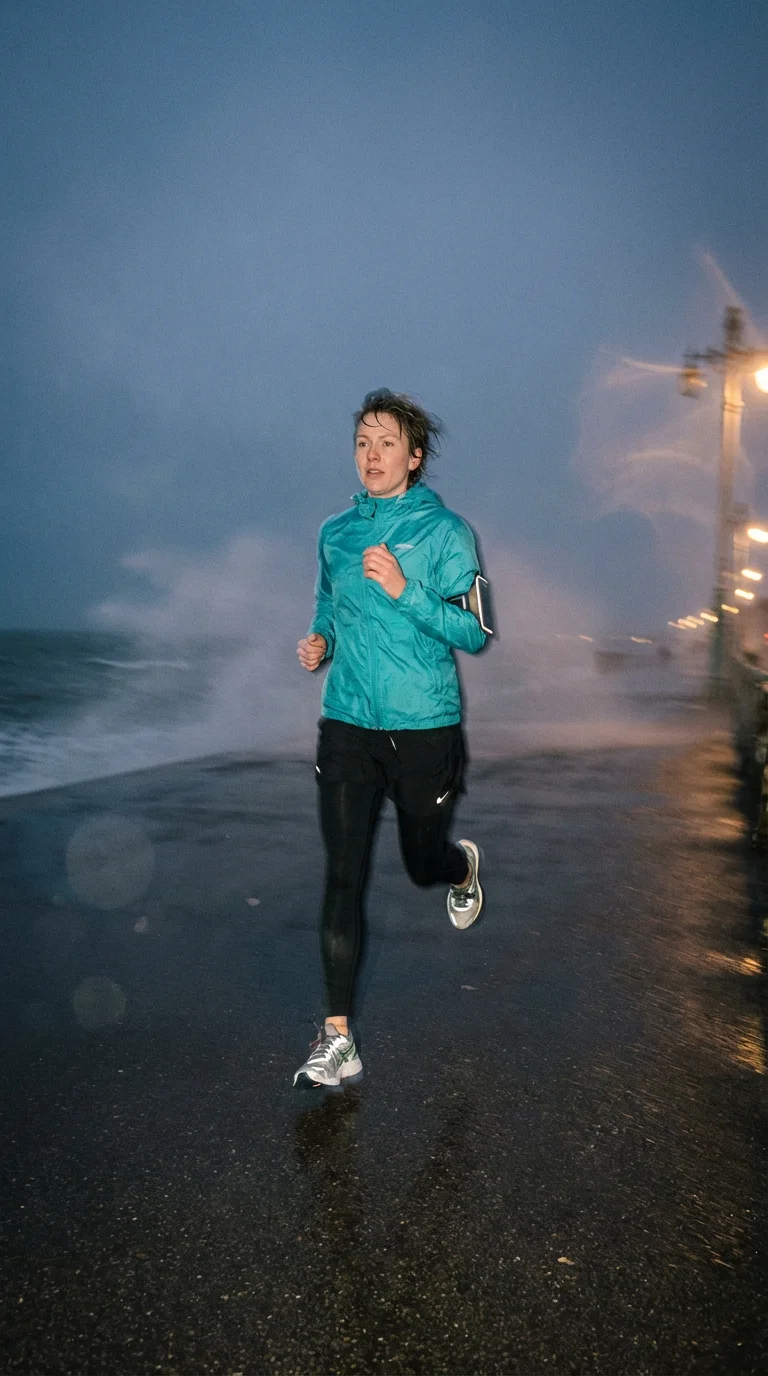
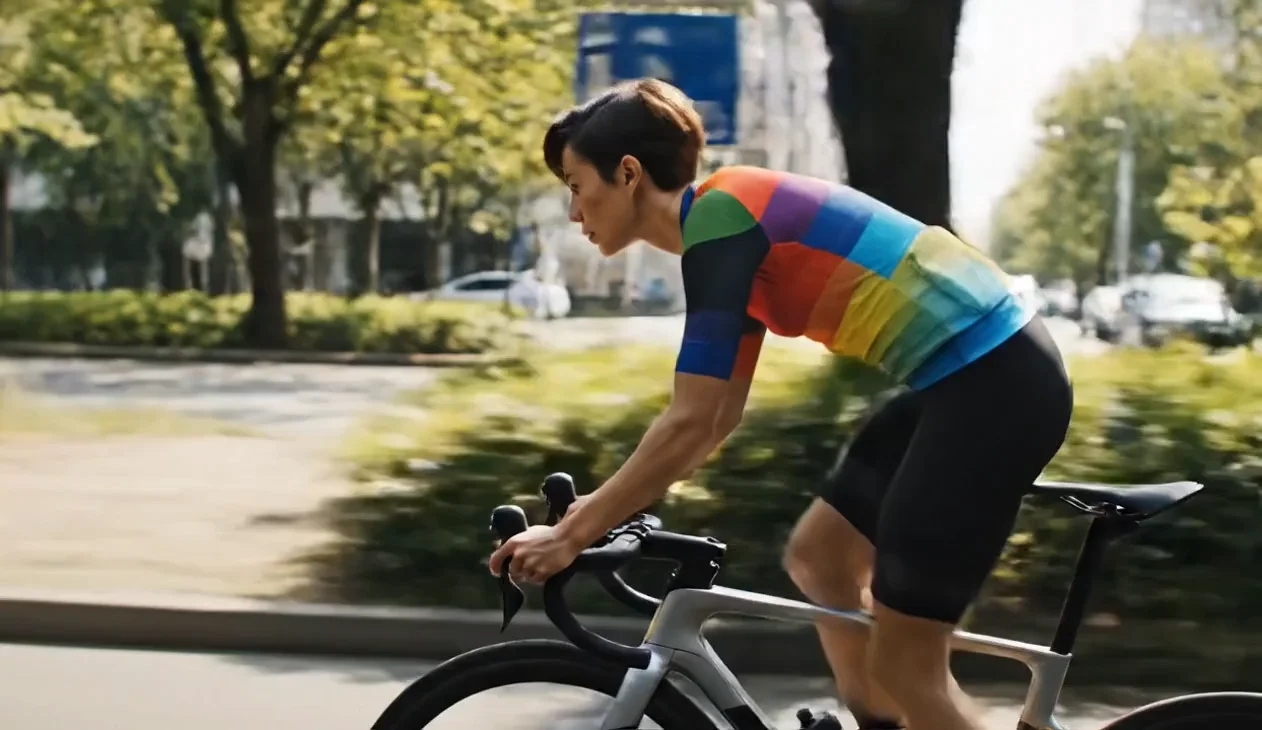
character1 is sitting in a café that is full of flowers.
the dog (reference1) is in the room(reference2)
character1 is laughing in a train station
character1 is dancing with character2 on the moon
Modelos relacionados




README
WAN 2.6 Reference-to-Video
WAN 2.6 Reference-to-Video is ’s WanXiang 2.6 model for turning example videos + a text prompt into new shots. Provide up to two reference clips and the model learns their style, motion, and framing, then generates a new 5–10s video at up to 1080p.
🚀 Highlights
- Reference-driven motion & style – Mimic camera moves, pacing and composition from your reference videos while following your prompt.
- Up to two reference videos – Blend style from one clip and motion from another, or use different angles of the same scene.
- Cinematic resolutions – Choose from 720p, or 1080p (portrait or landscape).
- Story-aware generation – Works with prompt expansion and multishots to build richer, multi-shot sequences.
- Audio-ready pipeline – Optional audio field for workflows that need motion aligned to external sound.
Output format: MP4 video at the selected size and duration.
🧩 Parameters
-
prompt* Text description of the new scene: characters, actions, environment, camera motion, mood, style, etc.
-
videos* 1–2 reference clips (URLs or uploads). These guide style, camera work, pacing, and motion structure.
-
negative_prompt Things to avoid, e.g. watermark, text, distortion, extra limbs.
-
audio (optional) External audio track for advanced pipelines where timing should loosely follow a given soundtrack. For most use cases you can leave this empty.
-
size One of the following resolution presets:
-
1280×720 or 720×1280 → 720p
-
1920×1080 or 1080×1920 → 1080p
-
duration Video length: 5 s or 10 s.
-
shot_type
-
single – Single-shot clip.
-
multi – When combined with enable_prompt_expansion, WAN 2.6 can break your idea into multiple shots of the same scene.
-
enable_prompt_expansion If enabled, ’s prompt optimizer expands short prompts into a richer internal script before generation.
-
seed Random seed. Set -1 for a new random result each time, or fix to a specific integer for reproducible layout and motion.
💰 Pricing
| Resolution | Sizes (W×H) | 5 s | 10 s |
|---|---|---|---|
| 720p | 1280×720 / 720×1280 | $1.00 | $1.50 |
| 1080p | 1920×1080 / 1080×1920 | $1.50 | $2.25 |
✅ How to Use
- Prepare 1–2 reference videos
- Clean motion, stable framing, and clear style work best.
- You can use two angles of the same scene, or two stylistically similar clips.
- Write your prompt
- Describe what should happen in the new video, not just what’s in the references.
- Example: “Cyberpunk alley at night, hero walking toward camera, slow dolly-in, neon reflections on wet ground, cinematic color grading.”
- (Optional) Add a negative_prompt
- Keep it short and focused: watermark, text, logo, extra limbs, low resolution.
- Choose size and duration
- 720p/1080p according to your platform (Reels, TikTok, YouTube, etc.).
- 5 s for quick shots, 10 s for more complex actions.
- Configure multishots & prompt expansion
- Turn on enable_prompt_expansion for shorter prompts.
- Enable multishots if you want WAN 2.6 to create a multi-shot sequence.
- Set seed (optional)
- Use a fixed seed to iterate while keeping composition similar.
- Run the model and download the generated clip.
💡 Prompt & Reference Tips
-
Keep reference content and prompt aligned – if references show a city night scene, avoid asking for a sunny beach.
-
Use two references when you want to mix:
-
video A’s camera & motion + video B’s lighting/style.
-
Mention where you want the model to follow reference closely, e.g.: “Follow reference camera speed and angles, but change character outfit to futuristic armor.”
-
For portrait/vertical social content, select 480×832, 720×1280, or 1080×1920; for YouTube-style landscape, use the corresponding wide resolutions.
More Models to Try
-
vidu/reference-to-video-q2 Vidu’s Q2 reference-to-video model for turning style and motion from example clips into new shots, ideal for anime-style edits, trailers, and storyboards.
-
google/veo3.1/reference-to-video Google Veo 3.1 reference-conditioned video generator, designed for high-fidelity cinematic motion that closely follows your reference footage.
-
kwaivgi/kling-video-o1/reference-to-video Kwaivgi’s Kling Video O1 reference-to-video model, great for copying camera language and pacing from a sample clip while changing characters or scenes.
-
/seedance-v1-lite/reference-to-video SeeDance v1 Lite, a lightweight reference-to-video model for fast, style-consistent generations based on short example videos.
Wan 2.6 Reference To Video API — Quick start
Grab a WaveSpeedAI API key, then call POST https://api.wavespeed.ai/api/v3/alibaba/wan-2.6/reference-to-video with your input as JSON. The endpoint returns a prediction id. Start polling the result endpoint around every 2 seconds, increase the interval for long-running tasks, and stop on any terminal status. On completed, read output values from data.outputs. Examples for Wan 2.6 Reference To Video below.
HTTP example
set -euo pipefail

: "${WAVESPEED_API_KEY:?Set WAVESPEED_API_KEY}"

REQUEST_BODY=$(cat <<'JSON'
{
    "videos": [
        "https://interactive-examples.mdn.mozilla.net/media/cc0-videos/flower.mp4"
    ],
    "prompt": "A cinematic shot of a city at sunset, soft golden light",
    "size": "1280*720",
    "duration": 5,
    "shot_type": "single",
    "enable_prompt_expansion": false,
    "seed": -1
}
JSON
)

# 1. Submit the prediction.
SUBMIT_RESPONSE=$(curl --silent --show-error --fail-with-body \
  -X POST "https://api.wavespeed.ai/api/v3/alibaba/wan-2.6/reference-to-video" \
  -H "Content-Type: application/json" \
  -H "Authorization: Bearer $WAVESPEED_API_KEY" \
  -d "$REQUEST_BODY")

TASK=$(printf '%s' "$SUBMIT_RESPONSE" | jq 'if has("data") then .data else . end')
PREDICTION_ID=$(printf '%s' "$TASK" | jq -r '.id')
if [ -z "$PREDICTION_ID" ] || [ "$PREDICTION_ID" = "null" ]; then
  printf 'Submission response did not contain a prediction id
' >&2
  exit 1
fi
RESULT_URL=$(printf '%s' "$TASK" | jq -r '.urls.get // empty')
if [ -z "$RESULT_URL" ]; then
  RESULT_URL="https://api.wavespeed.ai/api/v3/predictions/$PREDICTION_ID/result"
fi

# 2. Poll until the prediction finishes.
while true; do
  RESPONSE=$(curl --silent --show-error --fail-with-body "$RESULT_URL" \
    -H "Authorization: Bearer $WAVESPEED_API_KEY")
  RESULT=$(printf '%s' "$RESPONSE" | jq 'if has("data") then .data else . end')
  STATUS=$(printf '%s' "$RESULT" | jq -r '.status')
  case "$STATUS" in
    completed) printf '%s\n' "$RESULT" | jq '.outputs'; break ;;
    failed|cancelled|timeout) printf '%s\n' "$RESULT" | jq . >&2; exit 1 ;;
    created|processing) sleep 2 ;;
    *) printf 'Unexpected status: %s
' "$STATUS" >&2; exit 1 ;;
  esac
done
Node.js example
const submitUrl = "https://api.wavespeed.ai/api/v3/alibaba/wan-2.6/reference-to-video";
const apiKey = process.env.WAVESPEED_API_KEY;
if (!apiKey) throw new Error('Set WAVESPEED_API_KEY');

async function requestJson(url, options = {}) {
  const response = await fetch(url, options);
  if (!response.ok) throw new Error(await response.text());
  return response.json();
}

// 1. Submit the prediction.
const body = await requestJson(submitUrl, {
  method: "POST",
  headers: {
    "Authorization": `Bearer ${apiKey}`,
    "Content-Type": "application/json",
  },
  body: JSON.stringify({
        "videos": [
                "https://interactive-examples.mdn.mozilla.net/media/cc0-videos/flower.mp4"
        ],
        "prompt": "A cinematic shot of a city at sunset, soft golden light",
        "size": "1280*720",
        "duration": 5,
        "shot_type": "single",
        "enable_prompt_expansion": false,
        "seed": -1
}),
});
const task = body.data ?? body;
if (!task.id) throw new Error("Submission response did not contain a prediction id");
const resultUrl = task.urls?.get ||
  `https://api.wavespeed.ai/api/v3/predictions/${task.id}/result`;

// 2. Poll until the prediction finishes.
while (true) {
  const resultBody = await requestJson(resultUrl, {
    headers: { "Authorization": `Bearer ${apiKey}` },
  });
  const result = resultBody.data ?? resultBody;
  if (result.status === "completed") {
    console.log(result.outputs);
    break;
  }
  if (["failed", "cancelled", "timeout"].includes(result.status)) throw new Error(JSON.stringify(result));
  if (!["created", "processing"].includes(result.status)) throw new Error("Unexpected status: " + result.status);
  await new Promise(resolve => setTimeout(resolve, 2000));
}
Python example
import json
import os
import time
from urllib.request import Request, urlopen

api_key = os.environ["WAVESPEED_API_KEY"]
headers = {"Authorization": f"Bearer {api_key}", "Content-Type": "application/json"}
payload = {
    "videos": [
        "https://interactive-examples.mdn.mozilla.net/media/cc0-videos/flower.mp4"
    ],
    "prompt": "A cinematic shot of a city at sunset, soft golden light",
    "size": "1280*720",
    "duration": 5,
    "shot_type": "single",
    "enable_prompt_expansion": False,
    "seed": -1
}

def request_json(url, data=None):
    request = Request(url, data=data, headers=headers, method="POST" if data else "GET")
    with urlopen(request) as response:
        return json.load(response)

# 1. Submit the prediction.
body = request_json("https://api.wavespeed.ai/api/v3/alibaba/wan-2.6/reference-to-video", json.dumps(payload).encode())
task = body.get("data", body)
if not task.get("id"):
    raise RuntimeError("Submission response did not contain a prediction id")
result_url = task.get("urls", {}).get("get") or f"https://api.wavespeed.ai/api/v3/predictions/{task['id']}/result"

# 2. Poll until the prediction finishes.
while True:
    result_body = request_json(result_url)
    result = result_body.get("data", result_body)
    status = result.get("status")
    if status == "completed":
        print(result.get("outputs", []))
        break
    if status in {"failed", "cancelled", "timeout"}:
        raise RuntimeError(result)
    if status not in {"created", "processing"}:
        raise RuntimeError(f"Unexpected status: {status}")
    time.sleep(2)
Wan 2.6 Reference To Video API — Frequently asked questions
What is the Wan 2.6 Reference To Video API?
Wan 2.6 Reference To Video is a Alibaba model for video generation from images, exposed as a REST API on WaveSpeedAI. WAN 2.6 Reference-to-Video turns character, prop, or scene references—single or multi-view—into new video shots with preserved identity, style, and layout plus smooth, coherent motion. Ready-to-use REST inference API, best performance, no cold starts, affordable pricing. You can call it programmatically or try it from the playground above.
How do I call the Wan 2.6 Reference To Video API?
POST your input parameters to the model's REST endpoint (shown in the API tab of this playground) with your WaveSpeedAI API key in the Authorization header. Submission returns a prediction ID. Poll the result endpoint starting around every 2 seconds, increase the interval for long-running tasks, and stop on any terminal status. The playground generates production-oriented Python, JavaScript, and cURL examples with timeouts, transient-error handling, and safe GET retries. Full request/response shape is documented at https://wavespeed.ai/docs/docs-api/alibaba/alibaba-wan-2.6-reference-to-video.
How much does Wan 2.6 Reference To Video cost per run?
Wan 2.6 Reference To Video starts at $0.50 per run. That figure is the base price — the final charge scales with the parameters you set in the form (output size, length, count, references, or whatever knobs this model exposes), so a higher-quality or larger output costs more than a minimal one. The exact cost for your current input is shown live next to the Generate button before you submit, and the actual per-call charge is recorded on the prediction afterwards.
What inputs does Wan 2.6 Reference To Video accept?
Key inputs: `prompt`, `audio`, `duration`, `size`, `seed`, `negative_prompt`. The full JSON schema (types, defaults, allowed values) is rendered above the Generate button and mirrored in the API reference at https://wavespeed.ai/docs/docs-api/alibaba/alibaba-wan-2.6-reference-to-video.
How long does Wan 2.6 Reference To Video take to generate?
Median end-to-end generation time on WaveSpeedAI is around 141 seconds per request, based on recent successful runs. Queue time varies with global demand; live status is visible in the prediction record.
Can I use Wan 2.6 Reference To Video outputs commercially?
Commercial usage rights depend on the model's license, set by its provider (Alibaba). The license summary appears on the model card above; see WaveSpeedAI's Terms of Service for platform-level conditions.