Pruna P-Image Ideogram generates high-quality images from text prompts, including layout-driven visuals with accurately rendered text. It supports controllable levels of detail to balance speed and quality, along with 1K/2 K resolution, aspect ratio selection, and flexible output formats. Ready-to-use REST inference API, best performance, no coldstarts, affordable pricing.
Chờ
$0.05cho mỗi lần chạy·~20 / $1
Ví dụXem tất cả
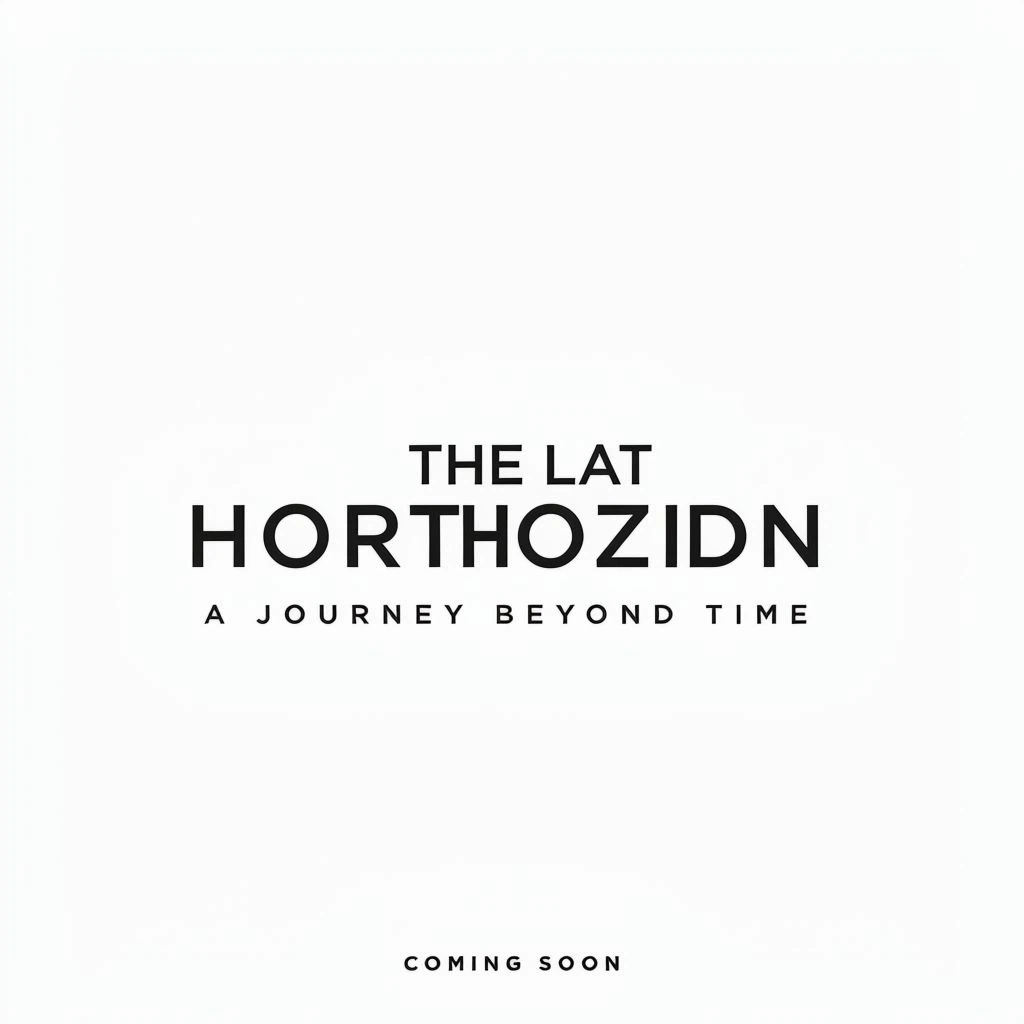
A cinematic movie poster titled “THE LAST HORIZON”. Add the subtitle “A JOURNEY BEYOND TIME” and the release text “COMING SOON”. Ensure every word is sharp, correctly spelled, and clearly readable.

A premium travel poster for “TOKYO AFTER DARK”. Large, perfectly legible typography, bold modern sans-serif headline, neon-lit Tokyo streets at night, glowing signs, subtle reflections on wet pavement, deep blue, magenta, and electric red color palette, clean editorial layout, sophisticated Japanese graphic design, high-end tourism campaign.
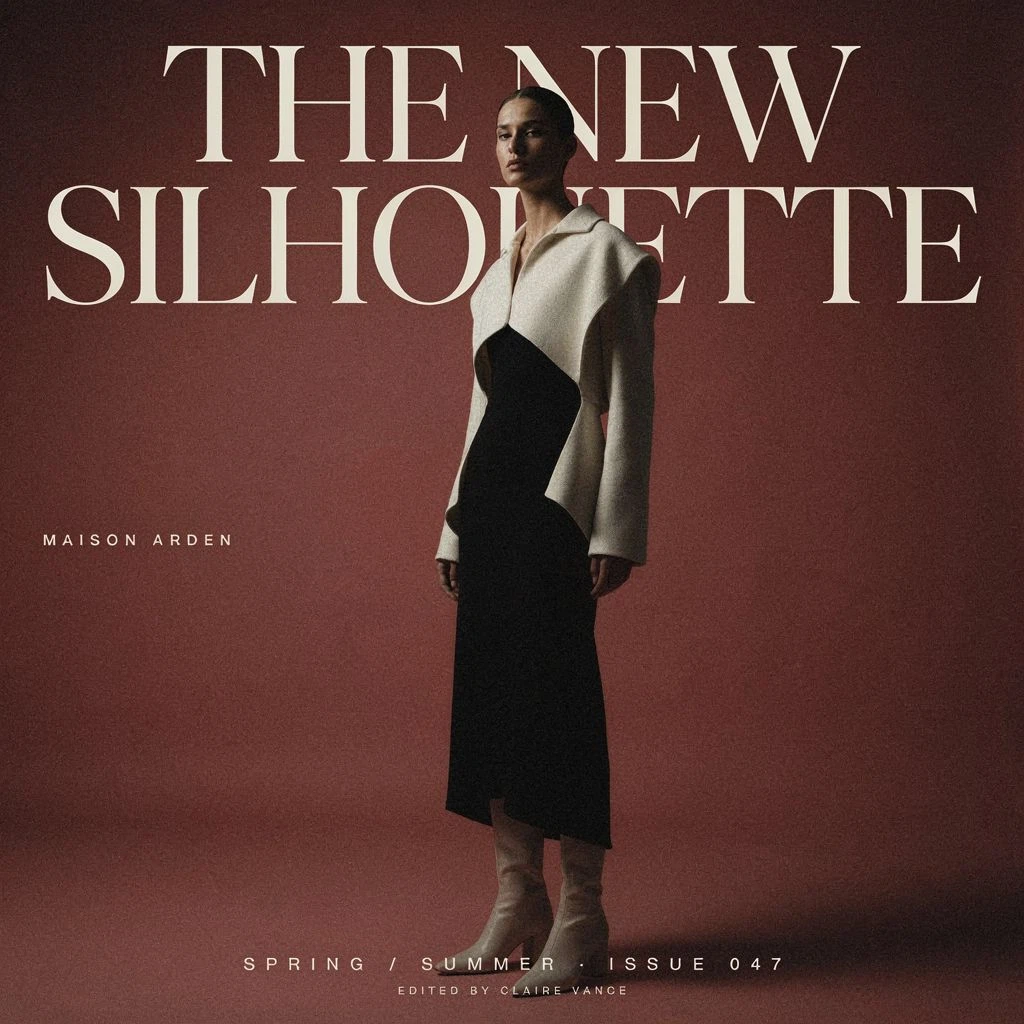
A high-fashion editorial poster for “THE NEW SILHOUETTE”. Large, perfectly legible typography, elegant oversized serif headline, a model wearing sculptural avant-garde clothing in a minimalist studio, dramatic side lighting, black, ivory, and muted red color palette, refined magazine cover composition, luxury fashion campaign.
Mô hình liên quan



README
P-Image-Ideogram Text-to-Image
P-Image-Ideogram Text-to-Image generates images from text prompts with selectable aspect ratio, resolution tier, reasoning effort, output format, and prompt upsampling. It is designed for fast image creation workflows where users need simple controls and predictable pricing across 1k and 2k outputs.
Why Choose This?
-
Text-to-image generation
Generate images directly from natural-language prompts. -
Flexible aspect ratios
Choose from square, landscape, portrait, and common social media layouts. -
Resolution tiers
Select1kfor lower-cost generation or2kfor higher-resolution output. -
Thinking level control
Choose the reasoning effort used before image generation, fromvery lowtohigh. -
Prompt upsampling
Expand the prompt before generation for additional detail when needed. -
Multiple output formats
Generate images inpng,jpeg, orwebpformat.
Parameters
| Parameter | Required | Description |
|---|---|---|
| prompt | Yes | Text prompt describing the image to generate. Minimum length: 1 character. |
| aspect_ratio | No | Aspect ratio of the generated image. Supported values: 1:1, 16:9, 9:16, 4:3, 3:4, 3:2, and 2:3. |
| resolution | No | Output resolution tier: 1k or 2k. |
| thinking | No | Reasoning effort used before image generation. Supported values: very low, low, medium, and high. |
| output_format | No | Output image format: png, jpeg, or webp. |
| prompt_upsampling | No | Expand the prompt before generation for additional detail. |
How to Use
- Write your prompt — Describe the image you want to generate.
- Choose aspect ratio — Select the layout that matches your target format.
- Choose resolution — Use
1kfor lower-cost generation or2kfor higher-resolution output. - Set thinking level — Select the reasoning effort used before image generation.
- Choose output format — Select
png,jpeg, orwebp. - Submit — Generate the final image and retrieve the output URL.
Pricing
Pricing depends on selected resolution and thinking.
| Resolution | very low | low | medium | high |
|---|---|---|---|---|
| 1k | $0.003 | $0.0075 | $0.010 | $0.015 |
| 2k | $0.006 | $0.015 | $0.020 | $0.030 |
Best Use Cases
- Prompt-based image generation — Create images directly from text prompts.
- Marketing visuals — Generate campaign images, social graphics, and promotional assets.
- Concept exploration — Quickly test visual ideas, styles, layouts, and creative directions.
- Design drafts — Create early-stage visuals before moving into final design production.
- Layout-specific images — Generate square, portrait, and landscape images for different use cases.
Related Models
- P-Image Edit — Edit images with prompt-guided instructions.
- P-Video Image-to-Video — Generate video from an input image and prompt.
- P-Video Animate — Animate images or visual inputs into motion-based video outputs.
P Image Ideogram API — Quick start
Grab a WaveSpeedAI API key, then call POST https://api.wavespeed.ai/api/v3/pruna-ai/p-image/ideogram with your input as JSON. The endpoint returns a prediction id. Start polling the result endpoint around every 2 seconds, increase the interval for long-running tasks, and stop on any terminal status. On completed, read output values from data.outputs. Examples for P Image Ideogram below.
HTTP example
set -euo pipefail

: "${WAVESPEED_API_KEY:?Set WAVESPEED_API_KEY}"

REQUEST_BODY=$(cat <<'JSON'
{
    "prompt": "A cinematic shot of a city at sunset, soft golden light",
    "aspect_ratio": "1:1",
    "resolution": "1k",
    "thinking": "high",
    "output_format": "jpeg",
    "prompt_upsampling": true
}
JSON
)

# 1. Submit the prediction.
SUBMIT_RESPONSE=$(curl --silent --show-error --fail-with-body \
  -X POST "https://api.wavespeed.ai/api/v3/pruna-ai/p-image/ideogram" \
  -H "Content-Type: application/json" \
  -H "Authorization: Bearer $WAVESPEED_API_KEY" \
  -d "$REQUEST_BODY")

TASK=$(printf '%s' "$SUBMIT_RESPONSE" | jq 'if has("data") then .data else . end')
PREDICTION_ID=$(printf '%s' "$TASK" | jq -r '.id')
if [ -z "$PREDICTION_ID" ] || [ "$PREDICTION_ID" = "null" ]; then
  printf 'Submission response did not contain a prediction id
' >&2
  exit 1
fi
RESULT_URL=$(printf '%s' "$TASK" | jq -r '.urls.get // empty')
if [ -z "$RESULT_URL" ]; then
  RESULT_URL="https://api.wavespeed.ai/api/v3/predictions/$PREDICTION_ID/result"
fi

# 2. Poll until the prediction finishes.
while true; do
  RESPONSE=$(curl --silent --show-error --fail-with-body "$RESULT_URL" \
    -H "Authorization: Bearer $WAVESPEED_API_KEY")
  RESULT=$(printf '%s' "$RESPONSE" | jq 'if has("data") then .data else . end')
  STATUS=$(printf '%s' "$RESULT" | jq -r '.status')
  case "$STATUS" in
    completed) printf '%s\n' "$RESULT" | jq '.outputs'; break ;;
    failed|cancelled|timeout) printf '%s\n' "$RESULT" | jq . >&2; exit 1 ;;
    created|processing) sleep 2 ;;
    *) printf 'Unexpected status: %s
' "$STATUS" >&2; exit 1 ;;
  esac
done
Node.js example
const submitUrl = "https://api.wavespeed.ai/api/v3/pruna-ai/p-image/ideogram";
const apiKey = process.env.WAVESPEED_API_KEY;
if (!apiKey) throw new Error('Set WAVESPEED_API_KEY');

async function requestJson(url, options = {}) {
  const response = await fetch(url, options);
  if (!response.ok) throw new Error(await response.text());
  return response.json();
}

// 1. Submit the prediction.
const body = await requestJson(submitUrl, {
  method: "POST",
  headers: {
    "Authorization": `Bearer ${apiKey}`,
    "Content-Type": "application/json",
  },
  body: JSON.stringify({
        "prompt": "A cinematic shot of a city at sunset, soft golden light",
        "aspect_ratio": "1:1",
        "resolution": "1k",
        "thinking": "high",
        "output_format": "jpeg",
        "prompt_upsampling": true
}),
});
const task = body.data ?? body;
if (!task.id) throw new Error("Submission response did not contain a prediction id");
const resultUrl = task.urls?.get ||
  `https://api.wavespeed.ai/api/v3/predictions/${task.id}/result`;

// 2. Poll until the prediction finishes.
while (true) {
  const resultBody = await requestJson(resultUrl, {
    headers: { "Authorization": `Bearer ${apiKey}` },
  });
  const result = resultBody.data ?? resultBody;
  if (result.status === "completed") {
    console.log(result.outputs);
    break;
  }
  if (["failed", "cancelled", "timeout"].includes(result.status)) throw new Error(JSON.stringify(result));
  if (!["created", "processing"].includes(result.status)) throw new Error("Unexpected status: " + result.status);
  await new Promise(resolve => setTimeout(resolve, 2000));
}
Python example
import json
import os
import time
from urllib.request import Request, urlopen

api_key = os.environ["WAVESPEED_API_KEY"]
headers = {"Authorization": f"Bearer {api_key}", "Content-Type": "application/json"}
payload = {
    "prompt": "A cinematic shot of a city at sunset, soft golden light",
    "aspect_ratio": "1:1",
    "resolution": "1k",
    "thinking": "high",
    "output_format": "jpeg",
    "prompt_upsampling": True
}

def request_json(url, data=None):
    request = Request(url, data=data, headers=headers, method="POST" if data else "GET")
    with urlopen(request) as response:
        return json.load(response)

# 1. Submit the prediction.
body = request_json("https://api.wavespeed.ai/api/v3/pruna-ai/p-image/ideogram", json.dumps(payload).encode())
task = body.get("data", body)
if not task.get("id"):
    raise RuntimeError("Submission response did not contain a prediction id")
result_url = task.get("urls", {}).get("get") or f"https://api.wavespeed.ai/api/v3/predictions/{task['id']}/result"

# 2. Poll until the prediction finishes.
while True:
    result_body = request_json(result_url)
    result = result_body.get("data", result_body)
    status = result.get("status")
    if status == "completed":
        print(result.get("outputs", []))
        break
    if status in {"failed", "cancelled", "timeout"}:
        raise RuntimeError(result)
    if status not in {"created", "processing"}:
        raise RuntimeError(f"Unexpected status: {status}")
    time.sleep(2)
P Image Ideogram API — Frequently asked questions
What is the P Image Ideogram API?
P Image Ideogram is a Pruna Ai model for image generation, exposed as a REST API on WaveSpeedAI. Pruna P-Image Ideogram generates high-quality images from text prompts, including layout-driven visuals with accurately rendered text. It supports controllable levels of detail to balance speed and quality, along with 1K/2 K resolution, aspect ratio selection, and flexible output formats. Ready-to-use REST inference API, best performance, no coldstarts, affordable pricing. You can call it programmatically or try it from the playground above.
How do I call the P Image Ideogram API?
POST your input parameters to the model's REST endpoint (shown in the API tab of this playground) with your WaveSpeedAI API key in the Authorization header. Submission returns a prediction ID. Poll the result endpoint starting around every 2 seconds, increase the interval for long-running tasks, and stop on any terminal status. The playground generates production-oriented Python, JavaScript, and cURL examples with timeouts, transient-error handling, and safe GET retries. Full request/response shape is documented at https://wavespeed.ai/docs/docs-api/pruna-ai/pruna-ai-p-image-ideogram.
How much does P Image Ideogram cost per run?
P Image Ideogram starts at $0.050 per run. That figure is the base price — the final charge scales with the parameters you set in the form (output size, length, count, references, or whatever knobs this model exposes), so a higher-quality or larger output costs more than a minimal one. The exact cost for your current input is shown live next to the Generate button before you submit, and the actual per-call charge is recorded on the prediction afterwards.
What inputs does P Image Ideogram accept?
Key inputs: `prompt`, `aspect_ratio`, `resolution`, `enable_base64_output`, `enable_sync_mode`, `output_format`. The full JSON schema (types, defaults, allowed values) is rendered above the Generate button and mirrored in the API reference at https://wavespeed.ai/docs/docs-api/pruna-ai/pruna-ai-p-image-ideogram.
How long does P Image Ideogram take to generate?
Median end-to-end generation time on WaveSpeedAI is around 8 seconds per request, based on recent successful runs. Queue time varies with global demand; live status is visible in the prediction record.
Can I use P Image Ideogram outputs commercially?
Commercial usage rights depend on the model's license, set by its provider (Pruna Ai). The license summary appears on the model card above; see WaveSpeedAI's Terms of Service for platform-level conditions.