FLUX 3 Text-to-Video Draft generates short draft videos from text prompts with coherent motion, prompt-guided camera direction, optional synchronized audio, and pricing optimized for rapid iteration.
Idle
$0.3per run·~33 / $10
ExamplesView all
A young drummer waits alone beneath a concrete overpass with a small drum kit while evening traffic passes overhead. A guitarist arrives, then a saxophone player, then a woman carrying an upright bass. Without speaking, they begin playing together. The camera starts with a static wide shot, moves into rhythmic handheld close-ups of each musician, then circles around the group as pedestrians gradually stop to listen. By the end, the empty space has turned into a spontaneous street concert. Cinematic urban music film, natural performances, golden-hour light, energetic but realistic camera work.
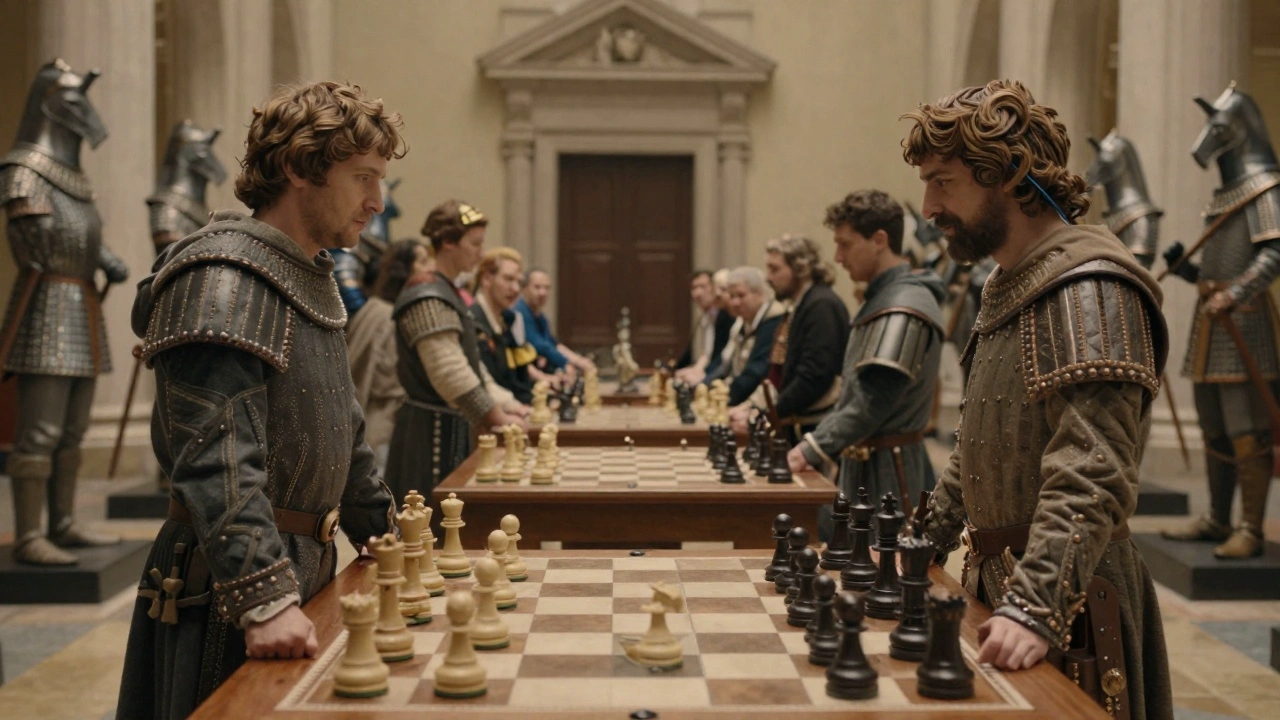
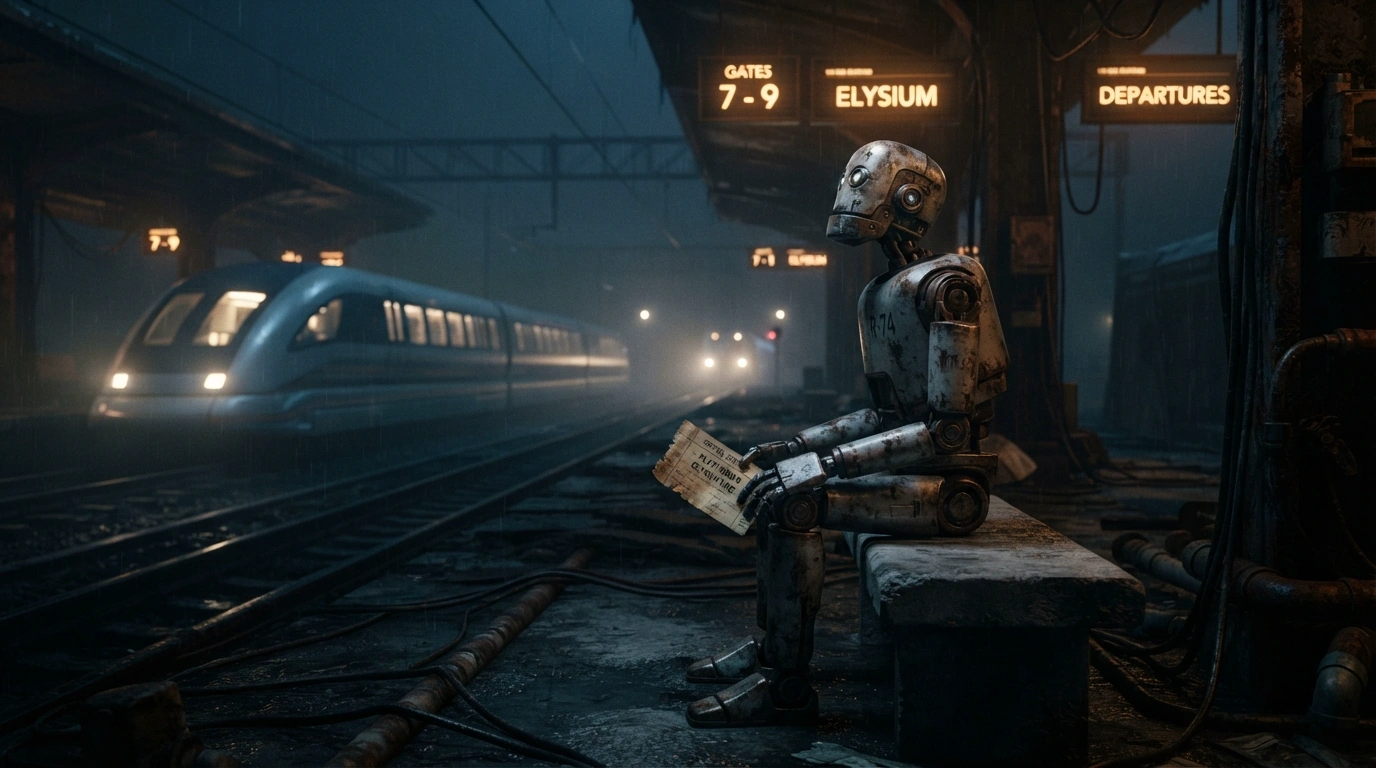
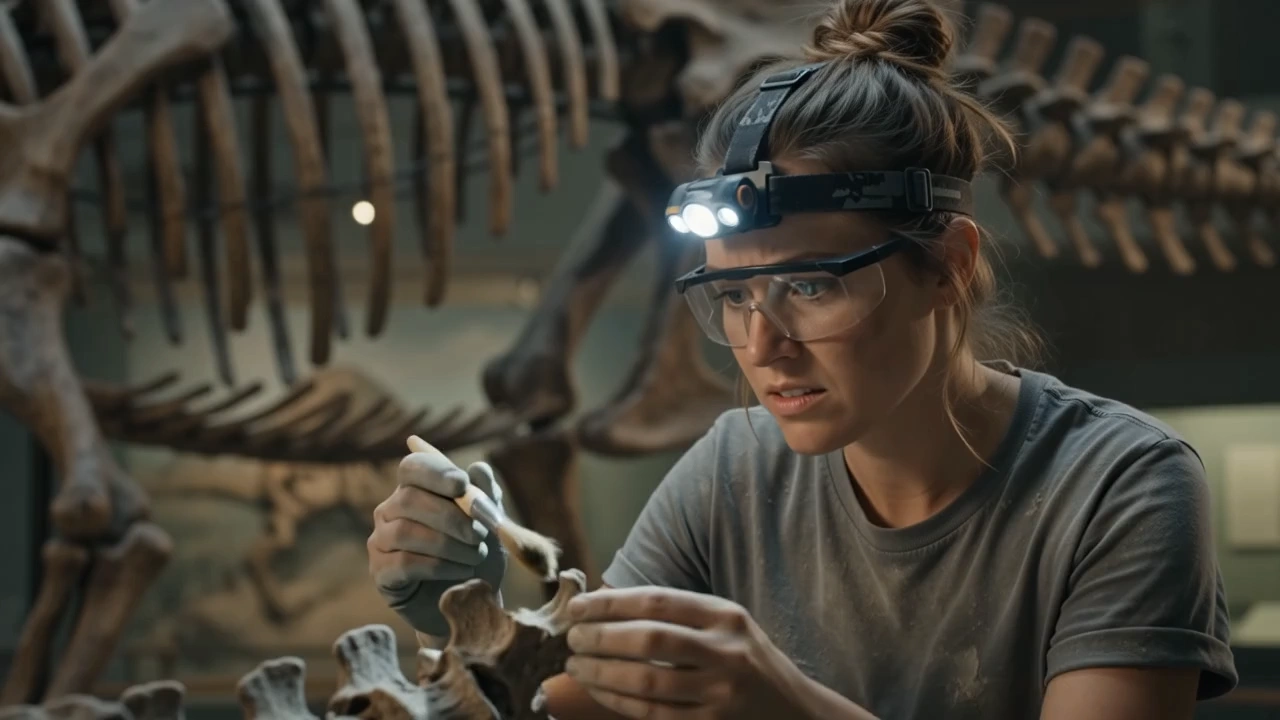
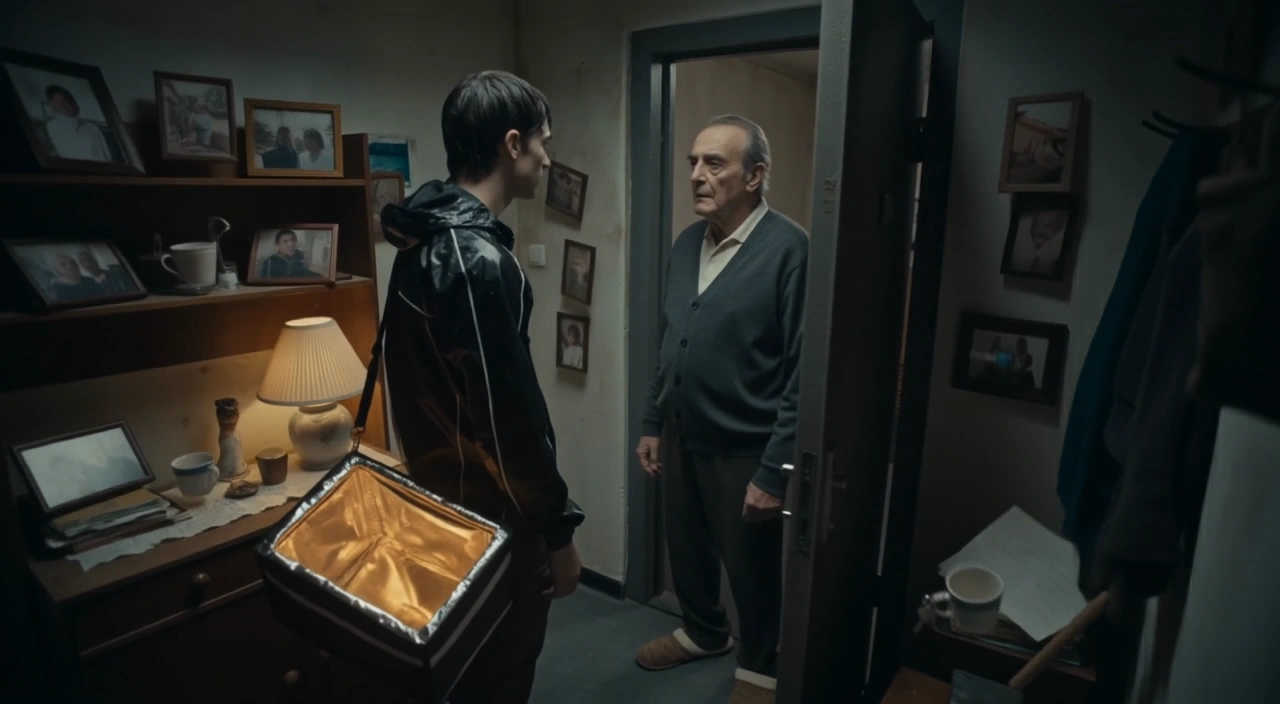
Related Models

README
FLUX 3 Draft Text-to-Video
FLUX 3 Draft Text-to-Video turns a written prompt into a fast draft video preview with coherent motion and prompt-guided scene composition. It is designed for rapid ideation, storyboarding, prompt iteration, and testing creative directions before moving to a final-quality workflow.
Why Choose This?
-
Text-to-video draft generation
Generate draft videos directly from natural-language prompts. -
Fast creative testing
Explore subject behavior, scene structure, camera movement, lighting, pacing, and visual style quickly. -
Prompt-guided motion
Describe action, timing, camera direction, environment, mood, and style in one prompt. -
Optional synchronized audio
Generate matching audio for early ambience, effects, music, or dialogue tests. -
Flexible duration
Choose a draft video duration from5to20seconds. -
Multiple aspect ratios
Supports landscape, portrait, square, and cinematic formats.
Parameters
| Parameter | Required | Description |
|---|---|---|
| prompt | Yes | Describe the subject, action, environment, camera movement, timing, mood, lighting, and visual style of the draft video. |
| aspect_ratio | No | Output aspect ratio. Options: 21:9, 2:1, 16:9, 4:3, 1:1, 3:4, or 9:16. Default: 9:16. |
| duration | No | Draft video duration in seconds. Range: 5–20. Default: 5. |
| generate_audio | No | Generate synchronized audio for the draft video. Default: true. |
How to Use
- Write the prompt — Describe the subject, action, setting, camera movement, timing, lighting, mood, and visual style.
- Choose aspect ratio — Select the output format that matches your target use case.
- Set duration — Choose a draft duration from
5to20seconds. - Configure audio optional — Enable
generate_audiowhen you want to test ambience, effects, music, or dialogue. - Generate variations — Compare motion, composition, and pacing across multiple drafts.
- Refine the prompt — Adjust the scene direction before moving to a final-quality workflow.
Pricing
Pricing is based on billed video duration.
Billed duration is rounded up to the next whole second and capped at 20 seconds. The API accepts durations from 5 to 20 seconds. Audio generation does not add a separate charge.
| Billing Unit | Price |
|---|---|
| Per 5s | $0.30 |
| Per second | $0.06 |
Example Costs
| Duration | Billed Duration | Cost |
|---|---|---|
| 5s | 5s | $0.30 |
| 10s | 10s | $0.60 |
| 15s | 15s | $0.90 |
| 20s | 20s | $1.20 |
Best Use Cases
- Rapid prompt testing — Test different scene ideas, actions, and visual styles quickly.
- Storyboarding — Turn written concepts into motion previews for planning and review.
- Pre-visualization — Explore camera movement, pacing, and scene composition before production.
- Social video concepts — Draft vertical, square, landscape, or cinematic content ideas.
- Advertising drafts — Test early product-video, brand, or campaign directions.
- Motion comparison — Compare multiple camera paths or timing choices from the same concept.
Pro Tips
- Start with one clear action so the draft has a focused motion target.
- Include the subject, setting, action, camera movement, lighting, mood, and style.
- Add camera instructions such as tracking shot, dolly-in, orbit, zoom, tilt, or locked-off frame.
- Use short timing cues when the scene has multiple beats.
- Keep the first prompt simple, then add more secondary details after the motion direction is stable.
- Use shorter durations for quick iteration and longer durations when the scene needs more time to unfold.
Related Models
- FLUX 3 Draft Start-End-to-Video — Generate a draft transition between a start image and an end image.
- FLUX 3 Draft Image-to-Video — Animate a reference image into a draft video.
- FLUX 3 Draft Video Extend — Extend an existing video with a new draft continuation.
Flux 3 Text To Video Draft API — Quick start
Grab a WaveSpeedAI API key, then call POST https://api.wavespeed.ai/api/v3/black-forest-labs/flux-3/text-to-video-draft with your input as JSON. The endpoint returns a prediction id. Start polling the result endpoint around every 2 seconds, increase the interval for long-running tasks, and stop on any terminal status. On completed, read output values from data.outputs. Examples for Flux 3 Text To Video Draft below.
HTTP example
set -euo pipefail

: "${WAVESPEED_API_KEY:?Set WAVESPEED_API_KEY}"

REQUEST_BODY=$(cat <<'JSON'
{
    "prompt": "A cinematic shot of a city at sunset, soft golden light",
    "aspect_ratio": "16:9",
    "duration": 5,
    "generate_audio": true
}
JSON
)

# 1. Submit the prediction.
SUBMIT_RESPONSE=$(curl --silent --show-error --fail-with-body \
  -X POST "https://api.wavespeed.ai/api/v3/black-forest-labs/flux-3/text-to-video-draft" \
  -H "Content-Type: application/json" \
  -H "Authorization: Bearer $WAVESPEED_API_KEY" \
  -d "$REQUEST_BODY")

TASK=$(printf '%s' "$SUBMIT_RESPONSE" | jq 'if has("data") then .data else . end')
PREDICTION_ID=$(printf '%s' "$TASK" | jq -r '.id')
if [ -z "$PREDICTION_ID" ] || [ "$PREDICTION_ID" = "null" ]; then
  printf 'Submission response did not contain a prediction id
' >&2
  exit 1
fi
RESULT_URL="https://api.wavespeed.ai/api/v3/predictions/$PREDICTION_ID/result"

# 2. Poll until the prediction finishes.
while true; do
  RESPONSE=$(curl --silent --show-error --fail-with-body "$RESULT_URL" \
    -H "Authorization: Bearer $WAVESPEED_API_KEY")
  RESULT=$(printf '%s' "$RESPONSE" | jq 'if has("data") then .data else . end')
  STATUS=$(printf '%s' "$RESULT" | jq -r '.status')
  case "$STATUS" in
    completed) printf '%s\n' "$RESULT" | jq '.outputs'; break ;;
    failed|cancelled|timeout|deleted) printf '%s\n' "$RESULT" | jq . >&2; exit 1 ;;
    *) sleep 2 ;;
  esac
done
Node.js example
const submitUrl = "https://api.wavespeed.ai/api/v3/black-forest-labs/flux-3/text-to-video-draft";
const apiKey = process.env.WAVESPEED_API_KEY;
if (!apiKey) throw new Error('Set WAVESPEED_API_KEY');

async function requestJson(url, options = {}) {
  const response = await fetch(url, options);
  if (!response.ok) throw new Error(await response.text());
  return response.json();
}

// 1. Submit the prediction.
const body = await requestJson(submitUrl, {
  method: "POST",
  headers: {
    "Authorization": `Bearer ${apiKey}`,
    "Content-Type": "application/json",
  },
  body: JSON.stringify({
        "prompt": "A cinematic shot of a city at sunset, soft golden light",
        "aspect_ratio": "16:9",
        "duration": 5,
        "generate_audio": true
}),
});
const task = body.data ?? body;
if (!task.id) throw new Error("Submission response did not contain a prediction id");
const resultUrl = `https://api.wavespeed.ai/api/v3/predictions/${task.id}/result`;

// 2. Poll until the prediction finishes.
while (true) {
  const resultBody = await requestJson(resultUrl, {
    headers: { "Authorization": `Bearer ${apiKey}` },
  });
  const result = resultBody.data ?? resultBody;
  if (result.status === "completed") {
    console.log(result.outputs);
    break;
  }
  if (["failed", "cancelled", "timeout", "deleted"].includes(result.status)) throw new Error(JSON.stringify(result));
  await new Promise(resolve => setTimeout(resolve, 2000));
}
Python example
import json
import os
import time
from urllib.request import Request, urlopen

api_key = os.environ["WAVESPEED_API_KEY"]
headers = {"Authorization": f"Bearer {api_key}", "Content-Type": "application/json"}
payload = {
    "prompt": "A cinematic shot of a city at sunset, soft golden light",
    "aspect_ratio": "16:9",
    "duration": 5,
    "generate_audio": True
}

def request_json(url, data=None):
    request = Request(url, data=data, headers=headers, method="POST" if data else "GET")
    with urlopen(request) as response:
        return json.load(response)

# 1. Submit the prediction.
body = request_json("https://api.wavespeed.ai/api/v3/black-forest-labs/flux-3/text-to-video-draft", json.dumps(payload).encode())
task = body.get("data", body)
if not task.get("id"):
    raise RuntimeError("Submission response did not contain a prediction id")
result_url = f"https://api.wavespeed.ai/api/v3/predictions/{task['id']}/result"

# 2. Poll until the prediction finishes.
while True:
    result_body = request_json(result_url)
    result = result_body.get("data", result_body)
    status = result.get("status")
    if status == "completed":
        print(result.get("outputs", []))
        break
    if status in {"failed", "cancelled", "timeout", "deleted"}:
        raise RuntimeError(result)
    time.sleep(2)
Flux 3 Text To Video Draft API — Frequently asked questions
What is the Flux 3 Text To Video Draft API?
Flux 3 Text To Video Draft is a Black Forest Labs model for video generation, exposed as a REST API on WaveSpeedAI. FLUX 3 Text-to-Video Draft generates short draft videos from text prompts with coherent motion, prompt-guided camera direction, optional synchronized audio, and pricing optimized for rapid iteration. You can call it programmatically or try it from the playground above.
How do I call the Flux 3 Text To Video Draft API?
POST your input parameters to the model's REST endpoint (shown in the API tab of this playground) with your WaveSpeedAI API key in the Authorization header. Submission returns a prediction ID. Poll the result endpoint starting around every 2 seconds, increase the interval for long-running tasks, and stop on any terminal status. The playground generates Python, JavaScript, and cURL examples for submitting requests and polling results. Full request/response shape is documented at https://wavespeed.ai/docs/docs-api/black-forest-labs/black-forest-labs-flux-3-text-to-video-draft.
How much does Flux 3 Text To Video Draft cost per run?
Flux 3 Text To Video Draft starts at $0.3 per run. That figure is the base price — the final charge scales with the parameters you set in the form (output size, length, count, references, or whatever knobs this model exposes), so a higher-quality or larger output costs more than a minimal one. The exact cost for your current input is shown live next to the Generate button before you submit, and the actual per-call charge is recorded on the prediction afterwards.
What inputs does Flux 3 Text To Video Draft accept?
Key inputs: `prompt`, `aspect_ratio`, `duration`, `generate_audio`. The full JSON schema (types, defaults, allowed values) is rendered above the Generate button and mirrored in the API reference at https://wavespeed.ai/docs/docs-api/black-forest-labs/black-forest-labs-flux-3-text-to-video-draft.
How long does Flux 3 Text To Video Draft take to generate?
Reported generation time on WaveSpeedAI is around 97 seconds per request. This is an estimate, not a latency guarantee; queue time and input settings can change the total wait. live status is visible in the prediction record.
Can I use Flux 3 Text To Video Draft outputs commercially?
Commercial usage rights depend on the model's license, set by its provider (Black Forest Labs). Check the provider's applicable terms and WaveSpeedAI's Terms of Service before commercial use.