Google Veo3.1 Reference-to-Video performs image-to-video generation that preserves a specific subject's appearance and identity from provided reference images, enabling consistent character or product motion across frames. Ready-to-use REST inference API, best performance, no coldstarts, affordable pricing.
Inattivo
$3.2per esecuzione
EsempiVedi tutto
The man is feeding penguins noodles, and he happily says: Eat up, eat your fill!
A man is catwalking with a bag that has a reference picture.
A gentle man is playing the violin by the roadside on a quiet night.
On the church aisle, the bride held a bouquet and walked toward her groom, saying to him, "I do."
One character, wearing the top from Picture 1 and the pants from Picture 2, takes two natural steps facing the camera in the scene from Picture 3.
Modelli correlati



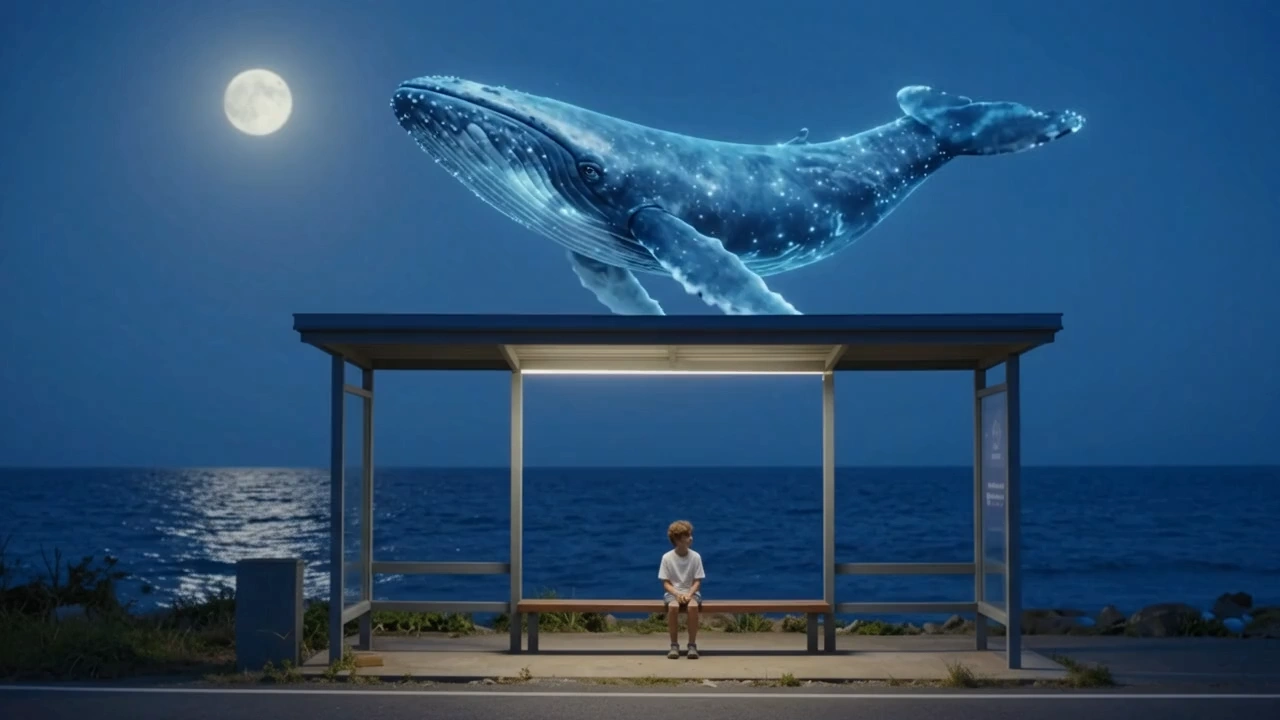
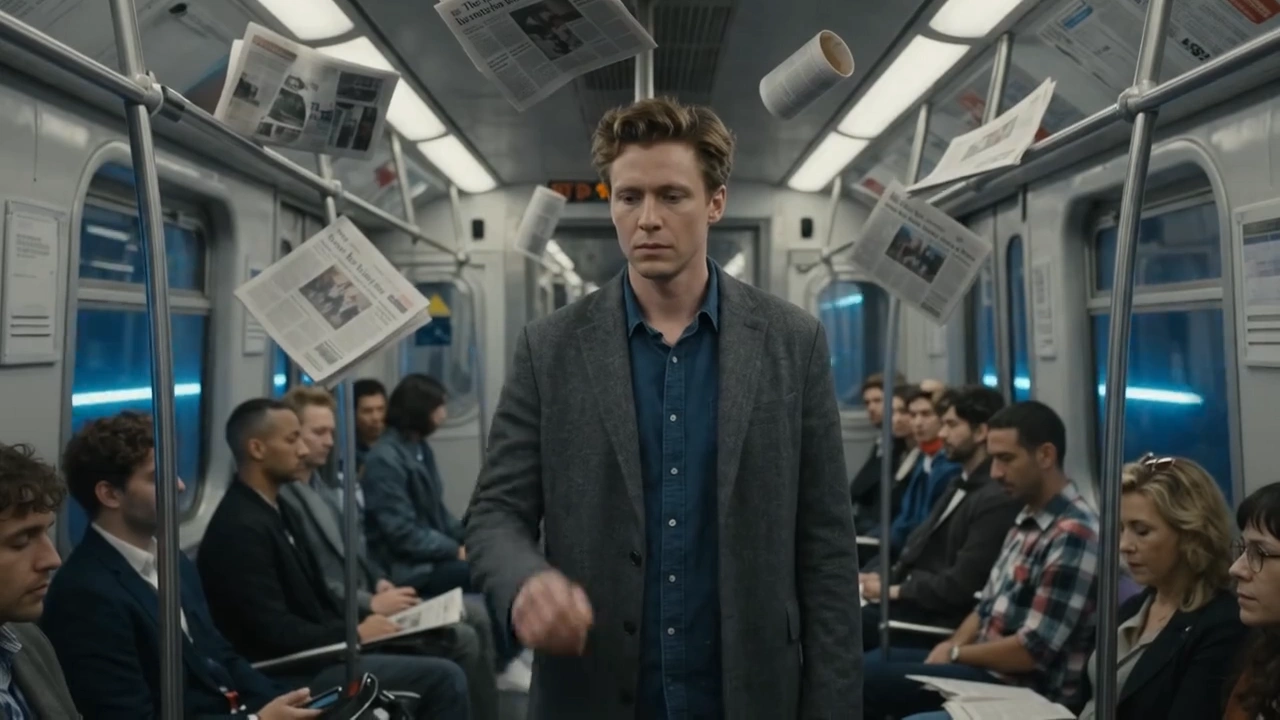

README
Google Veo 3.1 — Reference-to-Video Model
Veo 3.1 Reference-to-Video brings static images to life by combining visual reference consistency with cinematic motion generation. Powered by Google DeepMind’s next-generation Veo 3.1 architecture, this model transforms up to three reference images into coherent 5-second videos with smooth motion, accurate visual alignment, and synchronized native audio.
🌟 Key Features
🧠 Multi-Image Reference Support
- Accepts up to three reference images to define the subject, environment, or style.
- Maintains consistent identity, lighting, and appearance across frames.
- Ideal for animating people, objects, or scenes with reliable fidelity.
🎬 Cinematic Video Generation
- Produces 5-second motion clips at 1080p or 720p resolution.
- Adds camera dynamics such as panning, zooming, or subtle perspective drift.
- Supports synchronized audio generation, matching dialogue or ambient context.
💡 Smart Prompt Adherence
- Interprets both text instructions and visual cues for precise motion storytelling.
- Automatically harmonizes character interactions, props, and backgrounds.
⚙️ Capabilities
-
Input:
-
Up to 3 reference images (JPEG / PNG / WEBP)
-
Text prompt describing motion, action, and scene context
-
Output:
-
8-second MP4 video (720p or 1080p)
-
Optional synchronized audio
-
Negative Prompt (optional):
-
Exclude unwanted artifacts or elements (e.g., “no text”, “no flicker”).
-
Seed (optional):
-
Reproduce specific results for consistent creative control.
💰 Pricing
| Duration | Resolution | With Audio | Without Audio |
|---|---|---|---|
| 8 seconds | 720p | $3.20 | $1.60 |
| 8 seconds | 1080p | $3.20 | $1.60 |
✅ Commercial use allowed
🧩 How to Use
- Upload up to 3 reference images — define the subject, object, or visual style.
- Write a text prompt — describe the action, setting, and camera motion.
- (Optional) Add a negative prompt to remove unwanted details.
- Choose resolution (720p or 1080p).
- (Optional) Enable audio generation for synchronized sound.
- Click Run to generate your 5-second cinematic video.
💡 Best Practices
- Use clear, well-lit reference images with similar styles and proportions.
- Keep prompts concise but specific (e.g., “The man in image 1 waves to the penguins in image 2 under bright sunlight”).
- Avoid overly complex scenarios with many characters or fast movement.
- Enable audio for more immersive storytelling results.
📝 Notes
- Ensure uploaded images are valid and accessible URLs or uploaded locally.
- If the output looks unstable, reduce reference count or simplify the prompt.
- Follow Google’s content safety rules; modify the prompt if flagged.
- For best performance, prefer portrait-oriented subjects and balanced lighting.
Veo3.1 Reference To Video API — Quick start
Grab a WaveSpeedAI API key, then call POST https://api.wavespeed.ai/api/v3/google/veo3.1/reference-to-video with your input as JSON. The endpoint returns a prediction id. Start polling the result endpoint around every 2 seconds, increase the interval for long-running tasks, and stop on any terminal status. On completed, read output values from data.outputs. Examples for Veo3.1 Reference To Video below.
HTTP example
set -euo pipefail

: "${WAVESPEED_API_KEY:?Set WAVESPEED_API_KEY}"

REQUEST_BODY=$(cat <<'JSON'
{
    "prompt": "A cinematic shot of a city at sunset, soft golden light",
    "images": [
        "https://interactive-examples.mdn.mozilla.net/media/cc0-images/painted-hand-298-332.jpg"
    ],
    "resolution": "1080p",
    "generate_audio": true
}
JSON
)

# 1. Submit the prediction.
SUBMIT_RESPONSE=$(curl --silent --show-error --fail-with-body \
  -X POST "https://api.wavespeed.ai/api/v3/google/veo3.1/reference-to-video" \
  -H "Content-Type: application/json" \
  -H "Authorization: Bearer $WAVESPEED_API_KEY" \
  -d "$REQUEST_BODY")

TASK=$(printf '%s' "$SUBMIT_RESPONSE" | jq 'if has("data") then .data else . end')
PREDICTION_ID=$(printf '%s' "$TASK" | jq -r '.id')
if [ -z "$PREDICTION_ID" ] || [ "$PREDICTION_ID" = "null" ]; then
  printf 'Submission response did not contain a prediction id
' >&2
  exit 1
fi
RESULT_URL=$(printf '%s' "$TASK" | jq -r '.urls.get // empty')
if [ -z "$RESULT_URL" ]; then
  RESULT_URL="https://api.wavespeed.ai/api/v3/predictions/$PREDICTION_ID/result"
fi

# 2. Poll until the prediction finishes.
while true; do
  RESPONSE=$(curl --silent --show-error --fail-with-body "$RESULT_URL" \
    -H "Authorization: Bearer $WAVESPEED_API_KEY")
  RESULT=$(printf '%s' "$RESPONSE" | jq 'if has("data") then .data else . end')
  STATUS=$(printf '%s' "$RESULT" | jq -r '.status')
  case "$STATUS" in
    completed) printf '%s\n' "$RESULT" | jq '.outputs'; break ;;
    failed|cancelled|timeout) printf '%s\n' "$RESULT" | jq . >&2; exit 1 ;;
    created|processing) sleep 2 ;;
    *) printf 'Unexpected status: %s
' "$STATUS" >&2; exit 1 ;;
  esac
done
Node.js example
const submitUrl = "https://api.wavespeed.ai/api/v3/google/veo3.1/reference-to-video";
const apiKey = process.env.WAVESPEED_API_KEY;
if (!apiKey) throw new Error('Set WAVESPEED_API_KEY');

async function requestJson(url, options = {}) {
  const response = await fetch(url, options);
  if (!response.ok) throw new Error(await response.text());
  return response.json();
}

// 1. Submit the prediction.
const body = await requestJson(submitUrl, {
  method: "POST",
  headers: {
    "Authorization": `Bearer ${apiKey}`,
    "Content-Type": "application/json",
  },
  body: JSON.stringify({
        "prompt": "A cinematic shot of a city at sunset, soft golden light",
        "images": [
                "https://interactive-examples.mdn.mozilla.net/media/cc0-images/painted-hand-298-332.jpg"
        ],
        "resolution": "1080p",
        "generate_audio": true
}),
});
const task = body.data ?? body;
if (!task.id) throw new Error("Submission response did not contain a prediction id");
const resultUrl = task.urls?.get ||
  `https://api.wavespeed.ai/api/v3/predictions/${task.id}/result`;

// 2. Poll until the prediction finishes.
while (true) {
  const resultBody = await requestJson(resultUrl, {
    headers: { "Authorization": `Bearer ${apiKey}` },
  });
  const result = resultBody.data ?? resultBody;
  if (result.status === "completed") {
    console.log(result.outputs);
    break;
  }
  if (["failed", "cancelled", "timeout"].includes(result.status)) throw new Error(JSON.stringify(result));
  if (!["created", "processing"].includes(result.status)) throw new Error("Unexpected status: " + result.status);
  await new Promise(resolve => setTimeout(resolve, 2000));
}
Python example
import json
import os
import time
from urllib.request import Request, urlopen

api_key = os.environ["WAVESPEED_API_KEY"]
headers = {"Authorization": f"Bearer {api_key}", "Content-Type": "application/json"}
payload = {
    "prompt": "A cinematic shot of a city at sunset, soft golden light",
    "images": [
        "https://interactive-examples.mdn.mozilla.net/media/cc0-images/painted-hand-298-332.jpg"
    ],
    "resolution": "1080p",
    "generate_audio": True
}

def request_json(url, data=None):
    request = Request(url, data=data, headers=headers, method="POST" if data else "GET")
    with urlopen(request) as response:
        return json.load(response)

# 1. Submit the prediction.
body = request_json("https://api.wavespeed.ai/api/v3/google/veo3.1/reference-to-video", json.dumps(payload).encode())
task = body.get("data", body)
if not task.get("id"):
    raise RuntimeError("Submission response did not contain a prediction id")
result_url = task.get("urls", {}).get("get") or f"https://api.wavespeed.ai/api/v3/predictions/{task['id']}/result"

# 2. Poll until the prediction finishes.
while True:
    result_body = request_json(result_url)
    result = result_body.get("data", result_body)
    status = result.get("status")
    if status == "completed":
        print(result.get("outputs", []))
        break
    if status in {"failed", "cancelled", "timeout"}:
        raise RuntimeError(result)
    if status not in {"created", "processing"}:
        raise RuntimeError(f"Unexpected status: {status}")
    time.sleep(2)
Veo3.1 Reference To Video API — Frequently asked questions
What is the Veo3.1 Reference To Video API?
Veo3.1 Reference To Video is a Google model for video generation from images, exposed as a REST API on WaveSpeedAI. Google Veo3.1 Reference-to-Video performs image-to-video generation that preserves a specific subject's appearance and identity from provided reference images, enabling consistent character or product motion across frames. Ready-to-use REST inference API, best performance, no coldstarts, affordable pricing. You can call it programmatically or try it from the playground above.
How do I call the Veo3.1 Reference To Video API?
POST your input parameters to the model's REST endpoint (shown in the API tab of this playground) with your WaveSpeedAI API key in the Authorization header. Submission returns a prediction ID. Poll the result endpoint starting around every 2 seconds, increase the interval for long-running tasks, and stop on any terminal status. The playground generates production-oriented Python, JavaScript, and cURL examples with timeouts, transient-error handling, and safe GET retries. Full request/response shape is documented at https://wavespeed.ai/docs/docs-api/google/google-veo3.1-reference-to-video.
How much does Veo3.1 Reference To Video cost per run?
Veo3.1 Reference To Video starts at $3.20 per run. That figure is the base price — the final charge scales with the parameters you set in the form (output size, length, count, references, or whatever knobs this model exposes), so a higher-quality or larger output costs more than a minimal one. The exact cost for your current input is shown live next to the Generate button before you submit, and the actual per-call charge is recorded on the prediction afterwards.
What inputs does Veo3.1 Reference To Video accept?
Key inputs: `prompt`, `images`, `resolution`, `seed`, `negative_prompt`, `generate_audio`. The full JSON schema (types, defaults, allowed values) is rendered above the Generate button and mirrored in the API reference at https://wavespeed.ai/docs/docs-api/google/google-veo3.1-reference-to-video.
How long does Veo3.1 Reference To Video take to generate?
Median end-to-end generation time on WaveSpeedAI is around 83 seconds per request, based on recent successful runs. Queue time varies with global demand; live status is visible in the prediction record.
Can I use Veo3.1 Reference To Video outputs commercially?
Commercial usage rights depend on the model's license, set by its provider (Google). The license summary appears on the model card above; see WaveSpeedAI's Terms of Service for platform-level conditions.