
Claude Sonnet 5 API Watch: Access and Migration
Track Claude Sonnet 5 API status and prepare model IDs, pricing, context, limits, cloud access, and migration checks without rumors.
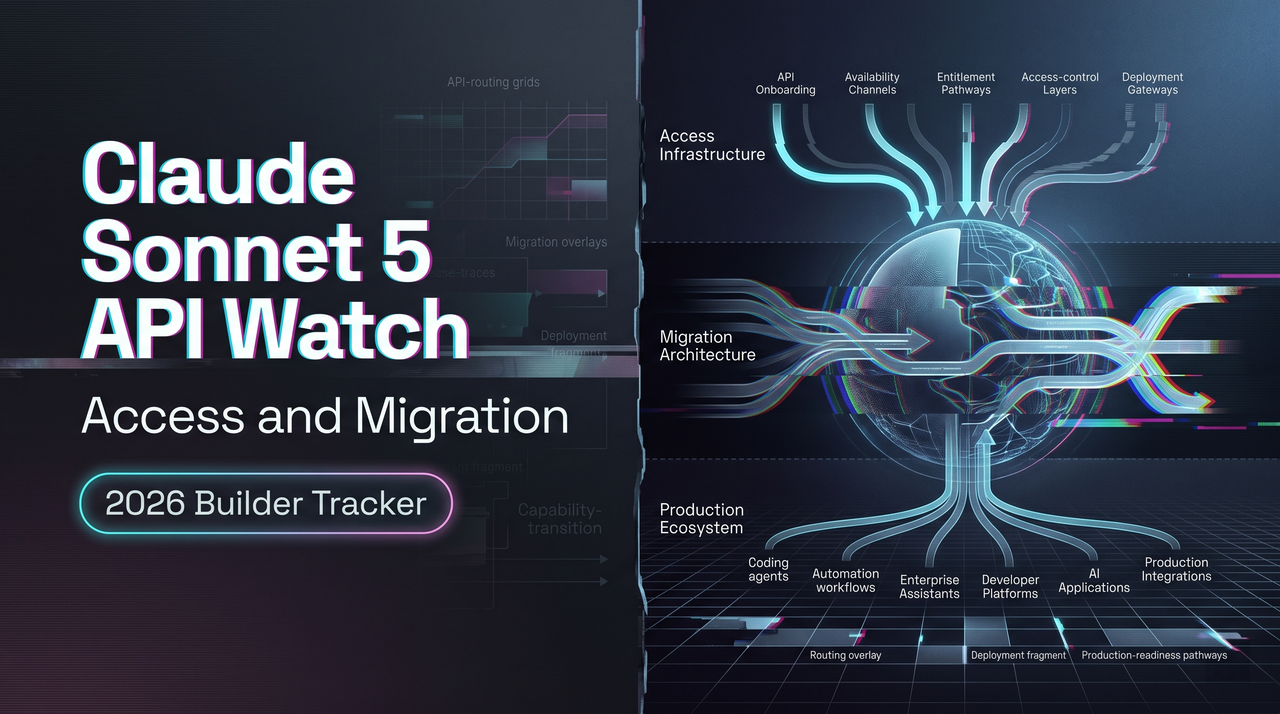
Dora still, haha. I keep getting asked when Claude Sonnet 5 lands and whether the API will look any different. Short answer as of June 23, 2026: it hasn’t. Anthropic has not announced or released a Claude Sonnet 5. The current Sonnet production baseline is Sonnet 4.6.
This piece is for teams who want to be ready when (or if) a Sonnet 5 ships, without burning hours on speculation. The job right now is preparation, not migration.
One ground rule: I won’t print numbers I can’t verify against an official Anthropic source. If you see release dates, pricing, model IDs, or benchmark scores attached to “Sonnet 5” in third-party content right now, treat them as unverified by default.
Claude Sonnet 5 API Status
What Anthropic has officially confirmed
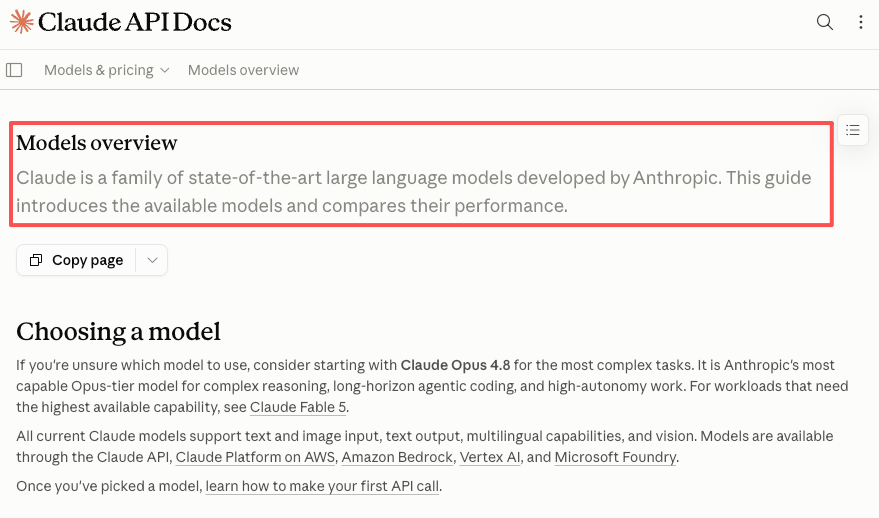
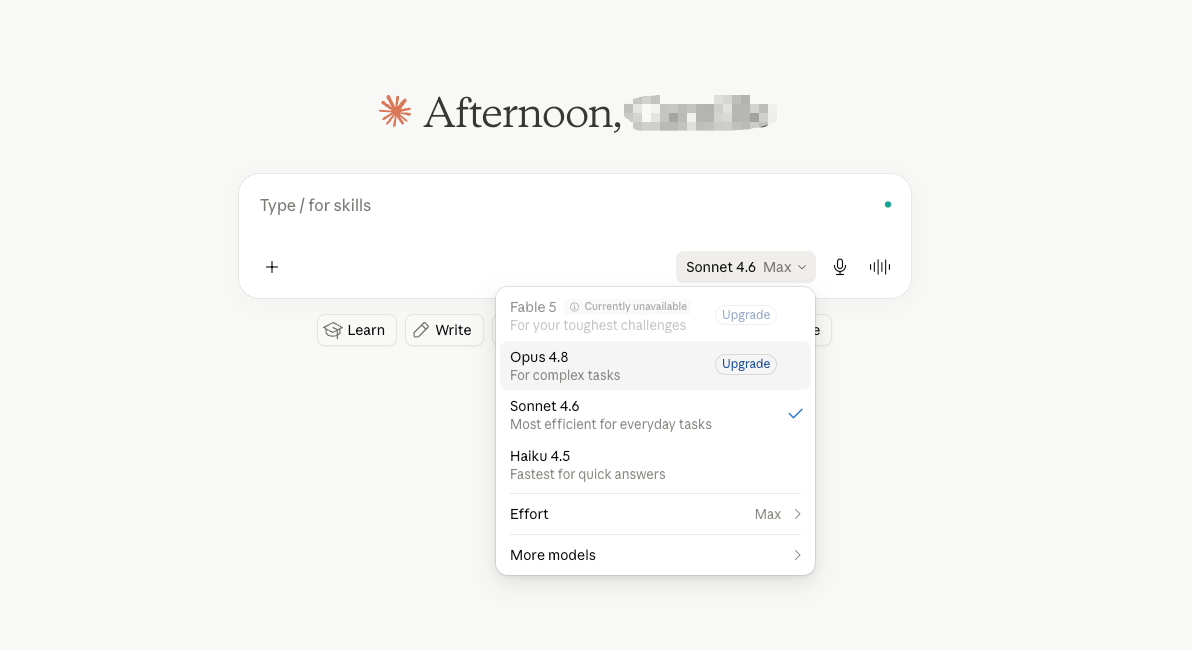
Nothing about Claude Sonnet 5. As of this writing the Anthropic models overview lists Opus 4.6/4.7/4.8, Sonnet 4.6, Haiku 4.5, and the Mythos-class Fable 5 (GA since June 9, 2026) and Mythos 5 (Project Glasswing only). No Sonnet 5 entry. The current Sonnet production baseline is claude-sonnet-4-6.
That’s it. No announcement post, no pricing entry, no Models API listing. Anything claiming otherwise is sourced from leaks, prediction markets, or content that’s been republished without later corrections.
Why leaked names are not API availability
This is the trap that’s burned the most teams I’ve talked to. Earlier in 2026, the identifier claude-sonnet-5@20260203 surfaced in Google Vertex AI error logs. A wave of third-party articles treated this as a confirmed release.
That identifier turned out to be an internal checkpoint that was renamed and released as Claude Sonnet 4.6 on February 17, 2026. The “Sonnet 5” name in the log string never corresponded to a public model. The articles that wrote it up as a launch were wrong, and many of them still live at the top of Google results.
This pattern will happen again. Internal codenames leak. Partner platforms expose unreleased identifiers in logs. None of that is the same as an API being available. A model is available when three things are true: Anthropic posts an announcement on anthropic.com/news, the model ID appears in the official models documentation, and the Models API returns it on /v1/models. Until all three, treat it as rumor.
What Must Be Verified After Launch
Model ID, pricing, context, rate limits, regions, and cloud platforms
When Sonnet 5 does ship, here’s the verification checklist I’d run before letting it touch production. Don’t infer any of this from blog coverage — read it from Anthropic’s own surfaces.
-
Model ID. The exact API string. Past Sonnet IDs follow claude-sonnet-X-Y, but pin the dated alias (claude-sonnet-X-Y-YYYYMMDD) for reproducibility. Confirm both before depending on either.
-
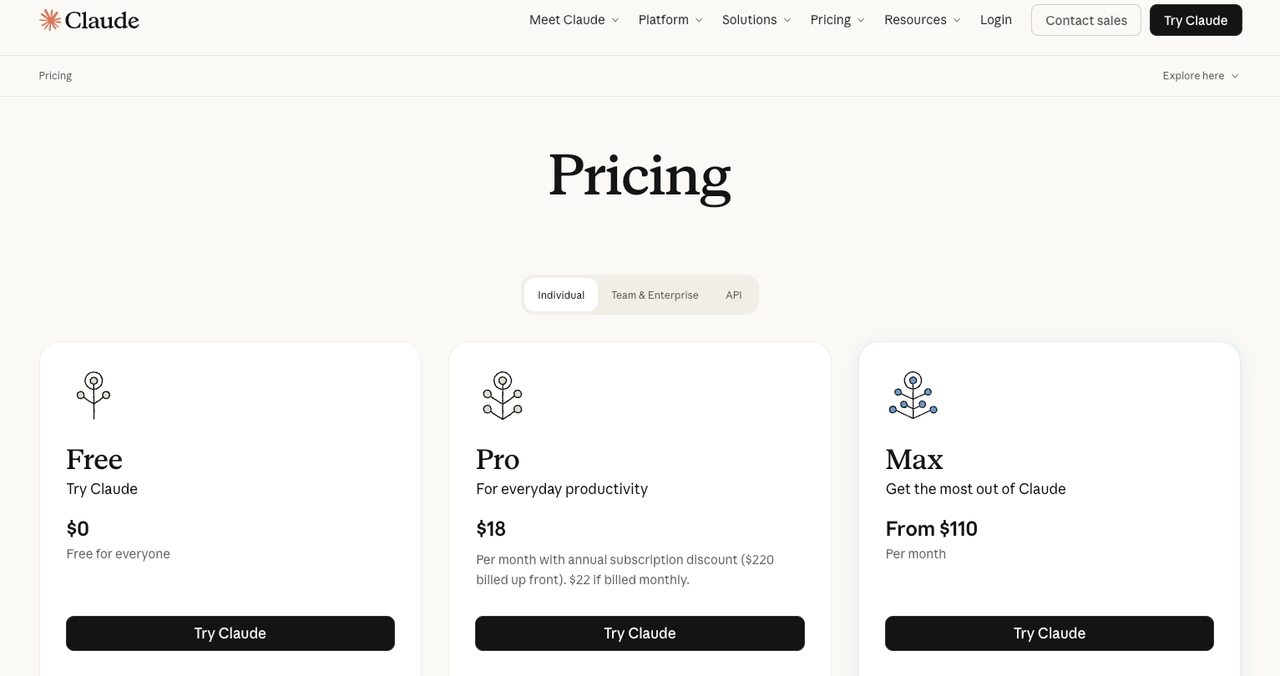
Pricing. Per-million input, output, and cached input rates. Verify against the Claude pricing page, not third-party summaries. Note any context-tier breakpoints.
-
Context window and max output. Sonnet 4.6 is 1M context with 64K max output. Whether Sonnet 5 holds, raises, or splits these is the kind of thing third-party coverage often gets wrong on launch day.
-
Rate limits and tier eligibility. Initial limits on a new model are often lower during early ramp.
-
Regional availability. US, UK, EU residency options at launch.
-
Cloud platforms. The current generation is on the Claude API, Claude Platform on AWS, Amazon Bedrock, Vertex AI, and Microsoft Foundry — but not always day-one for every model. Confirm your deployment path supports it.
-
Capability flags. Adaptive thinking, effort levels, structured outputs, image input, tool use, prompt caching. Pull capabilities from
/v1/models/{id}and diff against your Sonnet 4.6 baseline.
If any are missing on launch day, you don’t have a complete migration picture yet. Wait for the gaps to close.
Build a Sonnet 4.6 Baseline Now
Current prompts, tool calls, latency, cost, and failure cases
The most useful thing you can do today — while Sonnet 5 is still rumor — is freeze a clean Sonnet 4.6 baseline. When the new model lands, you’ll need this to know whether the upgrade is worth shipping.
What to capture:
- A representative eval set of your real prompts. Not synthetic benchmarks. Aim for at least 100 examples per task category.
- Per-prompt outputs from Sonnet 4.6 at your current effort and thinking settings, with the dated alias pinned. These are your golden outputs.
- Tool call traces. Which tools get called, in what order, with what arguments. Tool-call behavior shifts between versions more than people expect.
- Latency distributions. p50, p90, p99 per task type. Averages hide everything.
- Cost per task. Total tokens and dollar cost per representative request.
- Known failure modes. Prompts where Sonnet 4.6 already struggles. These are the most useful tests for a new model.
A day of work for a reasonably scoped product. It’s the difference between “let’s flip the model string and hope” and “we know exactly what changed.”
Migration Checklist for a Future Sonnet Release
Evals, shadow traffic, fallback, monitoring, and rollback
When Sonnet 5 ships, the migration pattern that’s worked on previous Claude version bumps:
- Run the eval set first. Same prompts, new model. Compare against the Sonnet 4.6 golden set. Look for regressions, not just improvements. A model that’s better on average can still be worse on workloads you actually run.
- Shadow traffic before switching. Dual-call Sonnet 4.6 (live) and Sonnet 5 (shadow) on real requests. Log both. Don’t serve Sonnet 5 to users yet. A week of shadow traffic surfaces edge cases the eval set will miss.
- Pin the dated alias. Use claude-sonnet-5-YYYYMMDD (once it exists), not the rolling alias. Roll forward on your schedule.
- Keep Sonnet 4.6 as a fallback. Don’t delete the old model string. If Sonnet 5 degrades, you want a one-flag rollback, not a code change.
- Monitor cost and latency post-cutover. Alert on per-request token counts and p99 latency for at least two weeks. Costs can drift if outputs run longer.
- Have a rollback rule written down. What error rate, what cost increase, what regression count triggers rollback. Decide before you cut over.
The migration itself is usually a one-line change. Everything around it is the work.
Update Triggers for This Tracker
Official announcement, API docs, model listing, and pricing page
I’ll update this post when one of four things happens, in order:
- Anthropic publishes a launch post on anthropic.com/news naming Claude Sonnet 5.
- The model ID appears in the official models documentation.
- /v1/models returns the model.
- The pricing page lists rates.
Until all four, this stays in “watch” mode. If I had to add a section before then, this piece would get rewritten as a launch post — not patched at the bottom.
FAQ
Should teams freeze current Claude migrations while waiting?
No. The bigger risk is sitting on a deprecated model waiting for a new one that may not ship for months. If you’re on Sonnet 4 or earlier, migrate to Sonnet 4.6 now — that’s a confirmed, production-ready model with a clean upgrade path later. Treating “Sonnet 5 might be soon” as a reason to stall is how teams end up scrambling when their pinned model hits deprecation.
Can existing Claude SDK wrappers support an unknown future model?
The Anthropic SDK accepts arbitrary model strings, so mechanically yes — once Sonnet 5 has an ID, you change one parameter. What won’t carry over: per-model capability assumptions hardcoded in your wrapper (max output, supported effort levels, thinking behavior, structured-output schemas). Pull capability flags from the Models API instead of hardcoding them. A new model then slots in without code changes elsewhere.
How should procurement treat contracts naming an unreleased model?
Don’t sign anything that commits volume or pricing to a model without an official Anthropic listing. Contracts referencing “Sonnet 5” or any unreleased Claude variant should either tie to the current production model with a clean amendment path, or scope to whatever Anthropic ships as the next Sonnet generation with the actual ID filled in post-launch.
What separates official access from third-party model claims?
Four signals: an Anthropic announcement post, an entry in the official models documentation, a successful /v1/models/{id} response, and a listing on the pricing page. Third-party “early access” platforms, prediction-market odds, codenames from leaked logs, and republished speculation are none of these. If you can’t point to all four, the model isn’t available — regardless of how confident the third-party source sounds.
Conclusion
Claude Sonnet 5 isn’t out. The current Sonnet API baseline is Sonnet 4.6 — build against it. The most productive thing teams can do while waiting is freeze a clean Sonnet 4.6 eval baseline, write the migration checklist before it’s needed, and stop reading the speculation pieces.
When Sonnet 5 actually ships — if it ships as a distinct model rather than rolling into the next Opus generation — the verification checklist above runs first.
I’ll update when official surfaces confirm it.
Previous posts: