Seedream 5.0 Pro 正式上線 | 在圖片生成器中體驗 →

Seedance 2.0 Mini Image to Video Turbo API

bytedance /

Seedance 2.0 Mini Image to Video Turbo is ByteDance's faster, lower-cost image-to-video model for cinematic multi-shot videos. It turns reference images and optional text prompts into narrative sequences with AI camera control, consistent characters, 720P / 1080P output, 5-12s duration, and flexible aspect ratios. Ready-to-use REST inference API, best performance, no coldstarts, affordable pricing.

image-to-video
輸入

拖放檔案或點擊上傳

preview

拖放檔案或點擊上傳

Enable web search for real-time information.
Whether to generate native audio synchronized with the output video. Defaults to true.

就緒

$0.7每次運行·~14 / $10

下一步:

示例查看全部

He finishes wrapping his hands, stands up, and breath deeply before pushing open the locker room door. Noise from the crowd grows louder, light spills into the room, and the camera follows from behind as he walks toward the fight.

相關模型
README

ByteDance Seedance 2.0 Mini Image-to-Video Turbo

ByteDance Seedance 2.0 Mini Image-to-Video Turbo generates videos from a start image and text prompt. Upload an image, describe the scene, action, camera movement, and mood, then choose aspect ratio, resolution, duration, and audio generation settings.

Why Choose This?

  • Turbo image-to-video generation
    Generate videos from a start image with a faster turbo workflow.

  • Prompt-guided motion control
    Describe the scene, action, camera movement, and mood for the generated video.

  • Optional last-frame guidance
    Provide last_image to guide the final frame or continuation direction.

  • Native audio generation
    Generate synchronized audio together with the output video using generate_audio.

  • Flexible aspect ratios
    Choose from 16:9, 9:16, 4:3, 3:4, 1:1, and 21:9, or let the output adapt to the input image.

  • Resolution options
    Generate videos in 720p or 1080p.

Parameters

ParameterRequiredDescription
promptYesDescribe the scene, action, camera movement, and mood for the video.
imageYesStart image URL to guide the video generation.
last_imageNoLast frame image URL for video continuation.
aspect_ratioNoOutput aspect ratio: 16:9, 9:16, 4:3, 3:4, 1:1, or 21:9. If not specified, adapts to the input image.
resolutionNoOutput video resolution: 720p or 1080p. Default: 720p.
durationNoDuration of the generated video in seconds. Range: 4–15. Default: 5.
enable_web_searchNoEnable web search for real-time information. Default: false.
generate_audioNoWhether to generate native audio synchronized with the output video. Default: true.

How to Use

  1. Write your prompt — Describe the scene, subject, action, camera movement, lighting, and mood.
  2. Upload the start image — Provide the image that should guide the video generation.
  3. Add a last image optional — Use last_image when you want to guide the final frame or ending direction.
  4. Choose aspect ratio optional — Select a supported aspect ratio, or leave it empty to adapt to the input image.
  5. Choose resolution — Select 720p or 1080p.
  6. Set duration — Choose a duration between 4 and 15 seconds.
  7. Configure audio optional — Keep generate_audio enabled for synchronized native audio, or disable it if audio is not needed.
  8. Submit — Generate the final video.

Example Prompt

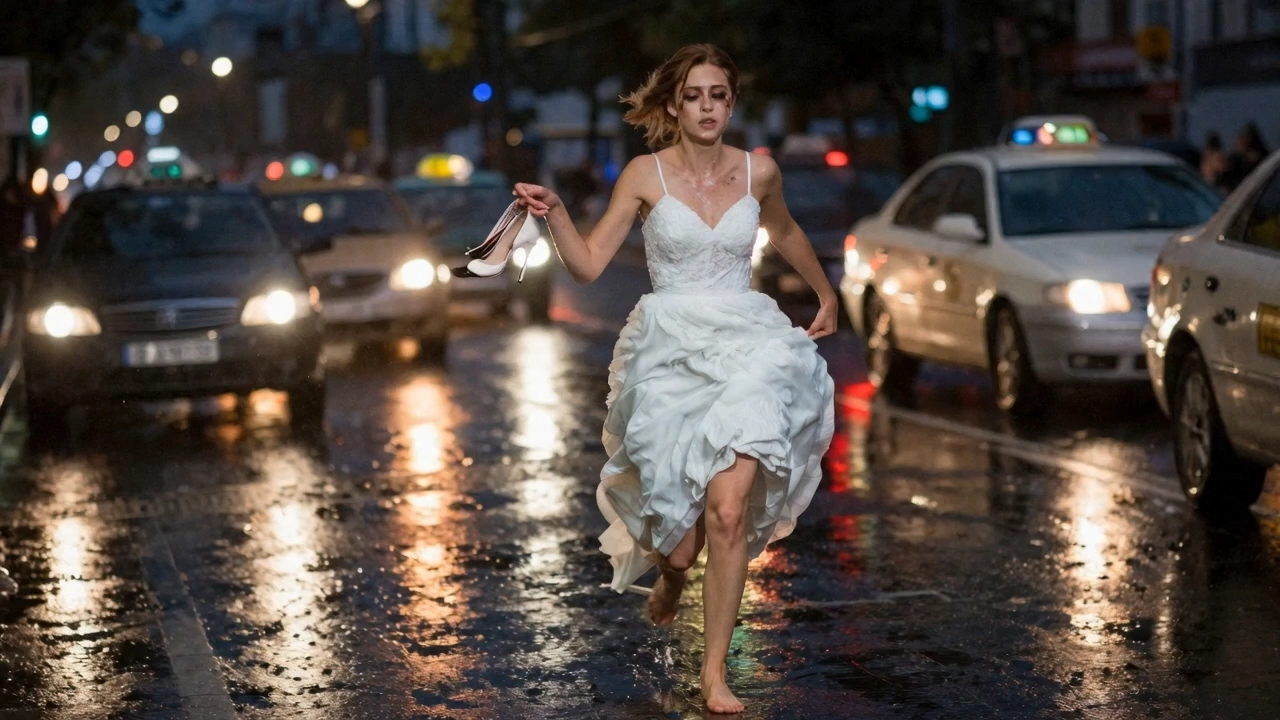
A cinematic shot of the character slowly walking through a neon-lit street at night, soft rain falling, reflections on the wet pavement, gentle camera movement, atmospheric lighting, calm but dramatic mood.

Pricing

Per 5 Seconds

ResolutionCost
720p$0.35
1080p$0.375

Per Second

ResolutionCost
720p$0.07
1080p$0.075

Example Costs

Resolution4s5s10s15s
720p$0.28$0.35$0.70$1.05
1080p$0.30$0.375$0.75$1.125

Best Use Cases

  • Turbo image-to-video generation — Generate short videos from a start image and prompt.
  • Start-and-end-frame guidance — Use image and last_image to guide the beginning and ending of the video.
  • Cinematic short clips — Create video scenes with motion, atmosphere, and synchronized audio.
  • Social media content — Generate vertical, square, landscape, or ultra-wide video formats.
  • Creative prototyping — Test scene ideas, motion concepts, and visual directions from a reference image.

Pro Tips

  • Use a clear start image with the main subject visible.
  • Use last_image when the final frame or ending direction matters.
  • Keep prompts focused on visible motion, camera behavior, lighting, and mood.
  • Use 720p for lower-cost generation and 1080p for higher-resolution output.
  • Keep generate_audio enabled when you want the video to include synchronized native audio.
  • Choose an aspect ratio that matches your final format, such as 9:16 for vertical content or 16:9 for widescreen video.

Related Models

提示:本網站部分功能由第三方 AI 模型提供支援。

Seedance 2.0 Mini Image To Video Turbo API — Quick start

Grab a WaveSpeedAI API key, then call POST https://api.wavespeed.ai/api/v3/bytedance/seedance-2.0-mini/image-to-video-turbo with your input as JSON. The endpoint returns a prediction id. Start polling the result endpoint around every 2 seconds, increase the interval for long-running tasks, and stop on any terminal status. On completed, read output values from data.outputs. Examples for Seedance 2.0 Mini Image To Video Turbo below.

HTTP example
set -euo pipefail

: "${WAVESPEED_API_KEY:?Set WAVESPEED_API_KEY}"

REQUEST_BODY=$(cat <<'JSON'
{
    "prompt": "A cinematic shot of a city at sunset, soft golden light",
    "image": "https://example.com/your-input.jpg",
    "aspect_ratio": "16:9",
    "resolution": "720p",
    "duration": 5,
    "enable_web_search": false,
    "generate_audio": true
}
JSON
)

# 1. Submit the prediction.
SUBMIT_RESPONSE=$(curl --silent --show-error --fail-with-body \
  -X POST "https://api.wavespeed.ai/api/v3/bytedance/seedance-2.0-mini/image-to-video-turbo" \
  -H "Content-Type: application/json" \
  -H "Authorization: Bearer $WAVESPEED_API_KEY" \
  -d "$REQUEST_BODY")

TASK=$(printf '%s' "$SUBMIT_RESPONSE" | jq 'if has("data") then .data else . end')
PREDICTION_ID=$(printf '%s' "$TASK" | jq -r '.id')
if [ -z "$PREDICTION_ID" ] || [ "$PREDICTION_ID" = "null" ]; then
  printf 'Submission response did not contain a prediction id
' >&2
  exit 1
fi
RESULT_URL=$(printf '%s' "$TASK" | jq -r '.urls.get // empty')
if [ -z "$RESULT_URL" ]; then
  RESULT_URL="https://api.wavespeed.ai/api/v3/predictions/$PREDICTION_ID/result"
fi

# 2. Poll until the prediction finishes.
while true; do
  RESPONSE=$(curl --silent --show-error --fail-with-body "$RESULT_URL" \
    -H "Authorization: Bearer $WAVESPEED_API_KEY")
  RESULT=$(printf '%s' "$RESPONSE" | jq 'if has("data") then .data else . end')
  STATUS=$(printf '%s' "$RESULT" | jq -r '.status')
  case "$STATUS" in
    completed) printf '%s\n' "$RESULT" | jq '.outputs'; break ;;
    failed|cancelled|timeout) printf '%s\n' "$RESULT" | jq . >&2; exit 1 ;;
    created|processing) sleep 2 ;;
    *) printf 'Unexpected status: %s
' "$STATUS" >&2; exit 1 ;;
  esac
done
Node.js example
const submitUrl = "https://api.wavespeed.ai/api/v3/bytedance/seedance-2.0-mini/image-to-video-turbo";
const apiKey = process.env.WAVESPEED_API_KEY;
if (!apiKey) throw new Error('Set WAVESPEED_API_KEY');

async function requestJson(url, options = {}) {
  const response = await fetch(url, options);
  if (!response.ok) throw new Error(await response.text());
  return response.json();
}

// 1. Submit the prediction.
const body = await requestJson(submitUrl, {
  method: "POST",
  headers: {
    "Authorization": `Bearer ${apiKey}`,
    "Content-Type": "application/json",
  },
  body: JSON.stringify({
        "prompt": "A cinematic shot of a city at sunset, soft golden light",
        "image": "https://example.com/your-input.jpg",
        "aspect_ratio": "16:9",
        "resolution": "720p",
        "duration": 5,
        "enable_web_search": false,
        "generate_audio": true
}),
});
const task = body.data ?? body;
if (!task.id) throw new Error("Submission response did not contain a prediction id");
const resultUrl = task.urls?.get ||
  `https://api.wavespeed.ai/api/v3/predictions/${task.id}/result`;

// 2. Poll until the prediction finishes.
while (true) {
  const resultBody = await requestJson(resultUrl, {
    headers: { "Authorization": `Bearer ${apiKey}` },
  });
  const result = resultBody.data ?? resultBody;
  if (result.status === "completed") {
    console.log(result.outputs);
    break;
  }
  if (["failed", "cancelled", "timeout"].includes(result.status)) throw new Error(JSON.stringify(result));
  if (!["created", "processing"].includes(result.status)) throw new Error("Unexpected status: " + result.status);
  await new Promise(resolve => setTimeout(resolve, 2000));
}
Python example
import json
import os
import time
from urllib.request import Request, urlopen

api_key = os.environ["WAVESPEED_API_KEY"]
headers = {"Authorization": f"Bearer {api_key}", "Content-Type": "application/json"}
payload = {
    "prompt": "A cinematic shot of a city at sunset, soft golden light",
    "image": "https://example.com/your-input.jpg",
    "aspect_ratio": "16:9",
    "resolution": "720p",
    "duration": 5,
    "enable_web_search": False,
    "generate_audio": True
}

def request_json(url, data=None):
    request = Request(url, data=data, headers=headers, method="POST" if data else "GET")
    with urlopen(request) as response:
        return json.load(response)

# 1. Submit the prediction.
body = request_json("https://api.wavespeed.ai/api/v3/bytedance/seedance-2.0-mini/image-to-video-turbo", json.dumps(payload).encode())
task = body.get("data", body)
if not task.get("id"):
    raise RuntimeError("Submission response did not contain a prediction id")
result_url = task.get("urls", {}).get("get") or f"https://api.wavespeed.ai/api/v3/predictions/{task['id']}/result"

# 2. Poll until the prediction finishes.
while True:
    result_body = request_json(result_url)
    result = result_body.get("data", result_body)
    status = result.get("status")
    if status == "completed":
        print(result.get("outputs", []))
        break
    if status in {"failed", "cancelled", "timeout"}:
        raise RuntimeError(result)
    if status not in {"created", "processing"}:
        raise RuntimeError(f"Unexpected status: {status}")
    time.sleep(2)

Seedance 2.0 Mini Image To Video Turbo API — Frequently asked questions

What is the Seedance 2.0 Mini Image To Video Turbo API?

Seedance 2.0 Mini Image To Video Turbo is a ByteDance model for video generation from images, exposed as a REST API on WaveSpeedAI. Seedance 2.0 Mini Image to Video Turbo is ByteDance's faster, lower-cost image-to-video model for cinematic multi-shot videos. It turns reference images and optional text prompts into narrative sequences with AI camera control, consistent characters, 720P / 1080P output, 5-12s duration, and flexible aspect ratios. Ready-to-use REST inference API, best performance, no coldstarts, affordable pricing. You can call it programmatically or try it from the playground above.

How do I call the Seedance 2.0 Mini Image To Video Turbo API?

POST your input parameters to the model's REST endpoint (shown in the API tab of this playground) with your WaveSpeedAI API key in the Authorization header. Submission returns a prediction ID. Poll the result endpoint starting around every 2 seconds, increase the interval for long-running tasks, and stop on any terminal status. The playground generates production-oriented Python, JavaScript, and cURL examples with timeouts, transient-error handling, and safe GET retries. Full request/response shape is documented at https://wavespeed.ai/docs/docs-api/bytedance/bytedance-seedance-2.0-mini-image-to-video-turbo.

How much does Seedance 2.0 Mini Image To Video Turbo cost per run?

Seedance 2.0 Mini Image To Video Turbo starts at $0.70 per run. That figure is the base price — the final charge scales with the parameters you set in the form (output size, length, count, references, or whatever knobs this model exposes), so a higher-quality or larger output costs more than a minimal one. The exact cost for your current input is shown live next to the Generate button before you submit, and the actual per-call charge is recorded on the prediction afterwards.

What inputs does Seedance 2.0 Mini Image To Video Turbo accept?

Key inputs: `prompt`, `image`, `aspect_ratio`, `resolution`, `duration`, `enable_web_search`. The full JSON schema (types, defaults, allowed values) is rendered above the Generate button and mirrored in the API reference at https://wavespeed.ai/docs/docs-api/bytedance/bytedance-seedance-2.0-mini-image-to-video-turbo.

How long does Seedance 2.0 Mini Image To Video Turbo take to generate?

Average end-to-end generation time on WaveSpeedAI is around 249 seconds per request — measured across recent runs. Queue time scales with global demand; live status is visible in the prediction record.

Can I use Seedance 2.0 Mini Image To Video Turbo outputs commercially?

Commercial usage rights depend on the model's license, set by its provider (ByteDance). The license summary appears on the model card above; see WaveSpeedAI's Terms of Service for platform-level conditions.

Seedance 2.0 Mini Image to Video Turbo API | WaveSpeedAI